

40HQ FCL Space Availability for Auto Parts from China to Netherlands
Securing reliable 40HQ FCL space availability for auto parts from China to Netherlands is critical for businesses. This comprehensive guide from China Top Freight offers insights into market trends, costs, and strategies. Optimize your logistics to ensure timely delivery of automotive components.
Understanding 40HQ FCL for Auto Parts Shipments
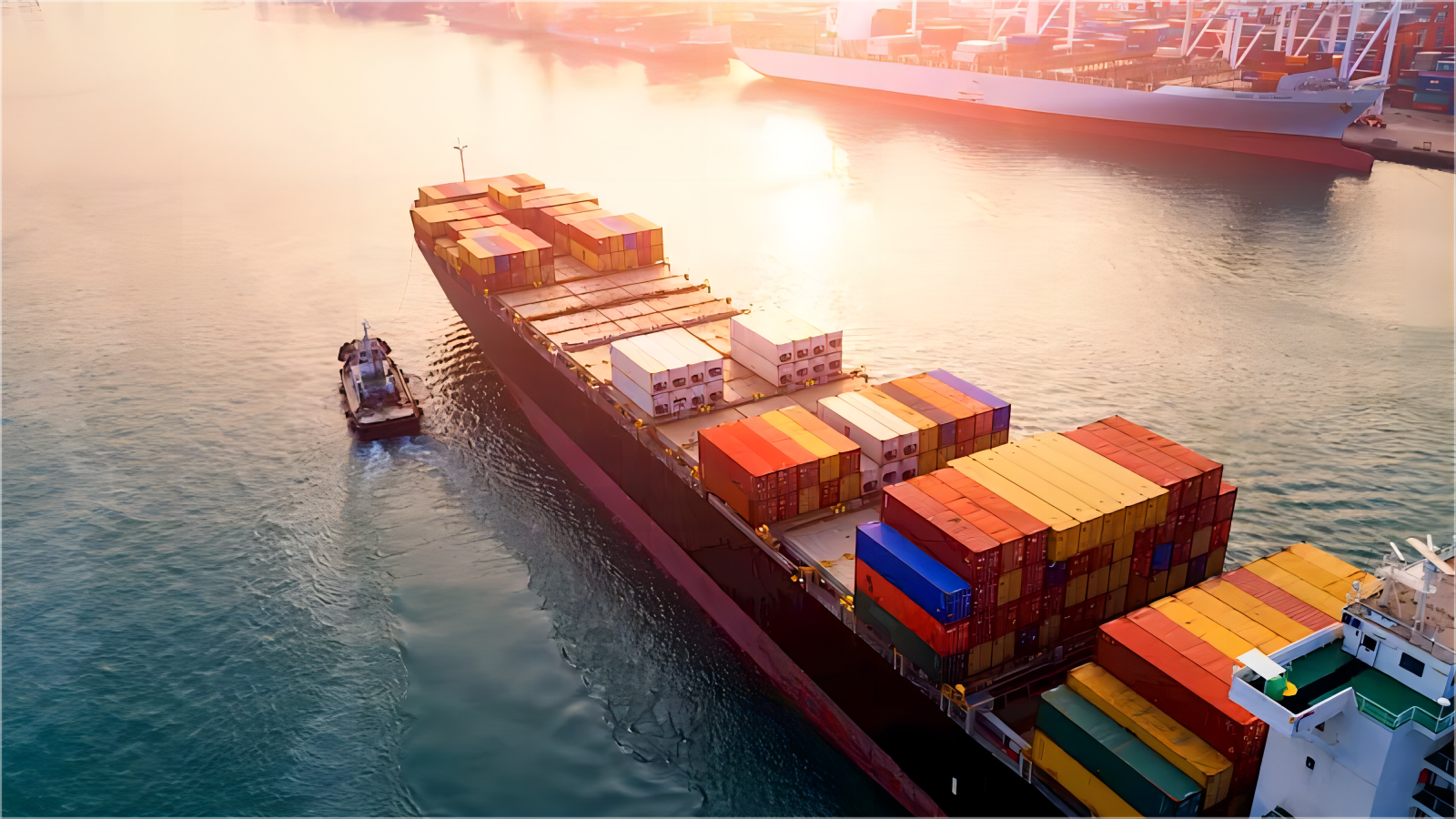
A 40HQ (High Cube) FCL (Full Container Load) container is ideal for shipping auto parts from China to the Netherlands. It offers approximately 76 cubic meters, ample for diverse automotive components. FCL means your cargo occupies the entire container, minimizing handling and damage.
Choosing 40HQ FCL ensures a secure environment, maintaining supply chain integrity. It facilitates efficient loading and unloading, reducing costly port dwell times. FCL also offers a predictable shipping schedule, critical for managing inventory and production timelines.
Current Market Conditions and 40HQ FCL Space Availability
The global shipping landscape is dynamic; 40HQ FCL space availability for auto parts from China to Netherlands fluctuates. As of early 2025, freight rates from China to Europe show stabilization post-Red Sea disruptions. Capacity remains a primary concern for importers. Proactive booking weeks in advance is recommended to secure slots and avoid surcharges.
Industry trends, like growing EV component demand, intensify pressure on container space. During peak seasons (August-October, pre-Chinese New Year), rates can escalate by 15-25%. Understanding these market nuances is essential for effective logistics planning and managing shipping costs.
Key Factors Influencing 40HQ FCL Shipping Costs and Transit Times
Several elements dictate 40HQ FCL shipping costs and transit times for auto parts from China to the Netherlands. Ocean freight rates are the largest expense, influenced by carrier capacity, fuel surcharges, and market demand. Origin charges (THC, documentation, drayage) contribute significantly. Destination charges (port fees, customs, local delivery) must be factored.
Transit time depends on the shipping line and route. Direct routes offer faster delivery but may incur higher premiums. Transshipment routes are more economical but add several days. Efficient customs clearance at both ends is pivotal for the final door-to-door timeline.
How Does 40HQ FCL Compare to Other Shipping Options?
When importing auto parts from China to the Netherlands, various methods offer distinct advantages. Understanding these alternatives is paramount for informed logistical decisions aligning with your cargo and budget. We compare 40HQ FCL sea freight against LCL, expedited air freight, and efficient rail freight. This highlights differences in shipping costs, transit times, and ideal use cases.
Sea freight, especially FCL, is the most cost-effective solution for large volumes. This benefit is balanced by longer transit times. In contrast, air freight provides unparalleled speed for urgent or high-value shipments, but at a significantly higher cost. For substantial, non-time-critical auto parts, 40HQ FCL remains economical and efficient.
| Shipping Method | Cost Range (China-Netherlands) | Transit Time | Best For | Limitations |
|---|---|---|---|---|
| 40HQ FCL Sea Freight | $3,000-4,200 | 28-35 days | Large volumes, cost-efficiency, non-urgent goods, dedicated space | Slower, less flexibility, port congestion risks |
| LCL Sea Freight | $50-80/CBM | 30-40 days | Smaller volumes (under 15 CBM), cost-effective for partial containers | More handling, potential for consolidation delays, higher per CBM cost |
| Air Freight | $5,000-10,000+ (for equivalent volume) | 5-7 days | Urgent, high-value, small volume shipments (e.g., critical spare parts) | Very expensive, strict weight and size restrictions, higher carbon footprint |
| Rail Freight | $4,000-6,000 (for 40GP) | 15-20 days | Mid-range urgency, large volumes, specific routes (e.g., via Poland) | Limited network, weather impacts, potential border crossing delays, less flexible scheduling |
Alternative Strategies for Auto Parts Shipping
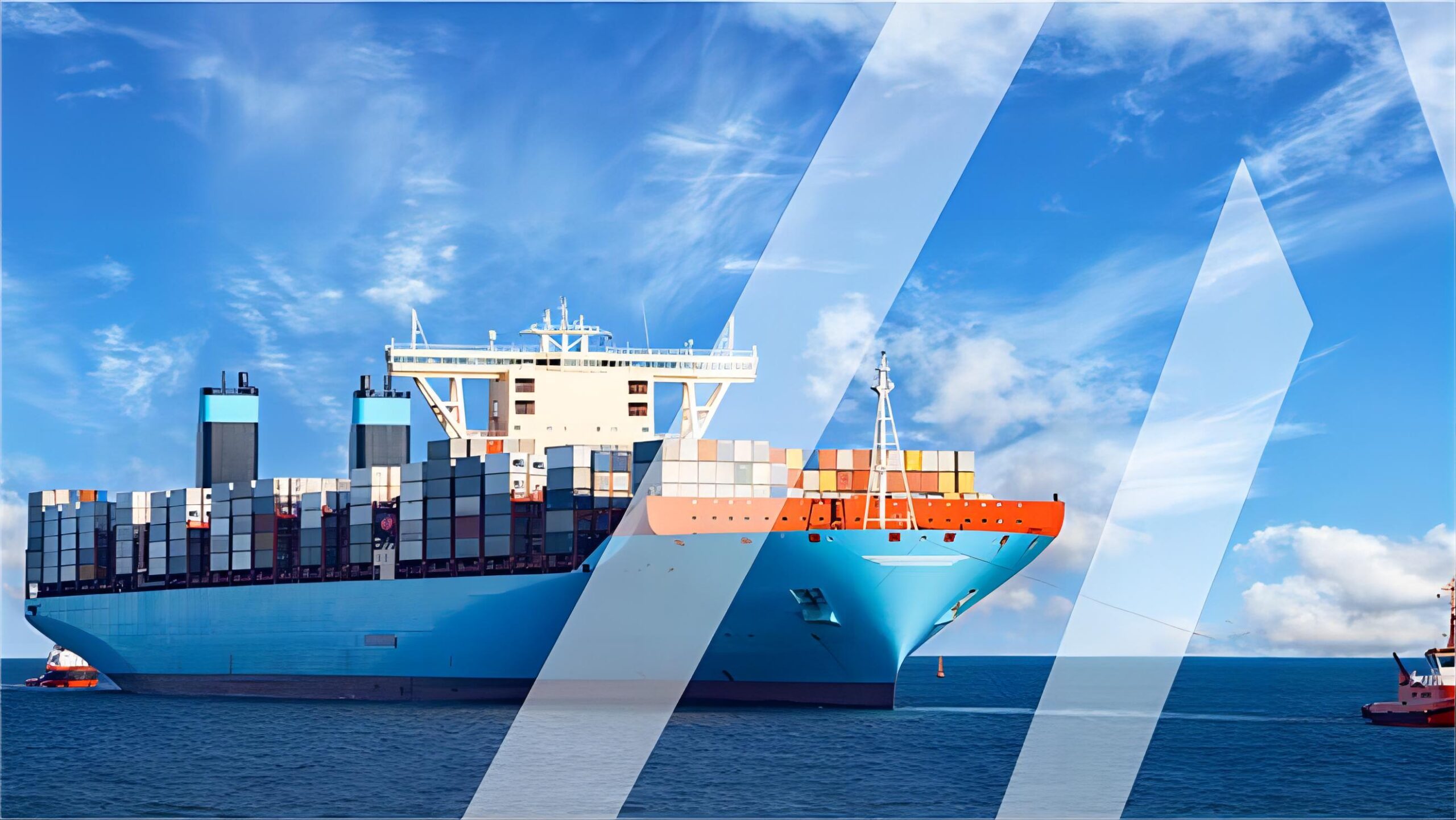
For urgent or smaller auto parts shipments, express service or air freight is invaluable. This is true when critical spare parts are needed immediately for production. If your volume doesn’t fill a container, LCL shipping offers a cost-effective alternative by sharing space. This suits volumes typically under 15 CBM.
Consider hybrid solutions, like sea-air combinations, for speed and cost balance. Shipping by sea to a hub like Dubai, then air freighting to the Netherlands, reduces overall transit time. This strategy suits tight deadlines with budget constraints. For consistent, moderately urgent shipments, rail freight from China offers a compelling middle ground.
Which Option Should You Choose? A Decision Framework
Your ideal shipping method for auto parts depends on logistical priorities. If budget is primary for large, non-urgent shipments, 40HQ FCL sea freight is most economical. If speed is paramount for critical auto parts, air freight or express services provide quickest delivery.
For medium-sized, time-sensitive cargo, rail freight is a robust middle ground. It offers faster transit than sea freight at a fraction of air freight’s cost. Volume thresholds are crucial; if cargo consistently fills a 40HQ, FCL is more economical than LCL.
Navigating Customs and Documentation for Auto Parts to Netherlands
Importing auto parts into the Netherlands requires meticulous attention to customs regulations and documentation. Proper classification using accurate Harmonized System (HS) codes is essential. This determines import duties, taxes, and regulatory requirements. A perfectly prepared commercial invoice, detailed packing list, and accurate bill of lading are fundamental for smooth customs clearance.
Ensuring correct, complete, and punctual documentation prevents costly delays, demurrage, and penalties. Importers must ascertain any specific import licenses or certifications (e.g., CE marking) for particular auto parts. Engaging a reliable customs brokerage service streamlines this complex process, mitigating issues and ensuring compliance.
Real-World Scenarios: 40HQ FCL Auto Parts Shipments
Practical examples illustrate complexities and solutions for international auto parts shipping. These case studies provide insights into challenges and strategies for securing 40HQ FCL space availability for auto parts from China to Netherlands. They offer a transparent picture of costs, transit times, and operational intricacies.
Case Study 1: Large Volume of Engine Components
A European auto manufacturer needed consistent, high-volume engine components. Securing dedicated 40HQ FCL space was critical for maintaining their production schedule and avoiding costly line stoppages.
| Detail | Description |
|---|---|
| Route | Shanghai, China Rotterdam, Netherlands |
| Cargo | Engine blocks, cylinder heads, crankshafts, 68 CBM, 25,000 kg |
| Container | 40HQ FCL |
| Shipping Details | Carrier: MSC, Port of Loading: Shanghai, Port of Discharge: Rotterdam, Route Type: Direct |
| Cost Breakdown | Ocean Freight: $3,850, Origin Charges (THC, documentation): $450, Destination Charges: $550, Customs & Duties (estimated): $1,200, Total Landed Cost: $6,050 |
| Timeline | Booking to Loading: 5 days, Sea Transit: 30 days, Customs Clearance: 3 days, Total Door-to-Door: 38 days |
| Key Insight | Proactive booking 4 weeks in advance secured competitive rates and direct service, bypassing peak season surcharges. |
Case Study 2: Diverse Range of Aftermarket Auto Parts
A Netherlands-based distributor regularly imports a wide assortment of aftermarket auto parts. This required careful consolidation and maximizing container utilization to achieve cost efficiency.
| Detail | Description |
|---|---|
| Route | Ningbo, China Amsterdam, Netherlands |
| Cargo | Brake pads, oil filters, vehicle lighting, small body panels, 72 CBM, 18,000 kg |
| Container | 40HQ FCL |
| Shipping Details | Carrier: COSCO, Port of Loading: Ningbo, Port of Discharge: Amsterdam (via Rotterdam), Route Type: Transshipment via Felixstowe |
| Cost Breakdown | Ocean Freight: $3,200, Origin Charges (THC, documentation): $400, Destination Charges: $500, Customs & Duties (estimated): $1,050, Total Landed Cost: $5,150 |
| Timeline | Booking to Loading: 7 days, Sea Transit: 35 days, Customs Clearance: 4 days, Total Door-to-Door: 46 days |
| Key Insight | Opting for a transshipment route offered cost savings, albeit with extended transit time. Meticulous palletization maximized container space. |
Case Study 3: Time-Sensitive EV Battery Components
This case involved an EV components manufacturer needing reliable, fast delivery for a new production line launch. Consistent, timely 40HQ FCL space availability was paramount for their success.
| Detail | Description |
|---|---|
| Route | Shenzhen, China Rotterdam, Netherlands |
| Cargo | EV battery modules, charging units, power converters, 70 CBM, 22,000 kg |
| Container | 40HQ FCL |
| Shipping Details | Carrier: Maersk, Port of Loading: Shenzhen, Port of Discharge: Rotterdam, Route Type: Direct |
| Cost Breakdown | Ocean Freight: $4,100, Origin Charges (THC, documentation): $500, Destination Charges: $600, Customs & Duties (estimated): $1,300, Total Landed Cost: $6,500 |
| Timeline | Booking to Loading: 4 days, Sea Transit: 28 days, Customs Clearance: 2 days, Total Door-to-Door: 34 days |
| Key Insight | Selecting a premium direct service ensured fastest transit and highest reliability, justifying increased cost for time-critical, high-value components. |
Optimizing Your Supply Chain: Strategies for Securing Space
To manage your automotive supply chain and ensure consistent auto parts flow, proactive strategies secure 40HQ FCL space. Establishing robust relationships with freight forwarders like China Top Freight is crucial. They possess market intelligence and carrier connections to secure slots during tight periods. Accurate demand forecasting allows proactive booking weeks in advance, avoiding premium rates.
Consider flexible shipping dates; this opens options and potentially favorable rates. Exploring alternative Chinese loading ports, such as Ningbo or Shenzhen, can reveal available capacity. Understanding door to door logistics simplifies the entire process. This provides a seamless experience from factory to final destination.
Conclusion
Navigating the complexities of 40HQ FCL space availability for auto parts from China to Netherlands demands meticulous planning and strategic partnerships. By understanding market dynamics, comparing options, and managing customs, businesses optimize their automotive supply chain. Partnering with an experienced freight forwarder is paramount for efficient, cost-effective, and timely delivery of essential auto components.
Ready to streamline your logistics?
Ready to secure reliable 40HQ FCL space availability for auto parts from China to Netherlands? Our dedicated experts provide tailored solutions and competitive quotes for your shipping needs. Contact us today to streamline your logistics, optimize costs, and ensure your automotive supply chain operates with maximum efficiency.
Request Quote