

20GP FCL Shipping from China to France: Your Complete Guide
Embarking on international trade can be complex, especially when coordinating large shipments. Understanding the intricacies of 20GP FCL shipping from China to France is crucial for businesses aiming for efficiency and cost-effectiveness. This comprehensive guide, brought to you by China Top Freight, will demystify the process, offering insights into optimizing your logistics strategy. We cover everything from freight rates to customs clearance, ensuring your cargo reaches its destination smoothly.
What is 20GP FCL Shipping and Why Choose it for France?
20GP FCL stands for a 20-foot General Purpose Full Container Load. Essentially, this means you lease an entire 20-foot container for your goods, regardless of whether you fill it completely. This method is often preferred for larger volumes of cargo.
Choosing FCL for your shipments from China to France provides several distinct advantages. Primarily, it offers enhanced security and reduced handling, as your goods are not consolidated with other shippers’ cargo. Consequently, this minimizes the risk of damage or loss during transit.

Furthermore, FCL shipping generally results in faster transit times compared to Less than Container Load (LCL) options. Direct routes are more common, avoiding multiple stops for loading and unloading other shipments. Therefore, for significant volumes, 20GP FCL presents an excellent balance of cost, speed, and safety.
How Does 20GP FCL Shipping Compare to Other Shipping Options?
When planning your imports from China to France, evaluating various shipping methods is essential. Each option presents unique trade-offs concerning cost, transit time, and cargo suitability. Understanding these differences helps you make an informed decision for your supply chain.
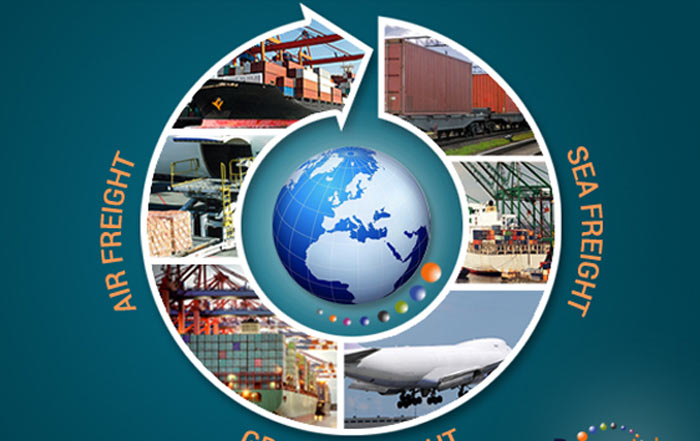
While 20GP FCL via ocean freight is highly economical for bulk goods, other methods might be more suitable depending on your specific needs. For instance, air freight offers speed, whereas LCL provides flexibility for smaller consignments. Moreover, shipping to Europe involves diverse logistical considerations.
Consider the following comparison to better understand where 20GP FCL ocean freight fits into the broader logistics landscape. This table highlights key factors that influence your choice.
| Shipping Method | Cost Range (2024-2025) | Transit Time | Best For | Limitations |
|---|---|---|---|---|
| 20GP FCL Ocean Freight | $1,800 – $2,500 (ocean freight) | 28 – 35 days | Large volume, non-urgent goods, cost-effective | Slowest, port-to-port only |
| LCL Ocean Freight | $50 – $80 per CBM | 35 – 45 days | Small to medium volumes, cost-effective for smaller loads | Longer transit, more handling, higher risk of damage |
| Air Freight | $6 – $10 per kg | 3 – 7 days | Urgent, high-value, small volume goods | Most expensive, weight/volume restrictions |
| Rail Freight (China-Europe) | $4,000 – $6,000 (20GP equivalent) | 15 – 20 days | Medium urgency, high-value goods, landlocked regions | Limited routes, capacity constraints, higher than sea freight |
What are the Key Factors Influencing 20GP FCL Freight Rates from China to France?
Several dynamic factors determine the overall cost of 20GP FCL shipping from China to France. Understanding these elements allows businesses to better budget and negotiate effectively. Indeed, freight rates can fluctuate significantly based on market conditions.
Firstly, the port of loading in China and the port of discharge in France play a crucial role. Major ports like Shanghai, Ningbo, or Shenzhen often have more competitive rates due to higher traffic volume. Similarly, French ports like Le Havre or Marseille are primary entry points.
Secondly, seasonal demand greatly impacts pricing. Peak seasons, such as before major holidays (e.g., Chinese New Year, Christmas), often see rates increase by 15-25%. Therefore, booking in advance or planning shipments during off-peak times can lead to considerable savings.
Moreover, fuel surcharges, known as Bunker Adjustment Factor (BAF), and currency exchange rates can affect the final cost. These surcharges are adjusted periodically by carriers. Furthermore, additional fees like Terminal Handling Charges (THC) at both origin and destination ports, and documentation fees, contribute to the total freight cost. Always request a detailed breakdown from your forwarder.
Note: Freight rates are subject to change based on fuel costs, carrier capacity, and seasonal demand. Contact us for a current quote tailored to your specific shipment.
Navigating Customs Clearance and Documentation for France Imports
Successful import into France requires meticulous attention to customs clearance and documentation. Proper preparation prevents delays, fines, and additional costs. Consequently, understanding the requirements beforehand is paramount for a smooth process.
Key documents typically include the Commercial Invoice, Packing List, Bill of Lading (B/L), and Certificate of Origin. Furthermore, depending on the type of goods, specific licenses, permits, or conformity certificates (e.g., CE marking) may be required. Therefore, verifying these requirements well in advance is essential.
France, as part of the European Union, adheres to EU customs regulations. This means understanding the Harmonized System (HS) codes for accurate classification of your goods is critical. Incorrect classification can lead to duties, taxes, and delays. Moreover, import duties and VAT (Value Added Tax) will apply, calculated based on the CIF (Cost, Insurance, Freight) value of your shipment.
Working with a reliable customs broker is highly recommended to ensure compliance. A professional broker can manage all necessary paperwork, calculate duties, and liaise with customs authorities on your behalf. For comprehensive support, consider our customs brokerage services. This expertise streamlines the entire import process significantly.
Optimizing Transit Time and Delivery Schedules for Your 20GP FCL Shipment
Efficient transit time management is vital for maintaining a robust supply chain from China to France. While ocean freight is inherently slower, strategic planning can optimize your delivery schedule. Indeed, careful coordination can mitigate potential delays.
Typical sea transit for 20GP FCL from major Chinese ports to France ranges from 28 to 35 days. However, this timeframe can be affected by factors such as port congestion, adverse weather conditions, and carrier schedules. Therefore, building a buffer into your delivery schedule is always advisable.
Choosing direct services over routes with transshipments can significantly reduce transit time. Although direct routes might sometimes incur slightly higher costs, the time savings often justify the expense. Furthermore, consider the reputation and reliability of the shipping carrier. Major carriers generally offer more predictable schedules.
Upon arrival at the port of discharge in France, the cargo undergoes customs clearance and then proceeds to its final destination. Many businesses opt for door-to-door services to simplify this final leg of the journey. This integrated approach ensures seamless movement from the origin factory to your warehouse, managing all logistics in between. This comprehensive solution minimizes your administrative burden and potential delays.
Case Studies: Real-World 20GP FCL Shipping Scenarios
Understanding theoretical aspects is one thing, but seeing real-world examples truly illustrates the complexities and solutions in 20GP FCL shipping. These case studies highlight various challenges and successful strategies for imports from China to France. They offer practical insights into managing costs, timelines, and unexpected issues.
These scenarios are based on typical market rates and conditions as of Q1 2025. Actual costs and timelines can vary, however, they provide a realistic benchmark for planning your shipments. Each case demonstrates different aspects of the shipping process, from origin to final delivery.
Case Study 1: Furniture Import for a Retail Chain
This case involved a French furniture retailer importing a large consignment of flat-pack furniture. The priority was cost-effectiveness and reliable delivery to their central warehouse. Utilizing a 20GP FCL was the most logical choice given the volume and non-urgent nature of the goods.
| Detail | Value |
|---|---|
| Route | Shanghai, China to Le Havre, France |
| Cargo | Flat-pack furniture, 28 CBM, 12,000 kg |
| Container | 20GP FCL |
| Shipping Details | Carrier: COSCO; Port of Loading: Shanghai; Port of Discharge: Le Havre; Route Type: Direct |
| Cost Breakdown | Ocean Freight: $2,150; Origin Charges: $350; Destination Charges: $400; Customs & Duties (estimated): $1,800; Total Landed Cost: $4,700 |
| Timeline | Booking to Loading: 5 days; Sea Transit: 30 days; Customs Clearance: 3 days; Total Door-to-Door: 38 days |
| Key Insight | Early booking during Q1 avoided peak season surcharges, ensuring stable freight rates. Efficient customs documentation minimized port delays. |
Case Study 2: Electronics Components for an Assembly Plant
An electronics manufacturer required a steady supply of components. While not extremely urgent, consistent delivery was critical to avoid production line stoppages. A balanced approach between cost and a reasonable transit time was necessary for their supply chain. This shipment demonstrates how FCL can support industrial operations.
| Detail | Value |
|---|---|
| Route | Ningbo, China to Marseille, France |
| Cargo | Packaged electronic components, 25 CBM, 10,000 kg |
| Container | 20GP FCL |
| Shipping Details | Carrier: MSC; Port of Loading: Ningbo; Port of Discharge: Marseille; Route Type: Transshipment via Singapore |
| Cost Breakdown | Ocean Freight: $1,900; Origin Charges: $300; Destination Charges: $380; Customs & Duties (estimated): $2,200; Total Landed Cost: $4,780 |
| Timeline | Booking to Loading: 7 days; Sea Transit: 35 days; Customs Clearance: 4 days; Total Door-to-Door: 46 days |
| Key Insight | Opting for a transshipment route offered a lower freight cost, though with a slightly longer transit time. Robust packaging was key for handling during transshipment. |
Case Study 3: Seasonal Apparel for Fashion Boutiques
A group of French fashion boutiques consolidated their seasonal apparel orders to fill a 20GP container. The challenge was ensuring timely arrival before the start of the new fashion season. Therefore, careful planning and choosing a reliable sea freight service were paramount. This collective approach optimized their shipping costs.
| Detail | Value |
|---|---|
| Route | Shenzhen, China to Le Havre, France |
| Cargo | Boxed apparel, 26 CBM, 8,000 kg |
| Container | 20GP FCL |
| Shipping Details | Carrier: Maersk; Port of Loading: Shenzhen; Port of Discharge: Le Havre; Route Type: Direct |
| Cost Breakdown | Ocean Freight: $2,300; Origin Charges: $320; Destination Charges: $420; Customs & Duties (estimated): $1,500; Total Landed Cost: $4,540 |
| Timeline | Booking to Loading: 6 days; Sea Transit: 29 days; Customs Clearance: 2 days; Total Door-to-Door: 37 days |
| Key Insight | Choosing a premium carrier for a direct route ensured faster transit, critical for time-sensitive fashion goods. Consolidated orders across multiple boutiques made FCL highly cost-effective. |
Which Option Should You Choose? A Decision Framework
Selecting the optimal shipping method requires careful consideration of your priorities and cargo characteristics. There is no one-size-fits-all solution, as each business has unique needs. Therefore, use this framework to guide your decision-making process.
Consider your primary objectives for each specific shipment. This evaluation will help you weigh the trade-offs between cost, speed, and reliability. Ultimately, the best choice aligns with your business goals and supply chain requirements.
Budget Priority
If cost is your absolute top priority, 20GP FCL ocean freight is almost always the most economical choice for large volumes. For smaller volumes, LCL can be more budget-friendly. However, remember to factor in potential delays and increased handling with LCL. Moreover, always compare total landed costs, not just ocean freight.
Speed Priority
For urgent shipments, air freight is unrivaled in speed, delivering goods in days rather than weeks. If you need a balance between speed and cost, rail freight can offer a faster alternative to sea freight for certain routes within Eurasia. Nevertheless, for standard FCL shipments, opting for direct ocean services will minimize transit time. Sometimes, a hybrid solution, like sea-air, can also bridge the gap for slightly less urgent but still time-sensitive cargo.
Cargo Type and Volume Considerations
For durable goods, raw materials, or items that do not have immediate expiry dates, 20GP FCL is ideal. If your cargo is fragile, high-value, or requires specific environmental controls, FCL provides a dedicated space, reducing exposure to other cargo. Conversely, for volumes under 15 CBM, LCL might be more economical, but above that threshold, FCL typically becomes more cost-effective. For very small, high-value, or time-critical items, express service options are available.
Market Context and Current Trends for China-France Shipping
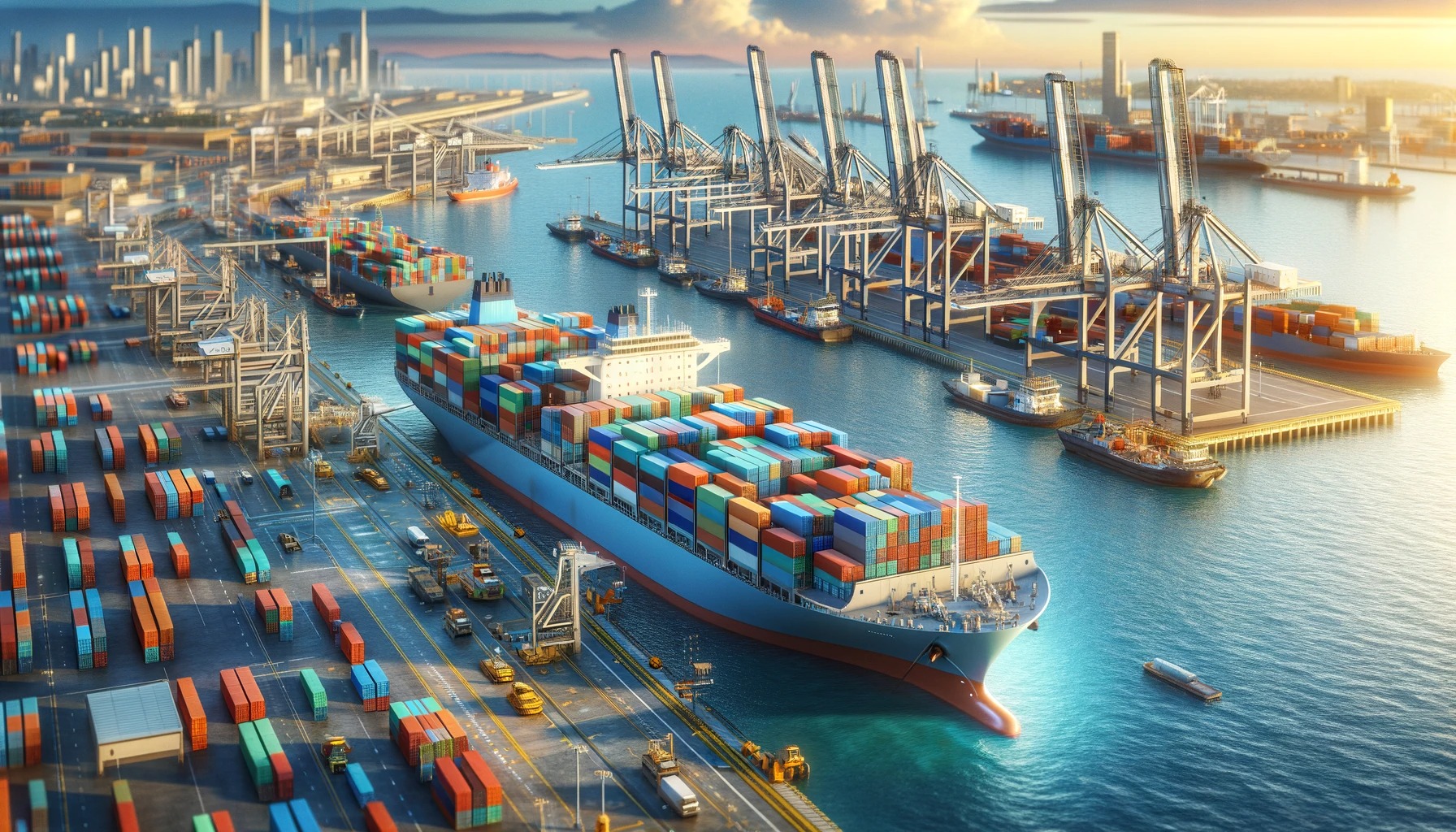
The global logistics landscape is constantly evolving, and understanding current market conditions is crucial for strategic planning. As of Q1 2025, freight rates from China to Europe have largely stabilized following the disruptions seen in 2024, particularly related to the Red Sea situation. However, geopolitical events can still introduce volatility.
Industry trends indicate a continued emphasis on supply chain resilience and visibility. Businesses are increasingly seeking logistics partners who can offer transparent tracking and proactive communication. Furthermore, sustainability is becoming a more significant factor, with companies exploring greener shipping options where feasible.
Seasonal patterns remain a predictable influence on freight rates and capacity. Rates typically increase by 15-25% during the peak season from August to October, ahead of the Western holiday shopping season. Additionally, Chinese New Year closures often lead to a surge in demand and rates in the weeks preceding the holiday. Planning around these periods can result in significant cost savings and smoother operations.
Market data suggests that while vessel capacity has improved, port congestion can still be a sporadic issue at major European hubs. Therefore, maintaining flexibility in your delivery schedules and working with experienced freight forwarders is vital. This proactive approach helps mitigate potential disruptions in your Amazon FBA or direct-to-consumer supply chains.
Conclusion: Streamlining Your 20GP FCL Shipping to France
Successfully navigating 20GP FCL shipping from China to France requires a comprehensive understanding of freight rates, transit times, customs regulations, and market dynamics. By carefully planning your shipments, choosing the right partners, and being aware of potential challenges, you can optimize your supply chain.
Indeed, selecting the appropriate shipping method, managing documentation diligently, and leveraging expert guidance are key to efficient and cost-effective imports. Ultimately, a well-executed logistics strategy ensures your goods arrive in France on time and within budget, strengthening your business operations.
Need a tailored shipping solution?
Ready to optimize your 20GP FCL shipping from China to France? Our experts are here to provide tailored solutions and competitive quotes. Do not hesitate to contact us today to discuss your specific logistics needs and ensure a smooth, efficient import process.