

Flat Rack FCL Insurance: Textiles from China to Spain
Shipping high-value textiles, especially oversized or heavy industrial fabrics, from China to Spain presents unique logistical challenges. Ensuring these goods arrive safely and undamaged requires specialized handling and comprehensive insurance coverage. This article explores the essentials of Flat Rack FCL insurance, providing crucial insights for your supply chain. For reliable shipping solutions, visit China Top Freight.

What are Flat Rack Containers and Why Use Them for Textiles?
Flat rack containers are specialized shipping units designed without side walls or a roof. Instead, they feature end walls that can be fixed or collapsible. This unique design accommodates cargo that is oversized, overheight, or overwidth, making it unsuitable for standard enclosed containers.
For textile manufacturers, this often means transporting large industrial machinery, weaving looms, or exceptionally wide rolls of specialized fabric. Such items cannot fit through the doors of a conventional container. Consequently, flat racks provide the necessary flexibility for loading and securing these irregular cargo types.
Moreover, the open structure simplifies the loading process. Cargo can be secured from the top or sides using cranes, rather than through a narrow door. This reduces handling risks and expedites port operations, which is crucial for maintaining tight delivery schedules for textile production lines.

Understanding FCL Shipping for Textiles from China to Spain
Full Container Load (FCL) shipping means your cargo occupies an entire container, whether it’s a 20-foot, 40-foot, or flat rack unit. This method is highly recommended for valuable textile shipments, especially when using flat racks. It offers several distinct advantages over sharing container space.
Firstly, FCL minimizes handling, as your goods are loaded at the origin and remain undisturbed until reaching their final destination. This significantly reduces the risk of damage, loss, or contamination, which is particularly important for delicate or high-value textiles. Furthermore, FCL shipments often experience faster transit times compared to LCL (Less than Container Load) options.
Secondly, FCL provides greater control over your shipping schedule. You are not dependent on other shippers’ cargo for container consolidation. This allows for more precise planning of your textile supply chain from China to Spain, ensuring timely delivery to meet market demands. Consider sea freight as the primary mode for these large FCL shipments.
The Critical Role of Insurance for Textile Shipments
Given the value and vulnerability of textiles, comprehensive cargo insurance is not merely an option; it is a necessity. Textile goods can be susceptible to various perils during transit, including water damage, theft, fire, and physical damage from shifting. Consequently, relying solely on carrier liability is a significant risk, as their compensation limits are often far below the actual value of your goods.
Cargo insurance protects your investment against unforeseen events. It provides financial security, ensuring that you are compensated in case of loss or damage. This peace of mind allows businesses to focus on operations rather than worrying about potential shipping disasters. Therefore, securing adequate coverage is a fundamental aspect of responsible logistics planning.
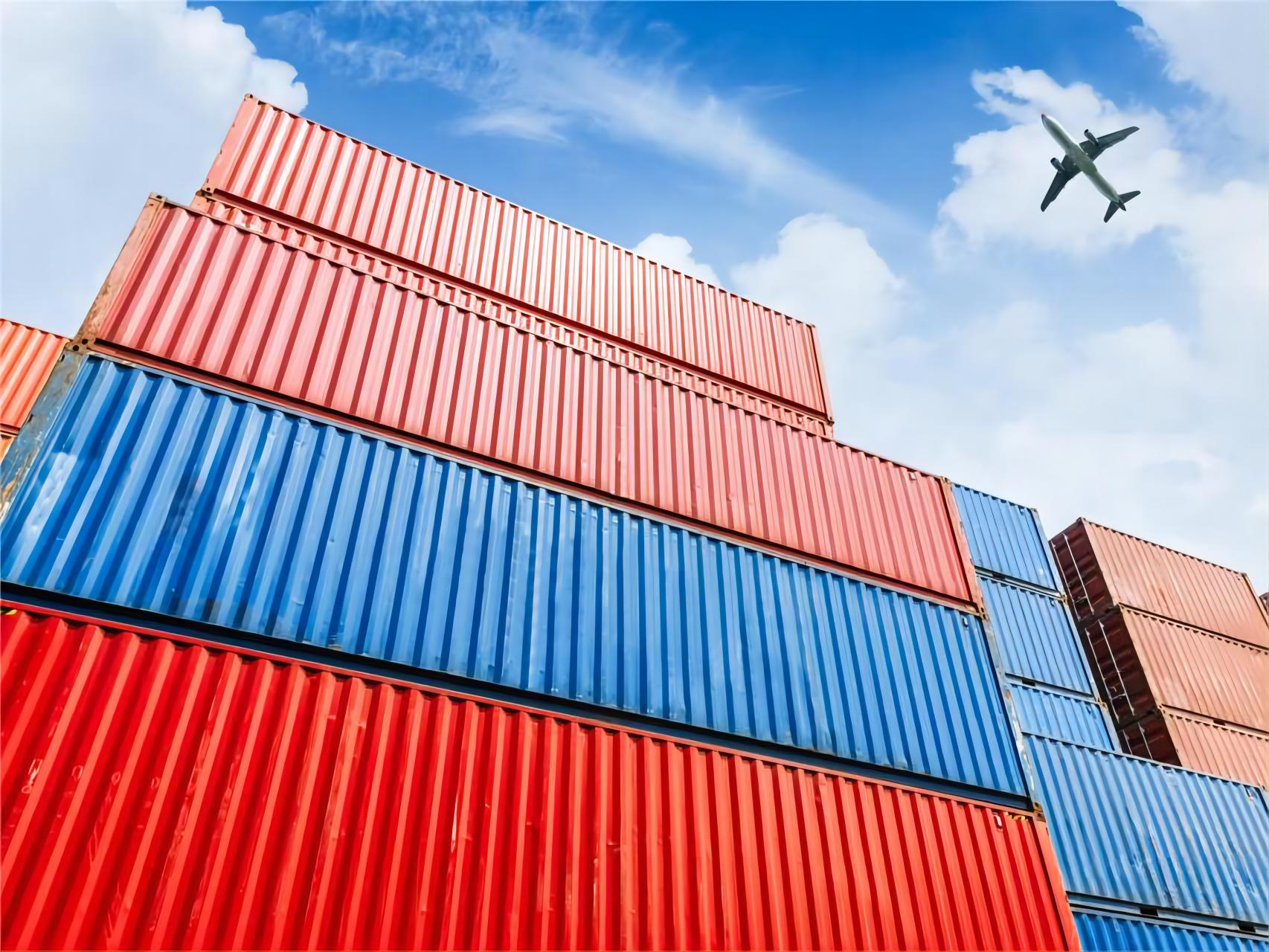
Furthermore, for flat rack shipments, the cargo is exposed to environmental elements. Even with robust lashing and tarpaulin covers, weather-related damage remains a concern. Specific insurance policies can be tailored to address these unique risks, offering specialized protection for oversized and exposed textile cargo. Learn more about protecting your goods with customs brokerage services that often integrate insurance advice.
Key Considerations for Flat Rack FCL Insurance for Textiles from China to Spain
When insuring flat rack FCL textile shipments, several factors require close attention. The type of textile, its fragility, and its market value all influence the recommended insurance policy. Additionally, the specific route from China to Spain has its own set of environmental and logistical risks that should be covered.
Firstly, consider the ‘All Risks’ marine cargo insurance policy. This is the broadest form of coverage available, protecting against most external causes of loss or damage. However, it typically excludes certain perils like war, strikes, riots, and inherent vice (defects in the goods themselves). Therefore, assessing these exclusions carefully is vital.
Secondly, ensure the declared value accurately reflects the true replacement cost, including freight and duties. Under-insuring your cargo can lead to significant financial losses if a claim arises. Over and above, specific clauses for flat rack shipments, such as coverage for proper lashing and securing, should be reviewed. This ensures that any issues arising from cargo movement are addressed.
Finally, always choose an insurer with a strong reputation and clear claims process. Prompt and fair claim settlement is essential for minimizing business disruption. Working with experienced freight forwarders, such as those specializing in door to door services, can streamline both shipping and insurance arrangements.
How Does Flat Rack FCL Compare to Other Shipping Options?
Choosing the right shipping method for textiles from China to Spain involves evaluating cost, speed, and cargo type. Flat Rack FCL is ideal for specific scenarios, but other options might be more suitable for different needs. Understanding these alternatives is crucial for optimizing your logistics strategy.
Indeed, while Flat Rack FCL excels for oversized cargo, standard FCL containers are perfect for standard-sized textile rolls or garments. LCL (Less than Container Load) is an option for smaller volumes. Furthermore, air freight provides unparalleled speed for urgent or high-value, low-volume shipments. Here is a comparison of common methods:
As of Q1 2025, freight rates from China to Europe have stabilized after the 2024 Red Sea disruptions, but remain subject to fuel surcharges and carrier capacity. These rates are indicative and can fluctuate.
| Shipping Method | Cost Range (40′ equivalent) | Transit Time (China to Spain) | Best For | Limitations |
|---|---|---|---|---|
| Flat Rack FCL Sea Freight | $3,500 – $5,500 | 30-40 days | Oversized/heavy textile machinery, wide fabric rolls | Higher specialized handling costs, limited availability |
| Standard FCL Sea Freight | $3,000 – $4,500 | 28-35 days | Large volumes of standard textile goods, garments | Not suitable for over-dimensional cargo |
| LCL Sea Freight | $50 – $100 per CBM | 35-45 days | Small to medium textile volumes (under 15 CBM) | Slower, more handling, higher risk of damage/delays |
| Air Freight | $6,000 – $12,000+ | 5-7 days | Urgent, high-value, low-volume textile samples, luxury goods | Very high cost, strict size/weight limits |

Alternative Strategies and Decision Framework
Optimizing your textile logistics often involves considering alternative strategies beyond a single shipping method. Hybrid solutions and strategic planning can significantly impact efficiency and cost-effectiveness. Consequently, evaluating trade-offs between speed, cost, and risk is paramount.
For instance, if a critical component of textile machinery needs urgent delivery, utilizing express service or air freight for that specific part while the bulk of the machinery goes via Flat Rack FCL sea freight can be a viable hybrid approach. This balances urgency with overall cost management. Moreover, for time-sensitive but non-critical components, a sea-rail combination might be explored to parts of Europe, although direct China-Spain rail options for flat racks are less common.
Another strategy involves consolidating multiple smaller flat rack loads from different suppliers into one larger shipment if possible. This can reduce per-unit costs, although it requires meticulous coordination. Furthermore, negotiating annual contracts with freight forwarders can stabilize rates, hedging against market volatility.
Which option should you choose? Your decision framework should consider these criteria:
Budget priority: For cost-efficiency with oversized cargo, Flat Rack FCL Sea Freight is the primary recommendation. Speed priority: Air freight is unmatched for urgency. Cargo type considerations: Flat racks are essential for over-dimensional items; standard containers for regular bulk. Volume thresholds: FCL is cost-effective above 15-20 CBM; LCL for smaller volumes. Always factor in transit time, potential delays, and the cost of comprehensive insurance.
Navigating Customs and Documentation for Spain Imports
Importing textiles into Spain from China involves a complex customs clearance process. Accurate and complete documentation is crucial to avoid delays, penalties, and unexpected costs. Therefore, understanding the requirements beforehand is essential for a smooth transit. Spain, as an EU member, adheres to EU customs regulations.
Key documents typically include the Commercial Invoice, Packing List, Bill of Lading (for sea freight), Certificate of Origin, and potentially a conformity certificate (e.g., CE marking for machinery). For textiles, specific import licenses or declarations may be required, depending on the material and intended use. Incorrect documentation can significantly impact your delivery schedule.
Furthermore, tariffs and duties on textiles can vary widely. Harmonized System (HS) codes must be correctly applied to ensure proper taxation. Engaging a reliable customs broker is highly advisable. They can pre-clear shipments, manage documentation, and ensure compliance with all Spanish and EU import regulations, minimizing potential issues. This expertise is invaluable for specialized flat rack FCL textile imports.
Real-World Scenarios: Flat Rack FCL Textile Shipments
Understanding how Flat Rack FCL insurance for textiles from China to Spain applies in practice is best illustrated through real-world examples. These case studies highlight the diverse challenges and solutions involved in specialized cargo logistics. Based on Q3 2024 market rates, these scenarios provide realistic insights.
Case Study 1: Large Industrial Weaving Machine
This case involved a manufacturer importing a new, oversized weaving machine. The machine’s dimensions necessitated a flat rack container due to its width and height. Comprehensive insurance was vital for this high-value asset.
| Detail | Description |
|---|---|
| Route | Shanghai, China -> Valencia, Spain |
| Cargo | Industrial Weaving Machine, 25 CBM, 8,500 kg |
| Container | 40′ Flat Rack |
| Shipping Details | Carrier: MSC, Port of Loading: Shanghai, Port of Discharge: Valencia, Route Type: Direct |
| Cost Breakdown | Ocean Freight: $4,800, Origin Charges: $750, Destination Charges: $600, Customs & Duties (estimated): $1,200, Total Landed Cost: $7,350 (excl. insurance) |
| Timeline | Booking to Loading: 7 days, Sea Transit: 32 days, Customs Clearance: 4 days, Total Door-to-Door: 43 days |
| Key Insight | Specialized lashing and comprehensive ‘All Risks’ insurance were critical. The flat rack allowed efficient loading and minimized pre-assembly damage risks. |
Case Study 2: Oversized Technical Fabric Rolls
A Spanish company needed to import extra-wide rolls of technical fabric for industrial applications. These rolls exceeded the width of standard containers, making flat racks the only viable FCL solution. Insurance covered potential water damage and physical abrasion.
| Detail | Description |
|---|---|
| Route | Ningbo, China -> Barcelona, Spain |
| Cargo | 10 Oversized Technical Fabric Rolls, 28 CBM, 12,000 kg |
| Container | 40′ Flat Rack |
| Shipping Details | Carrier: COSCO, Port of Loading: Ningbo, Port of Discharge: Barcelona, Route Type: Transshipment via Singapore |
| Cost Breakdown | Ocean Freight: $4,200, Origin Charges: $680, Destination Charges: $550, Customs & Duties (estimated): $1,500, Total Landed Cost: $6,930 (excl. insurance) |
| Timeline | Booking to Loading: 9 days, Sea Transit: 38 days, Customs Clearance: 5 days, Total Door-to-Door: 52 days |
| Key Insight | Transshipment added a few days but offered a more competitive rate. Robust packaging and insurance against environmental exposure were paramount due to the open nature of the flat rack. |
Choosing the Right Freight Partner for Your Textile Shipments
Selecting an experienced freight forwarder is paramount for successful Flat Rack FCL textile shipments from China to Spain. A proficient partner understands the intricacies of oversized cargo, international regulations, and effective risk management. They can offer tailored solutions that address your specific needs.
An ideal freight partner will guide you through container selection, optimal routing, and crucial customs procedures. Moreover, they should possess strong relationships with carriers and insurance providers, ensuring competitive rates and reliable service. This expertise minimizes potential pitfalls and ensures a smoother supply chain. China Top Freight specializes in complex logistics, providing comprehensive support for your international shipping needs across Europe.
Conclusion: Securing Your Flat Rack FCL Textile Shipments
Shipping textiles, particularly oversized items requiring Flat Rack FCL from China to Spain, demands meticulous planning and robust insurance coverage. From understanding container specifics to navigating complex customs, every detail contributes to a successful delivery. Comprehensive cargo insurance is not an afterthought; it’s a fundamental safeguard against the inherent risks of international transport.
By choosing the right container, optimizing your shipping route, and securing adequate Flat Rack FCL insurance, you can protect your investment and ensure business continuity. Partnering with an experienced freight forwarder who specializes in these complex logistics provides invaluable peace of mind. Ultimately, this strategic approach ensures your valuable textile goods arrive safely and efficiently.
Start Your Shipment
Ready to secure your Flat Rack FCL textile shipment from China to Spain? Don’t leave your valuable cargo to chance. Contact our experts today for a customized quote and comprehensive insurance solutions tailored to your unique needs. We’re here to ensure a smooth and protected delivery.
Request Quote