

Open Top FCL Freight Rate for Machinery from China to Spain
Shipping oversized or heavy machinery from China to Spain requires careful planning and specialized logistics. Understanding the nuances of Open Top FCL freight rates is crucial for efficient and cost-effective transport. This comprehensive guide from China Top Freight will demystify the process, helping you navigate the complexities of international machinery shipping.
✦
Understanding Open Top FCL for Machinery Shipments
When transporting machinery that is too tall to fit into standard containers, Open Top Full Container Load (FCL) becomes an indispensable solution. This specialized container type features a removable tarpaulin roof, allowing for vertical loading of cargo using cranes. It ensures your oversized equipment is securely transported without dismantling.
Furthermore, Open Top containers come in various sizes, typically 20-foot and 40-foot options, accommodating a wide range of machinery dimensions. They are robustly built to protect your valuable assets during the extensive journey from China to Spain, providing essential protection against elements and transit stresses.
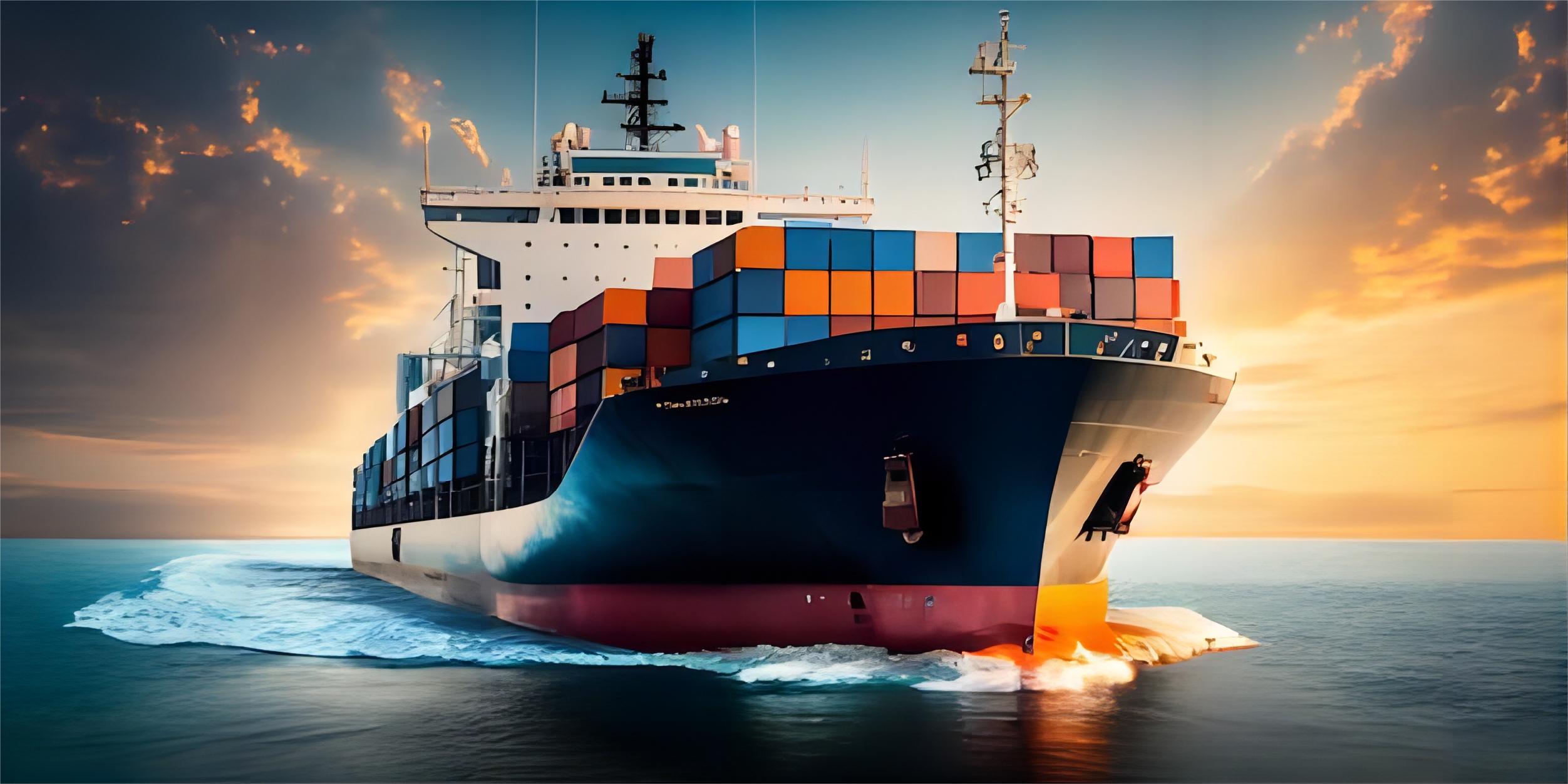
What Exactly is an Open Top FCL Container?
An Open Top FCL container is essentially a standard shipping container but without a fixed roof. Instead, it uses a waterproof tarpaulin or soft top that can be easily removed. This design is specifically engineered for cargo that exceeds the height limitations of conventional containers, such as large industrial machinery or construction equipment.
Moreover, the structural integrity of an Open Top container is maintained by strong end walls and sturdy side walls. The removable roof allows for overhead loading, which is often the only practical way to load heavy or irregularly shaped items. Once loaded, the tarpaulin is securely fastened, protecting the cargo from weather conditions.
Why Choose Open Top FCL for Your Machinery from China to Spain?
Opting for Open Top FCL is frequently the most practical choice for shipping large machinery. It eliminates the need for costly and time-consuming disassembly and reassembly of your equipment, saving both labor and potential damage risks. This method ensures your machinery arrives intact and ready for operation.
Additionally, Open Top containers offer superior cargo protection compared to break bulk shipping, which exposes goods directly to the elements. For machinery that cannot be containerized via standard doors, Open Top provides the necessary vertical access, making it ideal for many industrial applications.
Considering the significant investment in machinery, securing its transport is paramount. Open Top FCL provides a dedicated space, reducing handling and potential damage during transit from Chinese manufacturing hubs to destinations across Spain.
Key Considerations for Open Top FCL Shipping
When planning your Open Top FCL shipment, several factors demand attention. Firstly, cargo dimensions, including exact height, width, and length, are critical to select the correct container size and ensure proper lashing. Over-height cargo will require special permits and potentially higher freight rates.
Secondly, adequate cargo securing and lashing within the container are non-negotiable for safety and compliance. Professional loading services are highly recommended to prevent movement during sea transit. Thirdly, understanding destination port capabilities for handling oversized cargo is vital for a smooth offloading process in Spain.
Furthermore, preparing comprehensive documentation, including detailed packing lists and commercial invoices, is essential for customs clearance. Working with an experienced freight forwarder can streamline these complex procedures, ensuring your machinery reaches its destination without undue delays.
Factors Influencing Open Top FCL Freight Rates from China to Spain
Determining the precise Open Top FCL freight rate for machinery from China to Spain involves a multitude of dynamic factors. These rates are not static; instead, they fluctuate based on market conditions, seasonal demand, and the specific characteristics of your shipment. Consequently, understanding these influences is key to budget planning.
Moreover, the specialized nature of Open Top containers, requiring unique handling and sometimes specific vessel slots, can also impact pricing. Therefore, a detailed assessment of all variables is necessary to obtain an accurate quote for your machinery transport.
Shipping Route and Port Selection
The specific origin port in China and the destination port in Spain significantly affect the overall freight cost. Major ports like Shanghai, Ningbo, or Shenzhen typically offer more competitive rates and frequent sailings. In Spain, ports such as Valencia, Barcelona, and Algeciras are primary entry points for cargo from Asia.
Direct routes are generally faster but may incur higher costs compared to routes involving transshipment through intermediary ports. Choosing the most efficient route balancing transit time and cost is a crucial decision. Factors like port congestion and geopolitical events can also temporarily alter preferred routes and prices.
Cargo Dimensions, Weight, and Type of Machinery
The exact dimensions and weight of your machinery are paramount in calculating Open Top FCL freight rates. Over-height cargo, specifically, requires additional surcharges because it cannot be stacked like standard containers. This ‘out of gauge’ status necessitates careful planning and special equipment for handling.
Furthermore, the type of machinery itself can influence rates due to handling requirements or classification. Very heavy items might require specialized lifting gear at both origin and destination ports. Accurate measurements prevent unexpected costs and ensure suitable container allocation for your valuable assets.
Seasonal Demand and Market Fluctuations
Freight rates are highly susceptible to seasonal demand patterns and broader market fluctuations. Typically, peak shipping seasons, such as before major holidays like Chinese New Year or during the Q3/Q4 pre-holiday rush, see significant rate increases. Conversely, rates might soften during off-peak periods.
Global economic conditions, fuel prices, and carrier capacity also play a substantial role in determining current freight rates. For instance, recent supply chain disruptions have led to volatile pricing. Therefore, booking in advance and staying informed about market trends can help optimize your shipping budget.
Fuel Surcharges and Additional Fees
Beyond the basic ocean freight, several surcharges contribute to the final Open Top FCL freight rate for machinery from China to Spain. These commonly include Bunker Adjustment Factor (BAF) for fuel price fluctuations and Currency Adjustment Factor (CAF) for exchange rate changes. Moreover, terminal handling charges (THC) apply at both origin and destination ports.
Additional fees can encompass documentation charges, security surcharges, and potentially congestion surcharges if ports are experiencing delays. Understanding this detailed breakdown is essential for a comprehensive cost assessment. A reputable freight forwarder will provide a transparent quote outlining all these components.
For a seamless experience, consider a door-to-door service, which typically bundles many of these charges for greater predictability.
The China to Spain Shipping Corridor: Key Ports and Transit Times
The maritime route connecting China and Spain is one of the busiest global trade arteries. It facilitates the movement of vast quantities of goods, including heavy machinery, across continents. Consequently, understanding the key ports and typical transit times is vital for effective supply chain management.
This corridor is serviced by numerous major shipping lines, offering a range of services from direct routes to those involving transshipment. Strategic port selection can significantly impact both cost and delivery schedule for your machinery.
For comprehensive shipping solutions to Europe, Spain offers excellent connectivity.
Major Chinese Ports for Machinery Export
China boasts several world-class ports ideal for exporting heavy machinery. Shanghai, as the world’s busiest container port, offers unparalleled connectivity and frequent sailings. Ningbo-Zhoushan, another colossal port, is also a major hub, especially for manufacturing in Zhejiang province.
Shenzhen, located in the Pearl River Delta, serves as a crucial gateway for southern China’s industrial output. Other important ports include Qingdao and Tianjin, providing diverse options depending on your machinery’s manufacturing origin. Each port offers specialized equipment for handling Open Top containers.
These ports are equipped with advanced infrastructure to manage oversized cargo, ensuring efficient loading and dispatch for your Open Top FCL freight from China to Spain.
Key Spanish Ports for Machinery Import
Spain’s coastline features several major ports capable of handling large-scale machinery imports. Valencia is consistently one of the busiest Mediterranean ports, offering excellent connections to inland Spain and Southern Europe. Its modern facilities are well-suited for Open Top container discharge.
Barcelona, another significant port, serves as a gateway to Catalonia and northeastern Spain, providing robust infrastructure for heavy cargo. Algeciras, strategically located at the Strait of Gibraltar, acts as a major transshipment hub, though less common for direct machinery imports.
Bilbao, in the Basque Country, is important for industries in northern Spain. Selecting the right Spanish port depends on your final delivery location, aiming to minimize inland transportation costs and time.
Typical Transit Times for Open Top FCL to Spain
The sea transit time for Open Top FCL from China to Spain generally ranges from 30 to 40 days. This duration can vary based on the specific origin and destination ports, the shipping line chosen, and whether the service is direct or involves transshipment. Direct services are naturally faster.
Furthermore, weather conditions and potential port congestion can also impact the actual delivery schedule. Planning for contingencies is always advisable, especially for time-sensitive machinery projects. Always confirm the estimated transit time with your freight forwarder for the most current information.
For urgent components, while not ideal for full machinery, air freight can offer significantly faster, albeit more expensive, transit times for smaller parts.
| Origin Port (China) | Destination Port (Spain) | Estimated Transit Time (Days) | Notes |
|---|---|---|---|
| Shanghai | Valencia | 32-38 | Often direct service |
| Ningbo | Barcelona | 33-39 | Good connectivity |
| Shenzhen | Algeciras | 30-35 | Major hub, potential transshipment |
| Qingdao | Bilbao | 35-42 | Northern route, may involve transshipment |
How Does Open Top FCL Compare to Other Shipping Options?
Choosing the optimal shipping method for your machinery from China to Spain involves weighing various factors beyond just the Open Top FCL freight rate. Consequently, it is essential to understand how this specialized service stacks up against other available logistics solutions. Each option presents unique trade-offs in terms of cost, speed, and suitability.
Considering the nature of industrial machinery, often heavy and oversized, the selection process becomes even more critical. Therefore, a comprehensive comparison helps in making an informed decision that aligns with your budget and project timeline.
| Shipping Method | Cost Range (Ocean Freight for 40’OT/40’HQ) | Transit Time (China to Spain) | Best For | Limitations |
|---|---|---|---|---|
| Open Top FCL (Sea) | $3,500 – $5,000 | 30-40 days | Oversized, heavy machinery; cost-effective for large volumes | Slower transit, specialized handling required |
| Standard FCL (Sea) | $3,000 – $4,200 | 30-40 days | Standard-sized machinery, full container loads; most economical | Height restrictions, not suitable for over-height cargo |
| LCL (Sea) | $50 – $80 per CBM | 35-45 days | Smaller machinery, low volume; flexible for less than full container | Longer transit, more handling, potential for damage, not for over-height |
| Air Freight | $15,000 – $25,000 (estimated for comparable volume) | 5-7 days | Urgent, high-value, smaller machinery components; speed critical | Very high cost, strict weight/dimension limits, not for very large machinery |

FCL vs. LCL: When to Choose Which
For machinery shipments, the choice between Full Container Load (FCL) and Less than Container Load (LCL) depends heavily on cargo volume and dimensions. Open Top FCL is, by definition, for cargo that occupies an entire container, even if it doesn’t fill it by weight or volume, due to its height.
However, if you have smaller machinery or components that are not over-height and total less than 15-20 CBM, LCL might be a more economical option. LCL involves consolidating multiple shippers’ cargo into one container, sharing the space and cost. Conversely, FCL offers dedicated container space, reducing handling and potential damage, ideal for high-value or fragile machinery.
Ultimately, for items requiring an open top container, FCL is the only viable option. For other machinery, a detailed cost analysis for both FCL and LCL is recommended to find the most cost-effective solution.
Air Freight vs. Sea Freight for Urgent Machinery
Speed is often a critical factor for urgent machinery parts or high-value, low-volume equipment. In such cases, air freight offers significantly faster transit times, typically 5-7 days from China to Spain, compared to sea freight’s 30-40 days. However, this speed comes at a much higher cost.
For example, while Open Top FCL sea freight for a 40′ container might cost around $3,500-$5,000 for ocean freight, air freight for comparable volume (if possible) could easily reach $15,000-$25,000. Therefore, air freight is generally reserved for emergency replacements, prototypes, or components where downtime costs outweigh shipping expenses.
For most large machinery, the cost-effectiveness and capacity of sea freight, including Open Top FCL, make it the preferred method. It offers the best balance for heavy and bulky items.
Hybrid Solutions and Cost-Saving Strategies
Sometimes, a hybrid approach can optimize both cost and speed. For instance, shipping large machinery components via Open Top FCL sea freight while sending critical, smaller parts via air freight can balance overall project timelines and budget. This strategy is particularly useful for complex installations.
Cost-saving strategies include booking well in advance, especially outside peak seasons, and optimizing cargo packing to minimize wasted space and potential over-height surcharges. Consolidating multiple shipments or exploring different port combinations can also yield savings. Always request detailed quotes from multiple providers to compare competitive Open Top FCL freight rates for machinery from China to Spain.
Navigating Customs and Documentation for Machinery Imports to Spain
A critical aspect of successfully importing machinery from China to Spain via Open Top FCL is navigating the complex landscape of customs regulations and documentation. Incorrect or incomplete paperwork can lead to significant delays and unexpected costs. Therefore, meticulous preparation is absolutely essential.
Spain, as a member of the European Union, adheres to EU customs laws, which are stringent regarding imports from non-EU countries. Understanding these requirements proactively will ensure a smooth customs clearance process for your valuable machinery.
For expert guidance, consider utilizing customs brokerage services.
Essential Documents for Open Top FCL Shipments
A comprehensive set of documents is required for customs clearance. This typically includes the Commercial Invoice, which details the machinery’s value, quantity, and terms of sale. The Packing List provides a precise inventory of contents, including dimensions and weights.
Furthermore, the Bill of Lading (B/L) serves as the contract of carriage and title to the goods. You will also need a Certificate of Origin, confirming the machinery’s country of manufacture, and potentially product-specific certifications (e.g., CE marking for EU compliance). Proper Incoterms must also be clearly stated on all documents.
For machinery, technical specifications, manuals, and schematics might also be requested to verify classification and safety standards. Ensuring all these documents are accurate and complete is crucial for avoiding customs hold-ups and penalties.
The Customs Clearance Process in Spain
Upon arrival at a Spanish port, your Open Top FCL shipment will undergo customs inspection and clearance. This process involves submitting all required documentation to Spanish customs authorities for verification. They will assess duties, taxes, and ensure compliance with all import regulations.
A customs broker, often provided by your freight forwarder, plays a pivotal role here. They act as an intermediary, handling all communications with customs officials and expediting the release of your cargo. Their expertise is invaluable in correctly classifying your machinery and applying the appropriate tariffs.
Any discrepancies or missing information can trigger delays, storage fees, and even penalties. Therefore, proactive engagement with a knowledgeable partner is highly recommended to manage this intricate process efficiently.
Duties, Taxes, and Compliance for Machinery Imports
Importing machinery into Spain from China incurs various duties and taxes. Value Added Tax (VAT) is typically levied on the imported goods, calculated on the customs value plus duties. Import duties are determined by the machinery’s Harmonized System (HS) code, which classifies goods globally.
Moreover, machinery must comply with EU technical and safety standards, notably the CE marking. Non-compliance can lead to rejection of entry or requirements for costly modifications. It is the importer’s responsibility to ensure all machinery meets these stringent regulations before shipment.
Consulting with a customs expert beforehand helps in accurately estimating these costs and ensuring full compliance, preventing unforeseen expenses or regulatory issues upon arrival of your Open Top FCL freight for machinery from China to Spain.
Real-World Scenarios: Open Top FCL Freight for Machinery
To illustrate the practical application and cost considerations for shipping machinery via Open Top FCL from China to Spain, let’s examine a few realistic case studies. These examples highlight typical routes, cargo types, and associated costs, providing a clearer picture of what to expect. They demonstrate how various factors influence the final Open Top FCL freight rate for machinery from China to Spain.
These scenarios are based on typical market rates and conditions as of early 2025, offering valuable insights into current logistics trends and challenges. Remember that actual rates are dynamic and require a specific quote.
Case Study 1: Heavy Industrial Press from Shanghai to Valencia
| Detail | Description |
|---|---|
| Route | Shanghai, China -> Valencia, Spain |
| Cargo | Industrial Hydraulic Press, 25 CBM, 18,000 kg (over-height) |
| Container | 1 x 40′ Open Top FCL |
| Shipping Details | Major carrier (e.g., COSCO), Direct Service |
| Port of Loading | Shanghai |
| Port of Discharge | Valencia |
| Route Type | Direct |
| Cost Breakdown – Ocean Freight | $4,800 (includes BAF/CAF) |
| Cost Breakdown – Origin Charges | $450 (THC, Documentation, Lashing inspection) |
| Cost Breakdown – Destination Charges | $550 (THC, Port Security, Customs handling) |
| Cost Breakdown – Customs & Duties (estimated) | $1,500 (based on machinery value, approx. 5% duty + VAT) |
| Cost Breakdown – Total Landed Cost (excl. inland) | $7,300 |
| Timeline – Booking to Loading | 7 days |
| Timeline – Sea Transit | 34 days |
| Timeline – Customs Clearance | 3 days |
| Timeline – Total Port-to-Port | 44 days |
| Key Insight | Smooth direct service, but over-height required specialized lashing and handling at both ends. Q1 2025 rates were stable. |
Case Study 2: Oversized Assembly Line from Ningbo to Barcelona
| Detail | Description |
|---|---|
| Route | Ningbo, China -> Barcelona, Spain |
| Cargo | Modular Assembly Line Components, 30 CBM, 15,000 kg (several over-height pieces) |
| Container | 1 x 40′ Open Top FCL |
| Shipping Details | Major carrier (e.g., MSC), Transshipment via Singapore |
| Port of Loading | Ningbo |
| Port of Discharge | Barcelona |
| Route Type | Transshipment via Singapore |
| Cost Breakdown – Ocean Freight | $4,200 (competitive rate due to transshipment) |
| Cost Breakdown – Origin Charges | $400 (THC, Documentation) |
| Cost Breakdown – Destination Charges | $600 (THC, Port Security, Customs handling) |
| Cost Breakdown – Customs & Duties (estimated) | $2,000 (complex machinery, approx. 6% duty + VAT) |
| Cost Breakdown – Total Landed Cost (excl. inland) | $7,200 |
| Timeline – Booking to Loading | 10 days |
| Timeline – Sea Transit | 38 days (includes transshipment time) |
| Timeline – Customs Clearance | 4 days |
| Timeline – Total Port-to-Port | 52 days |
| Key Insight | Choosing transshipment reduced ocean freight cost by 10-15% but added 4 days to transit. Documentation for multiple components was complex. |
Case Study 3: Multiple Small Machinery Units from Shenzhen to Bilbao
| Detail | Description |
|---|---|
| Route | Shenzhen, China -> Bilbao, Spain |
| Cargo | 3 units of specialized manufacturing equipment, 20 CBM, 12,000 kg (one unit slightly over-height) |
| Container | 1 x 40′ Open Top FCL |
| Shipping Details | Major carrier (e.g., Maersk), Direct Service |
| Port of Loading | Shenzhen |
| Port of Discharge | Bilbao |
| Route Type | Direct |
| Cost Breakdown – Ocean Freight | $4,500 (includes BAF/CAF for Q4 peak season booking) |
| Cost Breakdown – Origin Charges | $500 (THC, Documentation, Special handling for small over-height) |
| Cost Breakdown – Destination Charges | $580 (THC, Port Security, Customs handling) |
| Cost Breakdown – Customs & Duties (estimated) | $1,800 (mixed machinery type, approx. 5.5% duty + VAT) |
| Cost Breakdown – Total Landed Cost (excl. inland) | $7,380 |
| Timeline – Booking to Loading | 8 days |
| Timeline – Sea Transit | 37 days |
| Timeline – Customs Clearance | 3 days |
| Timeline – Total Port-to-Port | 48 days |
| Key Insight | Peak season booking in Q4 2024 led to slightly higher rates. Efficient consolidation of multiple units into one Open Top FCL was crucial for cost-effectiveness. |
Choosing the Right Logistics Partner for Your Open Top FCL Shipment
Selecting an experienced and reliable logistics partner is arguably the most critical decision when shipping machinery via Open Top FCL from China to Spain. A proficient freight forwarder can significantly mitigate risks, streamline processes, and ensure timely delivery. Therefore, their expertise is invaluable.
Without a doubt, navigating the complexities of international shipping, especially for specialized cargo, requires a partner with proven capabilities. They act as your single point of contact, coordinating all aspects from origin to destination.
Expertise in Machinery Logistics
Your chosen logistics partner must possess specific expertise in handling heavy and oversized machinery. This includes knowledge of proper lashing and securing techniques for Open Top containers, understanding of port capabilities for specialized cargo, and compliance with international shipping regulations. They should also be familiar with the unique requirements of the China-Spain trade lane.
Furthermore, a specialist will anticipate potential challenges, such as seasonal port congestion or customs complexities, and provide proactive solutions. Their experience with Open Top FCL freight rate for machinery from China to Spain will be evident in their detailed planning and execution.
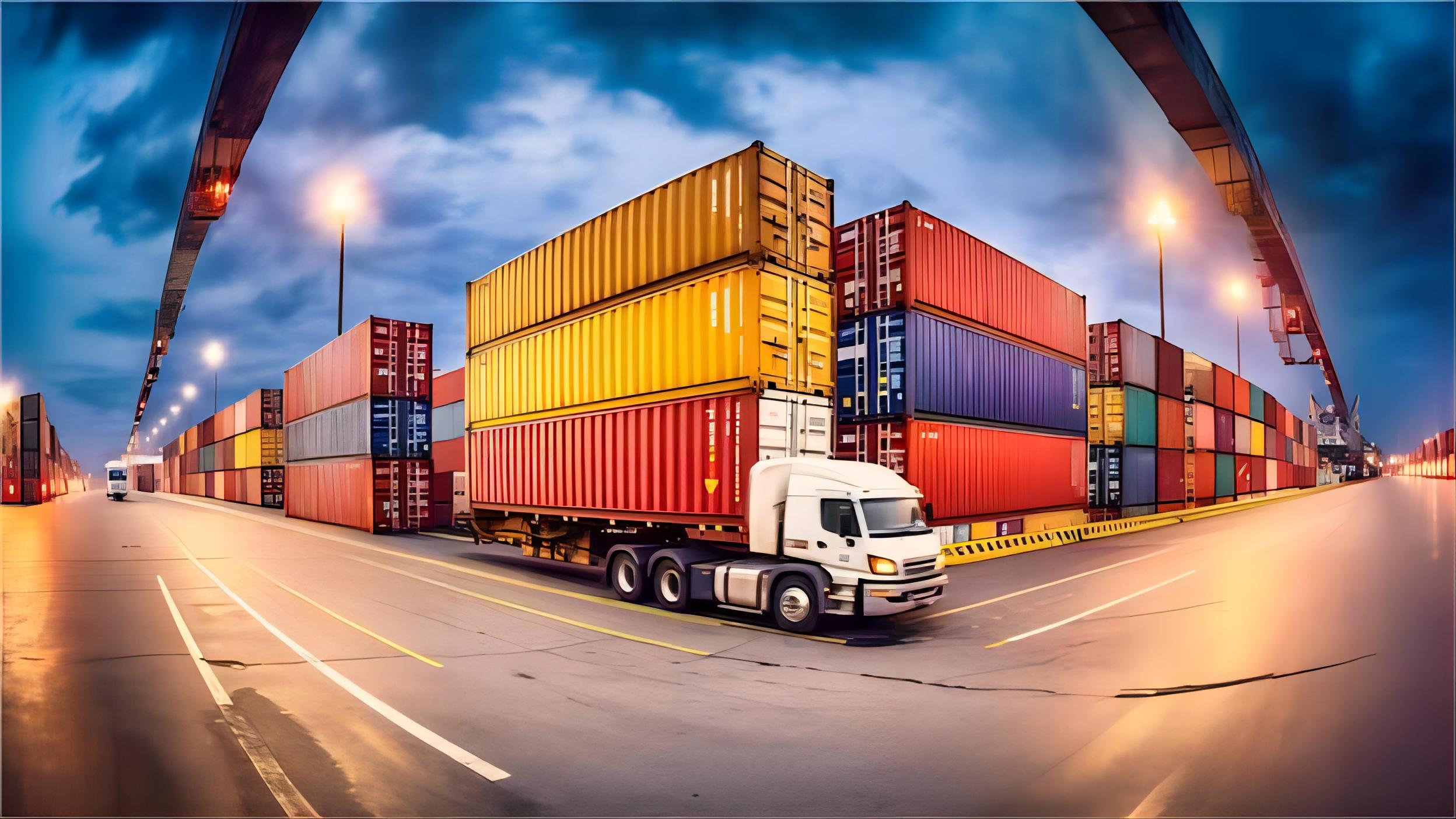
Comprehensive Service Offerings
Look for a partner who offers a full suite of services, extending beyond just ocean freight. This should include origin consolidation, warehousing if needed, customs brokerage, and destination inland transportation. A door-to-door service can simplify your entire supply chain, providing a seamless experience.
Additionally, they should offer transparent communication and tracking capabilities, keeping you informed at every stage of your shipment. This comprehensive approach minimizes the need to coordinate with multiple vendors, saving time and reducing administrative burden.
Transparency and Communication
Effective communication and transparency in pricing are hallmarks of a trustworthy logistics provider. They should provide a clear breakdown of all costs, including ocean freight, surcharges, and any potential additional fees, without hidden charges. This clarity allows for accurate budgeting and avoids unwelcome surprises.
Moreover, regular updates on your shipment’s status and prompt responses to inquiries are essential. A partner committed to transparency builds confidence and ensures a smoother shipping experience for your valuable machinery, from the initial quote to final delivery in Spain.
Market Trends and Future Outlook for China-Spain Freight Rates
The landscape of international freight rates, including the Open Top FCL freight rate for machinery from China to Spain, is continually evolving. Several global and regional factors influence these trends, making it crucial for businesses to stay informed. Understanding the market outlook helps in strategic planning and budgeting for future machinery imports.
As of Q1 2025, freight rates from China to Europe have generally stabilized after the volatility experienced in late 2023 and 2024, partly due to Red Sea disruptions. However, underlying pressures remain, and vigilance is key.
Impact of Global Events on Freight Rates
Geopolitical events, such as conflicts or trade disputes, can significantly disrupt shipping routes and impact freight rates. For instance, the ongoing situation in the Red Sea has necessitated longer routes around Africa, increasing transit times and fuel costs for many services to Europe. This directly affects the Open Top FCL freight rate for machinery from China to Spain.
Moreover, global economic growth, or slowdowns, directly influences demand for shipping services. A robust manufacturing sector in China and strong demand in Spain will naturally push rates higher due to increased competition for vessel space. Staying updated on these global dynamics is crucial.
Seasonal Rate Fluctuations and Peak Seasons
Seasonal patterns consistently influence freight rates. Rates typically increase 15-25% during the August-October peak season leading up to the holiday shopping period. Additionally, a surge in bookings often occurs before Chinese New Year, as factories close, creating a rush to ship goods beforehand.
Conversely, rates tend to soften immediately after these peak periods. Strategic planning to ship outside these high-demand windows can lead to considerable cost savings. Therefore, booking your Open Top FCL for machinery from China to Spain during off-peak times is a smart financial move.
Market data suggests that early Q2 and late Q4 (after the holiday rush) often present more favorable rates for long-haul routes.
Technology and Sustainability in Freight Forwarding
Technological advancements are continuously reshaping the freight industry. Digital platforms offer greater transparency in booking and tracking, while AI-driven analytics help optimize routes and predict rate changes. These innovations aim to enhance efficiency and potentially stabilize costs over the long term.
Furthermore, growing emphasis on sustainability is leading to the adoption of greener shipping practices. While this may introduce new surcharges (e.g., for low-sulfur fuels), it also drives innovation in more fuel-efficient vessels. Choosing forwarders committed to sustainable logistics can align with corporate responsibility goals while still managing the Open Top FCL freight rate for machinery from China to Spain effectively.
Seamless Machinery Shipping: Your Partner for China to Spain Open Top FCL
Shipping oversized or heavy machinery via Open Top FCL from China to Spain demands meticulous planning, expert execution, and a deep understanding of international logistics. From navigating complex customs procedures to optimizing transit routes, every detail impacts the final Open Top FCL freight rate for machinery from China to Spain.
By considering cargo specifics, market dynamics, and partnering with a knowledgeable freight forwarder, you can ensure a smooth, cost-effective, and timely delivery of your valuable equipment. Always prioritize transparency and expertise to safeguard your investment.
Note: Freight rates are subject to change based on fuel costs, carrier capacity, and seasonal demand. Contact us for a current quote tailored to your specific shipment.