

20GP FCL Freight Rate for Machinery: China to Germany Guide
Shipping heavy machinery from China to Germany involves navigating complex logistics and fluctuating freight rates. Understanding the ’20GP FCL freight rate for machinery from China to Germany’ is crucial for effective supply chain management. This comprehensive guide from China Top Freight will demystify the process, helping you make informed decisions for your valuable cargo. We will explore key cost drivers, transit times, and strategic considerations for your industrial equipment.

What is 20GP FCL Shipping for Machinery?
Specifically, FCL stands for Full Container Load, meaning your machinery occupies the entire container. A 20GP (20-foot General Purpose) container measures approximately 20 feet long, 8 feet wide, and 8.5 feet high, offering about 33 CBM of volume. This container size is ideal for smaller to medium-sized machinery, or for consolidating multiple pieces of equipment from a single supplier.
Choosing FCL shipping for machinery from China to Germany offers several advantages. Firstly, it provides enhanced security as your cargo is not shared with other shippers, reducing handling and potential damage. Secondly, it often results in faster transit times compared to LCL (Less than Container Load) due to fewer consolidation and deconsolidation stops. Consequently, for businesses importing industrial equipment, FCL ensures a streamlined and dedicated shipping process.
When considering the 20GP FCL freight rate for machinery from China to Germany, it is important to understand that the container’s internal dimensions are key. Your machinery must fit within these constraints, including door openings. Moreover, proper loading and securing of the cargo are paramount to prevent shifting during transit, which can incur additional costs or delays.
Key Factors Influencing 20GP FCL Freight Rates
Several dynamic factors dictate the 20GP FCL freight rate for machinery from China to Germany. Understanding these elements is crucial for accurate budgeting and strategic planning. These costs are rarely static and can fluctuate significantly based on global economic conditions and logistical demands. Therefore, continuous monitoring of market trends is advisable for importers.
Ocean Freight Base Rate
This is the primary cost for transporting your 20GP container across the ocean. It is influenced by fuel prices, carrier capacity, and demand on the specific trade lane. Routes from major Chinese ports like Shanghai or Ningbo to German ports such as Hamburg or Bremerhaven are high-volume, yet rates can still vary. Indeed, major global events or seasonal peaks can cause rates to surge unexpectedly, impacting your overall sea freight budget.
Surcharges and Fees
Beyond the base rate, numerous surcharges contribute to the total 20GP FCL freight rate for machinery. These include Bunker Adjustment Factor (BAF) for fuel, Currency Adjustment Factor (CAF) for exchange rate fluctuations, and Peak Season Surcharges (PSS). Additionally, security surcharges (ISPS) and port congestion fees can apply. These extra charges are often unavoidable and can add a significant percentage to your total shipping cost, making detailed quotes essential.
Origin and Destination Charges
At the origin (China), costs include terminal handling charges (THC), documentation fees, and potentially drayage if your machinery needs to be transported to the port. Similarly, at the destination (Germany), you will encounter THC, customs clearance fees, and potentially demurrage or detention if the container is not picked up promptly. These charges are often fixed per container but vary by port and service provider.
Customs Duties and Taxes
Importing machinery into Germany from China will incur customs duties and VAT. The duty rate depends on the specific Harmonized System (HS) code of your machinery, while VAT is typically 19% in Germany. Furthermore, proper classification of your machinery is critical to avoid delays and unexpected costs. Incorrect classification can lead to penalties or even seizure of goods, highlighting the need for expert advice.
How Does FCL Shipping Compare to Other Options?
While sea freight via 20GP FCL is often the most economical for machinery, it is essential to consider alternative shipping methods. Each option presents different trade-offs regarding cost, speed, and capacity. For example, the urgency of your shipment or the specific type of machinery might steer you towards a different logistics solution. Therefore, evaluating all viable alternatives is a crucial step in your supply chain strategy.
Comparing these methods helps in understanding when the 20GP FCL freight rate for machinery from China to Germany provides the best value. Moreover, hybrid solutions can sometimes offer a balanced approach, combining the benefits of different transport modes. Ultimately, the best choice depends on your specific business needs and priorities for each shipment.
| Shipping Method | Cost Range (20GP Equivalent) | Transit Time | Best For | Limitations |
|---|---|---|---|---|
| Sea Freight (FCL) | $1,800-2,800 | 28-35 days | Heavy, bulky, non-urgent machinery; cost-effectiveness | Slowest transit; port congestion risk |
| Air Freight | $15,000-25,000 | 5-7 days | Urgent, high-value, smaller machinery; time-critical deliveries | Highest cost; size/weight restrictions |
| Rail Freight | $6,000-9,000 | 18-22 days | Mid-urgency, mid-value machinery; landlocked destinations | Limited capacity for oversized cargo; route inflexibility |
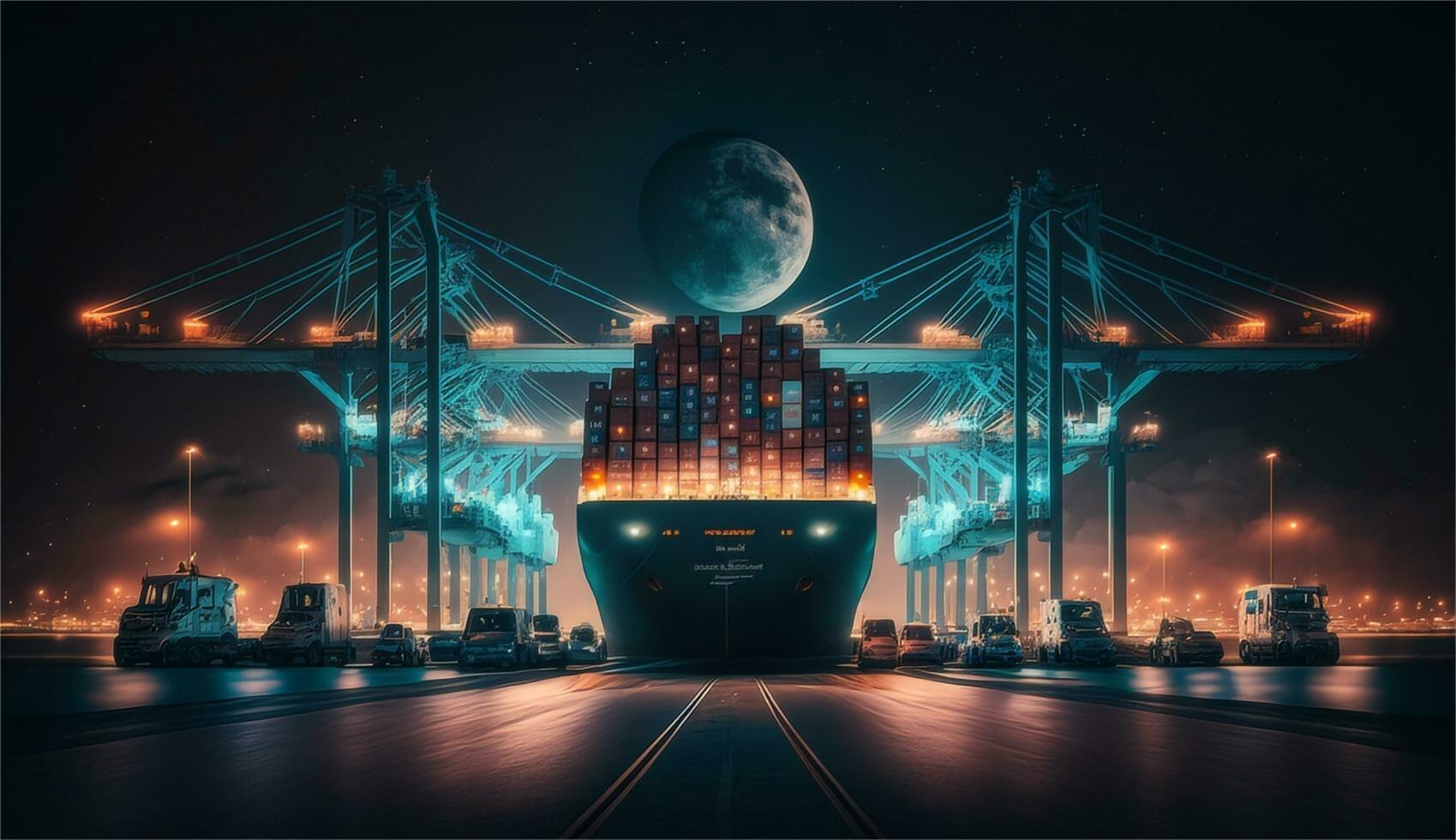
Typical 20GP FCL Freight Rate Ranges from China to Germany
As of early 2025, the 20GP FCL freight rate for machinery from China to Germany can range significantly. Based on current market rates, ocean freight for a 20GP container might fall between $1,800 and $2,800. This figure is for the ocean leg only and does not include surcharges, origin, or destination costs. For instance, a shipment from Shanghai to Hamburg would typically see rates within this bracket, influenced by factors like carrier availability and current demand.
However, it is vital to account for additional fees that can add another $1,000 to $2,000+ per container. These include THC, documentation, BAF, and PSS. Furthermore, recent global events, such as Red Sea disruptions, have introduced volatility, leading to potential rate spikes and extended transit times. Rates typically increase 15-25% during August-October peak season. Consequently, planning ahead and securing bookings early can help mitigate some of these cost fluctuations.
Market data suggests that while rates have stabilized somewhat after the peak volatility of 2024, they remain susceptible to geopolitical issues and capacity constraints. Therefore, always obtain a current, detailed quote for your specific machinery shipment. This ensures you have the most accurate and up-to-date cost information for your logistics planning.
Navigating Customs and Documentation for Machinery Imports
Successfully importing machinery into Germany requires meticulous attention to customs procedures and documentation. The clarity and accuracy of your paperwork directly impact the speed and cost of customs clearance. Without a doubt, proper preparation can prevent costly delays and penalties, which are especially critical for time-sensitive production schedules. This is where professional customs brokerage becomes invaluable.
Key documents typically include the commercial invoice, packing list, bill of lading, and certificate of origin. Additionally, machinery may require specific compliance certificates (e.g., CE marking for EU standards), technical specifications, and import licenses. The HS code for your specific machinery must be accurate to determine the correct duties and taxes. Therefore, engaging with an experienced customs broker can streamline this complex process and ensure compliance with German regulations.
| Document | Purpose | Required For |
|---|---|---|
| Commercial Invoice | Details of goods, value, seller, buyer | Customs valuation and duties |
| Packing List | Contents of each package/container | Cargo inspection and handling |
| Bill of Lading (B/L) | Contract of carriage, title to goods | Release of cargo at destination |
| Certificate of Origin | Country where goods were manufactured | Tariff preferences, trade agreements |
| CE Marking Certificate | EU conformity for health, safety, environmental protection | Machinery entering the EU market |
| Technical Specifications | Detailed product descriptions | Customs classification, regulatory compliance |
Optimizing Your Machinery Shipping Strategy
Optimizing your shipping strategy for machinery involves more than just finding the lowest 20GP FCL freight rate for machinery from China to Germany. It encompasses a holistic approach to efficiency, cost-effectiveness, and risk management. By taking proactive steps, businesses can significantly improve their import operations and reduce overall supply chain costs. Consequently, a well-thought-out strategy can provide a competitive edge.
Consider consolidating multiple smaller components into a single 20GP container to maximize space utilization. Furthermore, planning your shipments to avoid peak seasons or major holidays in China can help you secure better rates and avoid delays. Engaging a freight forwarder with strong relationships with carriers can also yield more favorable terms. Indeed, every decision, from packaging to delivery schedule, plays a role in optimization.
Choosing the Right Port
Selecting the optimal port of loading in China (e.g., Shanghai, Ningbo, Shenzhen) and port of discharge in Germany (e.g., Hamburg, Bremerhaven) can impact both cost and transit time. Proximity to your supplier in China and your final destination in Germany minimizes inland transport costs. Moreover, some ports offer better infrastructure for handling heavy or oversized machinery. Therefore, evaluating port capabilities and connectivity is a vital step.
Strategic Planning and Timing
Planning your shipments well in advance allows for better rate negotiation and avoids last-minute rush surcharges. Shipping during off-peak seasons (typically Q1 and Q2, excluding Chinese New Year) can result in lower rates and more available capacity. Additionally, understanding the full door-to-door timeline, including inland transport, customs clearance, and final delivery, is crucial for setting realistic expectations. A proactive approach to delivery schedule management is always beneficial.
Insurance and Risk Management
Given the high value of machinery, comprehensive shipping insurance is strongly recommended. This protects against loss, damage, or theft during transit. While the 20GP FCL freight rate for machinery from China to Germany covers transport, it rarely includes full cargo insurance. Furthermore, understanding Incoterms (e.g., FOB, CIF, EXW) is vital as they define the responsibilities and liabilities between buyer and seller at different stages of the journey. Mitigation of risks is paramount for valuable assets.
Real-World Scenarios: 20GP FCL Machinery Shipments
To illustrate the practical aspects of the 20GP FCL freight rate for machinery from China to Germany, let us examine a few realistic case studies. These examples highlight the various components that contribute to the total landed cost and the typical timelines involved. Based on Q3 2024 market rates, these scenarios offer insights into common challenges and successful strategies. Indeed, each shipment presents unique logistical considerations.
Case Study 1: Large CNC Machine
This case study exemplifies a typical industrial machinery import, where precision and careful handling are paramount. The client prioritized a balance between cost and reliability, opting for a major carrier with a good track record. This approach ensured the sensitive equipment arrived in optimal condition, minimizing potential downtime for their German manufacturing plant. The total landed cost provided excellent value for the specialized equipment.
| Detail | Description |
|---|---|
| Route | Shanghai, China to Hamburg, Germany |
| Cargo | CNC Machining Center, 28 CBM, 9,500 kg |
| Container | 20GP FCL |
| Carrier/Service | Major carrier (e.g., COSCO) |
| Port of Loading | Shanghai |
| Port of Discharge | Hamburg |
| Route Type | Direct |
| Ocean Freight | $2,100 |
| Origin Charges | $450 |
| Destination Charges | $600 |
| Customs & Duties (estimated) | $1,800 |
| Total Landed Cost | $4,950 |
| Booking to Loading | 5 days |
| Sea Transit | 30 days |
| Customs Clearance | 3 days |
| Total Door-to-Door | 38 days |
| Key Insight | Direct route minimized transit time, proper documentation crucial for customs. |
Case Study 2: Production Line Components
This scenario involved multiple components for a new production line, requiring careful coordination and consolidation. The client benefited from optimizing container space and a reliable booking with a consistent carrier. Despite a slight increase due to Q4 seasonality, the overall cost remained competitive, allowing for timely installation of the new line. Efficient cargo handling and strong communication with the freight forwarder were key to success.
| Detail | Description |
|---|---|
| Route | Ningbo, China to Bremerhaven, Germany |
| Cargo | Assorted Production Line Components, 30 CBM, 11,000 kg |
| Container | 20GP FCL |
| Carrier/Service | Major carrier (e.g., MSC) |
| Port of Loading | Ningbo |
| Port of Discharge | Bremerhaven |
| Route Type | Direct |
| Ocean Freight | $2,400 |
| Origin Charges | $500 |
| Destination Charges | $650 |
| Customs & Duties (estimated) | $2,100 |
| Total Landed Cost | $5,650 |
| Booking to Loading | 7 days |
| Sea Transit | 32 days |
| Customs Clearance | 4 days |
| Total Door-to-Door | 43 days |
| Key Insight | Shipment during Q4 peak season required earlier booking, but still offered good value. |
Case Study 3: Agricultural Equipment
This case involved the shipment of specialized agricultural equipment, which often has unique dimensions. The client sought a cost-effective solution without compromising on transit reliability. By choosing a carrier known for its European routes, the machinery arrived within the expected timeframe, ready for seasonal use. Understanding the specific requirements for agricultural machinery, including any fumigation certificates, was critical. This demonstrated the importance of detailed cargo information upfront.
| Detail | Description |
|---|---|
| Route | Qingdao, China to Hamburg, Germany |
| Cargo | Agricultural Sprayer, 25 CBM, 8,000 kg |
| Container | 20GP FCL |
| Carrier/Service | Major carrier (e.g., Maersk) |
| Port of Loading | Qingdao |
| Port of Discharge | Hamburg |
| Route Type | Transshipment via Singapore |
| Ocean Freight | $1,950 |
| Origin Charges | $400 |
| Destination Charges | $550 |
| Customs & Duties (estimated) | $1,700 |
| Total Landed Cost | $4,600 |
| Booking to Loading | 6 days |
| Sea Transit | 35 days |
| Customs Clearance | 3 days |
| Total Door-to-Door | 44 days |
| Key Insight | Transshipment route offered lower base freight but added a few days to transit time. |
Which Shipping Option Should You Choose? A Decision Framework
Selecting the right shipping method for your machinery from China to Germany hinges on several key considerations. A clear decision framework can help you weigh the pros and cons of each option effectively. Ultimately, the best choice aligns with your business objectives and the specific characteristics of your cargo. Therefore, a careful assessment of these factors is essential.
Consider your budget priority: If cost-effectiveness is paramount, then FCL sea freight is almost always the recommended option. Conversely, if speed is your primary concern, especially for high-value or time-sensitive components, then air freight is the clear choice. For a balance between cost and speed, particularly for landlocked destinations in Europe, rail freight offers a compelling alternative. For instance, smaller, lighter machinery might also be suitable for express service solutions.
Cargo Type Considerations
The size, weight, and fragility of your machinery heavily influence the container type and shipping method. Heavy, oversized, or non-stackable machinery is best suited for FCL containers, ensuring dedicated space and minimal handling. Delicate or high-precision equipment may benefit from specialized handling or even air freight to reduce transit vibrations. Furthermore, hazardous materials within machinery require specific compliance and handling procedures.

Volume and Frequency Thresholds
For shipments exceeding 15 CBM, FCL generally becomes more economical than LCL. If you have regular, high-volume shipments, contracting directly with a carrier or a freight forwarder for consistent FCL rates can be advantageous. However, for smaller, infrequent machinery parts, LCL or even Amazon FBA services (if applicable for parts) might be more practical. Understanding these thresholds helps in optimizing long-term logistics costs.
Conclusion
Navigating the complexities of the 20GP FCL freight rate for machinery from China to Germany requires a thorough understanding of various cost components, shipping alternatives, and strategic planning. By considering factors like ocean freight, surcharges, customs, and transit times, businesses can make informed decisions. Furthermore, leveraging the expertise of a reliable freight forwarder is crucial for a smooth and efficient shipping experience. Ultimately, a well-executed logistics strategy ensures your valuable machinery arrives safely and on schedule, optimizing your supply chain and operational efficiency.
Ready to streamline your logistics?
Ready to get a precise 20GP FCL freight rate for machinery from China to Germany? Contact our experts today for a tailored quote and seamless shipping solutions. We are here to simplify your international logistics. Send your inquiry now!
Request Quote