

How to Prevent 20GP FCL Demurrage for Auto Parts from China to New Jersey
Shipping auto parts from China to New Jersey involves complex logistics, and costly demurrage charges on 20GP FCL containers can quickly erode your profit margins. Understanding how to effectively prevent 20GP FCL demurrage for auto parts from China to New Jersey is crucial for maintaining a smooth and cost-efficient supply chain. China Top Freight offers comprehensive solutions to help you navigate these challenges and optimize your import process.

What is 20GP FCL Demurrage and Why Does It Matter for Auto Parts?
A 20GP FCL, or 20-foot General Purpose Full Container Load, is a standard shipping container often used for moderate volumes of cargo. When you book an FCL shipment, you exclusively utilize the entire container. This method is ideal for businesses importing a significant quantity of auto parts.
Demurrage, however, refers to the charges imposed by a shipping line when your container remains inside the port terminal beyond the allotted free time. These fees accumulate daily, significantly increasing your overall shipping costs.

For auto parts, where inventory management and just-in-time delivery are critical, avoiding demurrage is paramount. Consequently, neglecting demurrage prevention can lead to unforeseen expenses and disruptions in your production schedule. Furthermore, these charges can quickly negate any initial cost savings from competitive freight rates.
Why are Auto Parts Shipments Prone to Demurrage?
Several factors make auto parts shipments particularly susceptible to demurrage charges. Firstly, the sheer volume and diversity of components imported often complicate customs declarations. Each part may have unique classifications, requiring meticulous documentation.
Additionally, the automotive industry operates on tight production schedules, demanding precise delivery. Delays in unloading or customs clearance can quickly trigger demurrage. Moreover, port congestion at major hubs like Newark or Elizabeth can exacerbate these issues, creating bottlenecks.
Furthermore, unforeseen issues such as incorrect paperwork, customs inspections, or even local trucking availability can all contribute to delays. Managing these variables effectively is key to successful import/export operations and reducing port charges. Ultimately, understanding these vulnerabilities helps businesses develop robust mitigation strategies.
Key Strategies for 20GP FCL Demurrage Prevention for Auto Parts
Preventing demurrage requires a multi-faceted approach, focusing on preparation, communication, and swift execution. Implementing robust strategies throughout your supply chain from China to New Jersey can significantly reduce risks. Without a doubt, proactive measures save both time and money.
Meticulous Documentation and Pre-Clearance
Accurate and complete documentation is perhaps the most critical step. Errors in bills of lading, commercial invoices, packing lists, or customs declarations can cause significant delays. Therefore, ensure all paperwork is precise and submitted well in advance of the vessel’s arrival.
Moreover, utilizing pre-clearance procedures allows customs entries to be filed and processed before the cargo even reaches the port. This proactive approach can shave days off clearance times. A professional customs brokerage service can manage this intricate process seamlessly.
Proactive Communication and Tracking
Maintaining open lines of communication with your freight forwarder, carrier, and destination logistics providers is essential. Request regular updates on vessel status and estimated arrival times. Consequently, you can anticipate potential delays and adjust plans accordingly.
Furthermore, leveraging real-time tracking systems provides visibility into your shipment’s journey. Knowing exactly where your 20GP FCL container is allows for better coordination of drayage services. This foresight helps in booking trucks for immediate pickup upon discharge.
Optimized Delivery Schedules and Warehousing
Coordinate closely with your receiving facility in New Jersey to ensure they are ready to unload the container immediately upon arrival. Aligning your delivery schedule with their operational capacity is vital. This prevents containers from sitting idly at the terminal.
In cases where immediate pickup is challenging, consider arranging for short-term off-port warehousing. This allows the container to be moved out of the port quickly, incurring detention charges (which are typically lower than demurrage) instead of port demurrage. This strategy supports just-in-time inventory for auto parts.
The Role of Customs Clearance in Avoiding Demurrage
Efficient customs clearance is a cornerstone of demurrage prevention, particularly for shipments of auto parts to the USA. US Customs and Border Protection (CBP) requires strict adherence to regulations. Consequently, any discrepancies can lead to holds and inspections, triggering demurrage fees.
Key aspects include accurate Harmonized Tariff Schedule (HTS) classification for each auto component. Misclassification can result in fines or delays. Moreover, ensuring all required permits and licenses are in place before shipment arrival is paramount. Preparing all necessary documentation in advance streamlines the entire process.
| Document Type | Purpose | Key Details |
|---|---|---|
| Bill of Lading | Title/Contract | Carrier, shipper, consignee info |
| Commercial Invoice | Value/Sale Proof | Goods description, value, terms of sale |
| Packing List | Cargo Details | Itemized contents, weights, dimensions |
| Certificate of Origin | Country of Manufacture | Origin of goods for duties/tariffs |
| Importer Security Filing (ISF) | Security Declaration | 24 hours before loading |
| Customs Bond | Financial Guarantee | Ensures duties/fees are paid |
How Does Sea Freight Compare to Other Shipping Options for Auto Parts?
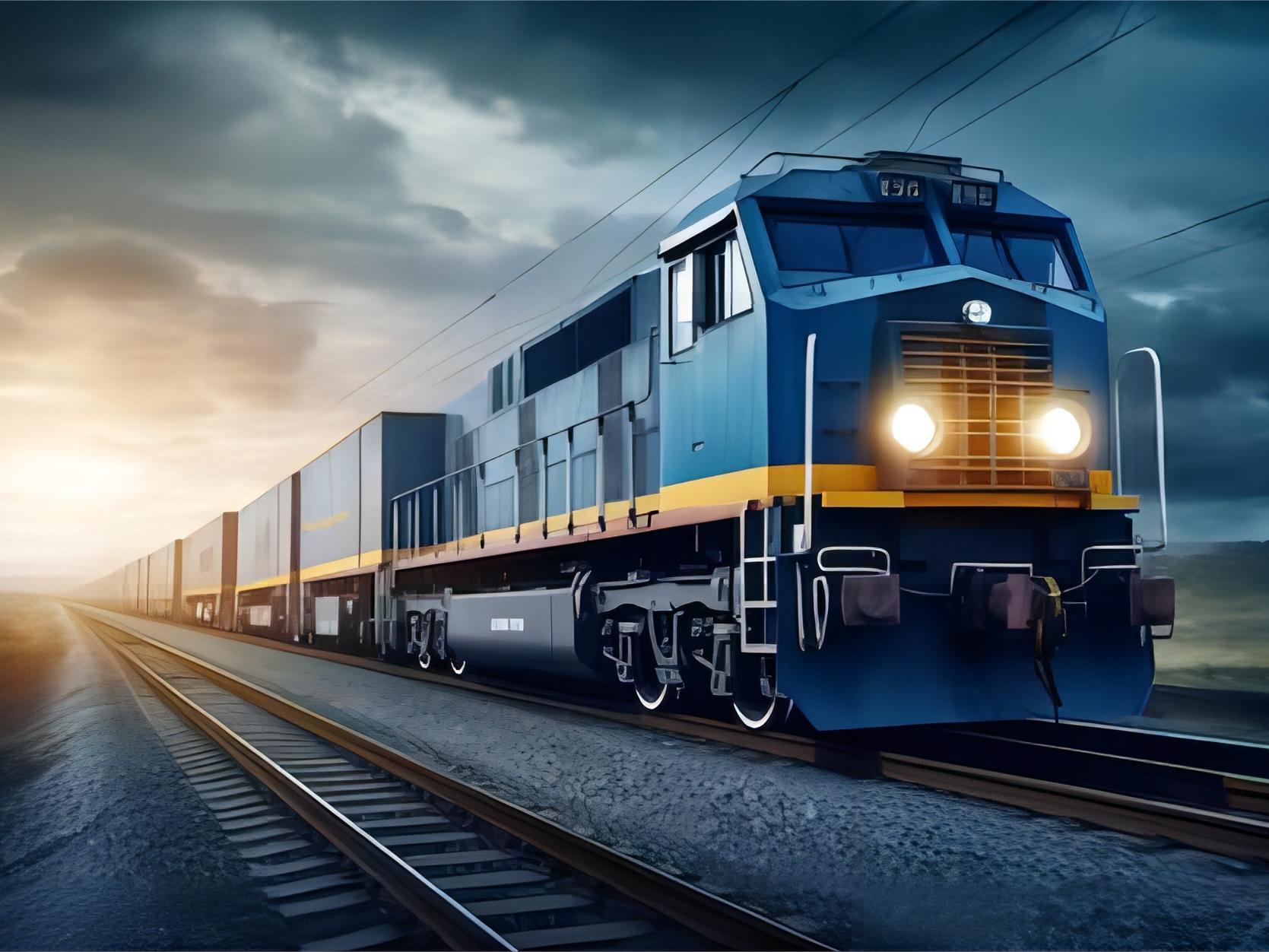
For auto parts from China to New Jersey, sea freight is the most common and cost-effective method for 20GP FCL shipments. However, understanding alternative shipping methods and their implications for demurrage is crucial. Each option presents different trade-offs in terms of speed, cost, and risk.
Air freight, for example, offers significantly faster transit times but at a much higher cost. While it virtually eliminates demurrage risk due to its speed, it is generally impractical for large, heavy auto parts volumes. Conversely, for urgent, smaller components, air freight might be a viable option.
LCL (Less than Container Load) is an alternative to FCL if your volume doesn’t fill a 20GP container. While potentially cheaper per CBM for smaller shipments, LCL can sometimes face more delays due to consolidation and deconsolidation processes, potentially increasing overall transit time and handling. Therefore, selecting the right method depends on your specific needs.
| Shipping Method | Cost Range (20GP Equiv.) | Transit Time (China-NJ) | Best For | Limitations |
|---|---|---|---|---|
| FCL Sea Freight | $2,500-$6,000 | 30-35 days | Large volumes, Cost/time efficient | Slow, demurrage risk |
| LCL Sea Freight | $800-$2,000 (per CBM) | 35-45 days | Smaller volumes, Flexible | Slower, more handling, LCL delays |
| Air Freight | $15,000-$30,000 (per ton) | 5-7 days | Urgent, High-value, Small items | Very high cost, volume limits |
| Express Service | $500-$1,500 (per 100kg) | 3-5 days | Samples, prototypes, documents | Smallest items, highest per kg cost |
Which Option Should You Choose? A Decision Framework
Deciding the optimal shipping strategy for your auto parts requires weighing various factors. Primarily, your budget, the urgency of the shipment, and the nature of the cargo will dictate the most suitable method. Consider these questions to guide your choice.
If budget is your top priority, and you have sufficient lead time, FCL sea freight is almost always the most economical choice. However, if speed is paramount for critical components or production line emergencies, then air freight or even an express service will be necessary, despite the higher shipping costs.
For cargo type considerations, large, heavy, or non-urgent auto parts are best suited for FCL. Conversely, small, light, and time-sensitive items might justify air freight. Volume thresholds also play a role; shipments under 15 CBM might be more cost-effective via LCL, while anything larger typically warrants a dedicated 20GP FCL container. Hybrid solutions, like sea-air for certain components, can offer a balance.
Real-World Cases: Preventing 20GP FCL Demurrage for Auto Parts
Examining real-world scenarios highlights the practical application of demurrage prevention strategies. These case studies illustrate common challenges and effective solutions for importing auto parts from China to New Jersey. Learning from these examples can help refine your own supply chain optimization efforts.
Case Study 1: Timely Clearance for Engine Components
This example demonstrates the effectiveness of early documentation and strong broker coordination for critical engine components.
| Detail | Description |
|---|---|
| Route | Shanghai, China -> Newark, NJ, USA |
| Cargo | Engine Blocks & Transmissions, 18 CBM, 15,000 kg |
| Container | 20GP FCL |
| Shipping Details | |
| – Carrier/Service | COSCO |
| – Port of Loading | Shanghai |
| – Port of Discharge | Port Newark |
| – Route Type | Direct |
| Cost Breakdown | |
| – Ocean Freight | $3,200 |
| – Origin Charges | $450 |
| – Destination Charges | $600 |
| – Customs & Duties (est.) | $800 |
| – Total Landed Cost | $5,050 |
| Timeline | |
| – Booking to Loading | 5 days |
| – Sea Transit | 32 days |
| – Customs Clearance | 2 days (pre-filed) |
| – Total Door-to-Door | 39 days |
| Key Insight | Pre-filing ISF and entry summary 5 days before vessel arrival ensured swift customs release, avoiding any demurrage. |
Case Study 2: Overcoming Port Congestion for Interior Parts
This case illustrates how flexibility and rapid response can mitigate delays caused by external factors, even with transshipment.
| Detail | Description |
|---|---|
| Route | Ningbo, China -> Elizabeth, NJ, USA |
| Cargo | Automotive Interior Trim, 25 CBM, 8,000 kg |
| Container | 20GP FCL |
| Shipping Details | |
| – Carrier/Service | Maersk |
| – Port of Loading | Ningbo |
| – Port of Discharge | Maher Terminals, Elizabeth |
| – Route Type | Transshipment via Busan |
| Cost Breakdown | |
| – Ocean Freight | $2,900 |
| – Origin Charges | $400 |
| – Destination Charges | $750 |
| – Customs & Duties (est.) | $700 |
| – Total Landed Cost | $4,750 |
| Timeline | |
| – Booking to Loading | 4 days |
| – Sea Transit | 38 days |
| – Customs Clearance | 3 days (due to inspection) |
| – Total Door-to-Door | 45 days |
| Key Insight | A sudden port congestion led to a 2-day delay. The client’s flexible drayage contract allowed quick rerouting to an off-port yard, converting potential demurrage to lower detention fees. |
Case Study 3: Proactive Planning for Seasonal Peak
This example highlights the importance of anticipating seasonal surges and securing resources early for consistent supply.
| Detail | Description |
|---|---|
| Route | Shenzhen, China -> Port Newark, NJ, USA |
| Cargo | Suspension Components, 28 CBM, 17,000 kg |
| Container | 20GP FCL |
| Shipping Details | |
| – Carrier/Service | Major carrier |
| – Port of Loading | Shenzhen |
| – Port of Discharge | Port Newark |
| – Route Type | Direct |
| Cost Breakdown | |
| – Ocean Freight | $3,500 |
| – Origin Charges | $500 |
| – Destination Charges | $650 |
| – Customs & Duties (est.) | $950 |
| – Total Landed Cost | $5,600 |
| Timeline | |
| – Booking to Loading | 7 days (during Q4 peak) |
| – Sea Transit | 31 days |
| – Customs Clearance | 2 days |
| – Total Door-to-Door | 40 days |
| Key Insight | Booking well in advance for peak season (Q4) ensured container and vessel space, plus pre-arranged drayage, prevented delays despite higher seasonal rates. |
Choosing the Right Logistics Partner for China-NJ Shipments
Selecting a knowledgeable and reliable freight forwarder is paramount for successful 20GP FCL demurrage prevention for auto parts from China to New Jersey. An experienced partner understands the nuances of both Chinese export and US import regulations. Indeed, their expertise can make a significant difference.
A good logistics provider offers robust services, including efficient customs brokerage, real-time tracking, and strong relationships with carriers and drayage companies. They can advise on optimal routes, manage documentation, and swiftly address any unforeseen issues. Consider a partner who also offers door to door services for seamless delivery to your New Jersey facility.
China Top Freight specializes in shipping from China, offering tailored solutions for auto parts importers. Our extensive network and proactive communication strategies are designed to minimize risks like demurrage. We ensure your valuable cargo reaches its destination efficiently and cost-effectively.

Market Insights Affecting Demurrage Prevention
Current market conditions significantly influence shipping logistics and demurrage risks. As of Q1 2025, freight rates from China to the USA East Coast have generally stabilized following the Red Sea disruptions of 2024. However, capacity remains a concern on certain routes.
Seasonal patterns also play a critical role; rates typically increase 15-25% during August-October peak season, which can also lead to port congestion and slower processing times. Proactive planning during these periods is even more crucial. Market data suggests booking well in advance can mitigate some of these challenges.
Industry average for China to USA East Coast 20GP FCL rates currently ranges from $2,500 to $3,500, with transit times around 30-35 days. Note: Freight rates are subject to change based on fuel costs, carrier capacity, and seasonal demand. Contact us for a current quote tailored to your specific shipment.
Conclusion
Effectively preventing 20GP FCL demurrage for auto parts from China to New Jersey is vital for any importer aiming for efficiency and profitability. By implementing robust strategies like meticulous documentation, proactive communication, optimized delivery schedules, and choosing the right logistics partner, you can safeguard your supply chain.
Ultimately, minimizing these charges ensures your auto parts arrive on time and within budget. Taking these proactive steps will not only save costs but also enhance the reliability of your automotive supply chain.
Need a tailored shipping solution?
Ready to optimize your auto parts supply chain and eliminate costly 20GP FCL demurrage charges? Partner with experts who understand the complexities of shipping from China to New Jersey. Contact us today for a personalized consultation and a competitive freight quote.