

40HQ FCL Transit Time for Lighting from China to Texas: A Comprehensive Guide
Navigating international freight logistics can be complex, especially when importing specialized goods like lighting. Understanding the 40HQ FCL transit time for lighting from China to Texas is crucial for managing your supply chain effectively. This guide provides comprehensive insights to help you plan your shipments with confidence and efficiency. For reliable international shipping solutions, visit China Top Freight.

Understanding 40HQ FCL Transit Time for Lighting from China to Texas
Importing lighting products from China to Texas requires a clear understanding of shipping durations. Specifically, the 40HQ FCL transit time for lighting from China to Texas is a key metric for businesses. This section breaks down what this entails and the typical timelines involved.
A 40HQ, or 40-foot High Cube container, offers significant capacity, making it ideal for bulk lighting shipments. FCL, or Full Container Load, means you have exclusive use of the container. This option often provides better security and faster transit compared to shared containers.

Therefore, choosing 40HQ FCL for your lighting imports can streamline your logistics. It ensures your products are shipped efficiently and arrive at their destination securely.
What is 40HQ FCL Shipping?
A 40HQ container measures approximately 40 feet long, 8 feet wide, and 9.5 feet high. This extra height provides greater volume compared to a standard 40GP container. Consequently, it is perfectly suited for larger quantities of lighting fixtures, which can be bulky.
Utilizing FCL means your cargo is the sole occupant of the container. This minimizes handling at various transit points. As a result, it significantly reduces the risk of damage or delays, ensuring your lighting products arrive intact.
Typical Transit Time Overview
The average 40HQ FCL transit time for lighting from China to Texas typically ranges from 30 to 45 days. This duration encompasses various stages, from port-to-port travel to customs clearance and final delivery. However, this is an average, and actual times can vary.
Factors such as vessel schedules, port congestion, and weather conditions can influence the exact delivery schedule. Moreover, the specific origin port in China and destination port in Texas also play a crucial role. Planning ahead is therefore essential.
Factors Influencing Your Delivery Schedule
Several critical elements can impact the overall transit time. Firstly, the choice of shipping line and their specific vessel routes affects travel duration. Some carriers offer faster services at a premium.
Secondly, seasonal peaks, such as Chinese New Year or holiday shopping seasons, can lead to port congestion and delays. Consequently, booking well in advance during these times is advisable. Finally, unforeseen events like extreme weather or global supply chain disruptions can also extend transit times.
Key Shipping Routes and Ports for Texas-Bound Cargo
Selecting the correct ports and routes is fundamental to optimizing your 40HQ FCL transit time for lighting from China to Texas. Strategic port choices can significantly reduce both transit duration and shipping costs. Understanding these options is vital for efficient logistics.
Indeed, the vast distances involved necessitate careful planning of the journey. Both the origin and destination ports have a major impact on the overall delivery schedule. Therefore, knowing the busiest and most efficient hubs is a significant advantage.
Primary Origin Ports in China
China boasts numerous major export ports, each with varying capacities and connections. Shanghai, Ningbo, Shenzhen, and Guangzhou are among the busiest. These ports offer frequent sailings to North America.
For example, Shanghai and Ningbo serve much of eastern China’s manufacturing, while Shenzhen and Guangzhou are key for southern regions. Therefore, selecting a port close to your supplier can minimize inland transport costs and time in China. This decision directly impacts your overall supply chain efficiency.
Major Destination Ports in Texas
Texas primarily relies on the Port of Houston for containerized cargo. It is a major hub for imports into the state and the surrounding regions. Other ports like Galveston or Corpus Christi also handle some cargo, but Houston remains dominant.
The Port of Houston offers extensive facilities for cargo handling and onward distribution. Consequently, most 40HQ FCL shipments for lighting from China destined for Texas will arrive here. Its robust infrastructure supports efficient customs clearance and inland transportation. For more on shipping to North America, explore our services.
Route Options: Direct vs. Transshipment
When shipping from China to Texas, you generally have two main route options: direct or transshipment. Direct routes involve a single vessel carrying your container from origin to destination. These are typically faster and involve less handling.
However, direct routes can sometimes be more expensive or have less frequent sailings depending on the specific port pair. Transshipment routes, on the other hand, involve transferring your container to another vessel at an intermediate port, often in Asia or Central America. While potentially cheaper, they add several days to the transit time and increase handling risks.
How Does 40HQ FCL Compare to Other Shipping Methods?
Choosing the right shipping method is crucial for managing both costs and the 40HQ FCL transit time for lighting from China to Texas. While FCL sea freight is often the go-to for bulk, other options exist. Understanding these alternatives helps in making informed decisions for your specific needs.
Indeed, each shipping method presents its own set of advantages and limitations. Therefore, a comprehensive comparison is vital. This analysis helps determine the most suitable approach for different cargo types and urgency levels.
| Shipping Method | Cost Range (40HQ equivalent) | Transit Time (China to Texas) | Best For | Limitations |
|---|---|---|---|---|
| 40HQ FCL Sea Freight | $4,500 – $6,000 | 30-45 days | Large volume, non-urgent, cost-sensitive | Longer transit times, port congestion risks |
| LCL Sea Freight | $800 – $1,500 (per 15 CBM) | 35-50 days | Small to medium volume, less urgent | Slower, more handling, higher risk of damage/delays |
| Air Freight | $25,000 – $40,000+ | 5-7 days | Urgent, high-value, small volume, samples | Very high cost, volume/weight restrictions |
Sea Freight vs. Air Freight: A Cost-Benefit Analysis
Sea freight, particularly 40HQ FCL, is the most cost-effective solution for large volumes of lighting. While the transit time is longer, the cost per unit is significantly lower. This makes it ideal for non-urgent, high-volume imports.
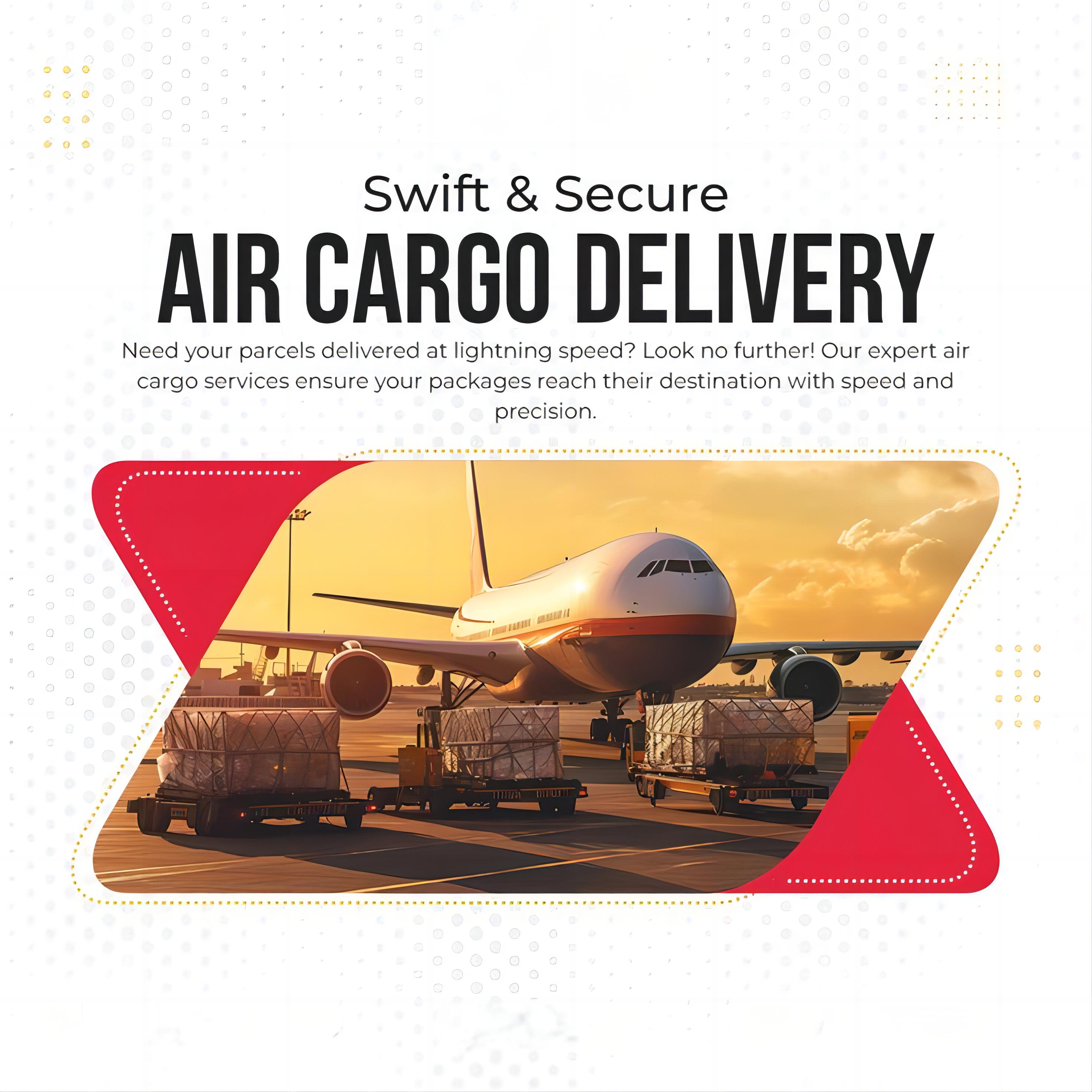
Conversely, air freight offers unparalleled speed, delivering goods in 5-7 days. However, the cost is substantially higher, often 5-10 times that of sea freight. Air freight is best reserved for urgent, high-value, or time-sensitive lighting components. For example, a 40HQ FCL might cost $4,500-6,000 via sea, whereas air freight for similar volume could exceed $25,000.
LCL vs. FCL: Choosing the Right Container Strategy
LCL (Less than Container Load) shipping involves sharing container space with other shippers. This is suitable for smaller volumes that don’t fill an entire 40HQ container. LCL offers a flexible option for smaller lighting orders.
However, LCL can have longer transit times due to consolidation and deconsolidation processes at ports. FCL, on the other hand, provides direct shipping and generally faster port-to-port transit. For shipments exceeding 15 CBM, FCL often becomes more economical and efficient than LCL.
Hybrid Solutions and Alternative Logistics Trends
For specific scenarios, hybrid solutions like sea-air combinations can offer a middle ground. Goods are shipped by sea to a transshipment hub, then flown to the final destination. This balances speed and cost, suitable for moderately urgent lighting shipments.
Other logistics trends include enhanced tracking and smart container technologies. These innovations provide greater visibility into your cargo’s journey. Furthermore, they help in predicting potential delays, allowing for proactive supply chain adjustments.
Which Option Should You Choose for Your Lighting Imports?
Your decision hinges on your priorities. If budget is the primary concern and speed is secondary, 40HQ FCL sea freight is typically the best choice. This method offers the most cost-effective solution for large volumes of lighting.
Conversely, if urgency is paramount for time-sensitive projects or high-value components, air freight is preferable. For medium-sized shipments, consider LCL. However, evaluate the cost-effectiveness against potential delays. Always weigh transit time against shipping costs.
Comprehensive Cost Breakdown for China to Texas 40HQ FCL
Understanding the total cost of your 40HQ FCL transit time for lighting from China to Texas is paramount. Freight rates are influenced by numerous factors, extending beyond just the ocean carriage. A detailed breakdown helps in budgeting and avoiding unexpected expenses.
Indeed, various charges accumulate throughout the shipping process. Therefore, considering all components from origin to destination is essential for an accurate financial projection. Being aware of these elements helps manage your shipping costs effectively.
| Cost Category | Typical Range (40HQ) | Description | Notes |
|---|---|---|---|
| Ocean Freight | $4,500 – $6,000 | Base cost for sea transport | Fluctuates with market demand and fuel |
| Origin Charges | $300 – $600 | THC, documentation, drayage | Paid in China, before departure |
| Destination Charges | $400 – $800 | THC, chassis, port fees | Paid in Texas, upon arrival |
| Customs Duties & Taxes | Variable (5-25% of value) | Import duties, MPF, HMF, Section 301 tariffs | Depends on HS code and product type |
Ocean Freight Rates and Surcharges
The base ocean freight rate covers the cost of transporting your 40HQ container across the sea. This rate fluctuates based on market demand, fuel costs, and carrier capacity. As of Q1 2025, rates from China to the US East Coast (including Texas) have stabilized but remain susceptible to global events.
Additionally, various surcharges apply. These include Bunker Adjustment Factor (BAF) for fuel, Currency Adjustment Factor (CAF), and Peak Season Surcharges (PSS). These surcharges can significantly impact the total freight rates, especially during high demand periods like August-October.
Origin and Destination Charges Explained
At the origin port in China, charges typically include Terminal Handling Charges (THC), documentation fees, and potentially drayage if your goods are moved from a factory to the port. These are standard costs for preparing your shipment for departure.
Similarly, at the destination port in Texas, you will incur THC, Chassis Usage Fees (for container transport), and potentially Port Congestion Surcharges. These destination charges cover the unloading and initial handling of your container. Understanding these helps in predicting the total landed cost.
Customs Duties, Taxes, and Import Fees
Importing lighting from China to Texas involves customs duties and taxes levied by the US Customs and Border Protection (CBP). These are calculated based on the Harmonized System (HS) code of your specific lighting products. Furthermore, anti-dumping duties or Section 301 tariffs might apply.
Moreover, a Merchandise Processing Fee (MPF) and Harbor Maintenance Fee (HMF) are standard import fees. Proper classification of your lighting products is crucial to avoid overpaying or facing penalties. Consulting with a customs broker is highly recommended for accurate duty assessment.
Market Volatility and Freight Rates
Freight rates are notoriously volatile, influenced by global economic conditions, geopolitical events, and carrier capacity. For instance, the Red Sea disruptions in late 2023 and early 2024 caused significant rate hikes and rerouting. These events directly impact the cost of shipping lighting.
Therefore, it is essential to obtain current quotes and consider market intelligence. Industry benchmarks suggest rates can fluctuate by 10-20% quarter-over-quarter. Always factor in potential changes when planning your budget. Based on current market rates, securing rates in advance can be a wise strategy.
Navigating Customs Clearance and Essential Documentation
Efficient customs clearance is a critical step in ensuring a smooth 40HQ FCL transit time for lighting from China to Texas. Proper documentation and adherence to regulations prevent costly delays and penalties. This section outlines the necessary steps and common pitfalls.
Indeed, the customs process can be intricate. Therefore, having all your paperwork in order is non-negotiable. Mistakes can lead to significant setbacks in your delivery schedule. Proactive preparation is key to success.
Critical Documents for Lighting Imports
A comprehensive set of documents is required for customs clearance. These include the Commercial Invoice, Packing List, Bill of Lading (BOL), and Certificate of Origin. The BOL serves as a contract between the shipper and carrier.
Furthermore, specific certifications for lighting products, such as UL or CE marks, may be necessary for compliance. Ensuring all documents are accurate and consistent across the board is paramount. Any discrepancies can trigger lengthy inspections and delays.
Streamlining the Customs Process
To streamline customs, consider engaging a professional customs brokerage service. Brokers possess expertise in tariff classifications, duty calculations, and regulatory compliance. They can help expedite the release of your lighting shipment.
Moreover, utilizing electronic data interchange (EDI) systems can accelerate document submission. This minimizes manual errors and speeds up processing times. Proactive communication with your broker and carrier also helps in anticipating and resolving potential issues swiftly.
Avoiding Delays and Penalties
Common causes of customs delays include incomplete or incorrect documentation, misclassification of goods, and non-compliance with import regulations. Penalties can range from fines to seizure of goods. Therefore, meticulous attention to detail is crucial.
To avoid these issues, conduct thorough due diligence on your lighting products’ HS codes and import requirements. Furthermore, ensure your supplier provides accurate product descriptions. Regular training for your import team on current regulations is also beneficial.
Real-World Case Studies: Optimizing Lighting Supply Chains to Texas
Examining real-world scenarios provides practical insights into managing the 40HQ FCL transit time for lighting from China to Texas. These case studies highlight common challenges and effective solutions. They demonstrate how strategic planning impacts delivery schedules and overall efficiency.
These examples showcase diverse situations, from large-scale projects to urgent component needs. They illustrate the complexities and successful navigation of international logistics. Consequently, learning from these experiences can greatly benefit your own import operations.
Case Study 1: Large-Scale Commercial Lighting Project
This project involved importing a substantial volume of commercial LED panels for a new office complex in Dallas. The primary goal was cost-efficiency over speed, within a reasonable timeframe.
| Detail | Description |
|---|---|
| Route | Shanghai, China -> Houston, Texas |
| Cargo | LED Office Panels, 65 CBM, 15,000 kg |
| Container | Two 40HQ FCL |
| Shipping Details | Carrier: COSCO, Port of Loading: Shanghai, Port of Discharge: Houston, Route Type: Direct |
| Cost Breakdown (per 40HQ) | Ocean Freight: $5,200, Origin Charges: $450, Destination Charges: $600, Customs & Duties (estimated): $1,800, Total Landed Cost: $8,050 |
| Timeline (per 40HQ) | Booking to Loading: 5 days, Sea Transit: 32 days, Customs Clearance: 3 days, Total Door-to-Door: 40 days |
| Key Insight | Early booking during Q3 2024 avoided peak season surcharges, maintaining budget. Proactive customs brokerage ensured swift clearance. |
Case Study 2: Specialized Retail Lighting Fixtures
A boutique retail chain in Austin needed a unique batch of decorative lighting fixtures for a new store opening. While not extremely urgent, reliability and careful handling were crucial due to the fragile nature of the cargo.
| Detail | Description |
|---|---|
| Route | Ningbo, China -> Houston, Texas |
| Cargo | Decorative Glass Fixtures, 40 CBM, 8,000 kg |
| Container | One 40HQ FCL |
| Shipping Details | Carrier: Maersk, Port of Loading: Ningbo, Port of Discharge: Houston, Route Type: Transshipment via Busan |
| Cost Breakdown (per 40HQ) | Ocean Freight: $4,800, Origin Charges: $400, Destination Charges: $550, Customs & Duties (estimated): $1,500, Total Landed Cost: $7,250 |
| Timeline (per 40HQ) | Booking to Loading: 7 days, Sea Transit: 38 days, Customs Clearance: 4 days, Total Door-to-Door: 49 days |
| Key Insight | Opted for a slightly longer transshipment route for better vessel availability and a slight cost saving, balancing transit time with budget. Enhanced packaging ensured cargo safety. |
Case Study 3: Urgent LED Component Delivery
A Texas-based manufacturer faced a production halt due to a shortage of specialized LED components. Speed was the absolute priority, necessitating a departure from standard FCL sea freight.
| Detail | Description |
|---|---|
| Route | Shenzhen, China -> Dallas/Fort Worth (DFW) Airport, Texas |
| Cargo | LED Drivers & Chips, 5 CBM, 1,200 kg |
| Container | Air Cargo (not containerized) |
| Shipping Details | Carrier: Cathay Pacific Cargo, Port of Loading: Shenzhen (SZX), Port of Discharge: DFW, Route Type: Direct Air Freight |
| Cost Breakdown | Air Freight: $18,000, Origin Charges: $300, Destination Charges: $250, Customs & Duties (estimated): $500, Total Landed Cost: $19,050 |
| Timeline | Booking to Loading: 2 days, Air Transit: 3 days, Customs Clearance: 1 day, Total Door-to-Door: 7 days |
| Key Insight | Despite the high cost, air freight was chosen due to critical urgency, preventing significant production losses. Pre-clearance arrangements expedited the process. |
Strategies for Optimizing Your Lighting Import Supply Chain
Optimizing your supply chain extends beyond merely tracking the 40HQ FCL transit time for lighting from China to Texas. It involves strategic partnerships, efficient inventory management, and robust risk mitigation. Implementing these strategies can significantly enhance your operational efficiency.
Indeed, a well-managed supply chain ensures timely deliveries and cost savings. Therefore, continuous improvement and adaptability are vital in the dynamic world of international logistics. Focusing on these areas will yield substantial benefits.
Selecting a Reliable Logistics Partner
Partnering with an experienced freight forwarder is crucial. A good partner offers not just shipping services but also expertise in customs, documentation, and local regulations. They can provide valuable insights into optimizing your shipping routes and methods.
Look for a forwarder with a strong network in both China and Texas. Furthermore, ensure they offer transparent communication and advanced tracking capabilities. A reliable partner can proactively address issues, minimizing disruptions to your supply chain. Consider our comprehensive door-to-door services for a seamless experience.
Effective Inventory and Delivery Schedule Management
Proper inventory management is key to balancing stock levels with demand, reducing the need for costly expedited shipping. Implement a ‘just-in-time’ or ‘just-in-case’ strategy based on your business model and product demand. This helps in managing shipping costs.
Develop a robust delivery schedule that accounts for potential transit time variations. Build in buffer time for unexpected delays. Utilizing forecasting tools can further refine your ordering and shipping cycles, ensuring continuous product availability without excessive inventory holding costs.
Mitigating Risks and Ensuring Cargo Handling
Identify potential risks such as port congestion, customs delays, and carrier issues. Develop contingency plans for each. For instance, having alternative routes or carriers can be invaluable during disruptions. This proactive approach ensures cargo handling remains smooth.
Additionally, invest in comprehensive cargo insurance for your lighting shipments. Although FCL reduces damage risk, unforeseen events can occur. Proper packaging and clear labeling of fragile items also contribute significantly to safe transit. This safeguards your investment against potential losses.
Conclusion: Mastering Your Lighting Imports to Texas
Effectively managing the 40HQ FCL transit time for lighting from China to Texas is paramount for successful international trade. It involves a deep understanding of shipping methods, costs, customs procedures, and strategic partnerships. By focusing on these areas, businesses can optimize their supply chain and ensure timely delivery.
Indeed, careful planning and proactive communication are crucial for navigating the complexities of global logistics. Partnering with a reliable freight forwarder, understanding market dynamics, and preparing thoroughly for customs clearance will lead to more predictable and efficient lighting imports. Take control of your logistics to achieve greater operational success.
Ready to streamline your logistics?
Ready to streamline your lighting imports from China to Texas? Get a personalized quote today and discover how we can optimize your 40HQ FCL transit time for lighting. Contact us for expert logistics solutions tailored to your business needs.
Request Quote