

40HQ FCL Freight Rate for Textiles: China to Florida
Navigating the complexities of international shipping is crucial for businesses importing goods. Understanding the 40HQ FCL freight rate for textiles from China to Florida can significantly impact your supply chain and profitability. This guide explores key factors influencing costs and transit times, helping you optimize your textile imports and ensure smooth delivery.

What is a 40HQ FCL and Why Choose It for Textiles?
A 40HQ refers to a 40-foot high cube container, offering extra vertical space compared to a standard 40-foot container. This additional height is particularly beneficial for bulky, yet relatively light, cargo like textiles.
FCL, or Full Container Load, means your goods occupy the entire container exclusively. Consequently, choosing FCL ensures dedicated space for your textile products, minimizing handling and potential damage during transit.
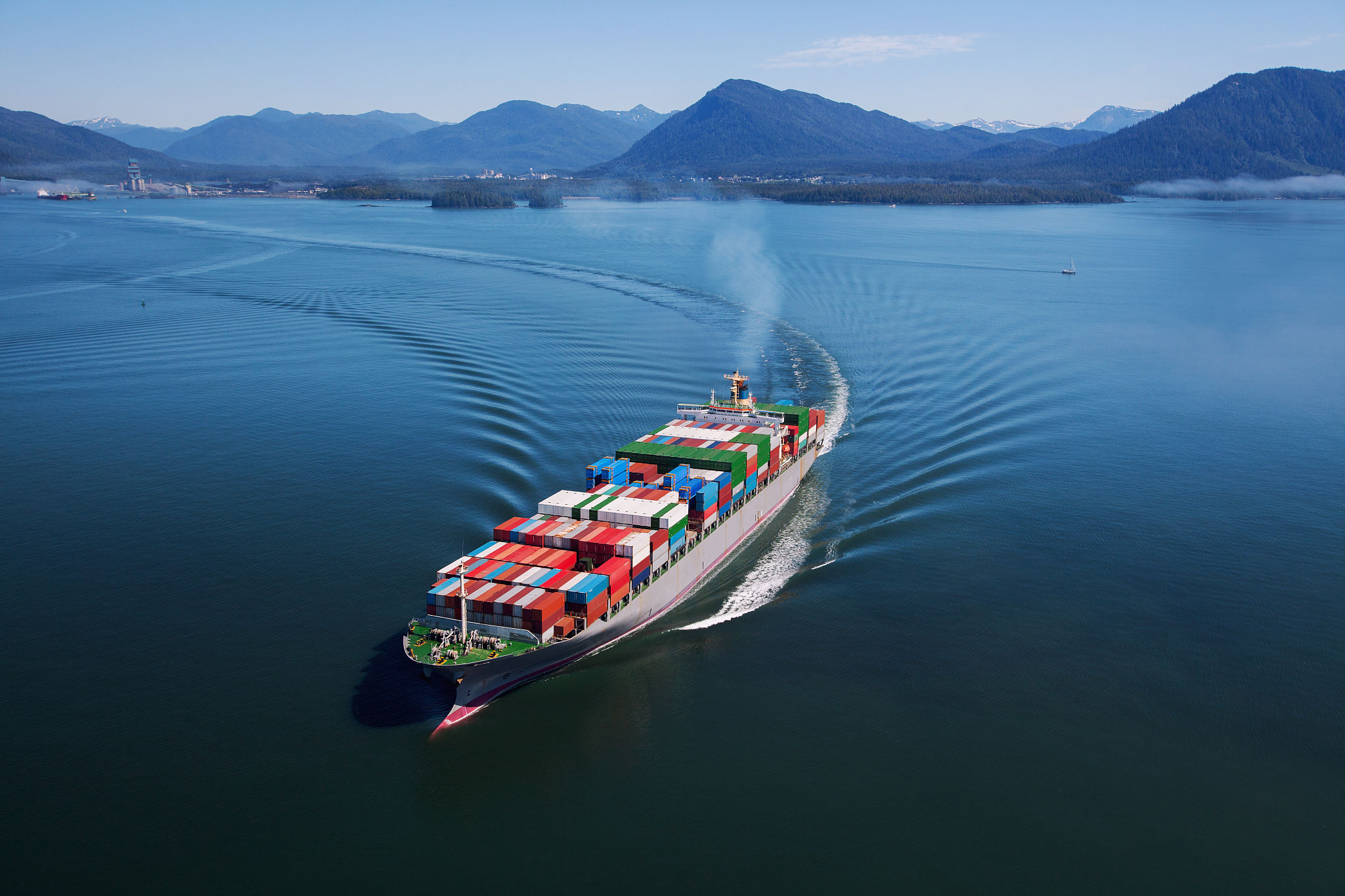
For businesses importing large volumes of textiles, FCL is often the most cost-effective solution per unit. Moreover, it provides greater security and faster transit times compared to less-than-container-load (LCL) shipments, as there are no consolidations or deconsolidations involved.
Utilizing a 40HQ FCL freight rate for textiles from China to Florida specifically addresses the needs of high-volume importers. This method optimizes space and reduces overall shipping costs for substantial textile orders, ensuring efficiency.
Key Factors Influencing 40HQ FCL Freight Rates to Florida
Several dynamic elements determine the final 40HQ FCL freight rate for textiles from China to Florida. Understanding these factors helps importers anticipate costs and budget effectively for their shipments.
Firstly, the specific origin port in China significantly impacts the rate. Major ports like Shanghai, Ningbo, and Shenzhen generally offer more competitive rates and frequent sailings due to higher cargo volumes. Inland transportation costs to these ports also play a role.
Secondly, the destination port in Florida, such as Miami, Jacksonville, or Tampa, affects the final price. Port congestion, local drayage costs, and available infrastructure can lead to variations in destination charges.
Current market conditions are another critical determinant. Factors like global trade demand, fuel prices, carrier capacity, and even geopolitical events can cause freight rates to fluctuate dramatically. For instance, peak seasons often see rates increase by 15-25%.
| Component | Description | Estimated Cost Range (USD) |
|---|---|---|
| Ocean Freight | Base cost for transporting the container by sea | $4,500 – $6,000 |
| Surcharges (BAF, PSS) | Fuel adjustments, peak season fees | $500 – $1,200 |
| Origin Charges (THC, Docs) | Terminal handling, documentation fees in China | $300 – $600 |
| Destination Charges (DDC, Chassis) | Delivery, terminal handling, chassis rental in Florida | $600 – $1,000 |
| Customs Brokerage | Fees for customs clearance services | $250 – $450 |
| Drayage (Port to Warehouse) | Trucking from Florida port to final destination | $300 – $800 |
Market Dynamics and Seasonal Variations
As of early 2025, freight rates have seen some stabilization after recent global disruptions, however, they remain volatile. Carriers adjust pricing based on supply and demand, impacting the 40HQ FCL freight rate for textiles from China to Florida directly.
Typically, rates surge during peak shipping seasons, specifically from August to October, ahead of the holiday retail rush. Additionally, events like Chinese New Year can cause temporary rate hikes and capacity shortages due to factory closures.
Bunker Adjustment Factors (BAF) and Peak Season Surcharges (PSS) are common additional charges. These surcharges are imposed by shipping lines to cover fluctuating fuel costs and increased demand, respectively.
Market data suggests that booking well in advance can help mitigate some of these price increases. Proactive planning is essential for securing favorable rates, particularly for recurring textile imports.
Understanding Transit Times for Textile Shipments to Florida
Beyond cost, transit time is a critical consideration for textile importers, especially for seasonal goods. The journey from China to Florida typically involves a substantial sea leg.
Average sea transit from major Chinese ports like Shanghai or Ningbo to Florida ports such as Miami or Jacksonville ranges from 30 to 35 days. This duration can vary based on the specific shipping line, vessel speed, and chosen route.
However, the total door-to-door transit time extends beyond just the sea voyage. It includes time for cargo consolidation, port handling at origin, customs clearance, and inland transportation to the final warehouse in Florida.
Therefore, importers should generally factor in a total lead time of 35-45 days for a 40HQ FCL textile shipment. Unexpected delays, such as port congestion, adverse weather conditions, or customs inspections, can further extend this timeline. Timely documentation is key to avoiding these delays.
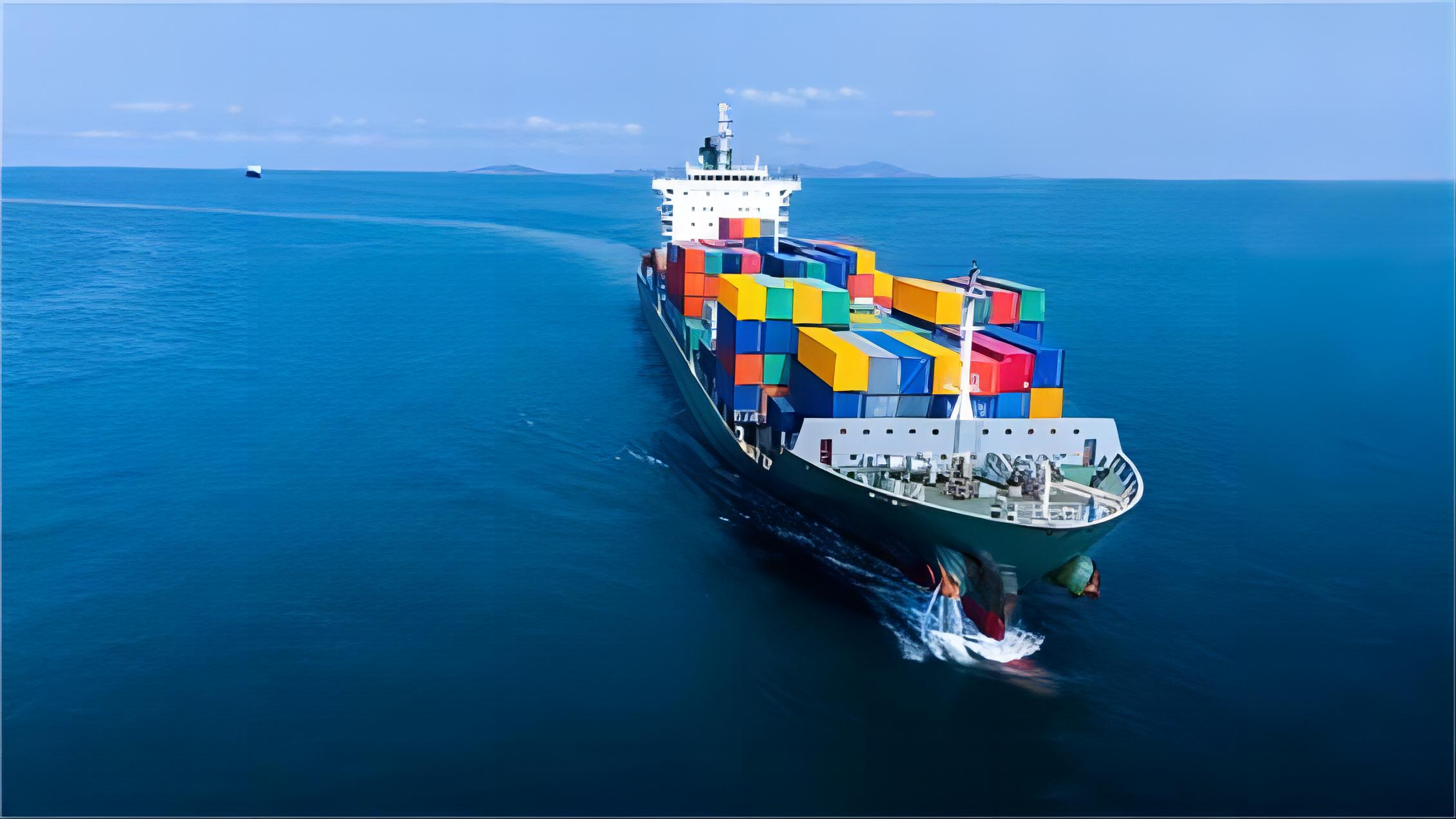
How Does 40HQ FCL Compare to Other Shipping Options?
While 40HQ FCL sea freight is highly favored for textile imports due to its cost-efficiency for large volumes, it is not the only option. Understanding alternatives helps businesses make informed decisions based on their specific needs and priorities.
Each shipping method presents a unique balance of cost, speed, and suitability for different cargo types and volumes. Evaluating these trade-offs is essential for optimizing your supply chain strategy.
For instance, urgent textile samples or high-value, time-sensitive fashion items might necessitate faster, albeit more expensive, shipping methods. Conversely, bulk raw materials or non-seasonal apparel benefit greatly from the economy of sea freight.
| Shipping Method | Cost Range (40HQ Equivalent) | Transit Time | Best For | Limitations |
|---|---|---|---|---|
| FCL Sea Freight (40HQ) | $4,500 – $6,000 | 30 – 35 days (sea) | Large volumes, cost-sensitive, non-urgent goods | Slowest transit, high minimum volume |
| LCL Sea Freight | $80 – $150/CBM | 35 – 45 days (door-to-door) | Smaller volumes (under 15 CBM), less urgent | Slower, more handling, higher CBM cost |
| Air Freight | $6 – $10/kg | 5 – 7 days (port-to-port) | Urgent, high-value, time-sensitive goods, samples | Very expensive, limited volume for textiles |
| Express Service | $8 – $15/kg | 3 – 5 days (door-to-door) | Samples, very small urgent packages | Extremely expensive, very limited volume |
Navigating Customs, Duties, and Documentation for Textile Imports
Importing textiles into Florida from China involves navigating complex customs procedures and documentation. Proper preparation is essential to avoid delays and unexpected costs.
Firstly, accurate classification of your textile products using Harmonized System (HS) codes is crucial. These codes determine the applicable duties and tariffs, which can vary significantly for different types of fabrics and apparel.
Required documents typically include a commercial invoice, packing list, bill of lading, and a customs bond. Additionally, the Importer Security Filing (ISF) must be filed at least 24 hours before the vessel departs China.
Engaging a reputable customs brokerage service is highly recommended. A professional broker ensures all documentation is correct, duties are calculated accurately, and compliance with all U.S. Customs and Border Protection (CBP) regulations is maintained. This expertise streamlines the customs clearance process.
Optimizing Your Textile Supply Chain: Tips for Cost Savings
Reducing the 40HQ FCL freight rate for textiles from China to Florida requires strategic planning and proactive measures. Importers can implement several tactics to enhance efficiency and lower overall logistics expenses.
Booking your container space well in advance is a primary cost-saving strategy. Early bookings often secure better rates and ensure capacity, especially during peak seasons when demand and prices surge.
Consolidating multiple smaller orders into a single 40HQ FCL shipment, whenever feasible, significantly reduces per-unit shipping costs. This approach maximizes container utilization, making the most of your freight investment.
Furthermore, negotiating with freight forwarders for long-term contracts can yield more stable and favorable rates. Exploring different Incoterms also allows you to control specific cost components and responsibilities within the shipping process.
Finally, optimizing your packaging to maximize container space without exceeding weight limits can prevent unnecessary additional containers. Careful planning here directly impacts your overall freight expenditure and boosts efficiency.
Real-World Scenarios: 40HQ FCL Textile Shipments to Florida
Understanding real-world applications of 40HQ FCL shipping for textiles provides valuable insights. These case studies illustrate typical costs, transit times, and challenges encountered during imports from China to Florida.
Based on Q3 2024 market rates, these examples showcase common scenarios. They highlight how various factors influence the final logistics outcome, offering a practical perspective for importers.
Case Study 1: Apparel Bulk Order for Miami Retailer
This scenario involved a large apparel importer needing to restock their Miami-based retail chain with winter clothing. The volume justified a full container, prioritizing cost-efficiency over extreme speed.
| Detail | Description |
|---|---|
| Route | Shanghai, China Miami, Florida |
| Cargo | Winter apparel (jackets, sweaters), 65 CBM, 12,000 kg |
| Container | 40HQ |
| Shipping Details | Major carrier (e.g., COSCO), Direct route |
| Port of Loading | Shanghai |
| Port of Discharge | Miami |
| Ocean Freight | $5,200 |
| Origin Charges | $450 |
| Destination Charges | $850 |
| Customs & Duties (estimated) | $1,500 (based on 10% duty rate) |
| Total Landed Cost (excl. drayage) | $8,000 |
| Booking to Loading | 5 days |
| Sea Transit | 32 days |
| Customs Clearance | 3 days |
| Total Door-to-Door (estimated) | 40 days |
| Key Insight | Booking early during non-peak season secured a competitive rate. Smooth documentation prevented customs delays. |
Case Study 2: Fabric Roll Import for Jacksonville Manufacturer
A Florida-based textile manufacturer required a continuous supply of specialized fabric rolls. Reliability and a consistent 40HQ FCL freight rate for textiles from China to Florida were paramount for their production schedule.
| Detail | Description |
|---|---|
| Route | Ningbo, China Jacksonville, Florida |
| Cargo | Polyester fabric rolls, 68 CBM, 15,000 kg |
| Container | 40HQ |
| Shipping Details | Major carrier (e.g., Maersk), Transshipment via Panama |
| Port of Loading | Ningbo |
| Port of Discharge | Jacksonville |
| Ocean Freight | $4,800 |
| Origin Charges | $400 |
| Destination Charges | $750 |
| Customs & Duties (estimated) | $1,200 (based on 8% duty rate) |
| Total Landed Cost (excl. drayage) | $7,150 |
| Booking to Loading | 7 days |
| Sea Transit | 35 days |
| Customs Clearance | 4 days |
| Total Door-to-Door (estimated) | 46 days |
| Key Insight | Choosing a transshipment route offered a slightly lower ocean freight but added a few days to transit. Consistent volume helped in rate negotiation. |
Case Study 3: Furniture Textile Components for Tampa Manufacturer
This manufacturer required a steady supply of upholstery fabrics and textile components for furniture production. The focus was on maintaining a predictable door to door supply chain.
| Detail | Description |
|---|---|
| Route | Shenzhen, China Tampa, Florida |
| Cargo | Upholstery fabrics, 62 CBM, 10,000 kg |
| Container | 40HQ |
| Shipping Details | Major carrier (e.g., MSC), Direct route |
| Port of Loading | Shenzhen |
| Port of Discharge | Tampa |
| Ocean Freight | $5,500 |
| Origin Charges | $500 |
| Destination Charges | $900 |
| Customs & Duties (estimated) | $1,000 (based on 7% duty rate) |
| Total Landed Cost (excl. drayage) | $7,900 |
| Booking to Loading | 6 days |
| Sea Transit | 33 days |
| Customs Clearance | 3 days |
| Total Door-to-Door (estimated) | 42 days |
| Key Insight | Utilizing a direct route to Tampa minimized transit time, crucial for maintaining tight production schedules. Close collaboration with the forwarder ensured timely updates. |
The Role of a Reliable Freight Forwarder in Your Textile Imports
Partnering with an experienced freight forwarder is invaluable for managing your textile imports from China to Florida. A skilled logistics partner navigates the complexities on your behalf, ensuring a smooth and efficient process.
A good forwarder offers comprehensive services, including booking vessel space, managing documentation, coordinating customs clearance, and arranging inland transportation. This integrated approach saves you time and reduces potential headaches.
Furthermore, they provide crucial market insights, helping you understand current freight trends and anticipate potential disruptions. Their expertise can significantly impact the overall sea freight cost and delivery schedule of your textile goods.
Choosing a forwarder like China Top Freight means gaining a partner dedicated to optimizing your supply chain. We ensure competitive rates and reliable service, making your textile imports to Florida seamless and stress-free.
Conclusion
In conclusion, managing the <a href=”https://chinatopfreight.com/”>40HQ FCL freight rate for textiles from China to Florida</a> requires careful planning and understanding of various factors. From market dynamics to customs regulations, each element plays a vital role in the success of your textile imports.
By optimizing your shipping strategy, leveraging current market insights, and partnering with an experienced freight forwarder, you can ensure timely and cost-effective delivery of your textile goods. Focus on efficiency and reliability for a robust supply chain that supports your business growth.
Ready to streamline your logistics?
Ready to streamline your textile imports from China to Florida? Securing a competitive 40HQ FCL freight rate for textiles is simpler with expert assistance. Contact us today for a personalized quote and let our team manage your logistics needs efficiently.
Request Quote