

Optimizing 20GP FCL Shipping Cost for Solar Panels from China to Europe
Understanding the 20GP FCL shipping cost for solar panels from China to Europe is crucial for businesses in the renewable energy sector. This comprehensive guide outlines the key factors, typical expenses, and strategic considerations involved in importing photovoltaic modules. We aim to help you navigate the complexities of international logistics and optimize your supply chain efficiently. Find expert solutions and more details at China Top Freight.

What is 20GP FCL Shipping for Solar Panels?
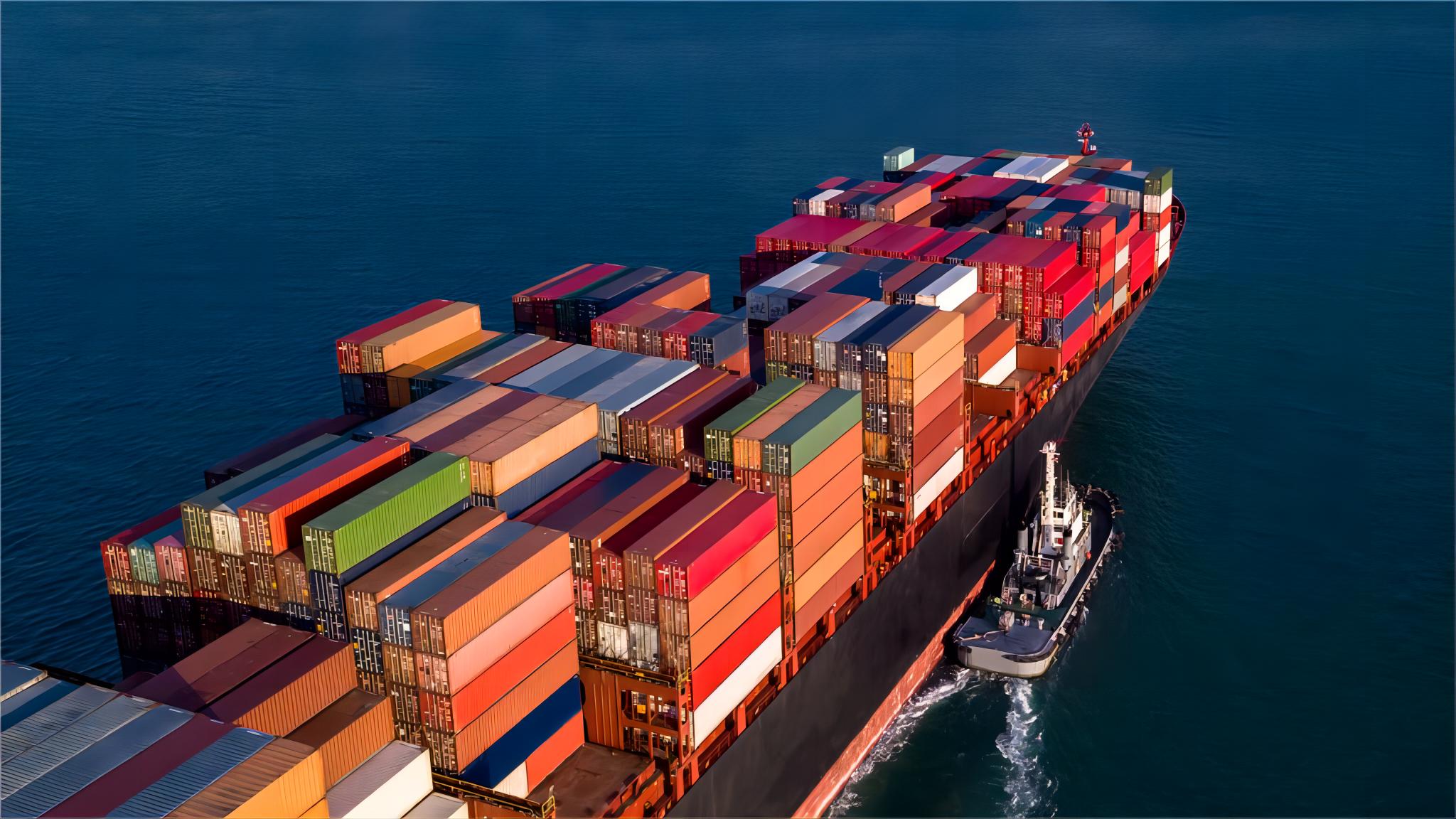
Firstly, FCL stands for Full Container Load, meaning your solar panels will occupy an entire 20-foot general purpose (20GP) container. This method is generally more cost-effective and secure for larger volumes of goods. Consequently, it is a preferred choice for bulk imports of sensitive cargo like solar panels, minimizing handling and potential damage.
A 20GP container typically measures approximately 20 feet long, 8 feet wide, and 8.5 feet high. It offers a total volume of about 33 cubic meters (CBM) and can hold up to 28,000 kg. Therefore, understanding these dimensions is vital when calculating how many solar panels you can ship, directly impacting your overall 20GP FCL shipping cost for solar panels from China to Europe.
Furthermore, choosing FCL shipping ensures that your cargo remains sealed from origin to destination, which is particularly beneficial for sensitive equipment. This dedicated space provides greater control over transit times and reduces the risk of co-loading with incompatible goods. Ultimately, this leads to a smoother and more predictable shipping experience for your valuable solar modules.
| Container Type | External Dimensions (LxWxH) | Internal Dimensions (LxWxH) | Max Gross Weight | Capacity (CBM) |
|---|---|---|---|---|
| 20GP FCL | 6.06m x 2.44m x 2.59m | 5.90m x 2.35m x 2.39m | 28,000 kg | 33 CBM |
Key Factors Influencing 20GP FCL Shipping Cost
Several critical elements collectively determine the final 20GP FCL shipping cost for solar panels from China to Europe. Understanding these factors allows importers to better budget and plan their logistics. Moreover, market volatility often plays a significant role in these fluctuating costs.
Initially, ocean freight rates represent the largest component of your shipping budget. These rates are influenced by fuel prices, carrier capacity, global demand, and specific trade lane dynamics. For instance, peak seasons often see a substantial increase in these charges, impacting your overall expenditure.
Additionally, origin charges cover local expenses at the loading port, including terminal handling charges (THC), documentation fees, and drayage to the port. Similarly, destination charges in Europe encompass THC, customs clearance fees, and delivery to your final warehouse. These costs can vary significantly by port and country.
Furthermore, customs duties and taxes are unavoidable when importing solar panels into Europe. These include import duties, Value Added Tax (VAT), and any anti-dumping duties that may apply. Engaging a professional customs brokerage service can help accurately calculate and manage these financial obligations, preventing costly delays.
Typical 20GP FCL Shipping Cost Ranges from China to Europe
As of early 2025, the 20GP FCL shipping cost for solar panels from China to Europe can fluctuate significantly. Typical rates vary based on the specific origin port in China, the destination port in Europe, and current market conditions. Consequently, a comprehensive quote is always recommended for precise figures.
Based on current market rates, a 20GP container from major Chinese ports like Shanghai or Ningbo to European hubs such as Rotterdam or Hamburg typically falls within the ranges shown below. Please note, these figures are estimates and exclude customs duties and local delivery from the port of discharge. For detailed shipping from China to Europe, always confirm current rates.
Note: Freight rates are subject to change based on fuel costs, carrier capacity, and seasonal demand. Geopolitical events, such as Red Sea disruptions, also heavily influence these rates. Contact us for a current quote tailored to your specific shipment.
| Route (China to Europe) | 20GP FCL Ocean Freight (USD) | Origin Charges (USD) | Destination Charges (USD) | Estimated Transit Time (Days) |
|---|---|---|---|---|
| Shanghai to Rotterdam | $1,900 – $2,600 | $300 – $500 | $400 – $700 | 30-35 |
| Ningbo to Hamburg | $1,850 – $2,550 | $300 – $500 | $450 – $750 | 32-37 |
| Shenzhen to Felixstowe | $2,000 – $2,700 | $350 – $550 | $500 – $800 | 33-38 |
How Does 20GP FCL Compare to Other Shipping Options?
While 20GP FCL sea freight is often the most economical choice for solar panels, it is not the only option. Businesses frequently consider alternatives based on urgency, cargo volume, and budget. Therefore, comparing different methods is essential for making informed decisions.
For instance, if your shipment is smaller than a full container load, Less than Container Load (LCL) might be considered. However, LCL typically involves more handling and longer transit times due to consolidation processes. Conversely, for urgent deliveries, air freight offers speed but at a significantly higher cost.
Moreover, hybrid solutions or alternative routes like rail freight can provide a balance between cost and speed for specific European destinations. Each method presents unique trade-offs in terms of shipping costs, transit time, and cargo handling. Carefully evaluating these aspects is paramount.
| Shipping Method | Cost Range (per 20GP equivalent) | Transit Time (China to Europe) | Best For | Limitations |
|---|---|---|---|---|
| Sea Freight (FCL) | $2,500 – $4,500 | 30-40 days | Large volumes, cost-efficiency | Long transit times, port congestion |
| Sea Freight (LCL) | $3,000 – $5,500 (equivalent) | 35-50 days | Small volumes (<15 CBM) | Higher per-unit cost, more handling |
| Rail Freight | $6,000 – $10,000 | 15-20 days | Medium urgency, landlocked regions | Limited routes, capacity constraints |
| Air Freight | $15,000 – $25,000 | 5-7 days | Urgent, high-value, low-volume | Very high cost, environmental impact |
Sea Freight (LCL)
LCL involves sharing container space with other shippers. While it can be cost-effective for smaller volumes (under 15 CBM), the per-unit cost might be higher than FCL due to additional consolidation and deconsolidation fees. Furthermore, transit times are often longer and less predictable than FCL shipments.
Air Freight
Opting for air freight drastically reduces transit time, delivering solar panels in 5-7 days compared to 30-40 days by sea. However, this speed comes at a premium, with costs typically 5-10 times higher than sea freight. Air freight is best suited for high-value, low-volume, or extremely urgent shipments, where the time savings outweigh the increased expense.
Rail Freight
Rail freight from China to Europe offers a middle ground, combining reasonable transit times (15-20 days) with costs lower than air freight but often higher than sea freight. It is an excellent option for landlocked European destinations or when a faster-than-sea but cheaper-than-air solution is required. China Top Freight also offers rail freight services for such routes.
Optimizing Your Shipping Strategy for Solar Panels
Achieving the best 20GP FCL shipping cost for solar panels from China to Europe involves strategic planning and attention to detail. Consequently, a well-thought-out approach can lead to significant savings and improved supply chain efficiency. Consider these strategies to optimize your imports.
Proactive planning is paramount to avoid rush charges and secure better rates. Booking your container well in advance, especially outside of peak seasons, can lead to substantial cost reductions. Furthermore, understanding the optimal loading capacity of a 20GP container for your specific solar panel models ensures you maximize space utilization and minimize per-unit freight costs.
Consolidating Shipments
If you source solar panels from multiple suppliers in China, consider consolidating your cargo at a single warehouse before shipping. This approach allows you to fill a 20GP container more efficiently, reducing the need for multiple smaller LCL shipments. Ultimately, this strategy directly lowers your overall logistics expenses and simplifies tracking.
Choosing the Right Incoterms
Selecting appropriate Incoterms (International Commercial Terms) like FOB (Free On Board) or EXW (Ex Works) can significantly impact who is responsible for which costs and risks. For example, FOB gives you more control over carrier selection and negotiation of the ocean freight rate. Therefore, understanding these terms is vital for managing your total landed cost.
Seasonal Planning and Market Monitoring
Freight rates are highly susceptible to seasonal demand fluctuations and global logistics trends. Shipping during off-peak seasons (typically January-July, excluding Chinese New Year) can often yield lower rates. Conversely, rates generally increase by 15-25% during the August-October peak season. Monitoring market conditions is key to securing favorable pricing for your solar panel imports.
Partnering with a Reliable Freight Forwarder
Collaborating with an experienced freight forwarder is perhaps the most effective way to optimize your 20GP FCL shipping cost for solar panels from China to Europe. A reputable partner like China Top Freight can leverage their network, negotiate better rates, and manage complex customs procedures. They can offer seamless door-to-door service, handling everything from origin to your final destination.
Real-World Case Studies: 20GP FCL Solar Panel Shipments
Examining real-world examples helps illustrate the practical aspects of managing 20GP FCL shipping cost for solar panels from China to Europe. These case studies highlight typical challenges and successful strategies. They provide tangible insights into transit times, costs, and key considerations for importing photovoltaic modules.
Each scenario demonstrates the importance of detailed planning and professional execution. Furthermore, these examples are based on Q3 2024 market rates, providing a realistic snapshot of current logistics operations. Understanding these instances can better prepare you for your own import ventures.
Case Study 1: Standard Shipment to Germany
This case involved a German solar installer importing a standard batch of solar panels for a new project. The primary goal was cost-efficiency with reliable transit time. Based on Q3 2024 market rates, the shipment proceeded as follows.
| Detail | Description |
|---|---|
| Route | Shanghai, China -> Hamburg, Germany |
| Cargo | 500 pcs Monocrystalline Solar Panels, 25 CBM, 12,500 kg |
| Container | 20GP FCL |
| Shipping Details | Carrier: COSCO, Port of Loading: Shanghai, Port of Discharge: Hamburg, Route Type: Direct |
| Cost Breakdown | Ocean Freight: $2,100, Origin Charges: $450, Destination Charges: $600, Customs & Duties (estimated): $1,800, Total Landed Cost: $4,950 |
| Timeline | Booking to Loading: 5 days, Sea Transit: 32 days, Customs Clearance: 3 days, Total Door-to-Door: 40 days |
| Key Insight | Direct route minimized transit time; efficient customs documentation prevented delays. Cost remained competitive due to off-peak booking. |
Case Study 2: Bulk Order to the UK
A larger UK distributor required a substantial volume of solar panels to replenish stock, prioritizing a balance between cost and consistent delivery. This shipment, executed during a period of stable freight rates, showcases a typical bulk import operation.
| Detail | Description |
|---|---|
| Route | Ningbo, China -> Felixstowe, UK |
| Cargo | 550 pcs Polycrystalline Solar Panels, 28 CBM, 13,750 kg |
| Container | 20GP FCL |
| Shipping Details | Carrier: MSC, Port of Loading: Ningbo, Port of Discharge: Felixstowe, Route Type: Transshipment via Singapore |
| Cost Breakdown | Ocean Freight: $2,050, Origin Charges: $480, Destination Charges: $720, Customs & Duties (estimated): $2,100, Total Landed Cost: $5,350 |
| Timeline | Booking to Loading: 7 days, Sea Transit: 38 days, Customs Clearance: 4 days, Total Door-to-Door: 49 days |
| Key Insight | Choosing a transshipment route offered slightly lower ocean freight but added a few days to transit. Proactive communication with the forwarder was crucial for managing the extended timeline. |
Case Study 3: Urgent Project to France
For a time-sensitive project, a French company needed solar panels delivered within a tighter schedule than usual. While still using FCL for cost-effectiveness, careful carrier selection was made. This demonstrates how even FCL can be optimized for relative speed within its constraints.
| Detail | Description |
|---|---|
| Route | Qingdao, China -> Le Havre, France |
| Cargo | 480 pcs Thin-film Solar Panels, 22 CBM, 11,000 kg |
| Container | 20GP FCL |
| Shipping Details | Carrier: CMA CGM, Port of Loading: Qingdao, Port of Discharge: Le Havre, Route Type: Direct (premium service) |
| Cost Breakdown | Ocean Freight: $2,350, Origin Charges: $500, Destination Charges: $650, Customs & Duties (estimated): $1,750, Total Landed Cost: $5,250 |
| Timeline | Booking to Loading: 4 days, Sea Transit: 30 days, Customs Clearance: 3 days, Total Door-to-Door: 38 days |
| Key Insight | Selecting a carrier with a faster direct service, albeit at a slightly higher ocean freight rate, shaved valuable days off the total transit time for a critical project. This proves that speed and cost can be balanced within FCL options. |
Navigating Customs and Documentation for Solar Panels
Properly handling customs and documentation is paramount to ensuring a smooth import process for your solar panels. Inaccurate or incomplete paperwork can lead to significant delays and additional costs. Therefore, understanding the requirements for importing into Europe is essential.
European customs regulations are stringent, especially for renewable energy components. You must be prepared with all necessary certificates and declarations to avoid complications. Furthermore, duties and VAT will be assessed based on the declared value and specific product classifications. Engaging a seasoned freight forwarder can streamline this complex process.
Essential Documents
Key documents required include the Commercial Invoice, Packing List, Bill of Lading (B/L), Certificate of Origin, and any necessary product certificates (e.g., CE marking, IEC standards). Providing accurate and consistent information across all documents is crucial. Any discrepancies can trigger customs inspections or delays, impacting your delivery schedule.
Customs Clearance Process
Upon arrival at the European port, your shipment will undergo customs clearance. This involves verifying documentation, assessing duties and taxes, and potentially physical inspection. Consequently, having a local customs broker or a freight forwarder with strong local expertise is invaluable. They can expedite the process and resolve any issues promptly, ensuring your 20GP FCL shipping cost for solar panels from China to Europe remains predictable.

Which Option Should You Choose for Your Solar Panel Imports?
Deciding on the best shipping method involves weighing various factors against your business priorities. Your choice will directly impact the overall 20GP FCL shipping cost for solar panels from China to Europe and your project timelines. Consider these criteria when making your selection.
Ultimately, the optimal shipping strategy aligns with your specific operational needs and financial constraints. A flexible approach, perhaps combining different methods for various shipments, can also yield significant benefits. Always evaluate your current situation before committing to a plan.
Budget Priority
If minimizing costs is your primary concern, 20GP FCL sea freight is almost always the most economical choice. It offers the lowest per-unit cost for large volumes of solar panels. However, be prepared for longer transit times and potential port delays.
Speed Priority
For urgent projects where time is of the essence, air freight is the fastest option, albeit the most expensive. If a few extra days are acceptable, rail freight provides a good balance of speed and cost, significantly faster than sea freight.
Cargo Type and Volume
20GP FCL is ideal for large, robust shipments of solar panels that can fill an entire container. For smaller quantities or fragile components, LCL might be considered, though it often comes with higher risks and costs for solar panels. Always ensure proper packaging for all methods.
Conclusion: Mastering Your Solar Panel Imports to Europe
Effectively managing the 20GP FCL shipping cost for solar panels from China to Europe requires a deep understanding of market dynamics, shipping options, and regulatory frameworks. By carefully considering factors like ocean freight rates, origin/destination charges, customs duties, and transit times, businesses can make informed decisions. Partnering with a knowledgeable freight forwarder is crucial for navigating these complexities and securing competitive rates.
Ultimately, a strategic approach to logistics ensures not only cost efficiency but also reliable and timely delivery of your valuable solar panels. Continuous market monitoring and flexible planning are key to adapting to evolving global supply chain conditions. Thus, staying informed and proactive will safeguard your investment and support your renewable energy projects.

Get Your Shipping Quote Today
Ready to optimize your 20GP FCL shipping cost for solar panels from China to Europe? China Top Freight offers tailored logistics solutions designed for efficiency and reliability. Contact us today for a personalized quote and let our experts streamline your solar panel imports.
Request Quote