

40GP FCL Insurance for Textiles from China to New Jersey
Importing textiles from China to New Jersey involves significant investment and potential risks. Securing your valuable cargo with appropriate insurance is therefore paramount. This article explores the critical aspects of 40GP FCL insurance for textiles, ensuring your shipments arrive safely and your business remains protected. For comprehensive logistics solutions, consider China Top Freight for your shipping needs.

Why is 40GP FCL Insurance Crucial for Textile Shipments to New Jersey?
Transporting textiles across continents presents numerous challenges. Without adequate protection, your business faces substantial financial losses from unforeseen events during transit. Indeed, a single incident can severely disrupt your supply chain and profitability.
Furthermore, textiles are particularly susceptible to damage from moisture, contamination, or improper handling. Therefore, robust textile cargo protection is not merely an option; it is an essential component of import risk management. This safeguards your investment from origin to final destination.
Understanding 40GP FCL Shipping for Textiles to New Jersey
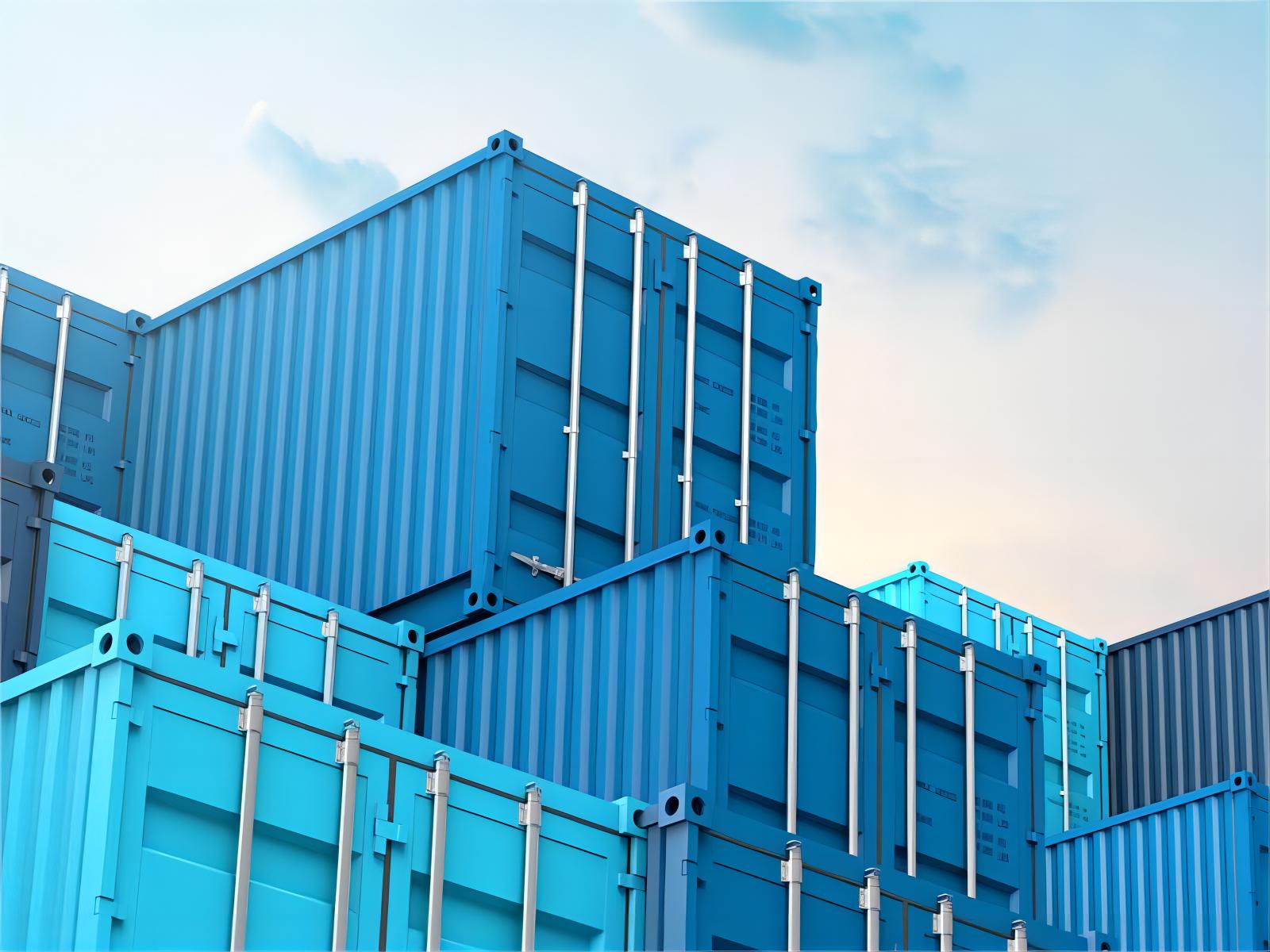
A 40GP FCL, or 40-foot General Purpose Full Container Load, is a standard shipping container offering substantial volume. It is ideal for large quantities of textiles, providing dedicated space for your goods. Consequently, this minimizes handling and reduces the risk of co-mingling with other cargo.

Moreover, the journey from China to New Jersey typically involves trans-Pacific sea freight. This route is cost-effective for bulk shipments, though transit times are longer. Therefore, understanding the nuances of China to New Jersey shipping routes is vital for effective textile import logistics.
What Does Comprehensive Textile Cargo Insurance Cover?
Cargo insurance policies for textiles typically offer various levels of coverage. The most common include “All-Risk,” which provides the broadest protection against physical loss or damage from external causes. However, it is crucial to review specific exclusions carefully.
Conversely, more limited options like “Free From Particular Average” (FPA) or “With Average” (WA) cover specific perils. For instance, FPA usually covers total loss of cargo, while WA includes partial losses due to specific listed events. Understanding these types of cargo insurance is essential for adequate textile damage claims processing.
How to Calculate Insurance Costs for Your 40GP FCL Shipment
Calculating textile insurance rates depends on several key factors. These primarily include the declared value of your cargo, the specific route from China to New Jersey, and the chosen level of coverage. Generally, policies are quoted as a percentage of the total commercial invoice value plus freight costs.
For example, if your cargo value declaration is $100,000 and the rate is 0.25%, the premium would be $250. Additionally, some insurers add a minimum premium fee. Thus, obtaining a detailed quote ensures you understand the full cost of shipping insurance for your specific 40GP FCL textile consignment.
| Factor | Description | Impact on Cost |
|---|---|---|
| Cargo Value | Commercial invoice value of goods | Higher value means higher premium |
| Route & Destination | China to New Jersey | Longer routes or high-risk areas may increase rates |
| Coverage Type | All-Risk, FPA, WA | All-Risk is most comprehensive, thus often more expensive |
| Cargo Type | Fragile vs. Durable textiles | Delicate items may incur higher rates due to risk |
Navigating Customs and Compliance for Textiles in New Jersey
Importing textiles into the United States, especially through New Jersey ports, requires strict adherence to customs regulations. Importers must accurately declare goods, pay applicable import duties on apparel and fabrics, and ensure proper labeling. Indeed, non-compliance can lead to significant delays and penalties.
Furthermore, specific US textile import regulations apply, including quotas and textile product identification requirements. Utilizing a professional customs brokerage service is highly recommended. This ensures smooth customs clearance New Jersey and prevents costly errors in your 40GP FCL insurance for textiles from China to New Jersey process.
Real-World Scenarios: Insuring 40GP FCL Textile Shipments to New Jersey
To illustrate the practical application of cargo insurance, consider these real-world examples. Each scenario highlights the importance of tailored coverage for different textile imports. These case studies underscore the financial protection that robust insurance provides against various shipping risks.
Case Study 1: High-Value Fashion Apparel from Shanghai
This scenario involved a premium fashion brand importing seasonal collections. The high value of the goods necessitated comprehensive “All-Risk” coverage. Despite meticulous packing, a minor port incident caused slight water damage to a few cartons, which was fully covered.
| Category | Detail |
|---|---|
| Route | Shanghai, China to Newark, NJ, USA |
| Cargo | Fashion Apparel, 60 CBM, 8,000 kg |
| Container | 40GP FCL |
| Shipping Details – Carrier | Maersk |
| Shipping Details – Port of Loading | Shanghai |
| Shipping Details – Port of Discharge | Port of NY/NJ |
| Shipping Details – Route Type | Direct |
| Cost Breakdown – Ocean Freight | $4,950 |
| Cost Breakdown – Origin Charges | $580 |
| Cost Breakdown – Destination Charges | $720 |
| Cost Breakdown – Customs & Duties (est) | $1,800 |
| Cost Breakdown – Total Landed Cost | $8,050 |
| Timeline – Booking to Loading | 6 days |
| Timeline – Sea Transit | 33 days |
| Timeline – Customs Clearance | 4 days |
| Timeline – Total Door-to-Door | 43 days |
| Key Insight | Comprehensive All-Risk insurance proved invaluable, covering minor water damage that would have otherwise been a significant loss. Based on Q4 2024 market rates. Note: Freight rates are subject to change based on fuel costs, carrier capacity, and seasonal demand. Contact us for a current quote tailored to your specific shipment. |
Case Study 2: Bulk Fabric Rolls from Ningbo
An importer of industrial fabric rolls opted for 40GP FCL insurance for textiles from China to New Jersey using a WA policy. During unloading in New Jersey, a forklift malfunction caused several rolls to fall. The policy covered the partial loss due to this specific handling incident.
| Category | Detail |
|---|---|
| Route | Ningbo, China to Elizabeth, NJ, USA |
| Cargo | Bulk Fabric Rolls, 65 CBM, 10,500 kg |
| Container | 40GP FCL |
| Shipping Details – Carrier | COSCO |
| Shipping Details – Port of Loading | Ningbo |
| Shipping Details – Port of Discharge | Port of NY/NJ |
| Shipping Details – Route Type | Transshipment via Busan |
| Cost Breakdown – Ocean Freight | $4,400 |
| Cost Breakdown – Origin Charges | $500 |
| Cost Breakdown – Destination Charges | $650 |
| Cost Breakdown – Customs & Duties (est) | $1,200 |
| Cost Breakdown – Total Landed Cost | $6,750 |
| Timeline – Booking to Loading | 4 days |
| Timeline – Sea Transit | 38 days |
| Timeline – Customs Clearance | 3 days |
| Timeline – Total Door-to-Door | 45 days |
| Key Insight | Selecting a ‘With Average’ policy provided targeted protection against specific handling risks, proving cost-effective for bulk goods. Typical rates as of early 2025. Note: Freight rates are subject to change based on fuel costs, carrier capacity, and seasonal demand. Contact us for a current quote tailored to your specific shipment. |
Case Study 3: Home Textiles from Shenzhen
This case involved a retailer importing home textiles like bedding and towels. Their 40GP FCL shipment faced unexpected delays at the destination port due to congestion. While insurance doesn’t cover market loss from delays, the cargo itself remained secure, preventing physical damage.
| Category | Detail |
|---|---|
| Route | Shenzhen, China to Newark, NJ, USA |
| Cargo | Home Textiles (bedding, towels), 62 CBM, 9,000 kg |
| Container | 40GP FCL |
| Shipping Details – Carrier | ONE |
| Shipping Details – Port of Loading | Shenzhen |
| Shipping Details – Port of Discharge | Port of NY/NJ |
| Shipping Details – Route Type | Direct |
| Cost Breakdown – Ocean Freight | $5,200 |
| Cost Breakdown – Origin Charges | $600 |
| Cost Breakdown – Destination Charges | $750 |
| Cost Breakdown – Customs & Duties (est) | $1,600 |
| Cost Breakdown – Total Landed Cost | $8,150 |
| Timeline – Booking to Loading | 5 days |
| Timeline – Sea Transit | 30 days |
| Timeline – Customs Clearance | 4 days |
| Timeline – Total Door-to-Door | 39 days |
| Key Insight | Despite port congestion, the FCL structure and robust insurance ensured the physical integrity of the textiles. Market data suggests slight rate increases during Q1 2025. Note: Freight rates are subject to change based on fuel costs, carrier capacity, and seasonal demand. Contact us for a current quote tailored to your specific shipment. |

How Does 40GP FCL Sea Freight Compare to Other Shipping Options?
While 40GP FCL sea freight is often the most economical choice for bulk textiles, other shipping methods offer different trade-offs. For time-sensitive or smaller, high-value textile samples, air freight can provide significantly faster transit. However, its cost is substantially higher for large volumes.
Furthermore, for shipments under approximately 15-20 CBM, Less than Container Load (LCL) sea freight might be more suitable. This option allows you to pay only for the space your cargo occupies. Nevertheless, LCL involves more handling and potentially longer transit times than FCL. For complete end-to-end solutions, consider door-to-door services.
| Shipping Method | Cost Range (40GP equivalent) | Transit Time (China to NJ) | Best For | Limitations |
|---|---|---|---|---|
| 40GP FCL Sea Freight | $4,000 – $6,000 | 30-35 days | Large volume, cost-effective, dedicated space | Slower transit, port congestion risk |
| LCL Sea Freight | $80-150 per CBM | 35-45 days | Smaller volumes (under 15-20 CBM), budget-conscious | More handling, longer transit, potential delays |
| Air Freight | $15,000 – $30,000 (for similar volume) | 5-8 days | Time-sensitive, high-value samples, urgent orders | Significantly higher cost, volume/weight restrictions |
Which Option Should You Choose?
Choosing the right shipping method hinges on your specific priorities. If budget priority is paramount for your large volume of textiles, 40GP FCL sea freight is generally the optimal choice. This method offers the best cost per unit for bulk goods.
Conversely, if speed priority is critical for urgent textile deliveries or seasonal fashion lines, air freight becomes necessary despite its higher cost. For cargo type considerations like delicate fabrics, FCL minimizes handling, regardless of method. Evaluate your volume thresholds for switching methods to maximize efficiency.
Optimizing Your Textile Supply Chain: Tips and Best Practices
An efficient textile supply chain relies on meticulous planning and strong partnerships. Choosing a reputable freight forwarder, such as those specializing in North America shipping, is a fundamental step. They can guide you through complex logistics and ensure compliance.
Moreover, proper packaging is crucial for textile protection, especially against moisture and compression. Always ensure accurate and complete documentation to avoid customs delays. Effective communication with your logistics partner is key to navigating logistics trends and ensuring smooth cargo handling.
Conclusion: Safeguarding Your Textile Imports
In conclusion, securing comprehensive 40GP FCL insurance for textiles from China to New Jersey is an indispensable element of successful international trade. It offers vital protection against unforeseen risks, ensuring the financial stability and continuity of your business.
By understanding the various coverage options, calculating costs accurately, and partnering with experienced logistics providers, you can confidently manage your textile imports. Ultimately, robust insurance provides invaluable peace of mind for your valuable goods.
Ready to streamline your logistics?
Ready to secure your next textile shipment from China to New Jersey? Contact our experts today for a personalized quote on 40GP FCL insurance for textiles from China to New Jersey and comprehensive logistics solutions. Let us help you protect your investment and streamline your supply chain.
Request Quote