

Open Top FCL Shipping Cost for Furniture: China to Germany Guide
“Shipping large or irregularly shaped furniture from China to Germany requires specialized logistics. Understanding the intricacies of Open Top FCL shipping cost for furniture from China to Germany is crucial for importers. This comprehensive guide from China Top Freight will help you navigate the complexities of international freight, ensuring your valuable cargo arrives safely and efficiently. We will explore various cost factors, shipping alternatives, and essential considerations.”

What is Open Top FCL Shipping and Why Use It for Furniture?
❖Open Top FCL (Full Container Load) shipping utilizes containers with a removable tarpaulin roof instead of a solid one. This design allows for cargo to be loaded from the top using cranes, which is ideal for oversized or unusually shaped items. Furniture, especially large sofas, cabinets, or pre-assembled pieces, often benefits significantly from this method.
Typically, standard containers have height limitations that can restrict the types of furniture that can be shipped. Open Top containers overcome this challenge, providing greater flexibility for loading and securing bulky goods. Consequently, it minimizes the risk of damage during the loading process.
Benefits of Open Top Containers for Furniture
Opting for an Open Top FCL offers several distinct advantages for furniture importers. Firstly, it facilitates the effortless loading of tall or heavy furniture pieces that would otherwise not fit through standard container doors. This reduces manual handling and potential damage.
Secondly, the ability to load from above allows for more efficient space utilization within the container, especially for items that cannot be easily tilted. Moreover, once loaded, the cargo is securely fastened and protected by a durable tarpaulin cover, ensuring safe transit. This method is a specialized form of sea freight designed for unique cargo dimensions.
Understanding Open Top FCL Shipping Cost for Furniture from China to Germany
❖Determining the precise Open Top FCL shipping cost for furniture from China to Germany involves several variables. Freight rates are dynamic, influenced by market conditions, fuel surcharges, and container availability. Therefore, obtaining a detailed quote is always recommended.
Indeed, understanding these components helps in budget planning and identifying potential cost-saving opportunities. Factors like the specific ports of origin and destination, the chosen shipping line, and the time of year all play a significant role in the final price. Furthermore, additional services like customs clearance and inland transportation contribute to the overall cost.
Key Factors Influencing Freight Rates
Many elements affect the total Open Top FCL shipping cost for furniture from China to Germany. Firstly, the container size (20GP, 40GP, 40HQ Open Top) directly impacts the base ocean freight. Larger containers naturally incur higher costs.
Secondly, the route and carrier selection are crucial. Direct services are usually faster but can be more expensive than routes involving transshipment. Moreover, seasonal demand, such as the peak shipping season before holidays, can significantly inflate rates. Finally, fuel surcharges and currency exchange rates also introduce volatility.
Typical Cost Components
The overall cost is a sum of various charges. Ocean freight is the primary component, covering the sea journey itself. Beyond this, origin charges include terminal handling, documentation, and drayage to the port in China.
Destination charges, conversely, cover similar services upon arrival in Germany, including terminal handling and drayage to the final warehouse. Furthermore, customs duties, VAT, and any specialized customs brokerage fees are mandatory. Insurance is also a critical, albeit optional, expense to protect your furniture shipment.
How Does Open Top FCL Compare to Other Shipping Options?
❖When considering international furniture shipping, Open Top FCL is just one of several methods available. Evaluating alternatives is essential to find the most suitable and cost-effective solution for your specific needs. Understanding the trade-offs between speed, cost, and cargo handling is paramount.
Moreover, the best choice depends heavily on your cargo volume, urgency, and budget. Here, we compare Open Top FCL with other common shipping methods for goods from China to Germany.
| Shipping Method | Cost Range (40HQ equivalent) | Transit Time (China to Germany) | Best For | Limitations |
|---|---|---|---|---|
| Open Top FCL (Sea) | $3,000 – $6,000 | 30 – 45 days | Oversized, heavy, or tall furniture; large volumes | Slower than air/rail; higher sea freight than standard FCL |
| Standard FCL (Sea) | $2,800 – $5,500 | 28 – 40 days | Standard-sized furniture; large volumes | Height restrictions; less flexible loading |
| LCL (Sea) | $80 – $150 per CBM | 35 – 50 days | Smaller furniture shipments (under 15 CBM) | Longer transit; more handling; potential for delays |
| Rail Freight | $8,000 – $12,000 | 18 – 25 days | Time-sensitive, medium to large shipments; avoids sea disruptions | Higher cost than sea; limited terminal reach; not for all cities |
| Air Freight | $15,000 – $30,000+ | 5 – 10 days | Urgent, high-value, small-volume furniture samples | Extremely high cost; volume/weight restrictions; environmental impact |

Which Option Should You Choose for Your Furniture Shipment?
❖Selecting the optimal shipping method for your furniture from China to Germany requires careful consideration of several factors. Ultimately, the best choice aligns with your business priorities and cargo specifics. Consequently, a balanced approach often yields the most favorable outcomes.
Budget Considerations
If cost-efficiency is your primary concern, standard FCL or LCL sea freight will generally be the most economical options. However, for oversized furniture, the Open Top FCL shipping cost, while higher than standard FCL, is still significantly less than air or rail. Planning ahead can also help avoid premium rates.
Consider the total landed cost, including all charges, duties, and taxes, not just the ocean freight. Sometimes, a slightly higher freight cost can be offset by faster transit or reduced risk of damage, ultimately saving money in the long run.
Speed Requirements
When speed is critical, air freight is unrivaled, offering transit times of under two weeks. However, its cost is prohibitive for most furniture shipments. Rail freight presents a good middle ground, balancing speed and cost, with transit often under 25 days.
Sea freight, including Open Top FCL, is the slowest option, typically taking 30-45 days. Nevertheless, if your supply chain can accommodate these longer lead times, it offers substantial cost savings. Therefore, plan your inventory accordingly.
Cargo Characteristics and Volume Thresholds
For large, bulky, or tall furniture pieces, Open Top FCL is often the only viable sea freight solution. Its unique loading capabilities prevent damage and simplify handling. For standard-sized furniture filling a 20GP or 40GP container, standard FCL is ideal.
Conversely, if you have less than 15-20 CBM of furniture, LCL might be more cost-effective than paying for an entire FCL container. However, LCL shipments involve more handling and can face longer transit times. As a result, always assess your specific cargo dimensions and volume.
Navigating Customs and Documentation for China-Germany Furniture Shipments
❖Successfully importing furniture from China to Germany requires meticulous attention to customs procedures and documentation. Incorrect or incomplete paperwork can lead to significant delays and additional costs. Therefore, partnering with an experienced freight forwarder is highly advisable.
Indeed, German customs regulations are stringent, and understanding import duties, VAT, and product compliance standards is essential. A professional customs brokerage service can streamline this complex process.
Essential Documents Checklist
A comprehensive set of documents is required for customs clearance in Germany. This typically includes the Commercial Invoice, which details the goods and their value. Additionally, the Packing List provides information on the contents of each package.
Furthermore, the Bill of Lading (B/L) serves as the contract of carriage and title to the goods. Other crucial documents might include a Certificate of Origin, specific product licenses, or declarations of conformity, especially for furniture materials. Ensuring all documents are accurate and complete is paramount.
Customs Clearance Process in Germany
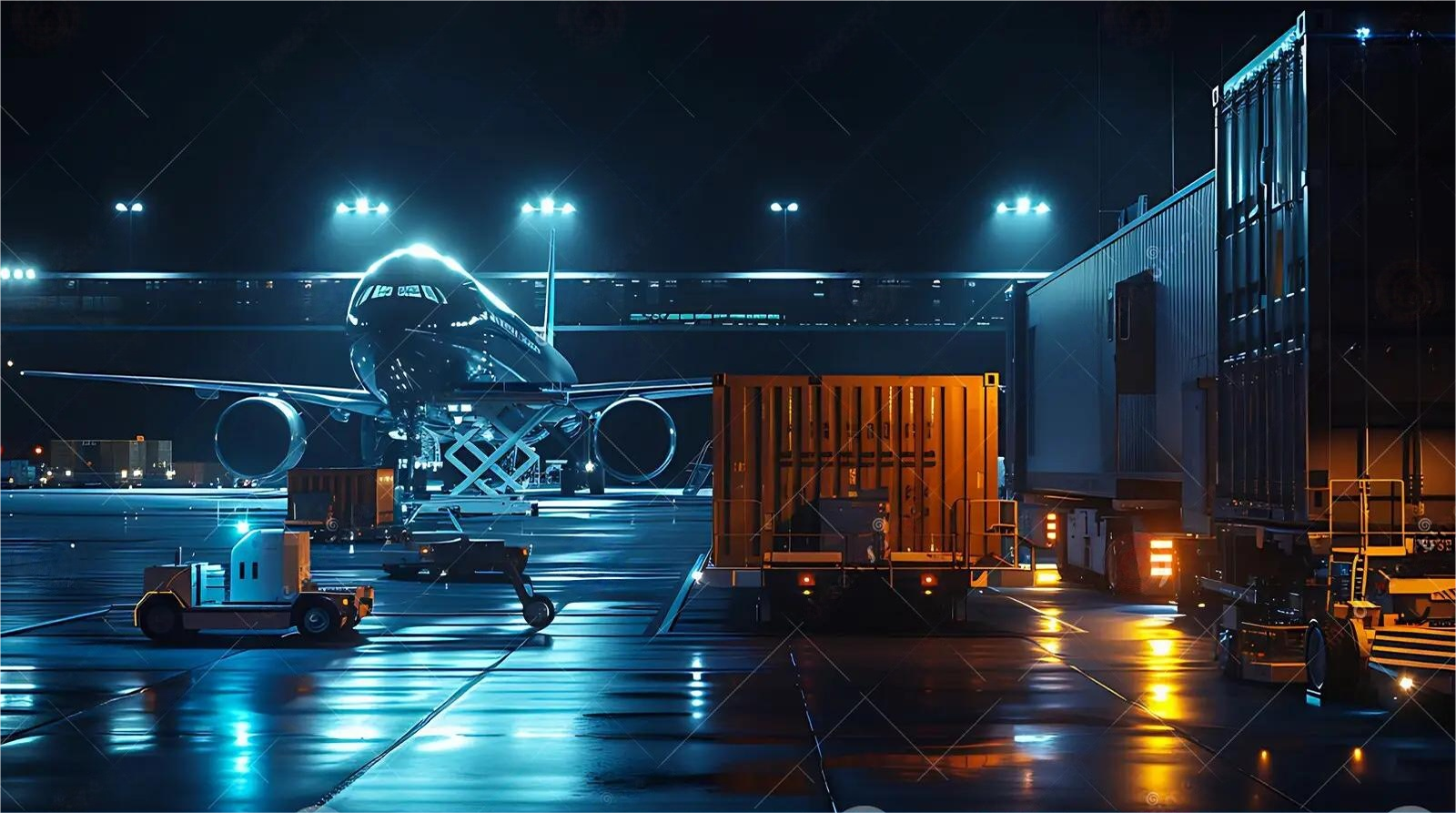
Upon arrival at a German port like Hamburg or Bremerhaven, your Open Top FCL furniture shipment undergoes customs inspection. The declared value and classification of the furniture determine the applicable import duties and VAT. Germany applies a standard VAT rate, which must be paid upon import.
Moreover, furniture made from certain materials or originating from specific regions might be subject to additional regulations or tariffs. Working with a freight forwarder offering door-to-door service can simplify this, as they manage the entire clearance process on your behalf. This ensures a smoother transition for your imported furniture.
Real-World Open Top FCL Shipping Cost for Furniture Case Studies
❖To provide a clearer picture of the Open Top FCL shipping cost for furniture from China to Germany, let’s examine some realistic scenarios. These case studies illustrate how various factors impact the final cost and transit time. Based on Q1 2025 market rates, these examples offer practical insights.
Please note that freight rates are subject to change based on fuel costs, carrier capacity, and seasonal demand. Contact us for a current quote tailored to your specific shipment.
Case Study 1: Large Volume Furniture Manufacturer
| Detail | Description |
|---|---|
| Route | Shanghai, China -> Hamburg, Germany |
| Cargo | Flat-pack wooden furniture, 55 CBM, 10,000 kg |
| Container | 40HQ Open Top |
| Shipping Details | Carrier: Major (e.g., Maersk); Port of Loading: Shanghai; Port of Discharge: Hamburg; Route Type: Direct |
| Ocean Freight | $4,500 |
| Origin Charges (THC, documentation) | $450 |
| Destination Charges | $500 |
| Customs & Duties (estimated) | $1,200 (approx. 5% duty on $24,000 value, excluding VAT) |
| Total Landed Cost | $6,650 |
| Booking to Loading | 5 days |
| Sea Transit | 32 days |
| Customs Clearance | 3 days |
| Total Door-to-Door | 40 days |
| Key Insight | Open top was essential for easy overhead loading of tall, pre-assembled items, minimizing damage and labor. |

Case Study 2: Oversized Custom Furniture Order
| Detail | Description |
|---|---|
| Route | Shenzhen, China -> Bremerhaven, Germany |
| Cargo | Custom upholstered sofas and chairs, 60 CBM, 8,000 kg |
| Container | 40GP Open Top |
| Shipping Details | Carrier: Major (e.g., COSCO); Port of Loading: Shenzhen; Port of Discharge: Bremerhaven; Route Type: Transshipment via Singapore |
| Ocean Freight | $3,800 |
| Origin Charges (THC, documentation) | $400 |
| Destination Charges | $480 |
| Customs & Duties (estimated) | $1,000 (approx. 5% duty on $20,000 value, excluding VAT) |
| Total Landed Cost | $5,680 |
| Booking to Loading | 7 days |
| Sea Transit | 38 days |
| Customs Clearance | 4 days |
| Total Door-to-Door | 49 days |
| Key Insight | Transshipment offered a slightly lower freight rate but extended transit time by over a week. Careful planning was crucial for delivery schedule. |
Case Study 3: Retailer Importing Display Units
| Detail | Description |
|---|---|
| Route | Ningbo, China -> Hamburg, Germany |
| Cargo | Display cabinets and shelving units, 45 CBM, 6,500 kg |
| Container | 40GP Open Top |
| Shipping Details | Carrier: Major (e.g., MSC); Port of Loading: Ningbo; Port of Discharge: Hamburg; Route Type: Direct |
| Ocean Freight | $3,500 |
| Origin Charges (THC, documentation) | $380 |
| Destination Charges | $450 |
| Customs & Duties (estimated) | $900 (approx. 5% duty on $18,000 value, excluding VAT) |
| Total Landed Cost | $5,230 |
| Booking to Loading | 6 days |
| Sea Transit | 30 days |
| Customs Clearance | 3 days |
| Total Door-to-Door | 39 days |
| Key Insight | Efficient overhead loading minimized labor costs at origin, contributing to overall cost-effectiveness. This was a smooth delivery schedule. |
Tips for Reducing Your Open Top FCL Shipping Costs
❖While Open Top FCL shipping cost for furniture from China to Germany can be significant, several strategies can help optimize your budget. Proactive planning and smart logistics choices are key. Consequently, even small adjustments can lead to substantial savings.
Furthermore, understanding market dynamics and leveraging freight forwarder expertise can provide a competitive edge. Here are some actionable tips to consider.
Optimizing Container Loading
Maximizing the space within your Open Top container is crucial for cost-efficiency. Every cubic meter counts, so plan your furniture arrangement meticulously. Utilizing professional loading services ensures optimal packing and secure bracing.
Moreover, consider if any furniture can be partially disassembled to fit more compactly. This reduces wasted space and therefore lowers the per-unit shipping cost. Proper loading also prevents damage during transit, avoiding costly insurance claims.
Negotiating with Freight Forwarders
Building a strong relationship with a reputable freight forwarder can yield better rates. They often have established relationships with carriers and can negotiate more favorable terms. Always obtain multiple quotes to compare services and pricing.
Furthermore, transparency about your shipping volume and frequency can strengthen your negotiation position. A freight forwarder who understands your long-term logistics needs can offer tailored solutions and better overall value for your Open Top FCL furniture shipments.
Timing Your Shipments
Shipping during off-peak seasons can lead to lower freight rates due to reduced demand. Rates typically increase 15-25% during August-October peak season, and around Chinese New Year. Planning your production and delivery schedule to avoid these periods can result in considerable savings.
Additionally, booking your container well in advance can often secure better rates than last-minute bookings. Market data suggests flexibility in your shipping dates can significantly impact your Open Top FCL shipping cost for furniture from China to Germany. Early booking also helps avoid capacity issues.
Market Insights and Future Trends Affecting Open Top FCL Rates
❖The global shipping landscape is constantly evolving, with various factors influencing Open Top FCL shipping cost for furniture from China to Germany. Staying informed about market trends and potential disruptions is vital for effective supply chain management. According to industry benchmarks, rates remain volatile.
As of Q1 2025, freight rates from China to Europe have stabilized after the 2024 Red Sea disruptions, but geopolitical events can quickly alter this. Moreover, environmental regulations and fuel price fluctuations continue to play a significant role in overall logistics trends. Therefore, adaptability is key.
Global Economic Factors
Economic growth or downturns in major markets directly impact consumer demand for furniture, subsequently affecting shipping volumes. A strong global economy generally leads to higher freight rates due to increased trade. Conversely, economic slowdowns can lead to reduced demand and lower rates.
Currency exchange rates also influence the final cost for importers. Fluctuations between the Chinese Yuan, Euro, and US Dollar can make a significant difference. Industry average for this route demonstrates a sensitivity to these broader economic indicators.
Red Sea Disruptions and Capacity
The recent Red Sea disruptions significantly impacted transit times and shipping costs for routes between Asia and Europe. While some stability has returned, rerouting vessels around the Cape of Good Hope adds substantial mileage and fuel consumption. This directly inflates freight rates and extends delivery schedules.
Shipping lines are still adjusting to these new realities, and capacity management remains a challenge. Consequently, importers must remain aware of ongoing geopolitical situations that could affect shipping lanes. This constant vigilance helps in anticipating potential cost increases.
Seasonal Fluctuations and Port Congestion
Seasonal demand patterns consistently influence Open Top FCL shipping costs. Rates typically surge during the peak shipping season from August to October, ahead of Western holidays. Similarly, rates can spike before the Chinese New Year period as factories rush to clear orders.
Furthermore, port congestion at major hubs in China (e.g., Shanghai, Ningbo) and Germany (e.g., Hamburg, Bremerhaven) can lead to delays and additional charges like demurrage and detention. These factors contribute to the overall unpredictability of freight rates. Thus, early booking is often a wise strategy.
Conclusion
Navigating the complexities of Open Top FCL shipping cost for furniture from China to Germany requires thorough planning and expert assistance. This specialized shipping method is invaluable for oversized and uniquely shaped furniture, offering distinct advantages in loading and cargo protection.
By understanding the various cost components, exploring alternative shipping methods, and implementing smart cost-reduction strategies, you can optimize your logistics. Partnering with a knowledgeable freight forwarder is essential to manage customs, ensure compliance, and achieve cost-effective and timely delivery of your furniture. Ultimately, a well-informed approach ensures successful international furniture shipping.
Ready to streamline your logistics?
Ready to get a precise Open Top FCL shipping cost for furniture from China to Germany? Contact China Top Freight today for a personalized quote and expert guidance. Our team is here to streamline your international logistics and ensure a smooth shipping experience.
Request Quote