

40GP FCL Shipping Cost for Lighting from China to Los Angeles: A Comprehensive Guide
Navigating international freight can be complex, especially when importing specialized goods like lighting fixtures. Businesses frequently seek efficient and cost-effective solutions for large volumes. This guide provides a detailed look into the 40GP FCL shipping cost for lighting from China to Los Angeles, helping you make informed decisions for your supply chain. For reliable logistics support, explore the services offered by China Top Freight.
✦
What is 40GP FCL Shipping for Lighting?
A 40GP FCL (Full Container Load) refers to using an entire 40-foot general purpose container exclusively for your cargo. This method is ideal for businesses shipping substantial quantities of goods. For lighting products, a 40GP container offers ample space and security.
Choosing FCL shipping means your goods are not consolidated with other shippers’ cargo. Consequently, this often reduces handling, minimizes the risk of damage, and can streamline transit times. It is a preferred option for large-scale importers of lighting fixtures.
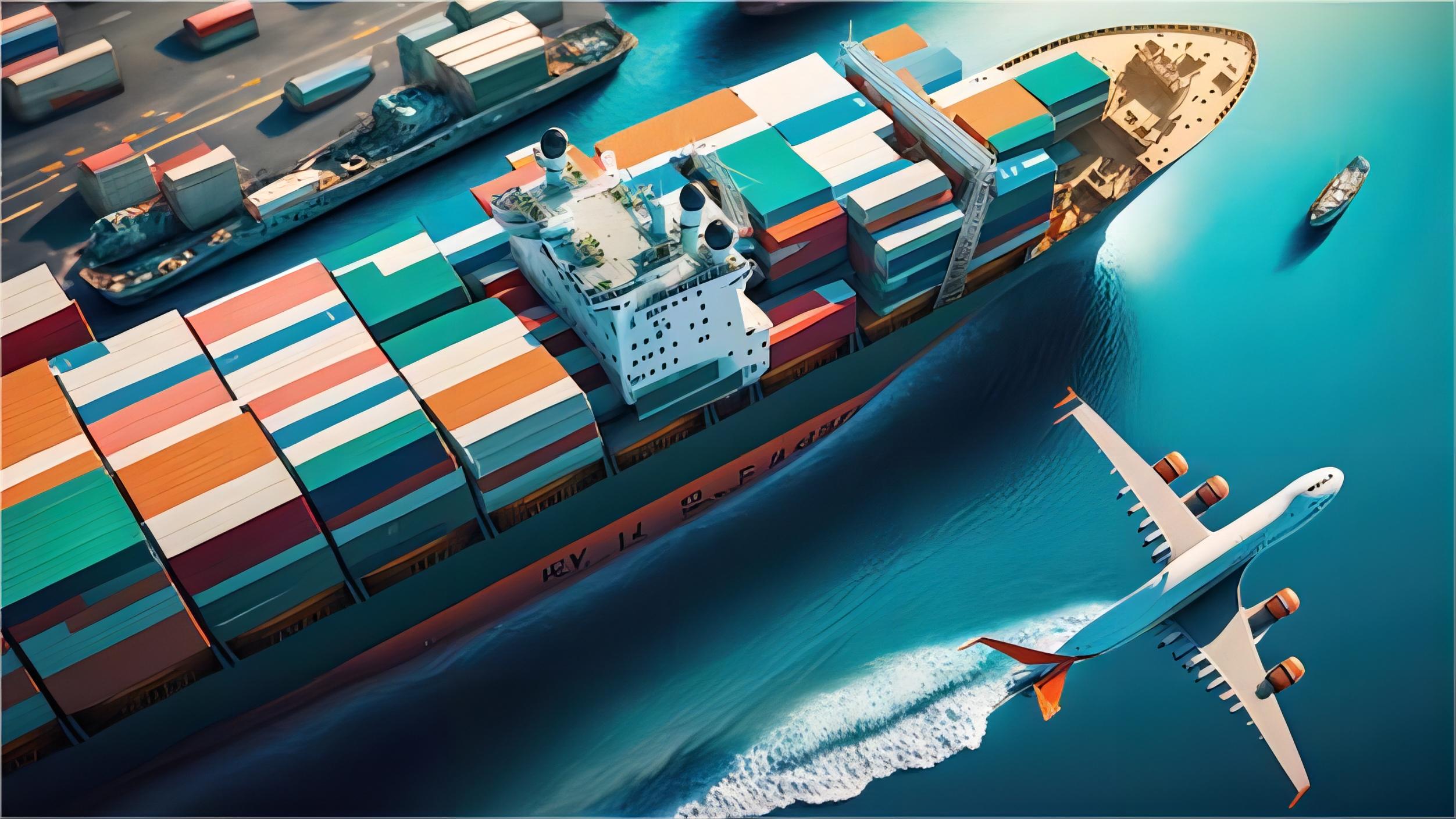
The standard internal dimensions of a 40GP container are approximately 12.03 meters (39 ft 5.6 in) long, 2.35 meters (7 ft 8.5 in) wide, and 2.39 meters (7 ft 10.2 in) high. This provides around 67.7 CBM (2,390 cubic feet) of usable volume. Therefore, it is perfectly suited for bulk orders of various lighting products, from LED panels to decorative fixtures.

Key Factors Influencing 40GP FCL Shipping Cost for Lighting
Several critical elements collectively determine the total sea freight cost for your 40GP FCL lighting shipment from China to Los Angeles. Understanding these factors is essential for accurate budgeting. Freight rates fluctuate based on global economic conditions and shipping line capacity.
The primary cost component is the ocean freight rate itself. This rate is influenced by fuel prices, carrier demand, and the specific port pair. Furthermore, various surcharges are applied, including Bunker Adjustment Factor (BAF) for fuel, Currency Adjustment Factor (CAF) for currency fluctuations, and Peak Season Surcharges (PSS).
Origin and destination charges also significantly contribute to the overall cost. At the origin, these include Terminal Handling Charges (THC), documentation fees, and potentially drayage if your factory is inland. Similarly, at the destination, Los Angeles, you will encounter THC, chassis usage fees, and drayage to your warehouse. Customs duties and taxes, determined by the Harmonized System (HS) codes of your lighting products, represent another substantial expense.
Market conditions, such as port congestion or equipment shortages, can also drive up costs. For instance, during peak seasons like before Chinese New Year or during Q3/Q4 holiday rush, rates typically increase. Geopolitical events, like the Red Sea disruptions, can also lead to longer routes and higher fuel costs, directly impacting pricing.
How to Calculate Your 40GP FCL Shipping Cost
Calculating the precise 40GP FCL shipping cost for lighting from China to Los Angeles involves summing up several distinct charges. A clear breakdown helps in forecasting expenses accurately. Consequently, you can avoid unexpected costs and manage your budget more effectively.
First, the base ocean freight rate is established between the origin port in China (e.g., Shanghai, Ningbo) and the Port of Los Angeles. This rate varies weekly and by carrier. Secondly, various surcharges are added, which can change frequently. These include BAF, CAF, PSS, and sometimes General Rate Increases (GRI).
Thirdly, origin charges cover local handling and documentation in China. These typically include Export Customs Clearance, Booking Fee, and Terminal Handling Charges (THC). Furthermore, destination charges are incurred upon arrival in Los Angeles, such as Import Customs Clearance, ISF filing, Harbor Maintenance Fee, Merchandise Processing Fee, and Destination THC. Lastly, inland transportation (drayage) from the port to your final warehouse and applicable customs duties and taxes complete the cost picture. Moreover, considering customs brokerage services can simplify this complex process.
| Cost Component | Description | Typical Range (USD) | Responsibility |
|---|---|---|---|
| Ocean Freight | Base cost for container transport by sea | $2,500 – $3,800 | Shipper |
| Surcharges (BAF, CAF, PSS) | Fuel, currency, and peak season adjustments | $200 – $800 | Shipper |
| Origin Charges (THC, Docs) | Handling at Chinese port, paperwork | $300 – $500 | Shipper |
| Destination Charges (THC, Chassis) | Handling at LA port, equipment use | $500 – $800 | Consignee |
| Customs Duties & Taxes | Import tariffs based on HS code | Varies (0-15% of value) | Consignee |
| Drayage (Port to Warehouse) | Trucking from LA port to final destination | $300 – $700 | Consignee |

Typical Transit Times from China to Los Angeles
Understanding transit times is just as crucial as cost for effective supply chain planning. The journey for a 40GP FCL lighting shipment from China to Los Angeles generally involves several stages. Each stage contributes to the overall delivery schedule.
Port-to-port transit time from major Chinese ports (e.g., Shanghai, Ningbo, Shenzhen) to Los Angeles typically ranges from 14 to 18 days. This is for direct services. However, this does not account for pre-shipment and post-arrival processes. Factors like vessel speed, weather conditions, and routing can cause minor variations.
Furthermore, you must factor in time for cargo consolidation and loading at the origin port, which might take 2-5 days. Upon arrival in Los Angeles, customs clearance and port congestion can add another 3-7 days. Finally, drayage from the port to your final warehouse usually takes 1-3 days. Therefore, the total door-to-door transit time can be anywhere from 20 to 30 days. Efficient door-to-door service can help manage these various stages seamlessly.
| Origin Port (China) | Destination Port (USA) | Port-to-Port Transit (Days) | Total Door-to-Door (Days) |
|---|---|---|---|
| Shanghai | Los Angeles | 14-18 | 20-28 |
| Ningbo | Los Angeles | 15-19 | 21-29 |
| Shenzhen | Los Angeles | 13-17 | 19-27 |
| Qingdao | Los Angeles | 16-20 | 22-30 |
Customs Clearance and Documentation for Lighting Imports
Successful import of lighting fixtures into the US requires meticulous attention to customs clearance and documentation. Proper preparation helps avoid delays and penalties. Indeed, accurate paperwork is paramount for smooth logistics.
Key documents include the Commercial Invoice, Packing List, Bill of Lading (B/L), and the Importer Security Filing (ISF). The ISF must be filed at least 24 hours before the vessel departs from China. Furthermore, the correct Harmonized System (HS) codes for your specific lighting products are crucial for duty assessment. Misclassification can lead to fines or delays.
Lighting products, especially LEDs, may also be subject to specific regulations from agencies like the Department of Energy (DOE) or the FCC. Ensuring compliance with these standards is vital before shipment. Working with an experienced freight forwarder or customs broker can greatly simplify this process and ensure all regulatory requirements are met, thereby avoiding potential pitfalls.
How Does 40GP FCL Compare to Other Shipping Options?
While 40GP FCL shipping is often the go-to for large volumes of lighting, understanding alternative methods is important. Different scenarios call for different solutions. Therefore, comparing options helps optimize your logistics strategy.
For smaller shipments, Less than Container Load (LCL) might be more cost-effective. However, LCL typically involves more handling and longer transit times. Air freight offers unparalleled speed but comes at a significantly higher cost, making it suitable only for urgent or high-value, low-volume lighting components. Furthermore, hybrid solutions can sometimes offer a balance.
Consider the trade-offs between cost, speed, and cargo security. FCL provides the best balance for bulk lighting imports. Nonetheless, LCL and air freight serve specific niche requirements. Evaluating your specific needs is key to making the right choice.
| Shipping Method | Cost Range (40GP equivalent) | Transit Time (China-LA) | Best For | Limitations |
|---|---|---|---|---|
| 40GP FCL Sea Freight | $2,800 – $3,800 | 14-18 days port-to-port | Large volumes, cost-effective, secure | Slower than air, requires full container |
| LCL Sea Freight | $50 – $80 per CBM (for <15 CBM) | 20-30 days port-to-port | Smaller shipments, flexible volume | More handling, longer transit, higher per-unit cost |
| Air Freight | $15,000 – $25,000 (for 40GP equivalent) | 3-7 days airport-to-airport | Urgent, high-value, samples | Very high cost, volume/weight restrictions |
Which Option Should You Choose?
Your decision should align with your business priorities and specific cargo characteristics. There is no one-size-fits-all solution for importing lighting from China to Los Angeles. Consider these criteria:
Budget priority: If minimizing cost is your main concern, 40GP FCL is generally the most economical for larger volumes. LCL can be cheaper for shipments under 15 CBM, but per-unit costs might be higher due to additional handling fees.
Speed priority: For urgent lighting projects or high-value samples, air freight is the fastest option, albeit the most expensive. Expect delivery in 5-7 days. FCL by sea is suitable for regular stock replenishment where speed is less critical than cost.
Cargo type and volume: 40GP FCL is perfect for durable, high-volume lighting products that can fill a container. Delicate, high-value, or time-sensitive items might warrant air freight or specialized LCL handling. Therefore, evaluate your lighting products’ fragility and dimensions carefully.
Optimizing Your 40GP FCL Shipping for Lighting
Maximizing efficiency and minimizing costs for your 40GP FCL lighting shipments requires strategic planning. Several approaches can significantly improve your logistics outcomes. Consequently, this leads to better profitability and customer satisfaction.
First, consolidate your orders to ensure full container utilization. An underutilized 40GP container means you are paying for empty space. Secondly, plan your shipments to avoid peak seasons when rates surge. Booking in advance can also secure better rates. Furthermore, consider flexible shipping schedules if possible.
Another effective strategy is to work with an experienced freight forwarder. They can negotiate better rates, optimize routes, and handle complex documentation. They also provide valuable insights into current market conditions. Lastly, leverage technology for tracking and real-time updates, which improves visibility across your supply chain. For example, consider Amazon FBA services if selling directly to consumers.
Moreover, carefully manage your packaging for lighting products. Robust, space-efficient packaging can prevent damage and maximize container space. Proper labeling and documentation also expedite customs clearance, saving both time and potential demurrage charges. Regular communication with your supplier and forwarder is key to smooth operations.
Real-World Case Studies: Lighting Shipments to Los Angeles
Examining real-world examples helps illustrate the practicalities and costs involved in 40GP FCL shipping for lighting. These case studies reflect typical scenarios and market rates as of early 2025. They highlight the various components contributing to the total landed cost and transit time.
Case Study 1: Standard LED Panel Fixtures
| Detail | Value |
|---|---|
| Route | Shanghai, China to Los Angeles, USA |
| Cargo | LED Panel Lights, 60 CBM, 12,000 kg |
| Container | 40GP FCL |
| Shipping Details | Carrier: COSCO, Port of Loading: Shanghai, Port of Discharge: Los Angeles, Route Type: Direct |
| Cost Breakdown (Estimated) | Ocean Freight: $3,200, Origin Charges: $450, Destination Charges: $700, Customs & Duties (est.): $1,800, Total Landed Cost: $6,150 |
| Timeline (Estimated) | Booking to Loading: 4 days, Sea Transit: 16 days, Customs Clearance: 5 days, Total Door-to-Door: 25 days |
| Key Insight | Rates were stable due to off-peak season booking. Efficient customs brokerage expedited clearance, preventing demurrage. Packaging was optimized to fit maximum units, reducing per-unit shipping cost for lighting. |
Case Study 2: Commercial Project Lighting
| Detail | Value |
|---|---|
| Route | Ningbo, China to Los Angeles, USA |
| Cargo | Custom Commercial Lighting Fixtures, 65 CBM, 15,000 kg |
| Container | 40GP FCL |
| Shipping Details | Carrier: Maersk, Port of Loading: Ningbo, Port of Discharge: Los Angeles, Route Type: Direct |
| Cost Breakdown (Estimated) | Ocean Freight: $3,500, Origin Charges: $480, Destination Charges: $750, Customs & Duties (est.): $2,100, Total Landed Cost: $6,830 |
| Timeline (Estimated) | Booking to Loading: 5 days, Sea Transit: 17 days, Customs Clearance: 6 days, Total Door-to-Door: 28 days |
| Key Insight | This shipment faced minor port congestion in LA, adding a day to clearance. Proactive communication with the freight forwarder helped manage expectations. The total 40GP FCL shipping cost for lighting remained competitive despite slight delays. |
Case Study 3: Retail Decorative Lighting
| Detail | Value |
|---|---|
| Route | Shenzhen, China to Los Angeles, USA |
| Cargo | Decorative Pendant Lights, 58 CBM, 10,500 kg |
| Container | 40GP FCL |
| Shipping Details | Carrier: MSC, Port of Loading: Shenzhen, Port of Discharge: Los Angeles, Route Type: Direct |
| Cost Breakdown (Estimated) | Ocean Freight: $2,900, Origin Charges: $400, Destination Charges: $680, Customs & Duties (est.): $1,500, Total Landed Cost: $5,480 |
| Timeline (Estimated) | Booking to Loading: 3 days, Sea Transit: 15 days, Customs Clearance: 4 days, Total Door-to-Door: 22 days |
| Key Insight | This shipment benefited from a strong carrier relationship and efficient documentation. The transit time was at the lower end of the average. The focus was on quick turnaround for seasonal retail demand. The overall 40GP FCL shipping cost for lighting was favorable. |
Navigating Market Volatility and Future Trends
The global shipping landscape is constantly evolving, impacting the 40GP FCL shipping cost for lighting. Staying informed about market volatility and emerging trends is crucial. This proactive approach helps businesses adapt their logistics strategies effectively.
As of Q1 2025, freight rates from China to the USA West Coast have largely stabilized after periods of significant disruption. However, factors like geopolitical tensions (e.g., Red Sea rerouting) or major port labor negotiations can still introduce volatility. Furthermore, container capacity and equipment availability remain key determinants of pricing.
Seasonal patterns consistently affect freight rates. For instance, rates typically increase by 15-25% during the August-October peak season leading up to holidays. Similarly, pre-Chinese New Year rushes also see elevated prices and reduced capacity. Therefore, planning your lighting imports around these cycles can yield significant cost savings. Regular monitoring of logistics trends and industry reports is highly recommended. For efficient express service options, consider specialized solutions when time is critical.
Conclusion: Mastering Your Lighting Imports
Successfully managing the 40GP FCL shipping cost for lighting from China to Los Angeles requires a comprehensive understanding of various factors. From ocean freight rates and surcharges to customs clearance and transit times, every detail matters. By strategically planning and leveraging expert logistics partners, you can optimize your supply chain.
Indeed, an informed approach ensures cost-effectiveness, minimizes risks, and supports the timely delivery of your lighting products. Ultimately, partnering with a reliable freight forwarder like China Top Freight is key to navigating the complexities of international shipping. This allows you to focus on your core business while your imports are handled efficiently.