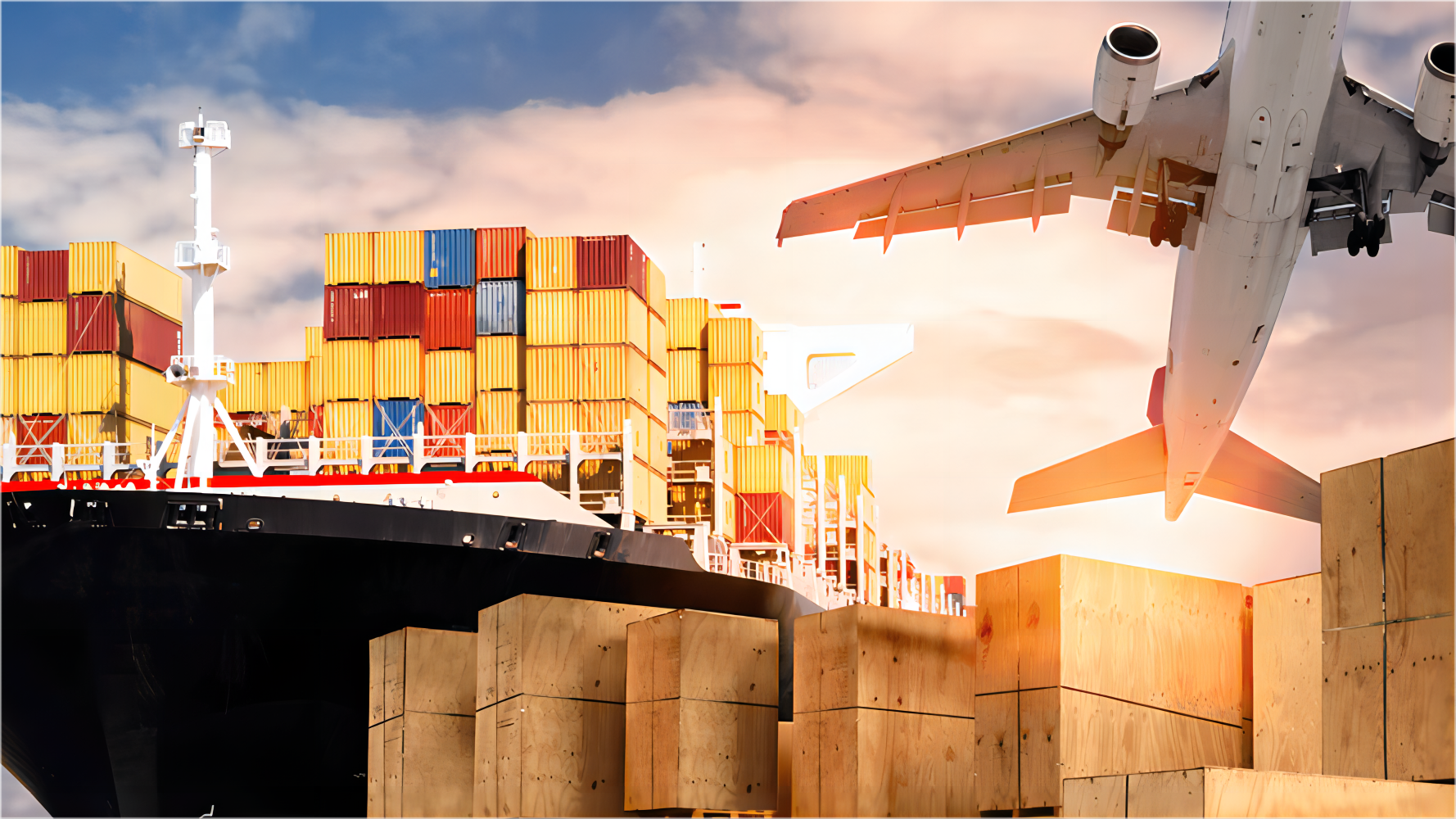
40HQ FCL space availability for electronics from China to Seattle
Finding reliable 40HQ FCL space availability for electronics from China to Seattle requires a strategic approach to modern logistics management. At China Top Freight, we recognize that electronics manufacturers face unique challenges during peak shipping seasons due to high demand and limited equipment. Consequently, securing container space early is essential for maintaining a stable supply chain and avoiding costly production delays. This guide provides comprehensive insights into current market trends and actionable strategies for your next shipment.

How Does 40HQ FCL Space Availability for Electronics from China to Seattle Impact Your Business?
Electronics represent high-value cargo that demands precise handling and predictable delivery schedules to satisfy consumer expectations. Therefore, any fluctuation in 40HQ FCL space availability for electronics from China to Seattle can directly impact your bottom line. Most technology importers prefer the 40HQ container because it maximizes volume for lightweight items like smartphones, laptops, and consumer gadgets. However, the high demand for these containers often leads to localized shortages in major export hubs like Shenzhen and Ningbo.
Market volatility remains a constant factor in the trans-Pacific trade lane as we move into 2025. Specifically, the surge in e-commerce has increased the competition for available vessel space during the traditional peak season. Moreover, carriers often prioritize high-yield cargo, making it vital for electronics shippers to present a clear and consistent shipping forecast. Without a proactive strategy, businesses may face rolled cargo or exorbitant premium surcharges to secure a spot on the next departing vessel.
Logistics managers must also consider the technical requirements of shipping sensitive electronic components. For example, maintaining a clean and dry container environment is paramount for preventing moisture damage to circuit boards. Additionally, the physical security of the container is a top priority given the high resale value of electronic goods. Consequently, choosing a carrier with a proven track record of safety and reliability is just as important as finding the lowest possible freight rate.
How Does 40HQ FCL Compare to Other Shipping Options?
Choosing the right shipping method depends on your specific budget, cargo volume, and required transit time. While 40HQ FCL is the most popular choice for large-scale electronics distribution, other methods offer flexibility for different scenarios. For instance, sea freight remains the most cost-effective solution for bulk inventory replenishment. In contrast, air freight offers speed for product launches but at a significantly higher cost per unit.
Importers often weigh the benefits of FCL against LCL (Less than Container Load) when volumes are lower than 15 cubic meters. Although LCL allows for smaller shipments, it involves more handling and a higher risk of damage for sensitive electronics. Furthermore, the transit time for LCL is typically 5-7 days longer due to the consolidation and deconsolidation processes at the ports. Consequently, 40HQ FCL remains the preferred choice for those who want a dedicated space and faster door-to-door delivery.
| Shipping Method | Cost Range | Transit Time | Best For |
|---|---|---|---|
| 40HQ FCL | $2,800 – $3,800 | 14 – 18 Days | High-volume inventory |
| LCL Sea Freight | $50 – $90 per CBM | 22 – 28 Days | Smaller tech batches |
| Air Freight | $15,000 – $25,000 | 3 – 5 Days | Urgent launches |
| Sea-Air Hybrid | $7,000 – $11,000 | 8 – 12 Days | Balanced cost/speed |

Alternative Strategies for Managing Space Shortages
Implementing a multi-carrier strategy can help mitigate the risks associated with limited 40HQ FCL space availability for electronics from China to Seattle. Instead of relying on a single shipping line, savvy importers distribute their volume across several alliances to ensure at least some cargo moves during peak weeks. Additionally, utilizing a provider with strong customs brokerage expertise can prevent delays once the cargo arrives in the United States. Fast clearance is just as important as fast transit when dealing with high-turnover electronic goods.
Hybrid logistics models are also gaining popularity among tech companies looking to optimize their supply chains. For example, shipping by sea to a hub like Busan and then using air freight to Seattle can bypass West Coast port congestion. Moreover, some companies are exploring rail-sea combinations for inland Chinese factories to reach coastal ports more efficiently. These alternative routes often provide the necessary flexibility when direct 40HQ space is fully booked by larger competitors.
Securing space through long-term contracts rather than the spot market is another effective way to guarantee availability. While spot rates can be lower during the off-season, they skyrocket during the lead-up to the holidays. Therefore, a fixed-rate agreement provides budget certainty and priority boarding during the busiest months of the year. Furthermore, maintaining a good relationship with your freight forwarder ensures you are the first to know when new capacity becomes available on the market.
Real-World Case Studies for Electronics Shipping
Examining actual shipment data provides a realistic view of the current logistics landscape for the China to Seattle route. These cases highlight how professional management can overcome common obstacles like equipment shortages and port delays. Specifically, using a door to door service often results in better coordination between the factory, the carrier, and the final warehouse destination.
Case Study 1: High-Volume Smartphone Distribution. Route: Shenzhen to Seattle. Cargo: 40HQ FCL of smartphones and accessories. Shipping Method: Direct Sea Freight. Total Cost: $3,250. Transit Time: 15 days. Key Insight: By booking 4 weeks in advance, the client secured space during a mid-Q3 surge. The use of a direct route saved 4 days compared to transshipment options.
Case Study 2: Seasonal Consumer Electronics Launch. Route: Ningbo to Seattle. Cargo: 40HQ FCL of smart home devices. Shipping Method: Premium Sea Freight with guaranteed space. Total Cost: $4,100. Transit Time: 14 days. Key Insight: Despite a general shortage of 40HQ containers in Ningbo, the client paid a 15% premium for guaranteed equipment, ensuring their product launch stayed on schedule. The total landed cost remained within budget due to the high value of the items.

Why Seattle is a Strategic Hub for Electronics Imports
Seattle serves as a critical entry point for shipping from China to North America due to its advanced infrastructure and geographical advantages. The Port of Seattle offers some of the fastest rail connections to the US Midwest, making it an ideal hub for national distribution. Moreover, the local logistics ecosystem is well-versed in handling high-tech cargo, providing specialized warehousing and distribution services. Consequently, many top electronics brands choose Seattle as their primary West Coast gateway.
Infrastructure investments at the Terminal 5 expansion have significantly increased the port’s capacity to handle ultra-large container vessels. This means more 40HQ FCL space availability for electronics from China to Seattle as carriers introduce larger ships to the route. Additionally, the port’s commitment to green energy and efficient turn times reduces the overall carbon footprint and transit time for your shipments. Therefore, Seattle remains a competitive alternative to the often-congested ports of Los Angeles and Long Beach.
Maximizing Efficiency for Amazon FBA Electronics Sellers
Sellers utilizing the Amazon FBA program must be particularly diligent about container space management. Because Amazon has strict delivery windows, any delay in securing 40HQ FCL space availability for electronics from China to Seattle can result in account penalties or lost sales. To avoid these issues, many sellers use prep services in China to ensure their goods are palletized and labeled correctly before loading. This preparation speeds up the unloading process at the Seattle warehouse and allows for faster transfer to Amazon fulfillment centers.
Inventory planning should account for the possibility of seasonal port congestion which can add 3-5 days to the total transit time. For instance, during the Golden Week holiday in China, factory output pauses, but port congestion often peaks just before and after the break. Consequently, shipping at least two weeks before major holidays is a proven strategy for maintaining consistent stock levels. Furthermore, utilizing a freight forwarder with dedicated FCL-to-FBA services can streamline the final mile delivery and ensure compliance with Amazon’s rigorous standards.
Summary of 40HQ FCL Shipping to Seattle
Securing 40HQ FCL space availability for electronics from China to Seattle is a multifaceted challenge that requires early planning and market intelligence. By understanding the trade-offs between different shipping methods and utilizing alternative strategies, importers can protect their supply chains from volatility. Moreover, choosing a strategic hub like Seattle and a professional logistics partner ensures that high-value electronics reach their destination safely and on time. As the market continues to evolve, staying informed about carrier capacity and port conditions will remain the key to successful trans-Pacific trade.
Ready to streamline your logistics?
Managing 40HQ FCL space availability for electronics from China to Seattle requires expert knowledge and a reliable network of carriers. Contact China Top Freight today to receive a customized quote and secure your container space for the upcoming season. Visit our website to learn how our specialized electronics logistics solutions can help your business thrive. Send Inquiry link: Visit https://chinatopfreight.com/contact-us/
Request Quote