

China FCL Supply Chain Solution to Los Angeles: The Ultimate 2025 Guide
Developing a robust China FCL supply chain solution to Los Angeles is essential for businesses aiming to maintain a competitive edge in the global market. At China Top Freight, we understand that navigating trans-Pacific logistics involves balancing speed, cost, and reliability. This comprehensive guide provides the insights needed to streamline your imports and ensure your cargo reaches the West Coast efficiently.
What is a China FCL Supply Chain Solution to Los Angeles?
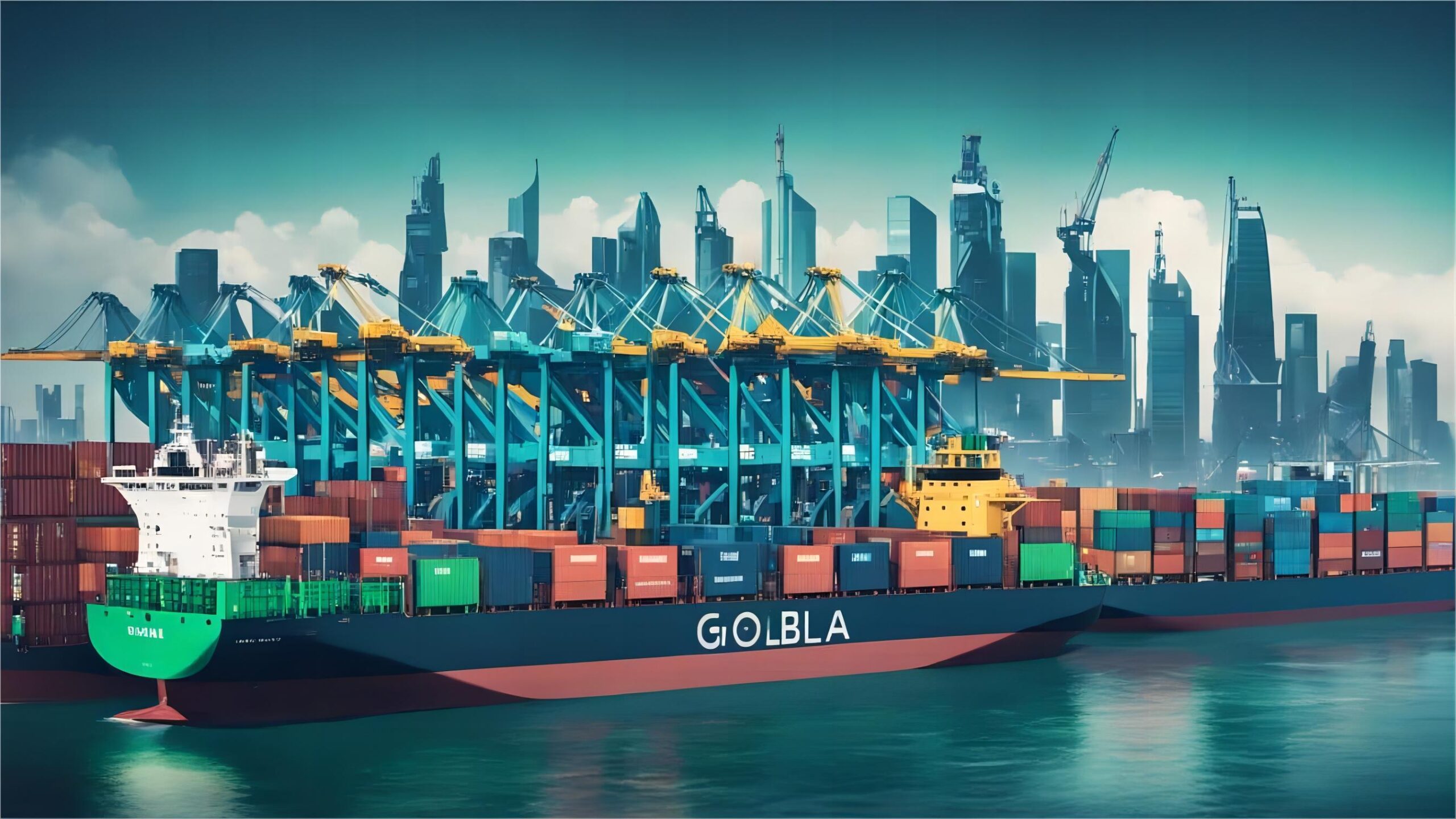
Full Container Load (FCL) refers to a shipping mode where one importer occupies an entire container for their goods. This China FCL supply chain solution to Los Angeles is particularly advantageous for high-volume shipments that require dedicated space. Consequently, it minimizes the risk of damage since the container remains sealed from the point of origin until it reaches its final destination.
Moreover, choosing FCL allows for better control over the loading and unloading process. Businesses often prefer this method when shipping fragile electronics or large machinery that cannot be mixed with other cargo. Meanwhile, the logistical flow becomes more predictable because there is no need to wait for other shippers to fill the container.
Indeed, the Los Angeles and Long Beach port complex serves as the primary gateway for these shipments. Most trans-Pacific routes originate from major Chinese manufacturing hubs like Shanghai, Ningbo, and Shenzhen. Therefore, understanding the mechanics of this specific supply chain is vital for any company importing into North America.
Why Choose FCL for Your Los Angeles Shipments?
Cost efficiency is one of the primary reasons to utilize a sea freight FCL strategy. While LCL (Less than Container Load) might seem cheaper for small batches, the price per cubic meter is significantly lower for FCL. Additionally, FCL shipments generally face fewer delays at the port because they do not require deconsolidation.
Security remains another critical factor for international importers. Since your goods are the only items in the container, the likelihood of theft or mishandling decreases substantially. Furthermore, the transit time is often shorter for FCL because the vessel moves directly from the port of loading to the port of discharge.
Logistics managers often find that FCL simplifies the accounting and documentation process. Having a single Bill of Lading for the entire container reduces the complexity of tracking and customs filing. As a result, businesses can maintain a leaner supply chain with fewer administrative hurdles.
Key Ports Involved in the China to Los Angeles Route
Shanghai Port stands as the world’s busiest container port and a central hub for Los Angeles-bound cargo. It offers the highest frequency of sailings and the most diverse carrier options for any China FCL supply chain solution to Los Angeles. Consequently, shippers can often find competitive rates and flexible schedules when departing from this terminal.
Ningbo-Zhoushan Port is another vital origin point, especially for goods manufactured in the Zhejiang province. It provides an excellent alternative to Shanghai, often featuring less congestion during peak seasons. Meanwhile, Shenzhen in the south serves the Pearl River Delta, which is the heart of China’s electronics and consumer goods production.
Upon arrival, the Port of Los Angeles handles the majority of these containers. It is equipped with advanced infrastructure to process thousands of TEUs (Twenty-foot Equivalent Units) daily. Nevertheless, shippers must be aware of potential terminal congestion which can impact the final delivery schedule to warehouses.
| Shanghai | 14-16 | Daily | General Cargo |
| Ningbo | 15-18 | High | Heavy Goods |
| Shenzhen | 16-20 | High | Electronics |
| Qingdao | 18-22 | Moderate | Machinery |

How Does FCL Compare to Other Shipping Options?
Analyzing the differences between FCL and other modes is essential for making an informed decision. While FCL offers the best value for large volumes, air freight remains the champion of speed for urgent deliveries. However, the cost of air transport can be ten times higher than sea freight for the same weight.
In contrast, LCL is a viable alternative for shipments that do not fill a 20ft container. While LCL saves money on smaller volumes, it introduces more touchpoints and potential for delays during the consolidation phase. Therefore, FCL is typically the preferred China FCL supply chain solution to Los Angeles for shipments exceeding 15 cubic meters.
Furthermore, express services are available for small parcels but are rarely economical for commercial inventory. For most importers, the decision comes down to a trade-off between the speed of air and the economy of sea. Ultimately, FCL provides the most balanced solution for bulk inventory replenishment.
| FCL (40HQ) | $2,800 – $3,800 | 14-18 Days | Requires high volume |
| LCL (per CBM) | $50 – $120 | 20-25 Days | Risk of damage |
| Air Freight | $5,000 – $15,000 | 3-7 Days | Very high cost |
| Express | $8,000+ | 2-5 Days | Small parcels only |
Cost Factors for FCL Supply Chain Solutions
Freight rates for a China FCL supply chain solution to Los Angeles are influenced by several variables. Ocean freight is the base cost, but shippers must also account for Terminal Handling Charges (THC) and fuel surcharges. Additionally, peak season surcharges (PSS) can significantly inflate prices between August and October.
Inland transportation at both ends of the journey also adds to the total landed cost. For instance, drayage from the Port of Los Angeles to a local warehouse can range from $300 to $800 depending on the distance. Furthermore, utilizing a professional customs brokerage service is necessary to navigate duties and taxes accurately.
Notably, market volatility can cause rates to fluctuate weekly. According to industry benchmarks for early 2025, rates have stabilized but remain sensitive to global political events. Consequently, securing a long-term contract or working with a reliable freight forwarder can help mitigate these price swings.
| 20GP | $1,500 – $2,200 | 33 CBM | 28,000 kg |
| 40GP | $2,500 – $3,500 | 67 CBM | 26,000 kg |
| 40HQ | $2,800 – $3,800 | 76 CBM | 26,000 kg |
Customs Clearance and Documentation for LA Imports
Navigating the legal requirements for a China FCL supply chain solution to Los Angeles is a critical step. Every shipment requires a Commercial Invoice, a Packing List, and a Bill of Lading to pass through US Customs. Moreover, the Importer Security Filing (ISF) must be submitted at least 24 hours before the vessel departs from China.
Failure to comply with these regulations can lead to heavy fines and lengthy cargo exams. For example, if the ISF is filed late, US Customs may issue a $5,000 penalty. Therefore, it is essential to work with experts who understand the specific requirements for North America trade.
Additionally, certain products may require specialized permits from agencies like the FDA or EPA. Ensuring that your documentation is complete and accurate before the ship arrives will prevent costly demurrage charges at the port. In fact, proactive compliance is the most effective way to maintain a smooth supply chain flow.
Alternative Strategies for Supply Chain Resilience
Diversifying your shipping routes can protect your business from unexpected port closures or strikes. While Los Angeles is the primary choice, some importers use the Port of Oakland or Seattle as backups. Furthermore, a hybrid sea-air solution can be used when sea freight is too slow but pure air freight is too expensive.
Another effective strategy involves utilizing transshipment hubs like Busan or Kaohsiung. Although this adds a few days to the transit time, it can sometimes offer lower freight rates during peak demand. Meanwhile, implementing door to door services can simplify the entire process by consolidating all logistics stages into one contract.
Cost-saving strategies also include optimizing container space to ensure you are not paying for empty air. Using high-cube containers (40HQ) instead of standard 40ft units provides 13% more volume for a marginal price increase. Ultimately, flexibility and data-driven planning are the keys to a resilient supply chain in 2025.
Which Option Should You Choose? Decision Framework
Choosing the right China FCL supply chain solution to Los Angeles depends on your specific business priorities. If your primary goal is budget optimization, FCL sea freight via a slow-steaming service is the best choice. In contrast, if you are launching a new product and need it on shelves immediately, air freight is the only viable path.
For cargo volumes between 10 and 15 CBM, you should carefully compare FCL and LCL quotes. Often, the security and speed of a 20ft FCL container outweigh the small savings of LCL. Additionally, consider the final destination; if your warehouse is near the LA port, drayage costs will be minimal.
Specifically, businesses with consistent monthly volumes should look into annual service contracts with carriers. This provides price stability and guaranteed space during the busy holiday shipping season. By evaluating these factors, you can design a logistics strategy that perfectly aligns with your operational goals.
Real Case Studies: China to Los Angeles FCL
Case Study 1: Electronics Distribution. Route: Shenzhen to Los Angeles. Cargo: Consumer electronics, 65 CBM, 12,000 kg. Container: 40HQ. Shipping Details: Direct service via COSCO. Port of Loading: Shenzhen. Port of Discharge: Los Angeles. Cost Breakdown: Ocean Freight $3,100, Origin Charges $250, Destination Charges $450, Customs $1,200. Total Landed Cost: $5,000. Timeline: Booking to Loading 3 days, Sea Transit 16 days, Customs 2 days. Total Door-to-Door: 21 days. Key Insight: Early ISF filing prevented delays during a peak season surge.
Case Study 2: Furniture Retailer. Route: Ningbo to Los Angeles. Cargo: Wooden furniture, 28 CBM, 8,000 kg. Container: 20GP. Shipping Details: Major carrier service. Port of Loading: Ningbo. Port of Discharge: Los Angeles. Cost Breakdown: Ocean Freight $1,850, Origin Charges $200, Destination Charges $400, Customs $900. Total Landed Cost: $3,350. Timeline: Booking to Loading 4 days, Sea Transit 18 days, Customs 3 days. Total Door-to-Door: 25 days. Key Insight: Using a 20GP was more cost-effective than LCL due to the fragile nature of the goods.
Final Thoughts on FCL Logistics
Mastering the China FCL supply chain solution to Los Angeles requires a combination of strategic planning and reliable partnerships. By understanding the cost drivers, transit times, and documentation requirements, you can significantly reduce your logistics overhead. Furthermore, staying informed about market trends and port conditions allows you to adapt quickly to changes.
Whether you are shipping electronics from Shenzhen or furniture from Ningbo, FCL remains the most efficient method for bulk imports. Remember to prioritize documentation accuracy and consider alternative routes during times of congestion. Ultimately, a well-executed FCL strategy will ensure your business thrives in the competitive North American market.
Ready to streamline your logistics?
Are you ready to optimize your China FCL supply chain solution to Los Angeles? Contact our expert team today for a customized quote and professional logistics advice. Visit chinatopfreight.com to start your inquiry and secure the best rates for your next shipment.
Request Quote