

Flat Rack FCL Demurrage Prevention for Auto Parts from China to Illinois
Flat Rack FCL demurrage prevention for auto parts from China to Illinois is a critical priority for modern automotive supply chain managers. High-volume importers often face unexpected storage costs when shipping oversized components like engine blocks or chassis frames. Consequently, partnering with an expert like China Top Freight ensures your specialized cargo moves through the logistics network without incurring expensive terminal penalties.

What is Flat Rack FCL and Why is it Essential for Auto Parts?
Flat rack containers are specialized shipping units designed for cargo that exceeds the dimensions of standard dry vans. Specifically, these units lack side walls and a roof, which allows for the easy loading of heavy machinery and large automotive assemblies. Importers frequently choose sea freight for these shipments because it provides a cost-effective balance between capacity and price.
Auto parts such as industrial engines, large stamping dies, and vehicle frames require the flexibility of a flat rack. However, because these units are considered out-of-gauge (OOG) cargo, they require specialized handling at both the loading and discharge ports. Furthermore, this specialized nature means that terminal space is limited, making prompt pickup essential to avoid extra fees.
Moreover, the secure lashing of parts is paramount to ensure safety during the long trans-Pacific journey. If the cargo is not properly secured, it may face delays during inspections, which directly contributes to the risk of demurrage. Therefore, understanding the technical specifications of your flat rack is the first step in effective logistics planning.
The Financial Impact of Demurrage and Detention in Illinois
Demurrage refers to the fees charged by the shipping line when a container remains at the terminal beyond the allotted free time. In contrast, detention fees apply when the container is kept by the importer outside of the port area for too long. For auto parts arriving in Illinois, these costs can escalate rapidly due to the high demand at intermodal hubs like Chicago.
Illinois serves as a massive crossroads for North American logistics, which often leads to congestion at rail ramps and port terminals. Consequently, if your trucking partner is not ready for pickup the moment the container is grounded, you may face daily charges ranging from 150 to 400 dollars per unit. Indeed, these preventable expenses can quickly erode the profit margins of an entire shipment.
Additionally, specialized equipment like flat racks often has shorter free-time windows compared to standard 40HQ containers. This is because carriers want their specialized gear back in circulation as quickly as possible. As a result, proactive coordination with a customs brokerage is necessary to ensure all paperwork is filed before the vessel even arrives.
Strategies for Flat Rack FCL Demurrage Prevention for Auto Parts from China to Illinois
Effective Flat Rack FCL demurrage prevention for auto parts from China to Illinois begins with early documentation submission. You should ensure that the Bill of Lading, Commercial Invoice, and Packing List are shared with your broker at least five days before arrival. Meanwhile, verify that all HTS codes for your auto components are accurate to prevent lengthy customs inspections.
Another vital strategy involves negotiating extended free time at the destination during the initial booking phase. While standard free time might only be 4 to 7 days, high-volume shippers can often secure 10 to 14 days by working with experienced forwarders. Furthermore, utilizing door to door services can consolidate responsibility and reduce the number of parties involved in the hand-off.
Finally, always have a backup trucking solution ready in the Illinois region. Since flat rack cargo requires specialized trailers like lowboys or flatbeds, trucking capacity is often tighter than for standard containers. Consequently, having a secondary carrier on standby can save you from terminal storage fees if your primary trucker faces a delay.
How Does Flat Rack Compare to Other Shipping Options?
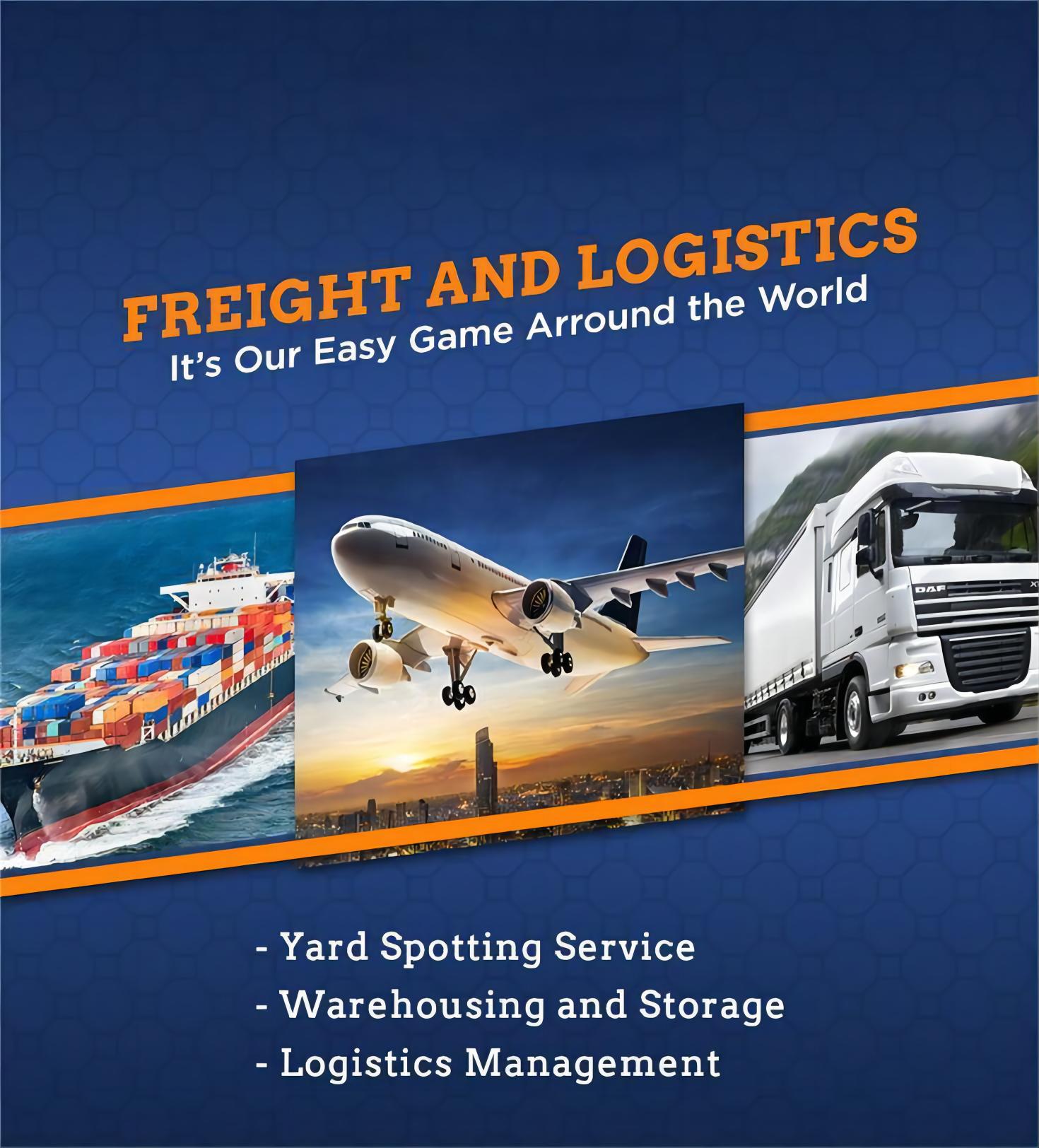
When planning your shipment, it is essential to compare the flat rack method against other viable alternatives for the China-to-Illinois route. While flat racks are necessary for oversized items, smaller components might be better suited for standard containers or even different transport modes. For instance, high-priority parts might require the speed of air transport despite the higher cost.
The following table provides an objective analysis of shipping methods based on current market trends for the year 2025. It highlights the trade-offs between speed, cost, and cargo suitability for importers in the Midwest.
| Shipping Method | Cost Range | Transit Time | Best For | Limitations |
|---|---|---|---|---|
| Flat Rack FCL | $4,500 – $7,500 | 30-40 Days | Oversized Engines | High Demurrage Risk |
| Standard 40HQ | $3,500 – $5,500 | 28-35 Days | Small Auto Parts | Fixed Dimensions |
| Air Freight | $15,000 – $25,000 | 5-7 Days | Urgent Repairs | Very Expensive |
| Rail Freight | $4,000 – $6,000 | 20-25 Days | Central China Cargo | Limited Capacity |
Realistic Case Studies: Shipping Auto Parts to Illinois
Case Study 1: Shanghai to Chicago Engine Shipment. Route: Shanghai, China to Chicago, Illinois. Cargo: 12 Industrial Engine Blocks, 24 CBM, 18,000 kg. Container: 40ft Flat Rack. Shipping Details: Carrier: COSCO. Port of Loading: Shanghai. Port of Discharge: Prince Rupert (then Rail to Chicago). Cost Breakdown: Ocean Freight: $5,200. Origin Charges: $450. Destination Charges: $800. Customs: $1,200. Total Landed Cost: $7,650. Timeline: Booking to Loading: 4 days. Transit: 22 days. Customs: 2 days. Total Door-to-Door: 28 days. Key Insight: Pre-clearing customs at the Canadian border saved 4 days of terminal storage.
Case Study 2: Shenzhen to Joliet Chassis Frames. Route: Shenzhen, China to Joliet, Illinois. Cargo: 5 Truck Chassis Frames, 32 CBM, 12,500 kg. Container: 40ft Flat Rack (OOG). Shipping Details: Carrier: Maersk. Port of Loading: Shenzhen. Port of Discharge: Port of Savannah (then Rail to Joliet). Cost Breakdown: Ocean Freight: $6,100. Origin Charges: $500. Destination Charges: $950. Customs: $1,500. Total Landed Cost: $9,050. Timeline: Booking to Loading: 6 days. Transit: 34 days. Customs: 3 days. Total Door-to-Door: 43 days. Key Insight: Heavy congestion in Savannah led to 2 days of detention, but negotiated free time covered the cost.
Note: Freight rates are subject to change based on fuel costs, carrier capacity, and seasonal demand. Contact us for a current quote tailored to your specific shipment.

Which Option Should You Choose? A Decision Framework
Choosing the right shipping strategy depends on your specific business priorities. If your primary goal is budget optimization, standard sea freight remains the most viable option for large volumes. However, if the cargo dimensions exceed standard limits, the flat rack becomes mandatory regardless of the higher handling fees.
For speed-sensitive shipments, consider a hybrid sea-air solution or rail freight via the West Coast. Rail freight from China to North America via Canadian ports often bypasses the heavy congestion seen in Los Angeles or Long Beach. Consequently, this route can reduce your total transit time by up to 10 days.
Additionally, evaluate your cargo volume. If you are shipping less than a full container load, explore LCL options where the freight forwarder handles the consolidation. But for oversized auto parts, Flat Rack FCL is usually the only safe and secure method to ensure the integrity of the components.
Documentation Checklist for Illinois Customs Clearance
To avoid delays that lead to demurrage, you must have a complete documentation package. Specifically, the US Customs and Border Protection (CBP) requires precise information for automotive imports. Consequently, missing data can trigger intensive examinations that hold your container at the port for weeks.
Ensure you have the following ready: 1. Master Bill of Lading. 2. Detailed Packing List with net and gross weights. 3. Commercial Invoice showing the country of origin. 4. ISF (Importer Security Filing) 10+2 form. 5. EPA and DOT compliance forms for specific engine or vehicle components. Without these, your Flat Rack FCL demurrage prevention for auto parts from China to Illinois will likely fail.
Final Thoughts on Flat Rack FCL Demurrage Prevention for Auto Parts from China to Illinois
In summary, implementing effective Flat Rack FCL demurrage prevention for auto parts from China to Illinois requires meticulous planning and strong communication. By understanding the differences between demurrage and detention, you can proactively manage your terminal free time and trucking capacity. Furthermore, choosing the right partner to handle your <a href=”https://chinatopfreight.com/services/rail-freight/”>rail freight</a> or sea freight will significantly reduce the risk of unexpected costs.
Ultimately, the goal is to keep your automotive components moving smoothly through the Illinois intermodal network. Although logistics challenges will always exist, a well-structured strategy will protect your bottom line and ensure your manufacturing schedule remains on track. Therefore, always prioritize pre-clearance and early carrier booking for all your flat rack shipments.
Ready to streamline your logistics?
Are you ready to optimize your supply chain and eliminate unnecessary terminal fees? Contact China Top Freight today to receive a customized quote for your Flat Rack FCL demurrage prevention for auto parts from China to Illinois. Our logistics experts are standing by to help you navigate the complexities of international shipping and ensure your cargo arrives in Chicago on time and on budget.
Request Quote