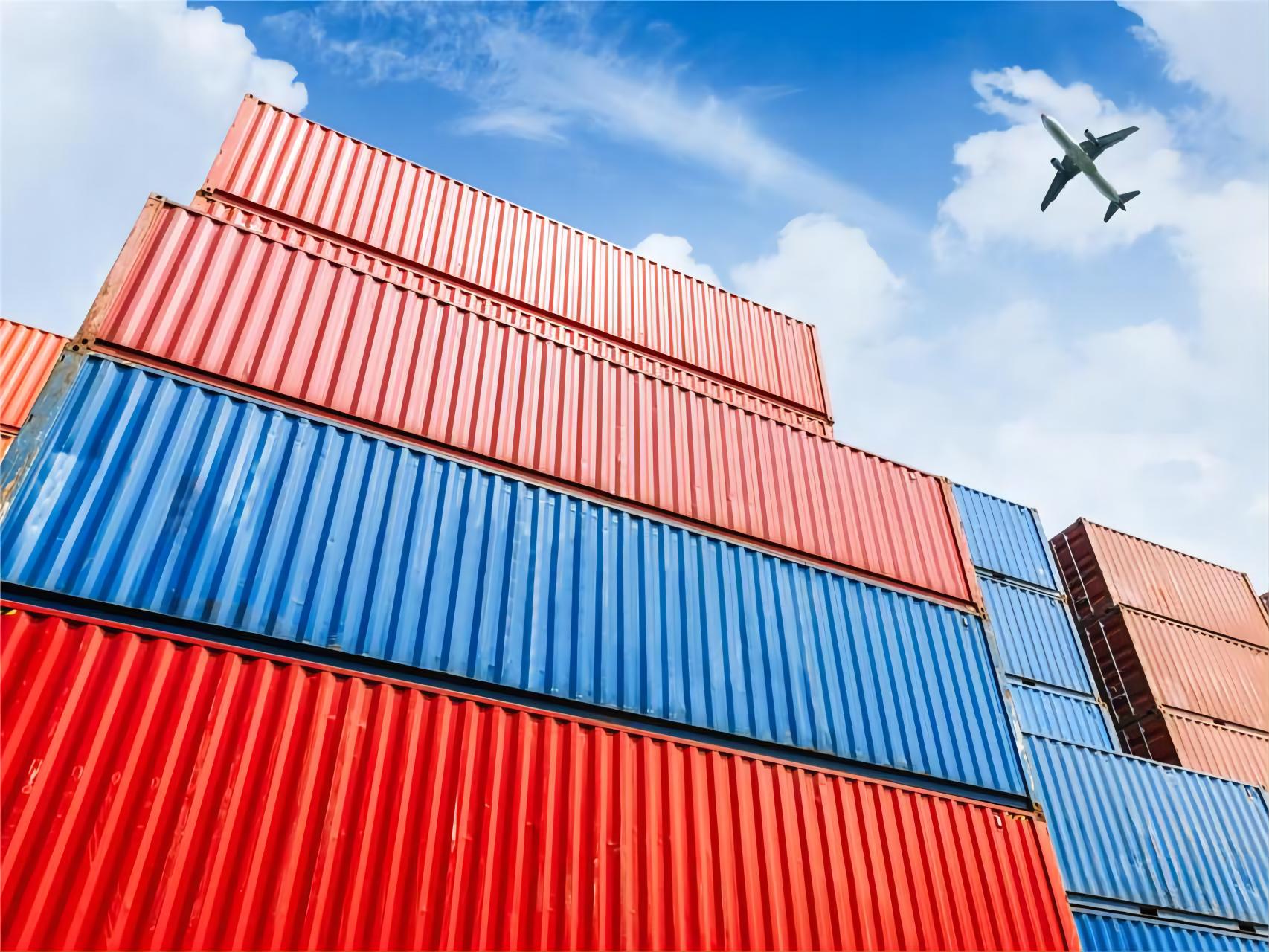
40GP FCL detention prevention for lighting from China to Miami
Managing international logistics requires precision, especially when handling high-value goods like LED fixtures. China Top Freight provides comprehensive solutions to ensure your cargo moves efficiently through global trade lanes. 40GP FCL detention prevention for lighting from China to Miami is a critical concern for importers who want to avoid unnecessary costs at the Port of Miami. This guide explores how to streamline your supply chain and protect your profit margins from unexpected port fees.
What is 40GP FCL detention prevention for lighting from China to Miami?
Detention refers to the fees charged by shipping lines when an importer keeps a container outside the port terminal beyond the agreed free time. For lighting products, which often require careful unloading and specialized warehousing, these costs can accumulate rapidly if the 40GP container is not returned promptly. Therefore, implementing a robust 40GP FCL detention prevention for lighting from China to Miami strategy is essential for maintaining a lean supply chain.
Importers must understand that detention is distinct from demurrage, which applies to containers staying inside the port. Because lighting shipments can be bulky and fragile, the destuffing process might take longer than standard consumer goods. Consequently, proactive planning with your freight forwarder is the only way to ensure the equipment returns to the carrier within the 5 to 7-day window typically provided.
Moreover, the specific route from Chinese hubs like Shenzhen or Ningbo to Miami involves complex transshipment points or Panama Canal crossings. Any delay in the sea transit or at the destination warehouse can trigger these daily penalties. Effectively managing this process requires a deep understanding of carrier contracts and local trucking availability in Florida.

Why do lighting importers face high detention fees in Miami?
Miami serves as a major gateway for the Southeastern United States and Latin America, leading to significant port congestion during peak seasons. Furthermore, lighting products are often subject to intensive inspections by the Food and Drug Administration or the Department of Energy. These regulatory hurdles can delay the release of the 40GP container, causing it to sit at the warehouse for longer than expected.
Labor shortages in the trucking sector also contribute to the difficulty of returning empty containers to the terminal. If a driver cannot secure an appointment at the Port of Miami, the container remains on the chassis, and the detention clock continues to tick. Additionally, many lighting importers do not have enough dock space to unload a full 40GP container in a single day, which extends the equipment usage time.
Specifically, the fragility of glass components in chandeliers or high-end architectural lighting necessitates a slower manual unloading process. This contrast with automated palletized cargo means that lighting shipments are naturally more prone to exceeding free time limits. As a result, businesses must negotiate extended free time or utilize pre-pull strategies to mitigate financial risks.
How does 40GP FCL compare to other shipping options?
Choosing the right shipping method is the first step in cost control. While a 40GP container offers the best volume-to-price ratio for large lighting orders, it carries higher detention risks than LCL shipments. In contrast, air freight eliminates detention entirely but comes at a significantly higher price point that may not be sustainable for low-margin products.
Below is a detailed comparison of the primary shipping methods available for the China to Miami route. This analysis helps importers determine if FCL is truly the most efficient choice for their current inventory needs.
| Shipping Method | Cost Range | Transit Time | Best For | Limitations |
|---|---|---|---|---|
| 40GP FCL | $4,500 – $6,500 | 30 – 40 Days | Bulk Lighting Orders | Detention Risks |
| LCL Sea | $80 – $150/CBM | 35 – 45 Days | Small Inventories | Higher Handling |
| Air Freight | $5 – $9/KG | 5 – 8 Days | Urgent Projects | High Cost |
| Sea-Air Hybrid | $2,500 – $4,000 | 18 – 22 Days | Balanced Needs | Complex Logistics |
Which Option Should You Choose?
If your budget is the primary priority, sea freight remains the superior choice despite the risk of detention. For shipments exceeding 15 cubic meters, the 40GP container is almost always more economical than LCL. However, if speed is the priority for a project deadline, air freight is the only viable alternative despite the 500 percent cost increase.
Cargo type also plays a role. Fragile, high-end lighting might benefit from the reduced handling of FCL. Meanwhile, smaller, standardized LED bulb shipments might be better suited for LCL to avoid the complexities of managing a full container return.

Can customs brokerage help with 40GP FCL detention prevention for lighting from China to Miami?
Professional customs brokerage services are vital for avoiding delays that lead to detention. A skilled broker ensures that all ISF filings and entry summaries are submitted well before the vessel arrives in Miami. Consequently, the container can be cleared and picked up the moment it hits the terminal floor, maximizing the available free time.
Incorrect classification of lighting products under the Harmonized Tariff Schedule can lead to customs holds. For example, failing to distinguish between decorative lamps and industrial LED fixtures might trigger an audit. In addition, a broker can help you navigate the complex anti-dumping duties that sometimes apply to Chinese aluminum components used in lighting.
Indeed, the synergy between your freight forwarder and customs agent determines the speed of the last-mile delivery. By resolving documentation issues early, you prevent the 40GP container from sitting idle. This proactive approach is the cornerstone of any successful 40GP FCL detention prevention for lighting from China to Miami strategy.
| Document Name | Required For | Timeline | Impact on Detention |
|---|---|---|---|
| ISF 10+2 | US Customs | 24hrs before loading | High – Prevents holds |
| Bill of Lading | Carrier Release | At arrival | Essential for pickup |
| Commercial Invoice | Duty Valuation | Before arrival | Avoids exam delays |
| Packing List | Cargo Verification | Before arrival | Speeds up unloading |
How to optimize sea freight transit times for lighting shipments?
Optimizing sea freight involves selecting the right carrier and route. Direct services from Shanghai or Shenzhen to Miami are faster but often more expensive than transshipment routes via Panama or Kingston. Nevertheless, the time saved on a direct route can be the difference between returning a container on time or paying hundreds in detention fees.
Importers should also monitor the seasonal fluctuations in the shipping market. During the Q4 peak season, port congestion in Miami typically increases by 20 percent. Therefore, booking your 40GP container at least 3 to 4 weeks in advance allows for better equipment availability and more flexible scheduling.
Another strategy involves using ‘Premium’ ocean services that guarantee space and equipment. While these services have a higher upfront cost, they often include extended free time at the destination as part of the package. This is a highly effective method for 40GP FCL detention prevention for lighting from China to Miami.
Should you use door to door services for lighting?
Utilizing door to door logistics simplifies the entire process by placing the responsibility for the container return on the forwarder. In this model, the forwarder manages the pickup from the Chinese factory, the ocean leg, and the final delivery to your Miami warehouse. This end-to-end visibility is crucial for tracking the container’s status in real-time.
When the forwarder controls the trucking, they can better coordinate the ‘street turn’ of the container. A street turn occurs when an empty container is moved directly from one importer’s warehouse to another exporter’s facility without returning to the port. This saves time and eliminates the risk of detention entirely.
Furthermore, door-to-door providers often have established relationships with local Miami drayage companies. These partnerships ensure that your lighting shipment receives priority for chassis availability and terminal appointments. Consequently, the total landed cost is often lower despite the seemingly higher service fee.
Real Case Studies of Miami Lighting Shipments
Analyzing real-world scenarios provides valuable insights into the costs and timelines associated with this route. These examples reflect market conditions in late 2024 and early 2025. Please note that freight rates are subject to change based on fuel costs, carrier capacity, and seasonal demand. Contact us for a current quote tailored to your specific shipment.
The following cases demonstrate how different strategies impacted the final delivery and detention outcomes for two distinct types of lighting products.
Case Study 1: LED Commercial Fixtures
Route: Shenzhen, China to Miami, USA. Cargo: Commercial LED Troffers, 65 CBM. Container: 40GP. Shipping Method: Sea Freight FCL. Carrier: COSCO. Port of Loading: Yantian. Port of Discharge: Miami. Route Type: Direct. Ocean Freight: $5,200. Origin Charges: $450. Destination Charges: $850. Customs and Duties: $1,200. Total Landed Cost: $7,700. Timeline: Booking to Loading: 5 days. Sea Transit: 32 days. Customs Clearance: 2 days. Total Door-to-Door: 42 days. Key Insight: By using a direct service and pre-clearing customs, the importer avoided all detention fees.
Case Study 2: Luxury Chandeliers
Route: Ningbo, China to Miami, USA. Cargo: Crystal Chandeliers, 58 CBM. Container: 40GP. Shipping Method: Sea Freight FCL. Carrier: Maersk. Port of Loading: Ningbo. Port of Discharge: Miami. Route Type: Transshipment via Panama. Ocean Freight: $4,800. Origin Charges: $400. Destination Charges: $1,100 (including 3 days detention). Customs and Duties: $3,500. Total Landed Cost: $9,800. Timeline: Booking to Loading: 7 days. Sea Transit: 38 days. Customs Clearance: 5 days (FDA hold). Total Door-to-Door: 55 days. Key Insight: An unexpected FDA inspection delayed the container at the warehouse, resulting in $300 of detention fees. This highlights the need for extra free-time negotiation for regulated lighting.
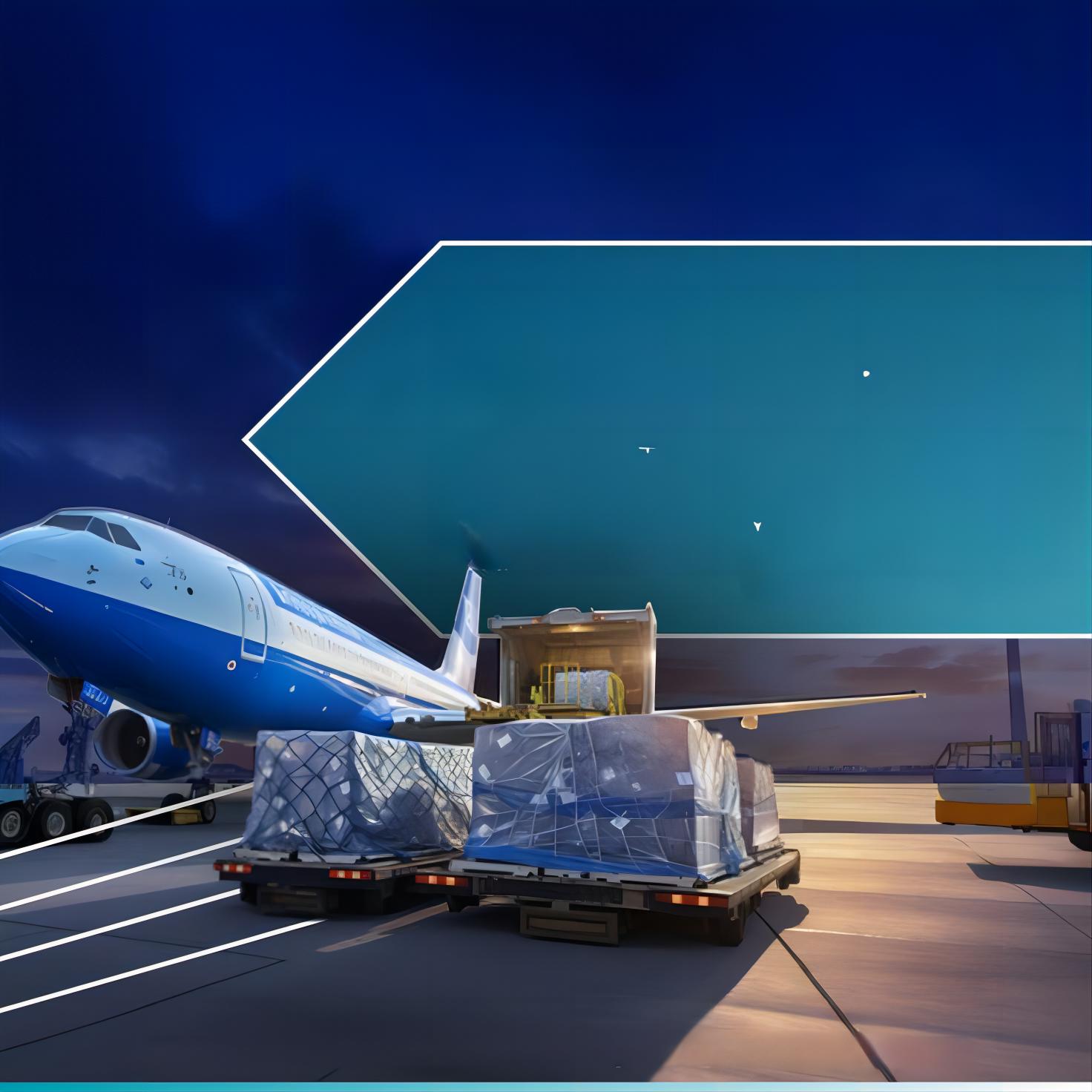
What are the current shipping trends for North America?
Shipping from China to North America is currently influenced by shifting trade patterns and port labor negotiations. As of early 2025, many importers are diverting cargo to East Coast ports like Miami to avoid potential disruptions on the West Coast. This increased volume has led to tighter container yard space and more frequent detention billing.
Technological trends are also playing a role. Blockchain-based tracking and automated gate systems at the Port of Miami are helping to reduce the time containers spend in transit. However, the complexity of the global supply chain means that unexpected events, such as canal draught restrictions, can still impact your delivery schedule.
Additionally, sustainability is becoming a priority for North American retailers. Some lighting companies are now choosing carriers that offer carbon offset programs or use LNG-powered vessels. While this may not directly impact detention, it is an important factor in long-term carrier selection and contract negotiations.
How to negotiate more free days for 40GP FCL detention prevention for lighting from China to Miami?
Negotiating extended free time is one of the most effective ways to prevent detention charges. Most carriers offer a standard 5 to 7 days of free time, but this can often be extended to 10 or 14 days if requested at the time of booking. For lighting shipments, which have a high risk of inspection delays, this extra cushion is invaluable.
Your freight forwarder plays a critical role in these negotiations. Because they move large volumes of cargo, they have the leverage to secure better terms than a small individual importer. Furthermore, if you are a high-volume shipper, you can include specific detention clauses in your annual service contract.
Another tactic is to use ‘Carrier Haulage’ instead of ‘Merchant Haulage’. In carrier haulage, the shipping line is responsible for the trucking. While this gives you less control over the local delivery, the carrier is often more lenient with detention fees since they are managing the equipment movement themselves.
Mastering Container Logistics for Lighting
Successfully managing 40GP FCL detention prevention for lighting from China to Miami requires a combination of proactive planning, expert customs brokerage, and strategic carrier selection. By understanding the causes of detention and implementing the strategies discussed, importers can significantly reduce their logistics overhead.
Whether you are shipping bulk LED components or fragile luxury fixtures, the key is to maintain visibility and flexibility throughout the transit process. Partnering with a knowledgeable forwarder ensures that your container returns to the port on time, every time, protecting your bottom line and ensuring your lighting products reach Miami customers without delay.
Ready to streamline your logistics?
Ready to streamline your lighting supply chain and eliminate costly port fees? Contact China Top Freight today for a customized quote and expert guidance on 40GP FCL detention prevention for lighting from China to Miami. Visit our website to learn more and start your inquiry.
Request Quote