Sea Freight China to USA Bulk Shipping: A Complete Logistics Guide
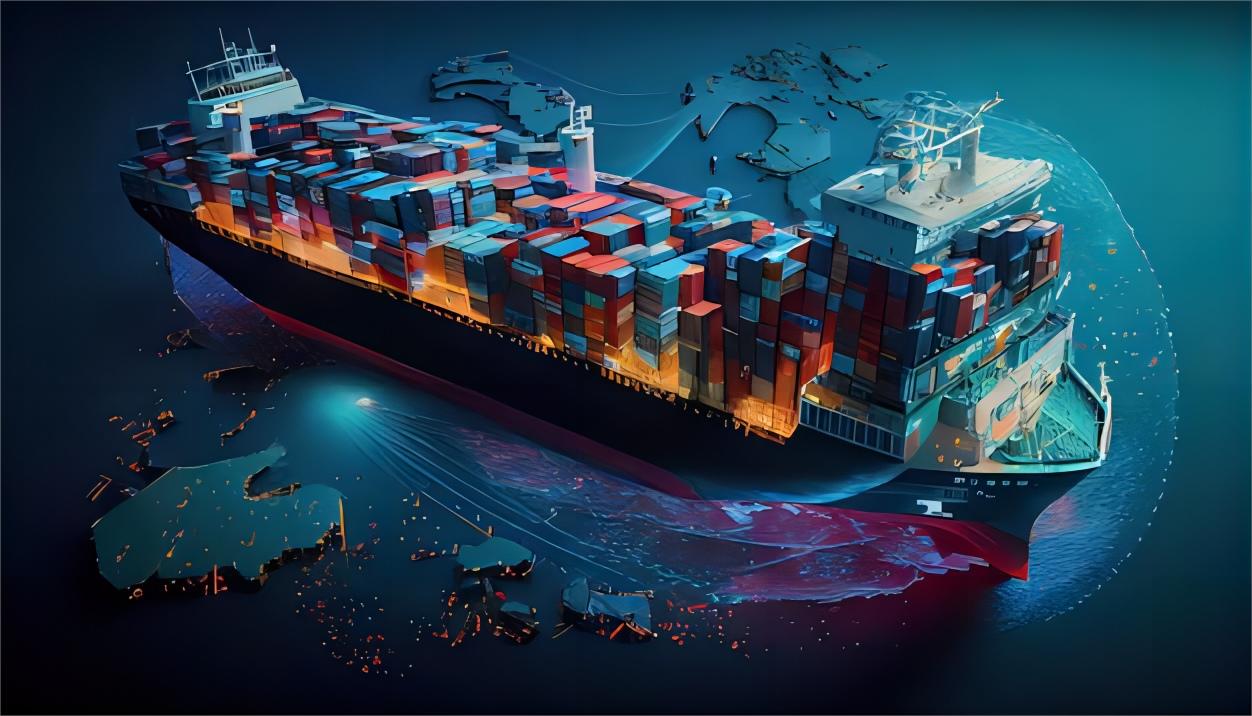
Managing sea freight china to usa bulk shipping requires a strategic approach to logistics and complex supply chain management. Businesses looking for reliable and cost-effective transport solutions can trust China Top Freight to handle their international cargo needs effectively. This comprehensive guide explores how to navigate the complexities of bulk cargo to ensure timely and safe delivery to the United States.
✦
How Does Sea Freight China to USA Bulk Shipping Compare to Other Shipping Options?
Choosing the right transportation method is crucial for maintaining a healthy bottom line in international trade. While ocean transport is the standard for large volumes, businesses often weigh it against air or rail alternatives. Consequently, understanding the trade-offs between speed and cost is essential for effective inventory management.
Sea freight remains the most economical choice for transporting massive quantities of goods over long distances. In contrast, air freight offers speed but comes with significantly higher price tags that can erode profit margins on low-value goods. Therefore, most importers prioritize ocean routes for their primary supply chain needs.
Moreover, hybrid solutions like sea-air combinations have emerged as a middle ground for urgent yet heavy shipments. Nevertheless, for true bulk commodities, the capacity of a container ship is unmatched by any other mode of transport. This makes it the backbone of the global trade network between China and North America.
| Shipping Method | Cost Range | Transit Time | Best For |
|---|---|---|---|
| Sea Freight | $2,500 – $6,000 | 18 – 40 Days | Bulk & Heavy Goods |
| Air Freight | $5 – $12 per kg | 3 – 7 Days | High-Value Items |
| Express | $8 – $15 per kg | 2 – 5 Days | Small Samples |
| Sea-Air Hybrid | Moderate | 15 – 20 Days | Balanced Priority |
What are the Primary Costs Involved in Bulk Shipping?
Calculating the total landed cost of your shipment involves more than just the ocean freight rate. For instance, you must account for origin charges, destination fees, and mandatory customs duties. Additionally, fuel surcharges and seasonal fluctuations can impact your final invoice significantly.
Freight rates are often influenced by the time of year, with peak seasons typically occurring before major holidays. During these periods, carrier capacity tightens, leading to higher prices for all importers. To summarize, early booking and annual contracts can help mitigate these unpredictable price hikes.
Insurance is another critical component that businesses should never overlook when moving bulk cargo. While it adds a small percentage to the overall cost, it provides essential protection against maritime risks. Indeed, the peace of mind offered by comprehensive coverage is well worth the investment.
| Container Type | USA West Coast | USA East Coast | Capacity (CBM) |
|---|---|---|---|
| 20GP Container | $1,500 – $2,200 | $2,500 – $3,500 | 33 CBM |
| 40GP Container | $2,500 – $3,500 | $4,000 – $5,500 | 67 CBM |
| 40HQ Container | $2,800 – $3,800 | $4,500 – $6,000 | 76 CBM |

How Long Does Sea Freight China to USA Bulk Shipping Take?
Transit times vary depending on the specific port of loading and the final destination in the United States. Generally, shipments to the West Coast are significantly faster than those heading to the East Coast. For example, a direct vessel from Shanghai to Los Angeles might take only 14 to 18 days.
On the other hand, shipping to New York or Savannah via the Panama Canal can take upwards of 35 days. Furthermore, port congestion and weather conditions can introduce unexpected delays into the delivery schedule. Consequently, importers should always build a buffer into their logistics planning.
Efficiency at the port of discharge also plays a major role in the total door-to-door timeline. Once the ship docks, the cargo must undergo unloading and customs clearance before it can be moved inland. Without a doubt, working with an experienced partner can help streamline these final steps.
Transit Time by Major Route
Shenzhen to Los Angeles: 15-18 Days. Ningbo to New York: 32-38 Days. Qingdao to Savannah: 30-35 Days. Shanghai to Seattle: 16-20 Days.
Choosing Between FCL and LCL for Your Bulk Cargo
When planning sea freight, you must decide between Full Container Load (FCL) and Less than Container Load (LCL). FCL is generally preferred for bulk shipments because it offers better security and lower per-unit costs. Moreover, FCL shipments are less likely to experience delays during the consolidation process.
However, LCL can be a viable alternative if your bulk shipment does not quite fill a standard container. In this scenario, your goods share space with other shippers’ cargo, which can be more cost-effective for smaller volumes. Nevertheless, the increased handling involved in LCL can lead to a higher risk of minor damage.
For shipments exceeding 15 cubic meters, switching to a 20-foot container is usually the more economical choice. As a result, savvy importers often adjust their order volumes to reach these efficiency thresholds. This strategy ensures the lowest possible freight rates per cubic meter.
Navigating Customs and Documentation Requirements
Proper documentation is the foundation of a successful import process from China to the USA. You will need a commercial invoice, a packing list, and a bill of lading for every shipment. Additionally, an ISF (Importer Security Filing) must be submitted to US Customs at least 24 hours before the vessel departs.
Engaging a professional customs brokerage service is highly recommended to avoid costly penalties. These experts ensure that your goods are classified correctly under the Harmonized Tariff Schedule. Furthermore, they can help you navigate complex trade regulations and duty drawback programs.
Incomplete or inaccurate paperwork is one of the leading causes of customs delays at US ports. Therefore, double-checking every detail on your documents is a mandatory step in the shipping process. Indeed, a small error can lead to weeks of storage fees and intensive inspections.

Streamlining Deliveries with Door to Door Services
Many businesses prefer the convenience of door to door shipping to simplify their operations. This service covers the entire journey from the factory floor in China to the final warehouse in the USA. Consequently, it eliminates the need for the importer to manage multiple logistics providers.
Moreover, this integrated approach often leads to better communication and fewer hand-off errors between carriers. The freight forwarder takes full responsibility for every stage, including inland trucking and ocean transit. As a result, you can focus on your core business while the logistics experts handle the heavy lifting.
While door-to-door services might have a higher upfront cost, they often save money by reducing administrative overhead and avoiding middleman markups. For instance, the coordination of local drayage and long-haul trucking is handled by a single entity. This leads to a more predictable and efficient delivery schedule.
Bulk Shipping Strategies for Amazon FBA Sellers
E-commerce businesses often utilize Amazon FBA services to manage their US distribution. Shipping bulk inventory directly to Amazon fulfillment centers requires strict adherence to their labeling and packaging guidelines. For example, pallets must meet specific dimensions to be accepted at the warehouse.
Furthermore, managing the flow of goods into the FBA network is critical for avoiding stockouts or excessive storage fees. Many sellers use a third-party warehouse as a buffer to drip-feed inventory into Amazon’s system. Consequently, they can take advantage of bulk ocean rates while maintaining flexible stock levels.
If a specific SKU runs low, sellers might supplement their sea freight with a small batch via express service to keep the listing active. This multi-modal strategy ensures that the business remains resilient against supply chain disruptions. Indeed, balancing bulk sea shipments with fast air options is a hallmark of successful e-commerce logistics.
Real-World Case Studies in Bulk Logistics
Reviewing actual shipping scenarios can provide valuable insights into the practicalities of international trade. These examples highlight the costs and timelines associated with different types of bulk cargo. Note: Freight rates are subject to change based on fuel costs, carrier capacity, and seasonal demand. Contact us for a current quote tailored to your specific shipment.
Case Study 1: Solar Panel Distribution
Route: Shanghai, China to Los Angeles, USA. Cargo: Solar Panels, 65 CBM. Container: 1 x 40HQ. Carrier: COSCO. Ocean Freight: $3,200. Total Landed Cost: $4,850. Transit Time: 16 Days. Key Insight: Direct sailing saved 10 days compared to transshipment routes.
Case Study 2: Furniture Retail Import
Route: Ningbo, China to Savannah, USA. Cargo: Home Furniture, 140 CBM. Container: 2 x 40HQ. Carrier: Maersk via Panama Canal. Ocean Freight: $9,800. Total Landed Cost: $13,400. Transit Time: 34 Days. Key Insight: Booking 4 weeks in advance secured space during the Q3 peak season.
Which Shipping Option Should You Choose?
Deciding on the best shipping strategy depends on your specific business priorities and cargo characteristics. If budget is your primary concern, sea freight is almost always the superior choice for bulk volumes. However, if you are launching a new product and need it in stock immediately, air freight might be necessary.
Volume thresholds also play a major role in the decision-making process. For example, once your shipment exceeds 15 CBM, the cost-benefit analysis heavily favors FCL ocean shipping. For instance, the security of having your own container often outweighs the slight savings of LCL for high-value bulk items.
Finally, consider the geographical location of your final destination. Shipments to the Midwest might benefit from rail-sea combinations through West Coast ports. To summarize, a customized logistics plan is the best way to optimize your sea freight china to usa bulk shipping operations.
Final Thoughts on Bulk Shipping from China
Mastering sea freight china to usa bulk shipping is a journey that requires careful planning and the right partnerships. By understanding the nuances of container types, transit times, and customs requirements, you can significantly reduce your logistics costs. Moreover, staying informed about market trends allows you to adapt your strategy to changing conditions.
Whether you are a seasoned importer or new to the world of international trade, prioritizing efficiency is the key to long-term success. Always remember to factor in all landed costs and build flexibility into your delivery schedules. With the right approach, bulk shipping can become a powerful competitive advantage for your business.