

Sea Freight China to USA Reliable: The Ultimate 2024 Logistics Guide
Navigating the complexities of international logistics requires a partner that ensures your cargo arrives safely and on time. Finding a sea freight China to USA reliable service is essential for businesses looking to maintain a competitive edge in the global market. This guide explores everything you need to know about ocean transport, from cost optimization to choosing the right shipping methods for your specific needs.

How Does Sea Freight Compare to Other Shipping Options?
Selecting the right transport mode significantly impacts your overall bottom line and delivery schedule. While sea freight is often the most economical choice for large volumes, other methods offer speed advantages for urgent shipments.
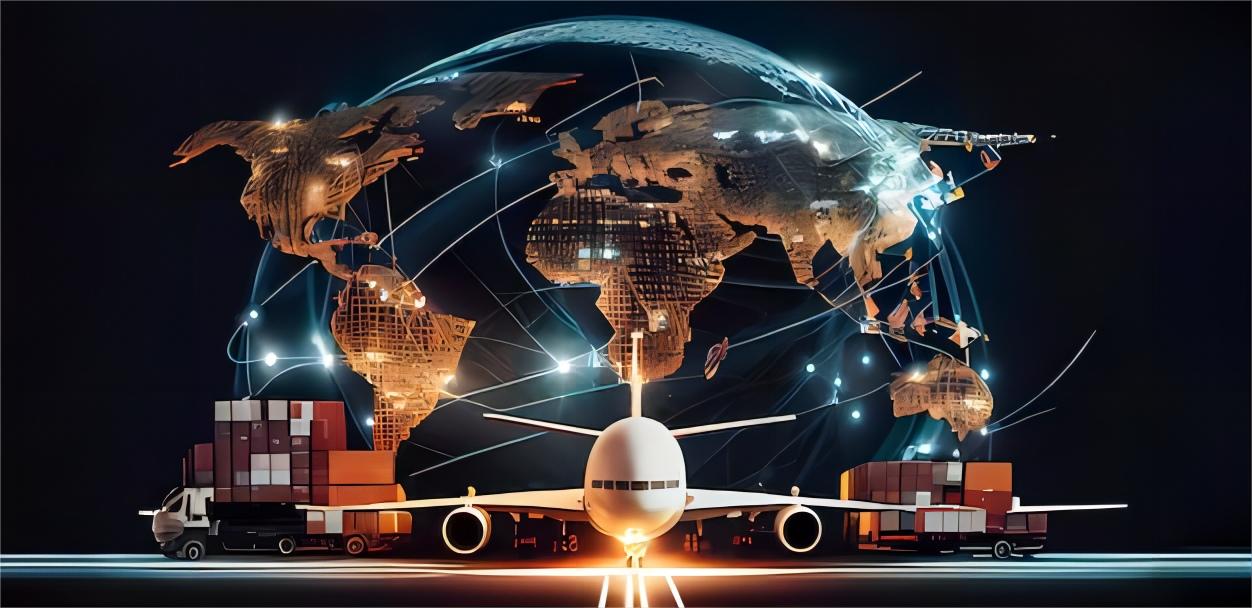
Air freight provides the fastest transit but comes at a significantly higher price point compared to ocean transport. Consequently, most importers reserve air transport for high-value electronics or emergency inventory restocks.
Moreover, express services offer the convenience of door-to-door delivery with minimal paperwork for the shipper. However, these costs can become prohibitive once shipment weight exceeds a few hundred kilograms.
| Shipping Method | Cost Range | Transit Time | Best For | Limitations |
|---|---|---|---|---|
| Sea Freight (FCL) | $2,500 – $5,500 | 18-40 Days | Large volumes | Longer lead times |
| Air Freight | $5.00 – $12.00/kg | 3-7 Days | Urgent goods | High cost |
| Express Service | $8.00 – $15.00/kg | 2-5 Days | Small samples | Weight limits |
| Sea-Air Hybrid | Moderate | 12-20 Days | Balanced needs | Complex routing |
What Are the Benefits of Choosing a Reliable Sea Freight Service?
Reliability in ocean logistics means more than just a ship arriving at a port. It involves consistent communication, accurate documentation, and predictable schedules that allow you to plan your inventory accurately.
Working with a professional provider ensures that your sea freight operations remain smooth even during peak seasons. Furthermore, experienced forwarders have the leverage to secure space on vessels when capacity is tight.
Additionally, reliable services reduce the risk of hidden fees and unexpected port delays. Therefore, investing in a quality shipping partner ultimately saves money by preventing costly supply chain disruptions.
Understanding FCL and LCL Shipping Methods
Importers must choose between Full Container Load (FCL) and Less than Container Load (LCL) based on their cargo volume. FCL is generally more cost-effective if you have enough goods to fill at least 60 percent of a 20ft container.
In contrast, LCL allows you to share container space with other shippers, which is ideal for smaller loads. This method is particularly popular for Amazon FBA sellers who may not have enough stock for a full container.
However, LCL involves more handling at the port, which can slightly increase the risk of damage or delays. Consequently, many businesses prefer FCL for fragile items or when security is a top priority.
| Feature | FCL (Full Container) | LCL (Shared) | Recommendation |
|---|---|---|---|
| Volume | Over 15 CBM | Under 15 CBM | FCL for speed |
| Cost Basis | Flat rate per unit | Price per CBM | LCL for small |
| Handling | Minimal | Frequent | FCL for safety |
| Transit Time | Faster | Slower (3-5 days) | FCL for urgency |
Transit Times and Major Shipping Routes
The time it takes for your goods to travel from China to the USA depends heavily on the destination port. Shipments to the West Coast, such as Los Angeles or Long Beach, are significantly faster than those going to the East Coast.
Typically, a direct route from Shanghai to Los Angeles takes approximately 14 to 18 days. On the other hand, shipping to New York or Savannah via the Panama Canal can take 30 to 40 days.
Weather conditions and port congestion also play a major role in the actual delivery schedule. Therefore, you should always build a buffer of at least one week into your planning to account for unforeseen circumstances.
| Origin Port | Destination Port | Avg Transit | Route Type |
|---|---|---|---|
| Shenzhen | Los Angeles | 16 Days | Direct |
| Ningbo | New York | 32 Days | Panama Canal |
| Qingdao | Savannah | 35 Days | Suez/Panama |
| Shanghai | Seattle | 15 Days | Direct |
Case Study 1: Electronics Distribution to California
Case Study 1: High-Volume Consumer Electronics
Route: Shenzhen, China to Los Angeles, USA
Cargo: Computer peripherals, 65 CBM, 12,500 kg

Container: 1 x 40HQ
Shipping Details:
– Carrier: COSCO
– Port of Loading: Shenzhen
– Port of Discharge: Los Angeles
– Route Type: Direct
Cost Breakdown:
– Ocean Freight: $3,200
– Origin Charges: $450
– Destination Charges: $600
– Customs and Duties: $4,500
– Total Landed Cost: $8,750
Timeline:
– Booking to Loading: 4 days
– Sea Transit: 16 days
– Customs Clearance: 2 days
– Total Door-to-Door: 25 days
Key Insight: Utilizing a direct route to the West Coast minimized transit time and reduced the risk of transshipment delays during the Q3 peak season.
Case Study 2: Furniture Retailer in New York
Case Study 2: LCL Furniture Shipment
Route: Ningbo, China to New York, USA
Cargo: Handmade wooden chairs, 8 CBM, 1,200 kg
Container: LCL
Shipping Details:
– Carrier: Major carrier
– Port of Loading: Ningbo
– Port of Discharge: New York
– Route Type: Transshipment via Singapore
Cost Breakdown:
– Ocean Freight: $960 ($120/CBM)
– Origin Charges: $200
– Destination Charges: $350
– Customs and Duties: $800
– Total Landed Cost: $2,310
Timeline:
– Booking to Loading: 6 days
– Sea Transit: 34 days
– Customs Clearance: 3 days
– Total Door-to-Door: 48 days
Key Insight: While LCL was more economical for this volume, the transshipment added nearly 10 days to the total timeline compared to a direct service.
Managing Customs and Documentation Challenges
Navigating the legal requirements for importing goods into the USA can be daunting for many businesses. Professional customs brokerage services are vital for ensuring compliance with U.S. Customs and Border Protection.
Specifically, you must ensure that all commercial invoices, packing lists, and bills of lading are accurate. Any discrepancy in the Harmonized System (HS) codes can lead to significant fines or cargo seizures.
Furthermore, certain products may require additional permits or inspections from agencies like the FDA or EPA. Consequently, working with an expert helps you identify these requirements long before the ship leaves the Chinese port.
The Convenience of Door to Door Logistics
Many modern importers prefer a hands-off approach to their international shipping needs. A door to door service manages every step of the journey from the manufacturer’s warehouse to your final destination.
This comprehensive solution includes local trucking in China, ocean freight, customs clearance, and final mile delivery in the USA. Indeed, this model significantly reduces the administrative burden on your internal team.
Moreover, it provides a single point of contact for tracking and troubleshooting. Although the upfront cost might seem higher, the efficiency gains often result in lower total operational expenses.
How to Reduce Your Sea Freight Costs
Optimizing your shipping strategy can lead to substantial savings over the course of a fiscal year. For instance, consolidating multiple small orders into a single FCL shipment often reduces the cost per unit significantly.
Additionally, you should consider shipping during the off-peak season when demand for container space is lower. Rates typically spike during the months leading up to the Lunar New Year and the year-end holiday season.
Negotiating long-term contracts with a freight forwarder can also provide more stable pricing. Meanwhile, always verify the weight and dimensions of your cargo to avoid paying for unused space or incurring overweight surcharges.
Which Option Should You Choose?
Determining the best shipping strategy requires evaluating your budget, timeline, and cargo specifications. If your primary goal is cost reduction and you have flexible deadlines, sea freight is the clear winner.
However, if you are launching a new product and need it in stock immediately, air freight might be worth the investment. For mid-sized shipments that are not time-sensitive, LCL provides a great balance of affordability and accessibility.
Specifically, consider the total landed cost rather than just the ocean freight rate. This includes all duties, taxes, and local delivery fees that contribute to your final expenditure.
Summary of Reliable Sea Freight Strategies
Establishing a sea freight China to USA reliable pipeline is the foundation of a successful import business. By understanding the differences between FCL and LCL, monitoring transit times, and preparing accurate documentation, you can avoid common pitfalls.
Furthermore, partnering with a knowledgeable freight forwarder allows you to navigate market fluctuations and port congestion with confidence. Ultimately, a well-planned logistics strategy ensures your products reach the American market efficiently and cost-effectively.
Note: Freight rates are subject to change based on fuel costs, carrier capacity, and seasonal demand. Contact us for a current quote tailored to your specific shipment.
Need a tailored shipping solution?
Ready to streamline your supply chain with a sea freight China to USA reliable partner? Contact China Top Freight today to receive a customized quote and expert guidance for your next shipment. Visit our website to get started.