LCL Shipping from China Fast: The Ultimate Guide for Importers
LCL shipping from China fast is a critical requirement for modern businesses looking to maintain lean inventories and high turnover rates. By partnering with China Top Freight, importers can access streamlined consolidation services that significantly reduce wait times at major ports. Consequently, small and medium enterprises often prefer this method over waiting to fill a whole container. This guide explores how you can expedite your ocean shipments while maintaining cost efficiency in a competitive global market.
✦What is LCL Shipping from China Fast and How Does It Work?
Less than Container Load, commonly known as LCL, allows multiple shippers to share space within a single ocean container. Specifically, this method is ideal for businesses that do not have enough cargo to fill a standard 20-foot or 40-foot container. When you choose sea freight for smaller volumes, your goods are consolidated at a container freight station before departure.
Expedited LCL services focus on utilizing premium carriers and priority discharge at the destination port. Furthermore, fast LCL often involves direct routes with fewer transshipment points to ensure the fastest possible transit time. Therefore, understanding the consolidation cycle is essential for planning your inventory arrivals accurately.
Logistics providers specialize in grouping compatible cargo to maximize efficiency and minimize handling risks. As a result, your goods move through the supply chain with the same level of professional care as full container loads. Nevertheless, the speed of your shipment depends heavily on the efficiency of the freight forwarder and the chosen shipping lane.

How Does LCL Shipping Compare to Other Shipping Options?
Comparing different transportation modes is vital for determining the most cost-effective strategy for your business. While LCL is generally more affordable than air freight, it usually takes longer to reach the final destination. However, expedited LCL options bridge the gap between slow ocean transit and expensive air transport.
Rail freight offers a middle ground for shipments heading to Europe, though it is not an option for Australia or North America. Additionally, FCL shipping is faster than LCL because it avoids the consolidation and deconsolidation phases. In contrast, LCL provides the flexibility to ship smaller quantities more frequently, which is a significant advantage for cash flow management.
Market data suggests that choosing the right method depends on your volume thresholds and urgency. For instance, if your cargo is under 15 CBM, LCL is typically the most economical choice. To help you decide, consider the following comparison of the primary shipping methods available from China.
| Shipping Method | Cost Range | Transit Time | Best For |
|---|---|---|---|
| LCL Sea Freight | $50 – $150 per CBM | 20 – 40 Days | Small volumes, Budget |
| FCL Sea Freight | $1,500 – $5,000 | 14 – 35 Days | Large volumes, Safety |
| Air Freight | $4 – $8 per kg | 3 – 7 Days | Urgent, High-value |
| Rail Freight | $80 – $200 per CBM | 18 – 25 Days | Europe-bound cargo |
Key Factors Influencing Transit Time from China
Transit times are influenced by several external variables that can either speed up or delay your delivery schedule. For example, port congestion in major hubs like Shanghai or Ningbo can add several days to the loading process. Moreover, the frequency of vessel sailings from the origin port plays a crucial role in how quickly your consolidated cargo departs.
Customs clearance procedures at both the origin and destination can also impact the total door-to-door timeline. Consequently, working with an experienced partner for customs brokerage is essential to avoid unnecessary paperwork delays. Indeed, even a minor error in the commercial invoice can lead to significant hold-ups at the border.
Weather conditions and seasonal demand fluctuations are additional factors that shippers must account for in their planning. Specifically, during the peak season from August to October, space becomes limited and transit times may increase. Accordingly, booking your shipment at least two weeks in advance is a wise strategy to secure space on faster vessels.
Which Option Should You Choose? Decision Framework
Determining the best shipping strategy requires a clear understanding of your business priorities and cargo characteristics. If your primary goal is speed and you are shipping high-value electronics, air freight remains the top choice. On the other hand, for e-commerce sellers using Amazon FBA, a fast LCL service provides the perfect balance of cost and speed.
Volume thresholds often dictate the switch from LCL to FCL to maximize container utilization. For instance, when your cargo exceeds 15 CBM, the cost of a full 20GP container might be lower than the combined LCL fees. Furthermore, the nature of the goods, such as hazardous materials or fragile items, might necessitate specific handling that influences the choice of method.
Budget constraints are usually the deciding factor for many small businesses importing from China. In such cases, sea freight consolidation services offer a scalable solution that grows with your business needs. To summarize, evaluate your lead times, profit margins, and cargo volume before committing to a specific shipping route.
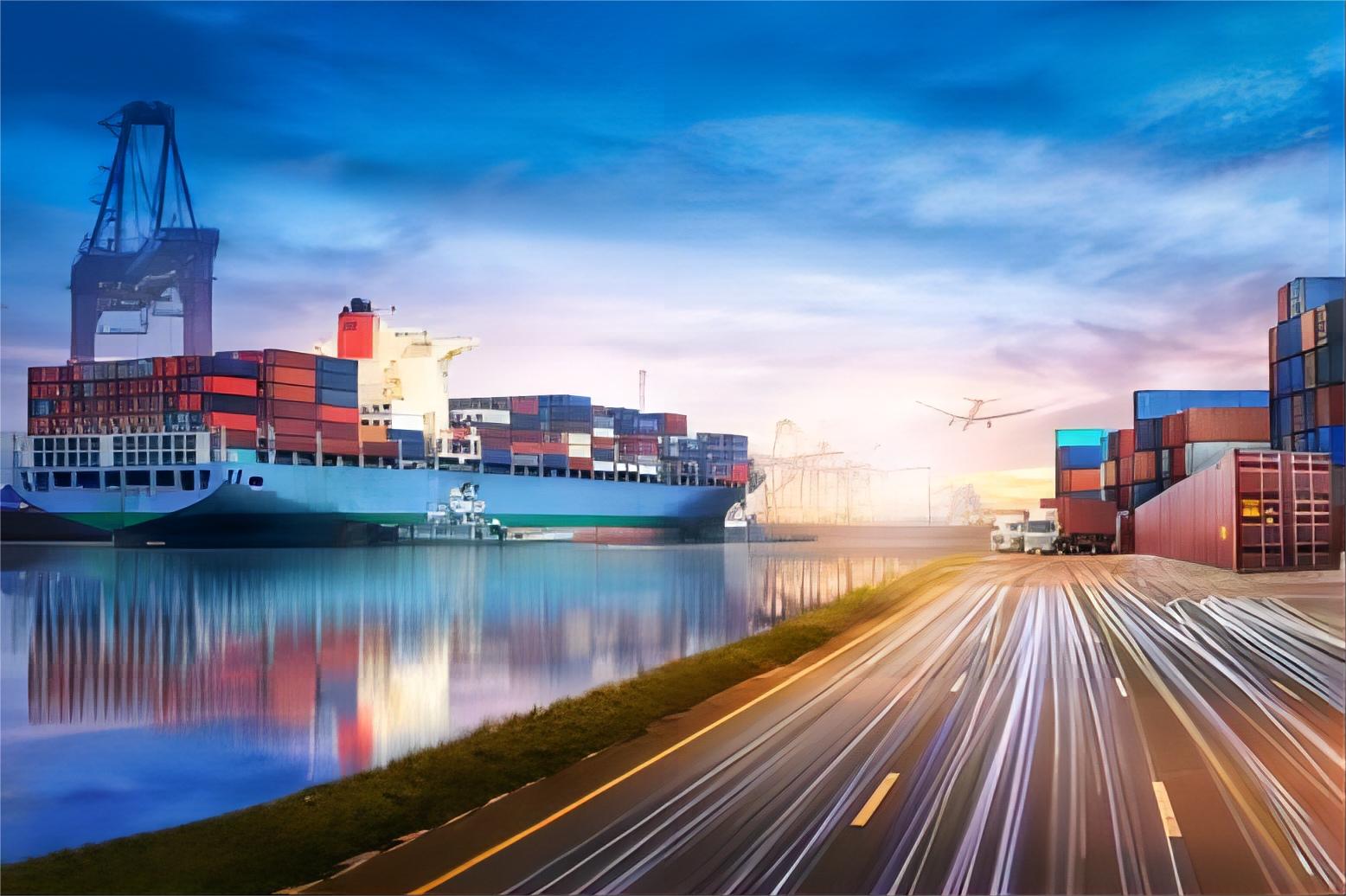
Transit Time Estimates by Major Destination
Shipping durations vary significantly depending on the geographical distance and the efficiency of the local infrastructure. For example, shipments to the USA West Coast are much faster than those going to the East Coast due to the direct trans-Pacific routes. Meanwhile, European destinations often require longer transit times as vessels must navigate the Suez Canal or go around the Cape of Good Hope.
Typical rates as of early 2024 suggest that transit times have stabilized following previous global disruptions. However, it is important to remember that these are port-to-port estimates and do not include inland transportation. The following table provides an overview of the average transit times for LCL shipping from major Chinese ports to global destinations.
| Destination | Port of Discharge | Sea Transit | Total Door-to-Door |
|---|---|---|---|
| USA West Coast | Los Angeles / Long Beach | 14 – 18 Days | 22 – 28 Days |
| USA East Coast | New York / Savannah | 30 – 35 Days | 38 – 45 Days |
| Western Europe | Rotterdam / Hamburg | 30 – 38 Days | 40 – 50 Days |
| Australia | Sydney / Melbourne | 12 – 18 Days | 20 – 26 Days |
Essential Documentation for Fast LCL Shipping
Accurate documentation is the backbone of any successful international trade transaction. Without the correct paperwork, your cargo can be delayed at customs, leading to storage fees and missed delivery deadlines. Therefore, ensuring that your door to door service includes comprehensive document review is a major advantage.
Key documents include the Bill of Lading, which acts as a contract of carriage and a receipt for the goods. Additionally, the Commercial Invoice and Packing List provide the necessary details for customs officials to assess duties and taxes. In addition, certain products may require a Certificate of Origin or specific permits depending on the destination country’s regulations.
Digital documentation is becoming increasingly common in the logistics industry to speed up the clearance process. By submitting your paperwork electronically, you can often clear customs before the vessel even arrives at the port. Consequently, this proactive approach is a hallmark of high-quality freight forwarding solutions.
Real-World Case Studies of LCL Shipping from China Fast
Analyzing actual shipping scenarios provides valuable insights into the practical challenges and costs associated with LCL logistics. These cases reflect real market conditions and demonstrate how different strategies impact the final outcome. Specifically, they highlight the importance of carrier choice and route planning in achieving fast delivery.
Case Study 1: Shenzhen to Los Angeles. Cargo: Consumer Electronics, 5 CBM, 1200kg. Shipping Method: Expedited LCL. Carrier: Major Premium Carrier. Port of Loading: Shenzhen. Port of Discharge: Los Angeles. Ocean Freight: $850. Origin/Destination Charges: $450. Total Landed Cost: $1,300. Sea Transit: 15 days. Total Door-to-Door: 24 days. Key Insight: Using a direct service to the West Coast saved 10 days compared to standard transshipment.
Case Study 2: Ningbo to Hamburg. Cargo: Apparel and Textiles, 8 CBM, 2000kg. Shipping Method: Standard LCL. Carrier: Global Alliance. Port of Loading: Ningbo. Port of Discharge: Hamburg. Ocean Freight: $1,100. Origin/Destination Charges: $600. Total Landed Cost: $1,700. Sea Transit: 33 days. Total Door-to-Door: 45 days. Key Insight: Consolidating at a major hub like Ningbo ensured a reliable weekly sailing schedule.
Case Study 3: Guangzhou to Sydney. Cargo: Home Furniture, 3 CBM, 600kg. Shipping Method: Door-to-Door LCL. Carrier: Regional Specialist. Port of Loading: Guangzhou. Port of Discharge: Sydney. Ocean Freight: $450. Origin/Destination Charges: $350. Total Landed Cost: $800. Sea Transit: 14 days. Total Door-to-Door: 22 days. Key Insight: Direct routes to Australia are highly efficient for small volume shipments. Note: Freight rates are subject to change based on fuel costs, carrier capacity, and seasonal demand. Contact us for a current quote tailored to your specific shipment.
Market Intelligence and Logistics Trends in 2024
According to industry benchmarks, the freight market in 2024 has seen a stabilization of rates after the volatility of previous years. However, geopolitical events continue to influence shipping routes, particularly for cargo moving between China and Europe. Furthermore, the increasing focus on sustainability is leading many carriers to adopt greener technologies, which may impact future pricing.
Digitalization is another major trend, with more freight forwarders offering real-time tracking and automated quoting systems. This transparency allows shippers to monitor their LCL shipments more closely and adjust their supply chain plans accordingly. Additionally, the growth of cross-border e-commerce continues to drive demand for faster and more reliable consolidation services.
Seasonal patterns remain a constant factor in the shipping industry, with rates typically increasing by 15-25% during the peak season. Therefore, staying informed about market conditions is essential for any business that relies on importing goods from China. By understanding these trends, you can better navigate the complexities of global logistics.

Mastering LCL Shipping from China Fast for Business Growth
Successfully managing LCL shipping from China fast requires a combination of strategic planning and reliable partnerships. By understanding the nuances of consolidation, transit times, and documentation, you can optimize your logistics operations for maximum efficiency. Furthermore, choosing the right shipping method based on your specific needs ensures that you remain competitive in your market.
Ultimately, the goal is to balance speed and cost while maintaining the integrity of your cargo throughout its journey. Whether you are a small startup or an established enterprise, the flexibility of LCL shipping provides a scalable way to manage your international trade. Stay proactive, keep informed about market trends, and leverage the expertise of professional freight forwarders to achieve your shipping goals.
Streamline your supply chain today with our expert LCL shipping from China fast. Contact China Top Freight to receive a competitive quote and discover how our tailored logistics solutions can save you time and money on your next shipment. Visit our website to get started with a free consultation and take the first step toward hassle-free importing.
Request Quote