China to UK Amazon Shipping for Business: 2026 Strategy Guide
Scaling an e-commerce brand requires a robust supply chain, especially when managing china to uk amazon shipping for business. Navigating the complexities of international logistics can be daunting for many UK-based sellers. However, understanding the nuances of freight modes and customs regulations ensures your inventory arrives safely at Amazon fulfillment centers. This comprehensive guide explores the most efficient strategies for importing goods from China to the United Kingdom in 2026.
Why China to UK Amazon Shipping for Business is Critical in 2026
Businesses operating in the e-commerce space often face significant challenges when coordinating international logistics. For example, managing inventory levels while waiting for long sea transit times requires precise planning. Consequently, understanding the intricacies of china to uk amazon shipping for business is essential for maintaining a competitive edge in 2026.
Global supply chain shifts have made it necessary for sellers to diversify their shipping strategies. Indeed, relying on a single method can lead to stockouts during peak seasons. Furthermore, the UK market has become more restrictive regarding import compliance, meaning accuracy in documentation is now more important than ever. Accordingly, professional freight management has become a cornerstone of success for high-volume Amazon sellers.
Market data suggests that shipping costs from China to Europe have stabilized after the 2025 Red Sea disruptions. Nevertheless, savvy business owners continue to look for ways to optimize their landed costs. By leveraging the right freight forwarder, you can navigate these market fluctuations with greater confidence. Therefore, staying informed about the latest logistics trends is no longer optional for serious entrepreneurs.
Choosing the Right Freight Mode for Your UK Amazon Business
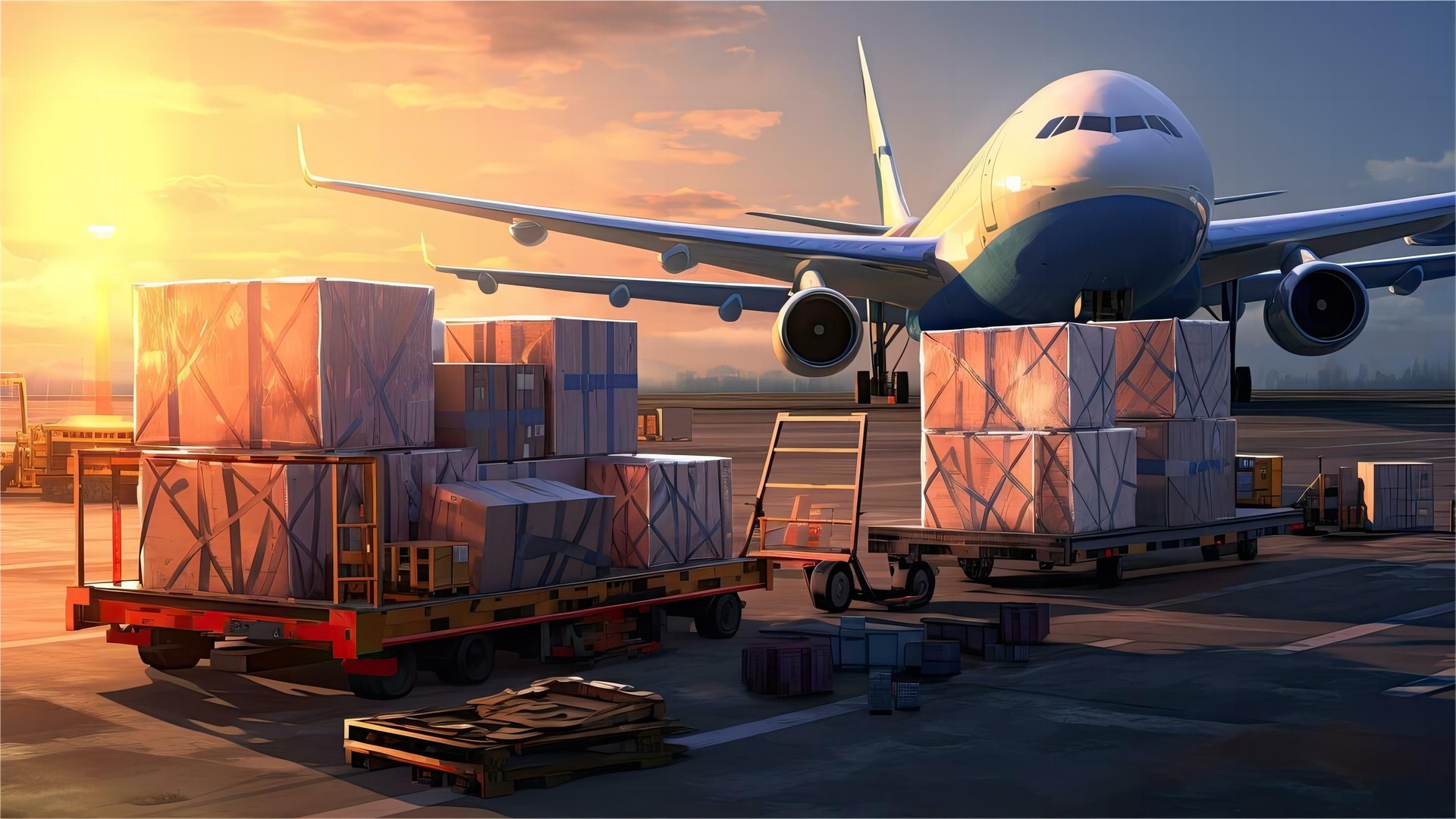
Selecting the appropriate transport method depends on your budget, cargo volume, and required delivery speed. For instance, sea freight remains the most cost-effective solution for large-scale inventory replenishment. Meanwhile, air freight offers the speed necessary to bridge gaps in stock during unexpected demand surges.
Transit times vary significantly between these options, with sea freight taking approximately 30 to 38 days. On the other hand, air freight can deliver goods to UK fulfillment centers in as little as 3 to 7 days. Additionally, rail freight has emerged as a viable middle-ground option for those seeking a balance between cost and speed. Without a doubt, each method serves a specific purpose within a well-rounded supply chain strategy.
| Method | Transit Time | Cost Level | Best For |
|---|---|---|---|
| Sea Freight | 30-40 Days | Low | Bulk Shipments |
| Air Freight | 3-7 Days | High | Urgent Restocks |
| Rail Freight | 18-25 Days | Medium | Balanced Loads |
| Express | 2-5 Days | Very High | Samples/Small |
How Does Sea Freight Compare to Other Shipping Options?
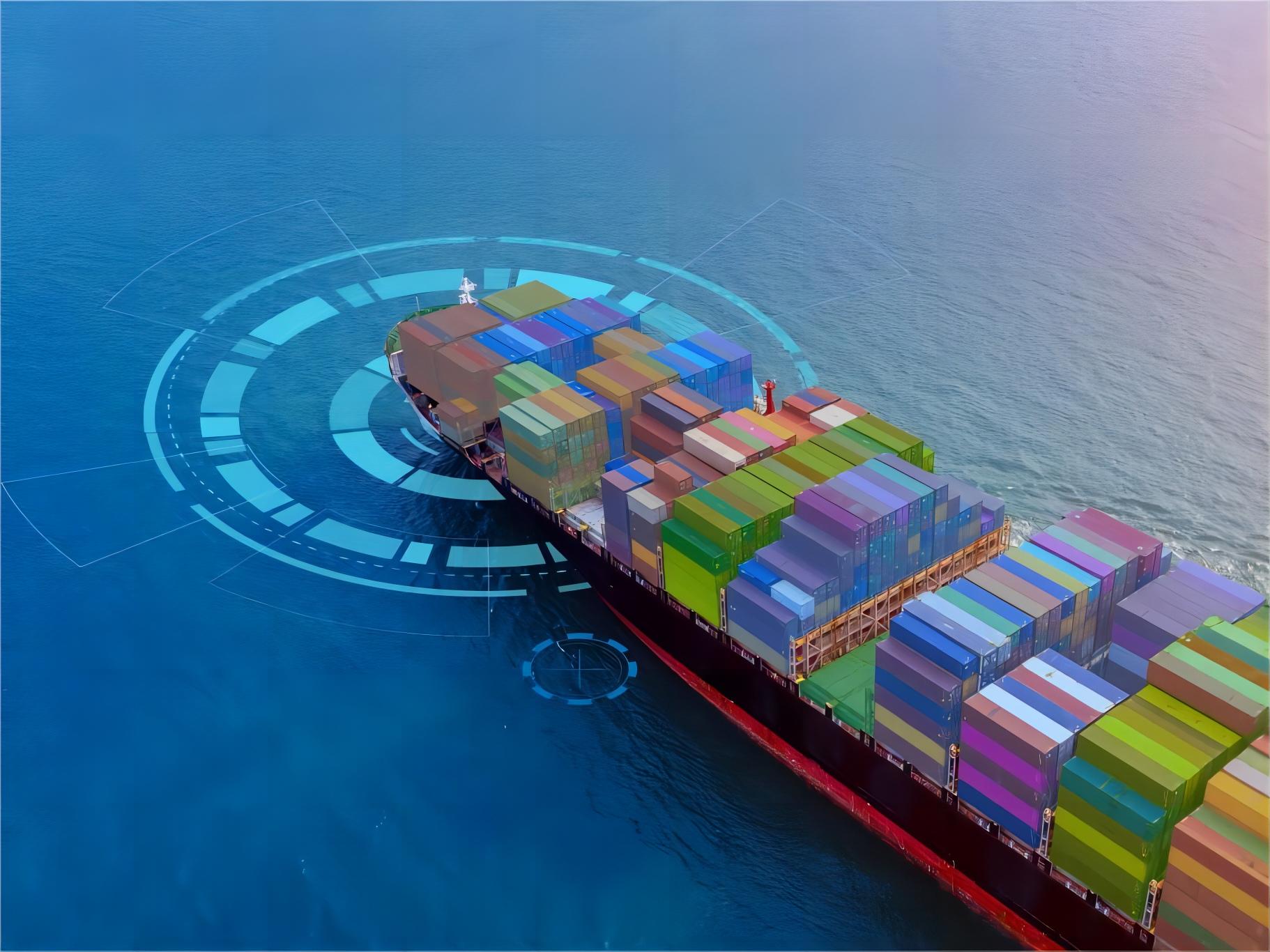
While sea freight is the backbone of international trade, it is important to analyze how it stacks up against alternative strategies. For example, a 40HQ container might cost between $3,500 and $4,500 in early 2026, which is significantly cheaper than air transport for the same volume. However, the longer lead times mean your capital is tied up in transit for over a month. Consequently, businesses often use hybrid solutions to maintain cash flow.
Another alternative is LCL (Less than Container Load) shipping, which allows you to pay only for the space you use. This is particularly useful for smaller businesses that cannot fill an entire 20GP container. Moreover, direct shipping routes often cost 10-15% more but save nearly a week in transit time compared to transshipment through major hubs like Singapore. In contrast, slower routes can provide substantial savings for non-urgent seasonal goods.
| Shipping Method | Cost Range | Transit Time | Best For | Limitations |
|---|---|---|---|---|
| Sea Freight FCL | $3,200-$4,500 | 30-38 Days | Large Volume | Slowest Speed |
| Sea Freight LCL | $80-$150/CBM | 35-45 Days | Mid-size Cargo | Extra Handling |
| Air Freight | $5.50-$8.50/kg | 3-7 Days | High Value | Very Expensive |
| Rail Freight | $120-$180/CBM | 18-25 Days | E-commerce | Limited Routes |

Understanding Transit Times and Delivery Schedules
Timing is everything when it comes to Amazon FBA, as missing a delivery window can lead to lost sales. For instance, shipping from Ningbo to Felixstowe typically takes 32 days, but port congestion can add another 5 days to the schedule. Therefore, you should always build a buffer into your supply chain planning. Additionally, the time required for customs clearance at UK ports like Southampton or London Gateway must be factored into the total door-to-door duration.
According to industry benchmarks, the total lead time from a factory in Shenzhen to an Amazon warehouse in the UK averages 45 days for sea freight. This includes manufacturing, local transport, ocean transit, and final mile delivery. Furthermore, peak seasons such as the run-up to Christmas often see transit times increase by 20% due to higher volumes. Accordingly, booking your shipments at least 6-8 weeks in advance is highly recommended.
Navigating Customs Brokerage and UK Import Duties
Importing goods into the UK requires strict adherence to HMRC regulations and VAT requirements. For example, you must ensure your EORI number is valid and that your commercial invoices accurately reflect the value of the goods. Additionally, utilizing a professional customs brokerage service can prevent costly delays and penalties. Indeed, many shipments are held at the border simply due to minor clerical errors in the paperwork.
VAT and customs duties represent a significant portion of the total landed cost for UK sellers. Moreover, the UK’s Postponed VAT Accounting (PVA) scheme allows businesses to account for import VAT on their VAT return rather than paying it upfront. This significantly improves cash flow for businesses managing china to uk amazon shipping for business. Nevertheless, calculating these costs accurately before placing an order is vital for maintaining healthy profit margins.
The Benefits of Using a Specialized Amazon FBA Freight Forwarder
Working with a provider that understands Amazon’s specific requirements is a game-changer for e-commerce brands. For instance, amazon fba specialists know how to label pallets and schedule delivery appointments via the Carrier Central portal. Consequently, you avoid the risk of Amazon rejecting your shipment due to non-compliance. Furthermore, these forwarders often offer prep services in China, such as quality inspections and bundling.
Professional logistics partners also provide end-to-end visibility through advanced tracking systems. This allows you to monitor your inventory as it moves from the factory floor to the fulfillment center. Additionally, they can advise on the most efficient container loading techniques to minimize shipping costs. In addition, having a dedicated point of contact helps resolve any issues that may arise during transit quickly and efficiently.

Cost-Saving Strategies for High-Volume UK Sellers
Reducing shipping expenses is one of the fastest ways to increase your bottom line. For example, consolidating multiple smaller orders into a single Full Container Load (FCL) can save you up to 30% compared to multiple LCL shipments. Moreover, negotiating annual contracts with freight forwarders can lock in lower rates during the volatile peak season. Indeed, planning your inventory cycles around the Chinese New Year is another essential strategy to avoid price spikes.
Another effective tactic is to optimize your product packaging to reduce the volumetric weight of your cargo. Since many freight rates are calculated based on size rather than just weight, smaller boxes can lead to significant savings. Furthermore, choosing sea-air hybrid solutions can provide a balance between the low cost of ocean freight and the speed of air transport. Consequently, these small adjustments can result in thousands of dollars in annual savings for your business.
Real Case Studies: Successful Shipments to UK Fulfillment Centers
Case Study 1: Electronics Shipment to UK FBA. Route: Shenzhen, China to Felixstowe, UK. Cargo: Consumer Electronics, 4.5 CBM, 1200 kg. Container: LCL. Shipping Details: Major carrier, Shenzhen Loading, Felixstowe Discharge, Direct. Cost Breakdown: Ocean Freight $450, Origin Charges $200, Destination Charges $350, Customs and Duties $1,500, Total Landed Cost $2,500. Timeline: Booking to Loading 5 days, Sea Transit 28 days, Customs Clearance 3 days, Total Door-to-Door 36 days. Key Insight: Consolidating multiple small orders into one LCL shipment saved the client 15% compared to express.
Case Study 2: Apparel Bulk Order. Route: Ningbo, China to London Gateway, UK. Cargo: Apparel, 28 CBM, 6000 kg. Container: 20GP. Shipping Details: Maersk, Ningbo Loading, London Gateway Discharge, Direct. Cost Breakdown: Ocean Freight $2,400, Origin Charges $400, Destination Charges $600, Customs and Duties $4,200, Total Landed Cost $7,600. Timeline: Booking to Loading 7 days, Sea Transit 30 days, Customs Clearance 4 days, Total Door-to-Door 41 days. Key Insight: Using FCL instead of LCL for this volume reduced the per-unit shipping cost by $0.45.
Case Study 3: High-Value Toy Restock. Route: Shanghai, China to London Heathrow, UK. Cargo: High-value toys, 2 CBM, 400 kg. Method: Air Freight. Shipping Details: Air China, Shanghai Loading, Heathrow Discharge, Direct. Cost Breakdown: Air Freight $2,800, Origin Charges $150, Destination Charges $200, Customs and Duties $1,100, Total Landed Cost $4,250. Timeline: Booking to Loading 2 days, Air Transit 1 day, Customs Clearance 2 days, Total Door-to-Door 5 days. Key Insight: Air freight prevented a 2-week stockout during a viral marketing campaign.
Which Shipping Option Should You Choose for Your UK Business?
Determining the best logistics path requires a clear understanding of your business priorities. If your primary goal is to minimize costs and you have a long lead time, sea freight is without a doubt the best option. On the other hand, if you are launching a new product or need to replenish stock urgently, air freight is the only way to meet your deadlines. Therefore, most successful businesses employ a mixed strategy to balance risk and expense.
For shipments between 10 and 15 CBM, you should carefully compare the costs of LCL versus a full 20GP container. Sometimes, paying for a full container is cheaper than paying the volume-based rates of LCL, even if the container is not completely full. Additionally, always consider a door to door service to simplify the process and reduce the number of parties involved in your supply chain. This approach provides the most seamless experience for busy business owners.
Final Thoughts on UK Amazon Shipping
Mastering china to uk amazon shipping for business is a continuous process of optimization and adaptation. By choosing the right freight mode, staying compliant with customs, and working with specialized partners, you can build a resilient supply chain. Remember that while cost is important, reliability and transit times are equally critical for maintaining your Amazon seller rating. Start planning your 2026 shipments today to ensure your business continues to thrive in the competitive UK market.
Need a tailored shipping solution?
Streamline your supply chain today with our expert logistics solutions. Contact us now to optimize your china to uk amazon shipping for business and receive a customized quote for your next shipment. Send Inquiry