

China Freight for Wholesalers Bulk Order: 2026 Logistics Guide
Wholesalers managing large-scale inventory cycles must prioritize efficiency to maintain competitive pricing in the global market. Selecting the right China freight for wholesalers bulk order service is the foundation of a resilient supply chain. This 2026 guide explores how businesses can navigate the complexities of bulk shipping from Asia while maximizing their bottom line.
✦
Why is China Freight for Wholesalers Bulk Order Vital?
Wholesale operations rely heavily on the economies of scale that come with large-volume imports. Furthermore, shipping costs can represent a significant portion of the total landed cost, directly impacting the final retail price. Therefore, wholesalers must implement strategic logistics planning to ensure that their freight expenses do not erode profit margins.
Managing bulk orders requires a deep understanding of container capacity and carrier schedules. Additionally, the ability to secure space during peak seasons is a critical factor for business continuity. Consequently, many successful wholesalers partner with experienced freight forwarders to navigate these logistical hurdles effectively in 2026.
Reliability remains a top priority for businesses that cannot afford stockouts or inventory delays. Meanwhile, market conditions in early 2026 show a stabilization of rates compared to the volatility of previous years. Indeed, proactive planning allows wholesalers to lock in better rates and more predictable delivery windows.
How Do Different Shipping Modes Compare for Wholesalers?
Choosing the right transportation method depends on the balance between speed, cost, and cargo volume. For most wholesalers, sea freight remains the most economical choice for transporting heavy or bulky goods over long distances. However, businesses must account for longer transit times when planning their inventory replenishment cycles.
Alternatively, air freight offers unparalleled speed for high-value items or urgent restocks. While the cost per kilogram is significantly higher, the reduction in lead time can justify the expense for certain product categories. In addition, air transport reduces the need for large safety stocks, potentially lowering warehousing costs.
For shipments destined for land-locked regions or specific European corridors, rail freight serves as an excellent middle ground. It provides faster delivery than sea transport at a much lower cost than air. Nevertheless, rail availability is subject to geopolitical stability and infrastructure capacity along the trans-Eurasian routes.
| Shipping Method | Average Cost | Transit Time | Best Use Case |
|---|---|---|---|
| Sea Freight | Low ($) | 30-45 Days | Heavy/Bulky Bulk Orders |
| Air Freight | High ($$$) | 5-10 Days | Urgent/High-Value Goods |
| Rail Freight | Medium ($$) | 18-25 Days | Inland Europe Deliveries |
| Express | Highest ($$$$) | 3-5 Days | Small Samples/Prototypes |

What are the Benefits of FCL for Bulk Shipments?
Full Container Load (FCL) shipping is often the preferred choice for wholesalers moving large quantities of goods. Because the entire container is dedicated to one shipper, the risk of damage or loss during handling is significantly reduced. Moreover, FCL shipments typically experience fewer delays at customs because they do not require consolidation or deconsolidation.
Cost efficiency is another major advantage of utilizing FCL for bulk orders. Generally, the cost per unit of volume is lower when you pay for the entire container rather than paying for individual cubic meters in a shared container. Consequently, wholesalers who can fill a 20GP or 40HQ container will see a better return on their logistics investment.
Security is enhanced when using FCL because the container is sealed at the origin and only opened at the destination. In contrast, Less than Container Load (LCL) shipments involve more frequent handling by various parties. Therefore, for wholesalers dealing with fragile or sensitive inventory, FCL provides an added layer of protection.
How Can Wholesalers Reduce Logistics Expenses in 2026?
Negotiating long-term contracts with carriers is one of the most effective ways to stabilize shipping costs. By committing to a specific volume over a year, wholesalers can often secure preferential rates that are lower than the spot market. Additionally, consolidating multiple smaller orders into a single large shipment can lead to significant savings on documentation and handling fees.
Optimizing packaging is another overlooked strategy for reducing freight expenses. For example, reducing the dimensions of your product packaging can allow more units to fit into a single container. As a result, the shipping cost per unit decreases, directly increasing your competitive advantage in the marketplace.
Utilizing a professional customs brokerage service can prevent costly fines and delays. Indeed, incorrect classification of goods can lead to significant penalties and storage fees at the port. Therefore, investing in expert compliance advice is a cost-saving measure in the long run.
How Does Sea Freight Compare to Other Shipping Options?
Wholesalers must weigh the trade-offs between different logistics strategies to find the optimal fit for their business model. While sea freight is the standard for bulk orders, alternative strategies like sea-air hybrids or direct-to-consumer models are gaining traction. Specifically, these hybrid solutions aim to balance the cost-effectiveness of ocean transport with the speed of air delivery.
Direct shipping from the factory to a distribution center is often more efficient than using multiple middle-men. On the other hand, transshipment through major hubs like Singapore or Dubai can sometimes offer lower freight rates despite the longer transit time. Accordingly, wholesalers should analyze their specific route requirements before committing to a single strategy.
Comparing FCL to LCL is a daily task for logistics managers. For shipments under 15 CBM, LCL at $60-90 per CBM may be more economical than a full container. However, once volume exceeds 15 CBM, the fixed costs of a 20GP container usually make FCL the smarter financial decision.
| Strategy | Cost Range | Transit Time | Limitations |
|---|---|---|---|
| Direct Sea | $2,500 – $4,500 | 14-35 Days | Port Congestion |
| Sea-Air Hybrid | $5,000 – $8,000 | 15-20 Days | Complex Coordination |
| Rail Freight | $3,000 – $5,000 | 18-25 Days | Geographical Limits |
| Direct Air | $12,000+ | 5-7 Days | Weight Restrictions |
Realistic Case Studies: Bulk Shipping Success in 2026
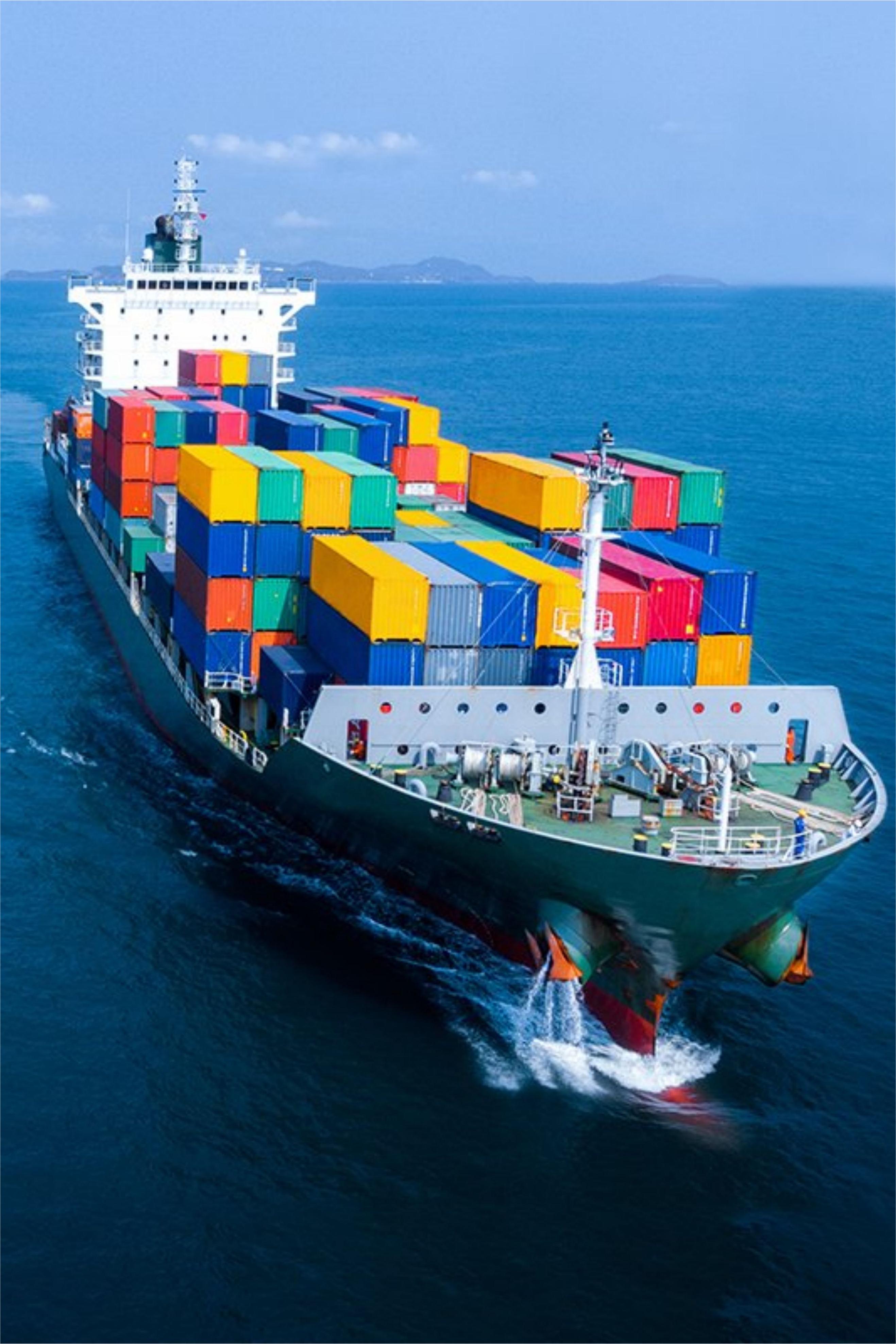
Case Study 1: Consumer Electronics from Shenzhen to Los Angeles. A wholesaler imported a bulk order of smart home devices, totaling 68 CBM, utilizing a 40HQ container. By choosing a direct route to North America, they minimized handling risks. The ocean freight cost was $3,200, with a total door-to-door transit time of 22 days, including customs clearance. Key Insight: Early booking allowed the client to avoid a 15% peak season surcharge.
Case Study 2: Apparel from Ningbo to Rotterdam. This shipment involved 25,000 units of seasonal clothing packed into two 40GP containers. The carrier used a transshipment route via Singapore to save 10% on freight costs. Total landed cost per container was approximately $4,100, and the sea transit took 32 days. Key Insight: Using a customs broker prevented a 3-day delay during the busy Q3 period.
Note: Freight rates are subject to change based on fuel costs, carrier capacity, and seasonal demand. Contact us for a current quote tailored to your specific shipment.
Which Option Should You Choose for Your Bulk Order?
Budget priority should lead you toward sea freight FCL, especially for shipments exceeding 20 cubic meters. Furthermore, if your products have a long shelf life and consistent demand, the longer transit times will not disrupt your sales. Consequently, ocean transport remains the backbone of most large-scale wholesale businesses.
Speed priority dictates the use of air freight or express services. For instance, if you are launching a new product line or responding to a sudden surge in demand, the higher cost is a necessary investment. In addition, air freight is ideal for perishable goods or high-value electronics where security is paramount.
Hybrid solutions are best for wholesalers who need a balance of both worlds. For example, shipping the bulk of an order by sea and a small portion by air ensures you have stock to start selling while the main shipment is in transit. Therefore, a multi-modal approach often provides the most flexibility for growing companies.
What are the Current Logistics Trends for 2026?
Digitalization of the supply chain is the most significant trend affecting wholesalers this year. Specifically, real-time tracking and automated documentation are reducing the administrative burden on logistics teams. Moreover, the integration of AI-driven demand forecasting helps wholesalers optimize their shipping schedules to avoid overstocking.
Sustainability is becoming a core requirement for many international buyers. As a result, carriers are increasingly offering ‘green’ shipping options using biofuels or carbon offset programs. Meanwhile, wholesalers who adopt sustainable practices may find themselves preferred by environmentally conscious retailers.
Resilience is being prioritized over pure cost-cutting in the wake of previous global disruptions. Indeed, many wholesalers are diversifying their port choices and carrier partnerships to mitigate the risk of local bottlenecks. Consequently, having a flexible logistics strategy is now considered a competitive necessity in 2026.
Final Thoughts on Wholesale Logistics
Successfully managing China freight for wholesalers bulk order operations requires a combination of strategic planning and expert execution. By understanding the nuances of different shipping modes and leveraging the benefits of FCL, businesses can significantly reduce their overhead.
Staying informed about market trends and maintaining a flexible approach will ensure your supply chain remains resilient in 2026. Ultimately, the right logistics partner will help you navigate the complexities of international trade, allowing you to focus on growing your wholesale business.
