

China Customs Clearance Bulk Cargo: The Ultimate 2026 Logistics Guide | Master China Customs Clearance Bulk Cargo: Costs
Navigating the complexities of China customs clearance bulk cargo requires precision and local expertise. In 2026, global trade demands faster processing times and a deeper understanding of regulatory shifts. Consequently, businesses must stay informed about the latest protocols to avoid costly delays at the port. This comprehensive guide provides actionable insights for businesses looking to streamline their supply chain operations effectively while maintaining compliance with international standards. Whether you are moving industrial machinery or raw materials, understanding the nuances of the Chinese export system is essential for success.
What is China Customs Clearance Bulk Cargo?
Bulk cargo refers to commodities that are transported unpackaged in large quantities. Unlike containerized goods, these items are often poured or dropped into a ship hold or tanker. Therefore, the process for China customs clearance bulk cargo involves specific inspections and volume-based documentation that differs from standard FCL or LCL shipments.
Managing these shipments requires specialized knowledge of port infrastructure and cargo handling procedures. Moreover, the Chinese General Administration of Customs (GACC) has implemented digital tracking systems in 2026 to enhance transparency. Businesses must adapt to these technological changes to ensure their cargo moves through the gateway without friction.
Furthermore, seasonal fluctuations in the market can significantly impact the availability of berths for bulk carriers. Understanding these cycles allows importers to plan their delivery schedules more effectively. Indeed, proactive planning remains the most effective way to mitigate risks associated with large-scale maritime logistics.
Essential Documentation for China Customs Clearance Bulk Cargo
Accurate documentation serves as the backbone of any successful export operation from China. Every shipment must be accompanied by a commercial invoice, a detailed packing list, and a valid bill of lading. Additionally, specialized certificates of origin are often required to satisfy the trade agreements of the destination country.
In 2026, many of these documents are processed through a centralized customs brokerage platform to speed up approval. Missing even a single signature can lead to significant port storage fees and logistical bottlenecks. Consequently, hiring a professional service provider ensures that all paperwork meets the rigorous standards of the Chinese authorities.
Moreover, bulk shipments of chemicals or minerals may require additional safety data sheets or environmental compliance certificates. These documents prove that the cargo is safe for transport and meets international ecological standards. Always verify the specific requirements for your product type well before the scheduled loading date.
| Document Type | Purpose | Typical Issuer | Necessity |
|---|---|---|---|
| Bill of Lading | Contract of Carriage | Carrier/Agent | Mandatory |
| Commercial Invoice | Value Declaration | Seller/Exporter | Mandatory |
| Packing List | Content Detail | Seller/Exporter | Mandatory |
| CO/Form E/Form F | Origin Proof | CCPIT/Customs | Recommended |
How Does Sea Freight Compare to Other Shipping Options?
When evaluating transportation methods, sea freight remains the most economical choice for massive volumes of bulk cargo. While air transport offers speed, it is often cost-prohibitive for the heavy weights associated with bulk commodities. Therefore, maritime routes handle the vast majority of global bulk trade in 2026.
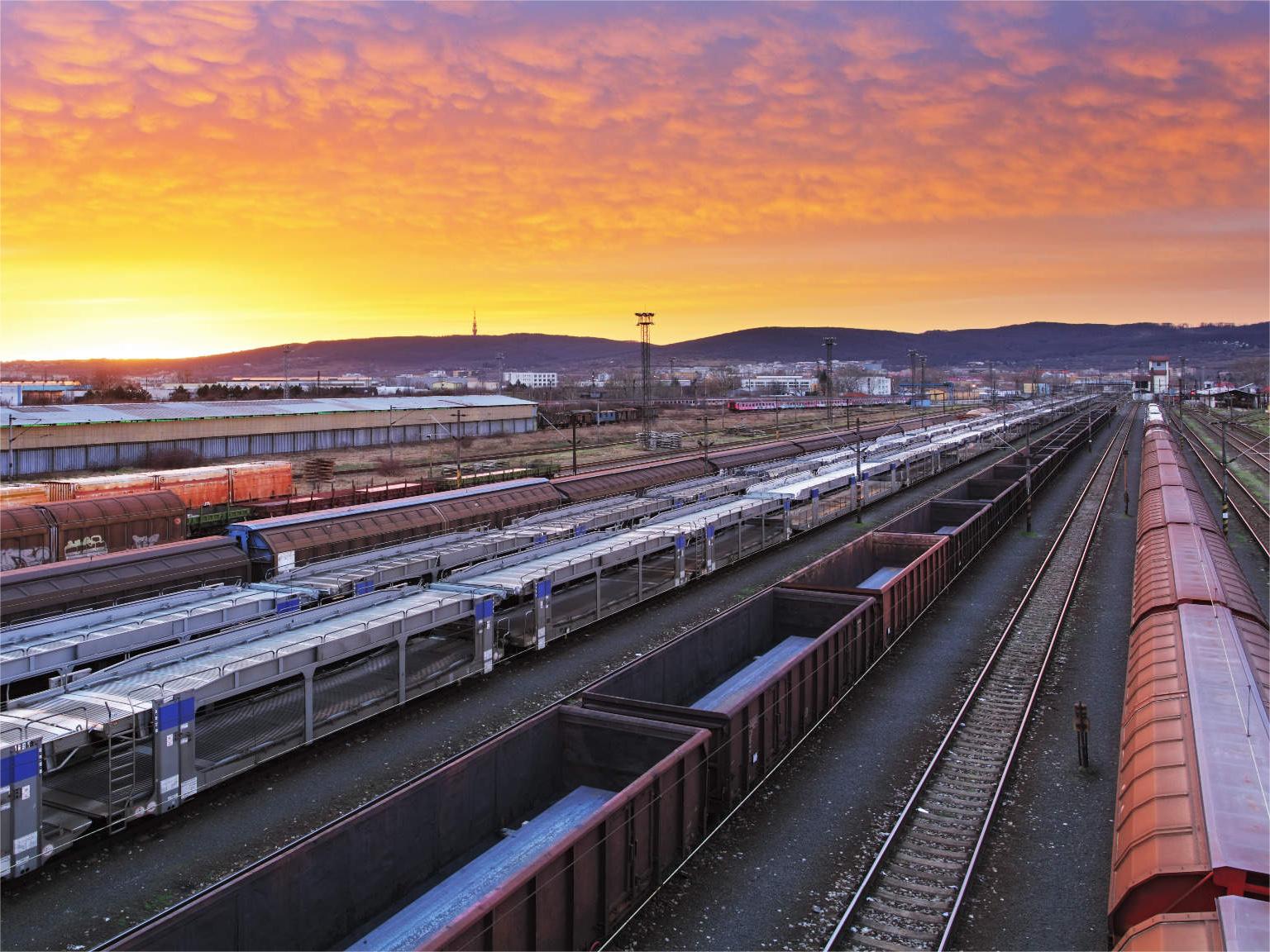
Rail transport has emerged as a viable alternative for shipments moving from China to Central Asia and Europe. However, rail infrastructure has limitations regarding the total weight and type of bulk materials it can accommodate. In contrast, massive bulk carriers can transport hundreds of thousands of tons in a single voyage, offering unmatched scale.
Furthermore, sea freight rates have shown relative stability in early 2026 compared to the volatility of previous years. Choosing the right vessel type, such as a Handysize or Capesize carrier, can further optimize your shipping costs. Nevertheless, shippers must balance the lower cost of sea transport against the longer transit times required for intercontinental routes.
| Method | Cost Range | Transit Time | Best For |
|---|---|---|---|
| Sea Freight | Low ($15-$40/ton) | 25-45 Days | Massive Volumes |
| Rail Freight | Medium ($60-$120/ton) | 15-22 Days | Inland Europe |
| Air Freight | High ($2.5-$6.0/kg) | 3-7 Days | Urgent Samples |
| Sea-Air Hybrid | Variable | 12-18 Days | Balanced Priority |
The Role of Air Freight in Urgent Bulk Scenarios
While bulk cargo is typically associated with ocean vessels, air freight plays a critical role in emergency situations. For instance, if a manufacturing plant requires a critical bulk component to prevent a total shutdown, air transport is the only solution. Consequently, logistics managers must maintain relationships with air carriers for these high-priority needs.
However, the cost of flying bulk quantities is significantly higher than any other method. Most businesses only utilize this option for high-value minerals or specialized industrial chemicals that require immediate delivery. Furthermore, strict weight limitations on aircraft mean that very large bulk shipments must be broken down into smaller parcels.
In addition, the 2026 market shows that air freight capacity has increased, leading to slightly more competitive rates for heavy lift cargo. Despite this, sea freight remains the primary choice for 95 percent of bulk cargo movements. To summarize, air freight serves as a vital safety net rather than a primary transit method for bulk commodities.
Optimizing Costs with Rail Freight and Hybrid Solutions
The expansion of the Silk Road initiatives has made rail freight a formidable competitor for bulk shipments to Europe. It offers a middle ground between the speed of air and the affordability of the ocean. Additionally, rail transport is less affected by the weather conditions that often delay maritime vessels during typhoon seasons.
Moreover, hybrid solutions like sea-rail combinations allow shippers to reach landlocked regions more efficiently. By discharging bulk cargo at a major Chinese port and transferring it to a dedicated freight train, companies can reduce total transit time significantly. This strategy is particularly effective for reaching markets in Eastern Europe and Central Asia.
Nevertheless, rail freight is not an option for routes to North America or Australia. For these destinations, shippers must rely on maritime corridors or expensive air routes. As a result, geographic destination remains the primary factor in determining whether rail is a feasible alternative for your bulk cargo.
The Benefits of Door to Door Bulk Logistics
Implementing a door to door strategy simplifies the entire China customs clearance bulk cargo process for the importer. This service covers everything from the initial pickup at the factory to the final delivery at the warehouse. Consequently, the buyer does not need to manage multiple vendors or navigate complex port regulations independently.
Furthermore, integrated logistics providers often have established relationships with customs officials, which can expedite the inspection process. They handle the loading, the ocean transit, and the final trucking at the destination. This comprehensive approach reduces the risk of communication errors that often lead to delays.
In addition, door-to-door services provide better visibility through advanced tracking systems. Shippers can monitor the real-time location of their bulk cargo throughout its journey across the globe. Ultimately, this transparency allows for better inventory management and more accurate production scheduling for the end-user.

Which Option Should You Choose? A Decision Framework
Choosing the right shipping strategy depends on your specific budget, timeline, and cargo characteristics. If your primary goal is cost reduction, sea freight is almost always the superior choice for bulk materials. On the other hand, if you are facing a tight deadline, a hybrid sea-air or rail solution might be necessary.
Moreover, consider the nature of your cargo handling requirements. Fragile bulk materials might require specialized vessels with climate control or vibration dampening features. In contrast, raw ores and coal can be moved using standard bulk carriers without additional protection.
For shipments destined for North America, sea freight is the standard, while European routes offer more flexibility with rail options. Australia remains almost exclusively served by maritime routes from China. Always weigh the landed cost against the transit time to find the optimal balance for your business model.
Real-World Case Studies: Bulk Cargo Success in 2026
Case Study 1: Industrial Machinery Bulk Export. Route: Shanghai, China to Hamburg, Germany. Cargo: 450 CBM Industrial Components, 120,000 kg. Shipping Method: Sea Freight (LCL Bulk). Ocean Freight: $14,500. Origin Charges: $1,200. Destination Charges: $2,100. Customs and Duties: $4,500. Total Landed Cost: $22,300. Timeline: 34 days total. Key Insight: Consolidating bulk components into a single shipment reduced costs by 15 percent compared to multiple smaller shipments.
Case Study 2: Raw Material Supply Chain. Route: Ningbo, China to Sydney, Australia. Cargo: 500 Tons Raw Construction Material. Shipping Method: Bulk Carrier (Sea). Ocean Freight: $18,000. Origin Charges: $2,500. Destination Charges: $3,000. Customs and Duties: $6,000. Total Landed Cost: $29,500. Timeline: 18 days total. Key Insight: Utilizing a direct route from Ningbo minimized handling risks and ensured the material arrived before the construction deadline.
Note: Freight rates are subject to change based on fuel costs, carrier capacity, and seasonal demand. Contact us for a current quote tailored to your specific shipment.

Navigating 2026 Customs Trends and Compliance
The regulatory environment for China customs clearance bulk cargo is constantly evolving. In 2026, there is a stronger focus on environmental sustainability and carbon reporting for large-scale shipments. Consequently, exporters must be prepared to provide data on the carbon footprint of their logistics operations.
Furthermore, the implementation of AI-driven risk assessment tools by Chinese customs has led to more targeted inspections. While this speeds up the process for compliant shippers, it means that any discrepancies in documentation are flagged instantly. Therefore, maintaining 100 percent accuracy in your declarations is more important than ever before.
Indeed, staying ahead of these trends requires a proactive approach to supply chain management. By partnering with an experienced freight forwarder, you can navigate these changes with confidence. Moreover, investing in digital documentation tools will help your business remain competitive in the increasingly automated world of global trade.
Final Thoughts on Bulk Cargo Logistics
Successfully managing China customs clearance bulk cargo is a multifaceted challenge that requires a blend of technical knowledge and strategic planning. By understanding the various shipping methods and the essential documentation required, you can significantly reduce your operational risks. Furthermore, the 2026 logistics landscape offers more digital tools and routing options than ever before, allowing for greater efficiency.
To summarize, whether you choose sea, rail, or a hybrid solution, the key to success lies in preparation and partnership. Maintaining clear communication with your customs broker and freight forwarder will help you navigate any unforeseen hurdles at the port. As global trade continues to expand, those who master the nuances of bulk cargo handling will gain a significant competitive advantage in the marketplace.
Start Your Shipment
Are you ready to streamline your China customs clearance bulk cargo process? Our team of experts is standing by to provide you with a customized quote and professional guidance for your next major shipment. Contact China Top Freight today to ensure your bulk cargo reaches its destination safely and on time. Visit our website to request your free consultation and discover how we can optimize your global supply chain.
Request Quote