

Cheap FCL Shipping from China to Spain: Your Ultimate Guide
“Securing cheap FCL shipping from China to Spain is crucial for businesses aiming to optimize their supply chain and reduce costs. This comprehensive guide from China Top Freight explores strategies and considerations to achieve significant savings. We demystify international freight, ensuring your full container load shipments arrive efficiently and affordably.”
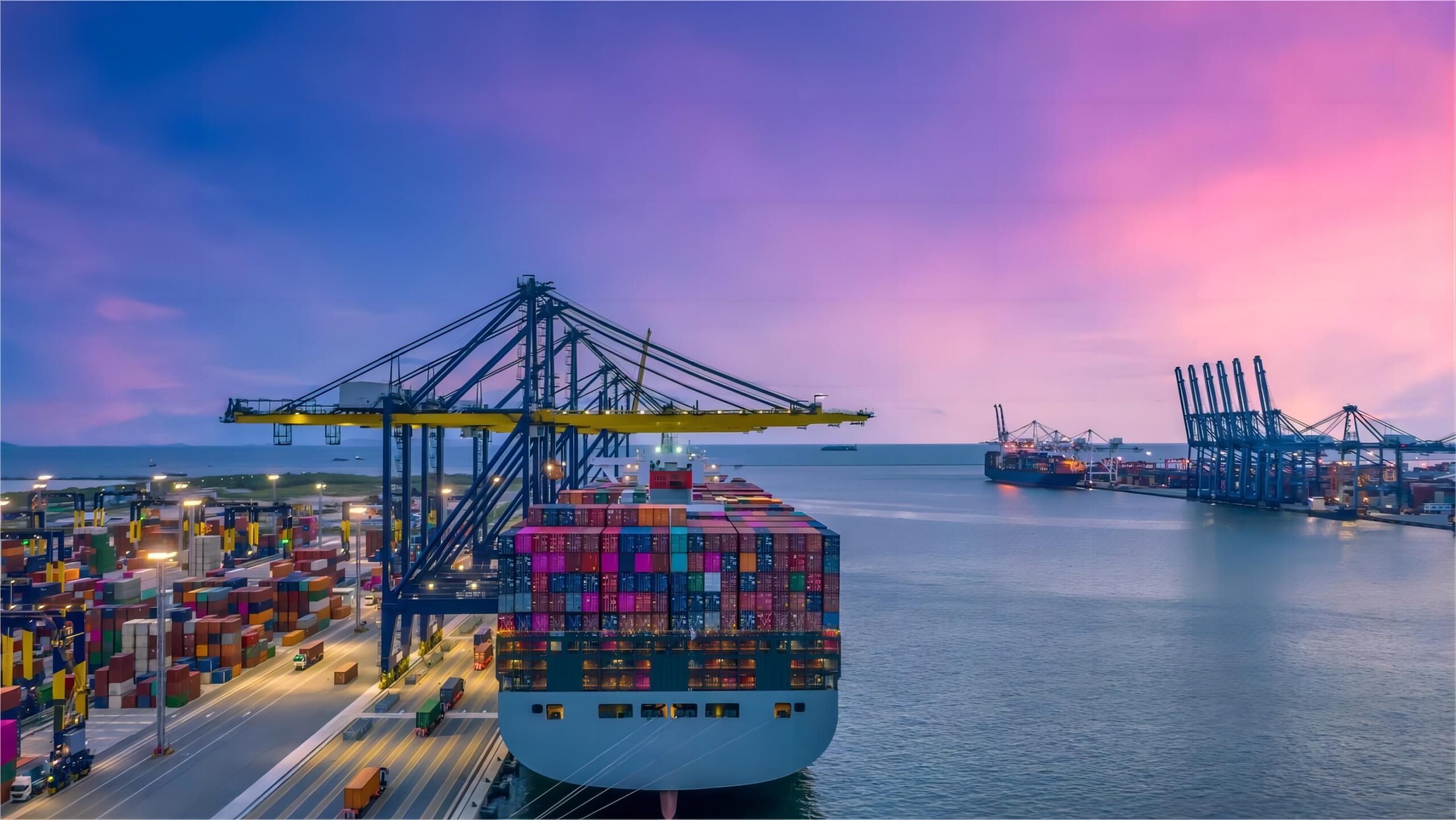
What is FCL Shipping and Why Choose it for Spain?
❖Full Container Load (FCL) shipping means reserving an entire container for your cargo, irrespective of its fill level. This method is ideal for large volume shipments, guaranteeing dedicated space and reduced handling. For businesses importing from China to Spain, FCL offers distinct advantages.

FCL primarily provides enhanced security, minimizing transit damage as goods are not consolidated with others. Furthermore, it often proves more cost-effective per unit for substantial volumes compared to Less than Container Load (LCL) options. This makes it a preferred choice for many importers.
| Feature | FCL Shipping |
|---|---|
| Cargo Volume | Large volumes, dedicated container |
| Cost-Effectiveness | Lower unit cost for large shipments |
| Security | Enhanced, less handling |
| Transit Time | Generally faster than LCL (direct routing) |
| Flexibility | More control over scheduling |
Key Factors Influencing Cheap FCL Shipping Costs from China to Spain
❖Understanding the various elements determining your total FCL shipping cost is the first step towards achieving savings. Freight rates, surcharges, and local port charges all contribute significantly to the final expense. Therefore, careful consideration of each factor is essential.
Market conditions, fuel prices, and carrier capacity also play a crucial role in fluctuating rates. By staying informed about these dynamics, you can better anticipate costs and make strategic shipping decisions. This proactive approach helps secure more favorable terms.
Freight Rates and Carrier Selection
Ocean freight rates are highly dynamic, changing based on supply, demand, and vessel availability. Major carriers like Maersk, COSCO, and MSC offer different rate structures and service levels. Comparing quotes from multiple carriers is vital.
Establishing relationships with reputable sea freight providers can lead to better long-term pricing. Consider both direct routes and options involving transshipment, as these impact both cost and transit time.
Seasonal Fluctuations and Market Trends
Shipping costs from China to Spain typically rise during peak seasons, such as before Chinese New Year and in the Q3-Q4 period. Planning shipments outside these windows can result in considerable savings. Moreover, global events, like Red Sea disruptions, significantly influence rates.
As of early 2025, freight rates from China to Europe have largely stabilized following earlier volatility. However, awareness of geopolitical developments and their potential impact on shipping lanes is prudent. This vigilance helps anticipate future price movements.
Port Charges and Local Fees
Beyond ocean freight, various charges apply at both origin (China) and destination (Spain) ports. These include Terminal Handling Charges (THC), documentation fees, and security surcharges. Understanding these additional costs is essential for an accurate budget.
Destination charges in Spain can include customs inspection fees, demurrage, and detention if containers are not cleared promptly. Partnering with a freight forwarder offering transparent pricing helps avoid unexpected expenses.
Optimizing Your FCL Shipping Strategy for Cost Savings
❖Effective FCL shipment management requires strategic planning and attention to detail. Implementing specific optimization techniques can significantly lower your overall logistics expenses. Consequently, your landed cost per unit will decrease, boosting profitability.
From maximizing container space to choosing optimal shipping terms, every decision impacts the bottom line. Therefore, a holistic approach to your supply chain is highly recommended.
Container Utilization and Consolidation
Maximizing container space is the most direct way to achieve cheap FCL shipping from China to Spain. An underutilized container means paying for empty space. Therefore, consolidating orders from multiple suppliers into a single FCL is highly beneficial.
Efficient loading and palletization techniques are crucial. Working with your supplier or freight forwarder to plan container layout prevents wasted space and reduces the need for larger, more expensive containers.
Route, Port, and Carrier Optimization
Selecting the right port of loading in China (e.g., Shanghai, Ningbo, Shenzhen) and discharge in Spain (e.g., Valencia, Barcelona) influences both cost and transit time. Direct routes are often faster but pricier. Conversely, routes with transshipment might offer lower freight rates.
Regularly evaluating different carriers and their schedules allows you to find the best balance between speed and cost. Moreover, exploring door-to-door services can simplify logistics and sometimes offer bundled savings.
Incoterms and Documentation Management
The choice of Incoterms significantly impacts who pays for what and when. Opting for FOB (Free On Board) allows more control over carrier selection and negotiation, potentially leading to better freight rates. Conversely, EXW (Ex Works) places more responsibility on the buyer.
Accurate and complete documentation is critical to avoid delays and demurrage charges. Partnering with experts in customs brokerage ensures smooth processing at both origin and destination. This proactive approach saves time and money.
Real-World Case Studies: Cheap FCL Shipping to Spain
❖Examining real-world examples provides invaluable insights into achieving cheap FCL shipping from China to Spain. These scenarios highlight practical strategies and potential cost savings. Moreover, they demonstrate the importance of careful planning and execution in international logistics.
Each case study outlines shipment specifics, including cargo details, costs, and timelines. These examples are based on typical market rates and conditions as of early 2025, offering a realistic perspective.
Case Study 1: Furniture Importer to Valencia
A Spanish furniture retailer needed to import a large volume of flat-pack furniture to Valencia. Their priority was cost-effectiveness without sacrificing reliability. They opted for a standard 40GP container for their substantial order.
By consolidating multiple supplier orders and booking during a shoulder season, they achieved significant savings. The pre-planned container loading maximized space, avoiding any empty slots and optimizing the FCL cost.
| Detail | Value |
|---|---|
| Route | Shanghai, China -> Valencia, Spain |
| Cargo | Flat-pack furniture, 60 CBM, 15,000 kg |
| Container | 40GP |
| Shipping Details | Carrier: COSCO, Port of Loading: Shanghai, Port of Discharge: Valencia, Route Type: Direct |
| Ocean Freight | $3,500 |
| Origin Charges | $450 |
| Destination Charges | $600 |
| Customs & Duties (estimated) | $1,200 |
| Total Landed Cost | $5,750 |
| Booking to Loading | 5 days |
| Sea Transit | 30 days |
| Customs Clearance | 3 days |
| Total Door-to-Door | 38 days |
| Key Insight | Early booking and optimal container utilization achieved cost efficiency. |

Case Study 2: Electronics Distributor to Barcelona
An electronics distributor in Barcelona frequently imports consumer electronics from Shenzhen. They required consistent, reliable, and cheap FCL shipping from China to Spain for their high-value goods. A 20GP container was sufficient for their regular order volumes.
They leveraged a long-term contract with a freight forwarder, securing favorable rates. Additionally, choosing a reputable carrier with a good track record minimized transit risks for their delicate cargo.
| Detail | Value |
|---|---|
| Route | Shenzhen, China -> Barcelona, Spain |
| Cargo | Consumer electronics, 28 CBM, 9,000 kg |
| Container | 20GP |
| Shipping Details | Carrier: Maersk, Port of Loading: Shenzhen, Port of Discharge: Barcelona, Route Type: Direct |
| Ocean Freight | $2,200 |
| Origin Charges | $380 |
| Destination Charges | $550 |
| Customs & Duties (estimated) | $950 |
| Total Landed Cost | $4,080 |
| Booking to Loading | 4 days |
| Sea Transit | 32 days |
| Customs Clearance | 2 days |
| Total Door-to-Door | 38 days |
| Key Insight | Long-term partnership with forwarder provided stable, competitive rates. |
Case Study 3: Textiles Importer to Algeciras
A textile importer needed to move large quantities of fabric from Qingdao to Algeciras. Their primary concern was balancing cost with a reasonable transit time. They opted for a 40HQ container to accommodate the volume.
This client benefited from a slightly longer transit time via transshipment, which offered a lower per-container rate. They also utilized an experienced Amazon FBA logistics partner to manage destination delivery efficiently.
| Detail | Value |
|---|---|
| Route | Qingdao, China -> Algeciras, Spain |
| Cargo | Textile rolls, 65 CBM, 12,000 kg |
| Container | 40HQ |
| Shipping Details | Carrier: MSC, Port of Loading: Qingdao, Port of Discharge: Algeciras, Route Type: Transshipment via Port Said |
| Ocean Freight | $3,800 |
| Origin Charges | $500 |
| Destination Charges | $650 |
| Customs & Duties (estimated) | $1,500 |
| Total Landed Cost | $6,450 |
| Booking to Loading | 6 days |
| Sea Transit | 35 days |
| Customs Clearance | 4 days |
| Total Door-to-Door | 45 days |
| Key Insight | Transshipment route offered lower cost, suitable for less time-sensitive cargo. |
How Does FCL Shipping Compare to Other Options?
❖While FCL is often the preferred choice for large shipments, it is crucial to understand its position relative to other shipping methods. Comparing FCL with LCL and air freight reveals distinct advantages and disadvantages for each. Therefore, choosing the right method depends on your specific needs.
Factors like cargo volume, urgency, and budget critically influence the optimal choice. A comprehensive comparison helps businesses make informed decisions, ensuring efficiency and cost-effectiveness.
Note: Freight rates are highly dynamic and subject to change based on fuel costs, carrier capacity, and seasonal demand. Always contact a freight forwarder for a current quote tailored to your specific shipment.
| Shipping Method | Cost Range (China to Spain) | Transit Time | Best For | Limitations |
|---|---|---|---|---|
| FCL Sea Freight | $2,000-4,500 (20GP/40HQ) | 28-38 days | Large volumes, cost-sensitive, non-urgent goods | Slower than air, requires full container volume |
| LCL Sea Freight | $50-100/CBM | 35-45 days | Smaller volumes (under 15 CBM), cost-sensitive | Longer transit, more handling, potential for delays |
| Air Freight | $5-10/kg (general cargo) | 5-10 days | Urgent, high-value, small volume goods | Very high cost, volume/weight restrictions, fuel surcharges |

Which Option Should You Choose? A Decision Framework
Selecting the ideal shipping method for your cargo from China to Spain involves weighing several critical factors. Your budget, required speed, and the nature of your goods are paramount considerations. Ultimately, the best choice aligns with your business priorities.
For example, if minimizing shipping costs is paramount for a large volume, FCL sea freight is almost always the most economical choice. Conversely, for time-sensitive, high-value items, air freight becomes indispensable despite its higher cost.
Budget Priority: If minimizing shipping costs is paramount, FCL sea freight offers the best value for large volumes. For smaller shipments where cost is still key, LCL sea freight is a viable alternative for cost-conscious importers.
Speed Priority: When goods are urgently needed, air freight is the fastest option, albeit at a premium price. However, FCL sea freight generally offers faster transit than LCL due to fewer consolidation delays. This can be a critical factor for delivery schedules.
Cargo Type Considerations: Fragile or high-value goods might benefit from the reduced handling of FCL due to dedicated container space. Perishable items or those with short shelf lives necessitate the speed of air freight for freshness and market entry.
Volume Thresholds: For shipments above 15-20 CBM, FCL typically becomes more cost-effective than LCL, offering better economies of scale. Below this threshold, LCL often presents a more economical solution for smaller consignments.
Navigating Customs and Regulations for Spain Imports
❖Effective customs clearance is a non-negotiable component of cheap FCL shipping from China to Spain. Improper documentation or a lack of understanding of Spanish import regulations can lead to costly delays and penalties. Therefore, meticulous preparation is essential.
Spain, as part of the European Union, adheres to stringent EU customs regulations. Ensuring compliance from the outset helps streamline the import process, avoiding unforeseen complications.
Essential Documents for Smooth Clearance
A comprehensive set of documents is required for customs clearance. This typically includes the Commercial Invoice, Packing List, Bill of Lading (for sea freight), and a Certificate of Origin. Accuracy in these documents is paramount to avoid issues.
Moreover, depending on the product, additional certifications, licenses, or permits might be necessary. For example, certain electronics or food products have specific import requirements, demanding careful attention to detail.
Duties, Taxes, and Compliance
Import duties and VAT (Value Added Tax) are levied on goods entering Spain from outside the EU. These charges are calculated based on the Harmonized System (HS) code of your product and its declared value. Understanding these costs beforehand is crucial for budgeting.
Ensuring your products comply with EU safety, health, and environmental standards (e.g., CE marking) is also vital. Non-compliance can result in goods being held or even rejected, leading to significant financial losses and reputational damage.
Selecting a Reliable Partner for Your China-Spain Route
❖Partnering with an experienced and reliable freight forwarder is arguably the most critical step in achieving cheap FCL shipping from China to Spain. A good forwarder acts as your logistics expert, navigating complexities and ensuring smooth operations. They offer invaluable guidance.
Look for a forwarder with extensive experience on the China-Europe trade lane, a strong network of carriers, and transparent communication. Their expertise can directly translate into cost savings and reduced transit times for your shipments.
China Top Freight specializes in optimizing supply chains for businesses importing from China. We provide competitive rates for FCL shipping, comprehensive customs support, and dedicated customer service. Our goal is to make your international shipping experience seamless and cost-effective.
We leverage our industry connections and deep understanding of global logistics to secure the best routes and rates for your cargo. Whether you need assistance with documentation, consolidation, or end-to-end tracking, our team is equipped to handle your unique requirements.
Conclusion
Achieving cheap FCL shipping from China to Spain is entirely possible with strategic planning, an understanding of market dynamics, and the right logistics partner. By focusing on container utilization, optimizing routes, and ensuring customs compliance, businesses can significantly reduce their shipping expenses. A proactive approach and a reliable freight forwarder are indeed key to successful and affordable full container load shipments.
Ready to streamline your logistics?
Ready to optimize your FCL shipping from China to Spain? Contact us today for a personalized quote and discover how our expert team can help you achieve significant cost savings and reliable delivery. Let us streamline your logistics and empower your business growth.
Request Quote