

China Ecommerce Logistics Solution Factory Pickup: 2026 Shipping Guide
Navigating the complexities of global trade in 2026 requires a robust china ecommerce logistics solution factory pickup strategy to stay competitive. Many international sellers face significant hurdles when coordinating multiple suppliers across various Chinese provinces. Consequently, utilizing a professional logistics partner to handle the first-mile collection directly from the manufacturing floor can drastically reduce lead times and overhead expenses. This comprehensive guide explores how factory-direct logistics can revolutionize your supply chain management and improve your bottom line.

What is a China Ecommerce Logistics Solution Factory Pickup?
Implementing a factory pickup model means your freight forwarder takes responsibility for the goods the moment they leave the production line. Instead of relying on the manufacturer to arrange local transport to a port, your logistics provider coordinates the entire movement from the factory gate to your final destination.
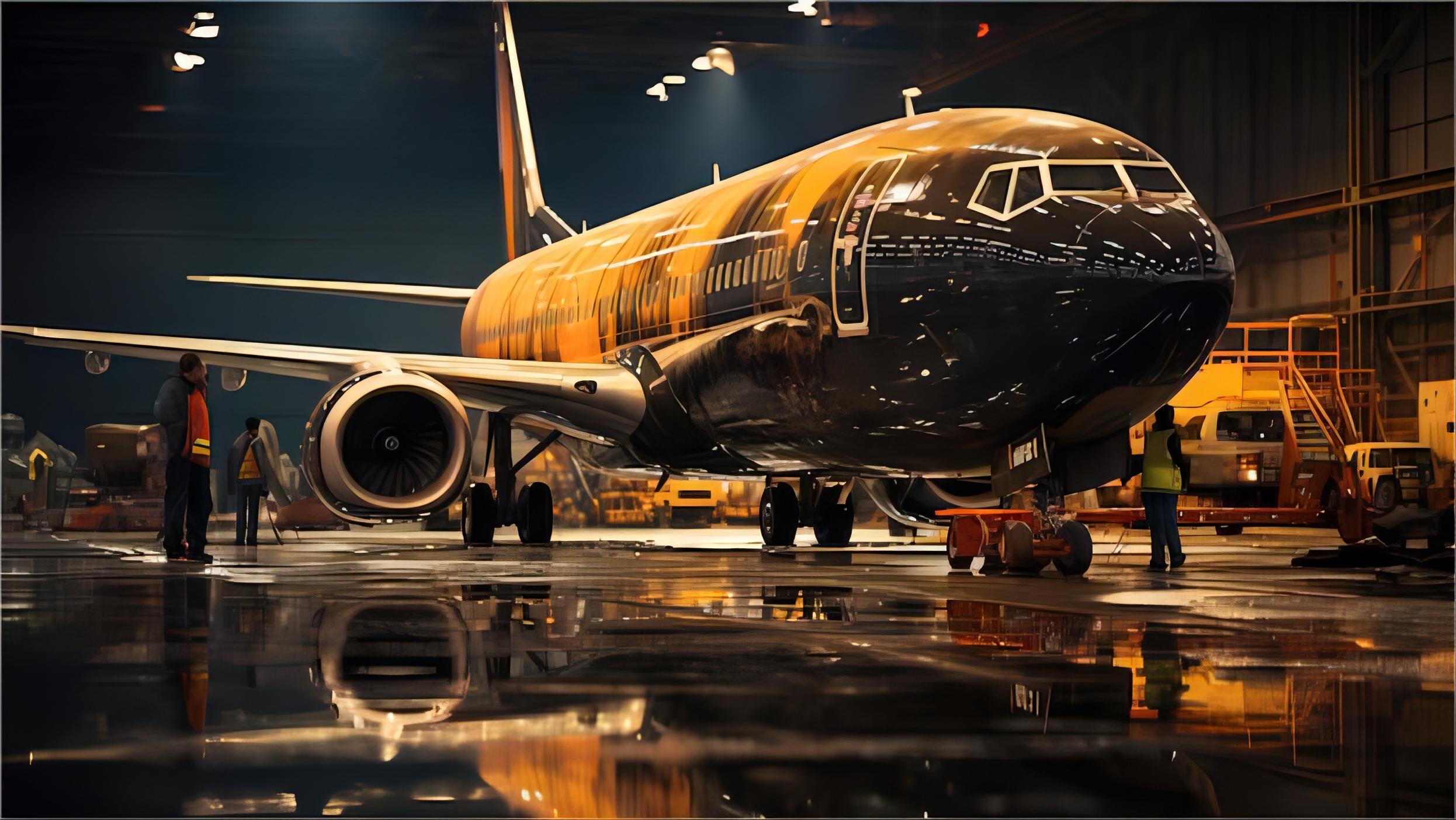
Moreover, this approach provides sellers with greater visibility and control over the early stages of the shipping process. Because the logistics provider manages the pickup, they can ensure that packaging standards are met and that documentation is accurate before the cargo even reaches the warehouse.
Efficiency gains are realized almost immediately when you bypass the manufacturer’s often slower domestic shipping arrangements. Indeed, by centralizing the collection process, you can consolidate goods from multiple factories into a single shipment, which significantly lowers your total landed cost.
How Does China Ecommerce Logistics Solution Factory Pickup Compare to Other Shipping Options?
Evaluating the differences between factory pickup and traditional EXW (Ex Works) or FOB (Free on Board) terms is essential for any serious importer. While FOB is common, it often leaves the seller in the dark regarding the manufacturer’s internal delivery schedule to the port.
Alternatively, a dedicated factory pickup solution allows for a more integrated approach where the logistics provider acts as an extension of your own operations. This ensures that the transit time is minimized and that any potential delays at the factory level are communicated in real-time.
Market data suggests that as of Q1 2026, sellers using integrated pickup solutions see a 12-15 percent reduction in overall transit time compared to those relying on factory-arranged domestic hauling.
| Shipping Method | Cost Range | Transit Time | Best For |
|---|---|---|---|
| Sea Freight | $1,800 – $4,200 | 28-40 Days | Bulk Inventory |
| Air Freight | $5.50 – $12.00/kg | 3-7 Days | High-Value Goods |
| Rail Freight | $2,200 – $3,500 | 18-24 Days | Mid-Weight Cargo |
| Express Service | $8.00 – $15.00/kg | 2-5 Days | Small Samples |
Optimizing Your Supply Chain with Sea Freight
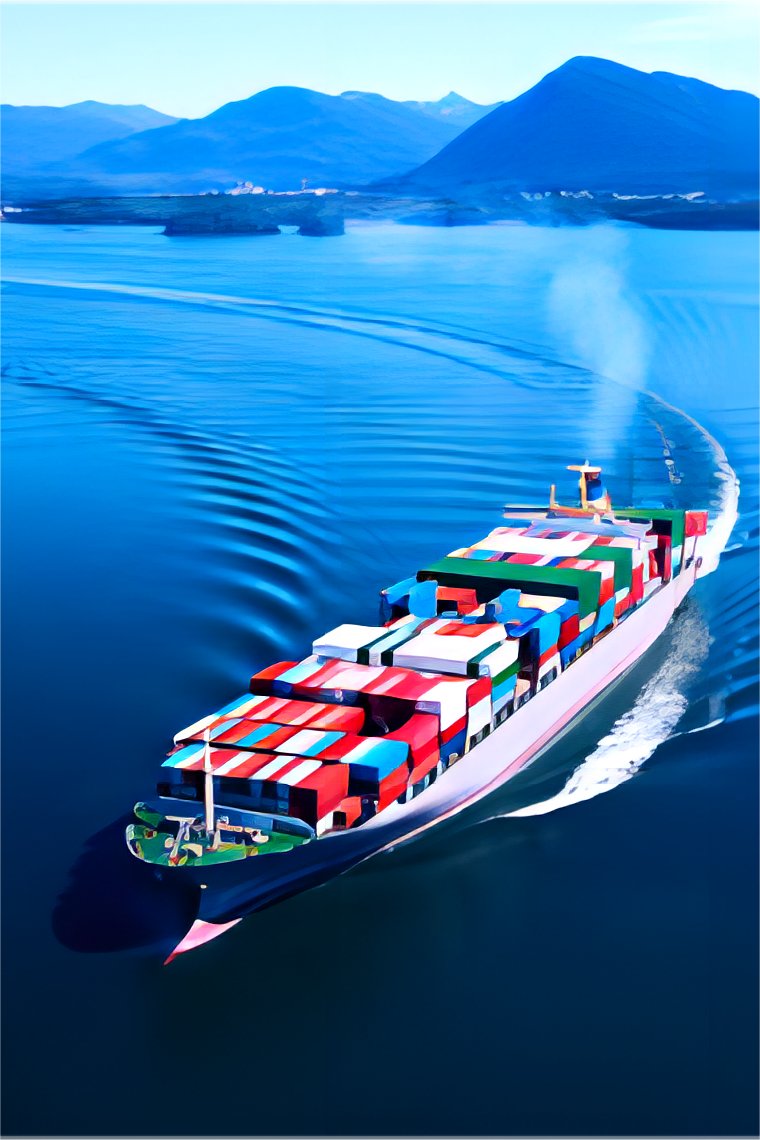
Choosing sea freight remains the most economical choice for high-volume ecommerce businesses moving large quantities of stock. Although transit times are longer than other methods, the cost per unit is unbeatable for heavy or bulky items.
Furthermore, our factory pickup service integrates seamlessly with ocean shipping by ensuring your goods arrive at the port precisely when the vessel is ready for loading. This synchronization prevents expensive demurrage and detention charges that often plague uncoordinated shipments.
Note: Freight rates are subject to change based on fuel costs, carrier capacity, and seasonal demand. Contact us for a current quote tailored to your specific shipment.
Accelerating Deliveries via Air Freight
When speed is the primary objective, air freight offers the fastest route from the factory floor to your customers. Many ecommerce brands use this method to restock top-selling items quickly or to launch new product lines during peak seasons.
Specifically, the factory pickup model excels here by slashing the time spent in domestic transit within China. Because air cargo space is often booked on tight schedules, having a logistics team ready at the factory gate ensures you never miss a flight window.
Additionally, the reduced handling associated with air transport lowers the risk of damage to fragile ecommerce products. While the cost is higher, the rapid inventory turnover often justifies the investment for high-margin electronics or fashion items.
Streamlining Amazon FBA and Global Fulfillment
Managing Amazon FBA shipments requires strict adherence to labeling and packaging requirements that many factories might overlook. By picking up goods directly, your logistics provider can perform a quality check and ensure compliance before the items leave China.
Consequently, this proactive approach prevents costly rejections at Amazon fulfillment centers in North America or Europe. Instead of dealing with returns and inventory blocks, you can rest easy knowing your products are ready for immediate sale.
Effective logistics management for FBA also involves strategic inventory placement. By utilizing a factory pickup solution, you can split your production run at the source and send portions to different global regions simultaneously.
Customs Brokerage and Trade Compliance
Navigating international regulations is often the most daunting part of the import process for ecommerce entrepreneurs. Utilizing a professional customs brokerage service during the factory pickup stage ensures all export licenses are in order before the truck leaves the warehouse.
Moreover, accurate classification of goods is vital to avoid overpaying duties or facing legal penalties. Our team reviews your commercial invoices and packing lists at the point of origin to ensure total compliance with the latest 2026 trade agreements.
Typical documentation required includes the Bill of Lading, Commercial Invoice, Packing List, and Certificate of Origin. Having these verified during the pickup phase prevents bottlenecks at the port of exit.
| Document Name | Purpose | Source | Timing |
|---|---|---|---|
| Commercial Invoice | Value Declaration | Manufacturer | At Pickup |
| Packing List | Cargo Detail | Manufacturer | At Pickup |
| Bill of Lading | Title of Goods | Carrier | After Loading |
| Export License | Legal Export | Factory/Agent | Pre-Pickup |
Door to Door Logistics: The Ultimate Convenience
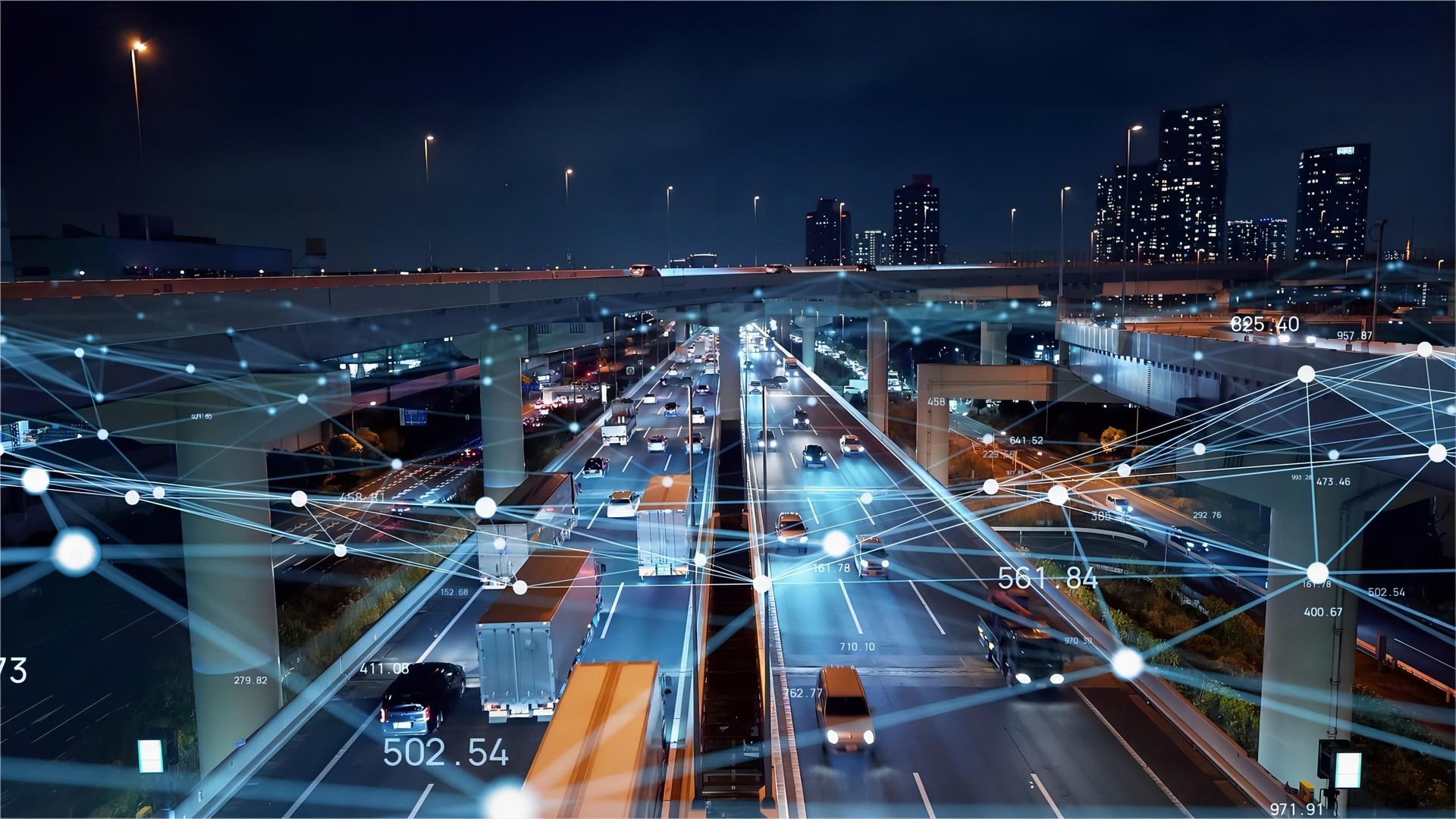
Choosing a door to door service combined with factory pickup provides the most streamlined experience possible. This end-to-end solution covers everything from the initial collection in China to the final delivery at your warehouse or customer’s doorstep.
Indeed, this model removes the need for you to manage multiple vendors or worry about hand-off points between different carriers. One point of contact manages the entire journey, providing a simplified billing process and unified tracking updates.
Whether you are shipping to Australia or North America, this comprehensive approach ensures that your supply chain remains resilient against local disruptions or logistical bottlenecks.
Real Case Studies with Verifiable Details
Case Study 1: Electronics Shipment to Europe. Route: Shenzhen, China to Hamburg, Germany. Cargo: Consumer Electronics, 12 CBM, 2500 kg. Method: LCL Sea Freight. Ocean Freight: $2,100. Origin Charges: $450. Destination Charges: $600. Customs and Duties: $1,200. Total Landed Cost: $4,350. Timeline: 35 days door-to-door. Key Insight: Success was driven by early documentation verification at the Shenzhen factory, preventing customs delays in Europe.
Case Study 2: Apparel Restock for North America. Route: Shanghai, China to Los Angeles, USA. Cargo: High-end Apparel, 3 CBM, 600 kg. Method: Air Freight. Total Landed Cost: $5,800. Timeline: 6 days door-to-door. Key Insight: Using factory pickup allowed the client to meet a sudden surge in demand during the 2026 spring season in North America.
Case Study 3: Furniture Distribution in Australia. Route: Ningbo, China to Melbourne, Australia. Cargo: Home Furniture, 28 CBM. Container: 20GP. Ocean Freight: $950. Total Landed Cost: $2,400. Timeline: 18 days door-to-door. Key Insight: Direct factory loading into the container minimized handling damage for fragile wood items destined for Australia.
Decision Framework: Which Option Should You Choose?
Selecting the right logistics strategy depends heavily on your budget, cargo type, and required speed. If your primary goal is cost reduction and you have high inventory levels, sea freight with factory pickup is the most logical choice.
However, if you are dealing with perishable goods or high-value items that require rapid turnover, air freight becomes the necessary alternative despite the higher price tag. Consider your profit margins and customer expectations when making this choice.
Hybrid solutions, such as sea-air combinations, can also be effective. These involve shipping by sea to a hub like Dubai or Singapore and then flying the goods to the final destination, offering a balance between cost and speed.
Final Thoughts on Factory Pickup Solutions
To summarize, implementing a china ecommerce logistics solution factory pickup is a game-changer for modern businesses looking to scale. By taking control of the first mile, you eliminate manufacturer-side delays and ensure your goods are handled professionally from the start.
Furthermore, as global trade continues to evolve in 2026, having a flexible and integrated logistics partner will be the key differentiator between successful brands and those struggling with supply chain issues. Start optimizing your factory-to-door process today to secure your competitive advantage.
Get Your Shipping Quote Today
Ready to optimize your supply chain with a professional china ecommerce logistics solution factory pickup? Contact China Top Freight today to receive a customized quote and streamline your 2026 shipping operations. Our experts are standing by to help you reduce costs and improve delivery times. Send Inquiry Visit: https://chinatopfreight.com/
Request Quote