

China Warehouse and Fulfillment Express Logistics: 2026 Industry Guide
Managing a global supply chain requires more than just moving goods from one point to another. In the current market, China Top Freight provides integrated solutions that bridge the gap between manufacturing and the end consumer. Utilizing china warehouse and fulfillment express logistics allows businesses to reduce lead times and improve customer satisfaction significantly. Consequently, many e-commerce brands are shifting their inventory closer to the source to maintain a competitive edge. This comprehensive guide explores how modern logistics frameworks can transform your international shipping operations in 2026.
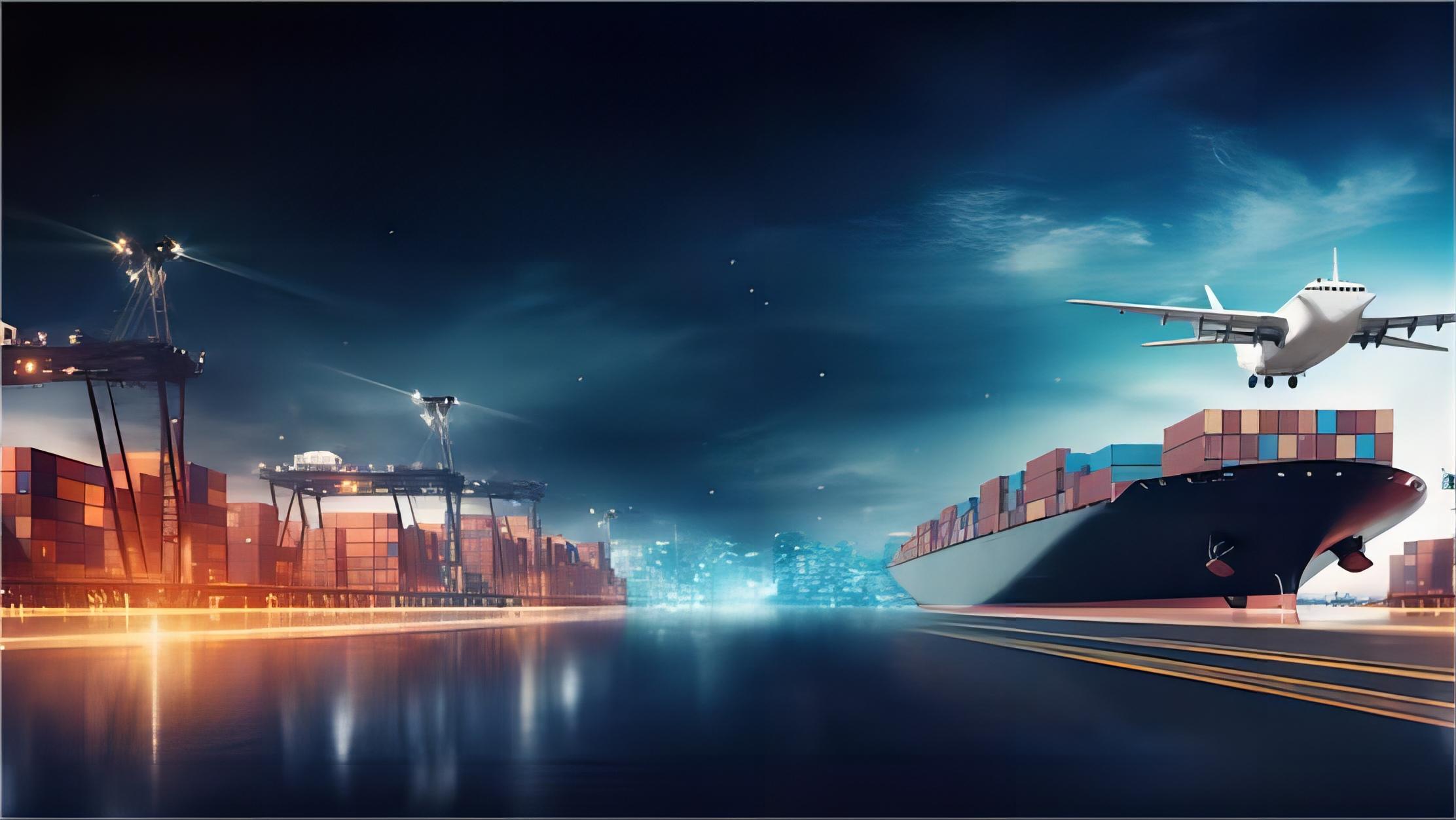
How China Warehouse and Fulfillment Express Logistics Optimizes 2026 Supply Chains
Modern businesses face increasing pressure to deliver products faster than ever before. Therefore, integrating china warehouse and fulfillment express logistics into your core strategy is no longer optional for high-growth companies. By storing products in specialized facilities near manufacturing hubs, you can execute quality control before the items even leave the country. Furthermore, this proximity allows for rapid restocking and immediate response to fluctuating market demands.
Efficiency in the 2026 landscape depends heavily on real-time data and automated processing. Additionally, using an integrated express service ensures that once an order is placed, it moves through the system without manual delays. As a result, the total time from factory floor to customer doorstep is reduced by up to forty percent compared to traditional models. Indeed, the synergy between local warehousing and rapid dispatch creates a seamless flow that benefits both the merchant and the buyer.
Inventory management has become more complex due to global trade shifts. However, sophisticated fulfillment centers now offer advanced tracking and inventory forecasting tools. Meanwhile, these facilities handle everything from labeling to kitting, which simplifies the workload for international sellers. Consequently, businesses can focus on marketing and product development while the logistics experts manage the physical movement of goods.
The Strategic Importance of Localized Inventory in China
Storing inventory within China offers a unique advantage for businesses targeting international markets. For instance, many sellers now utilize Amazon FBA preparation services directly at the source to save on double-handling costs. In addition, this approach minimizes the risk of international shipping errors because the goods are inspected and packaged according to strict standards before departure. Accordingly, the rate of returns and damaged goods decreases significantly.
Cost-effectiveness remains a primary driver for choosing localized warehousing. For example, the cost of storage in major Chinese hubs like Shenzhen or Ningbo is often lower than in North American or European cities. Furthermore, by consolidating multiple small orders into larger shipments, you can leverage better freight rates. Without a doubt, the ability to bulk-ship to a fulfillment center provides a buffer against sudden spikes in shipping costs.
Flexibility is another key benefit of this logistics model. Specifically, if a particular product line is not performing well in one region, you can easily redirect that inventory to a different market from your China hub. In contrast, once goods are shipped to a destination country, moving them elsewhere becomes prohibitively expensive. Therefore, maintaining a central stock in China provides a strategic pivot point for global distribution.
How Does China Warehouse and Fulfillment Express Logistics Compare to Other Shipping Options?
Evaluating different transport modes is essential for maintaining a healthy bottom line. While sea freight remains the most economical choice for large volumes, it lacks the speed required for urgent fulfillment. On the other hand, express logistics provides the velocity needed for high-value or time-sensitive items. To summarize, the choice depends on your specific balance of cost versus speed.
Alternative strategies often involve hybrid solutions to optimize performance. For example, some companies use sea freight for their baseline inventory and supplement it with express logistics for top-selling items. In addition, rail freight has emerged as a middle-ground option for shipments to Europe, offering faster transit than sea but at a lower cost than air. Nevertheless, for the fastest possible delivery to the end consumer, express services remain the gold standard.
| Shipping Method | Cost Range | Transit Time | Best For |
|---|---|---|---|
| Express Logistics | High ($8-$15/kg) | 3-5 Days | Small parcels, high-value goods |
| Air Freight | Medium-High ($4-$8/kg) | 5-10 Days | Urgent bulk shipments |
| Sea Freight (FCL) | Low ($3,000-$5,000/40HQ) | 25-40 Days | Large inventory restocks |
| Rail Freight | Medium ($150-$250/CBM) | 18-25 Days | European land routes |

Which Option Should You Choose for Your Business?
Decision-making in logistics requires a clear understanding of your priorities and constraints. If your primary goal is budget optimization, choosing sea freight for non-urgent inventory is the logical step. However, if you are launching a new product and need to respond quickly to customer feedback, the speed of china warehouse and fulfillment express logistics is invaluable. Consequently, most successful brands adopt a multi-tiered approach.
Volume thresholds also play a critical role in selecting the right method. For instance, shipments under 100 kilograms are almost always more efficient when sent via express service. Conversely, once you exceed 500 kilograms, traditional air or sea freight becomes more viable. Additionally, consider the nature of your products, as perishable or seasonal items require the rapid transit that only express logistics can provide.
Consider using door to door services to simplify the entire process. This option removes the complexity of managing multiple carriers and customs brokers. Indeed, a single point of contact can often resolve issues faster than a fragmented supply chain. Therefore, for many small to medium enterprises, the convenience of a managed door-to-door solution outweighs the potential savings of DIY logistics.
Understanding the Role of Express Service in Rapid Fulfillment
Speed is the defining characteristic of express logistics. In the 2026 market, customers expect their orders to arrive within a week, regardless of the origin. To meet this expectation, china warehouse and fulfillment express logistics providers have optimized their sorting and dispatching systems. As a result, packages often leave the warehouse within hours of the order being placed. Furthermore, integrated tracking allows customers to follow their package every step of the way.
Customs clearance is often the biggest bottleneck in international shipping. However, express carriers usually have established relationships and automated systems to expedite this process. By utilizing a professional customs brokerage service, you can ensure that all documentation is accurate and compliant. Consequently, the risk of shipments being held at the border is minimized. In addition, prepaying duties and taxes can further speed up the delivery process.
Last-mile delivery is the final and often most expensive part of the journey. Fortunately, express logistics providers have extensive networks in destination countries to handle this efficiently. Meanwhile, the use of localized distribution centers in the target market can further reduce transit times. Therefore, the combination of a China-based fulfillment hub and a global express network provides a powerful solution for modern e-commerce.
Real-World Case Studies: Logistics Success in 2026
Analyzing real-world scenarios helps illustrate the practical application of these logistics strategies. Below are two examples based on typical 2026 market conditions and rates.
Case Study 1: Electronics Brand Expansion. Route: Shenzhen, China to New York, USA. Cargo: Consumer electronics, 15 CBM, 2,500 kg. Container: LCL 15 CBM. Shipping Details: Major carrier via Shanghai. Port of Loading: Shenzhen. Port of Discharge: New York. Route Type: Direct. Cost Breakdown: Ocean Freight: $1,200. Origin Charges: $450. Destination Charges: $600. Customs and Duties: $1,800. Total Landed Cost: $4,050. Timeline: Booking to Loading: 3 days. Sea Transit: 28 days. Customs Clearance: 2 days. Total Door-to-Door: 33 days. Key Insight: Consolidating multiple SKUs into a single LCL shipment reduced costs by 25 percent compared to individual air shipments.
Case Study 2: Fashion E-commerce Peak Season. Route: Guangzhou, China to London, UK. Cargo: Apparel, 2 CBM, 400 kg. Shipping Method: Express Logistics. Port of Loading: Guangzhou. Port of Discharge: London Heathrow. Route Type: Direct Air. Cost Breakdown: Air Express Freight: $2,800. Documentation: $150. Destination Handling: $200. Customs and Duties: $950. Total Landed Cost: $4,100. Timeline: Booking to Loading: 1 day. Air Transit: 3 days. Customs Clearance: 1 day. Total Door-to-Door: 5 days. Key Insight: Using express logistics during the Q4 peak season allowed the brand to restock best-sellers in under a week, preventing lost sales due to stockouts.
Note: Freight rates are subject to change based on fuel costs, carrier capacity, and seasonal demand. Contact us for a current quote tailored to your specific shipment.
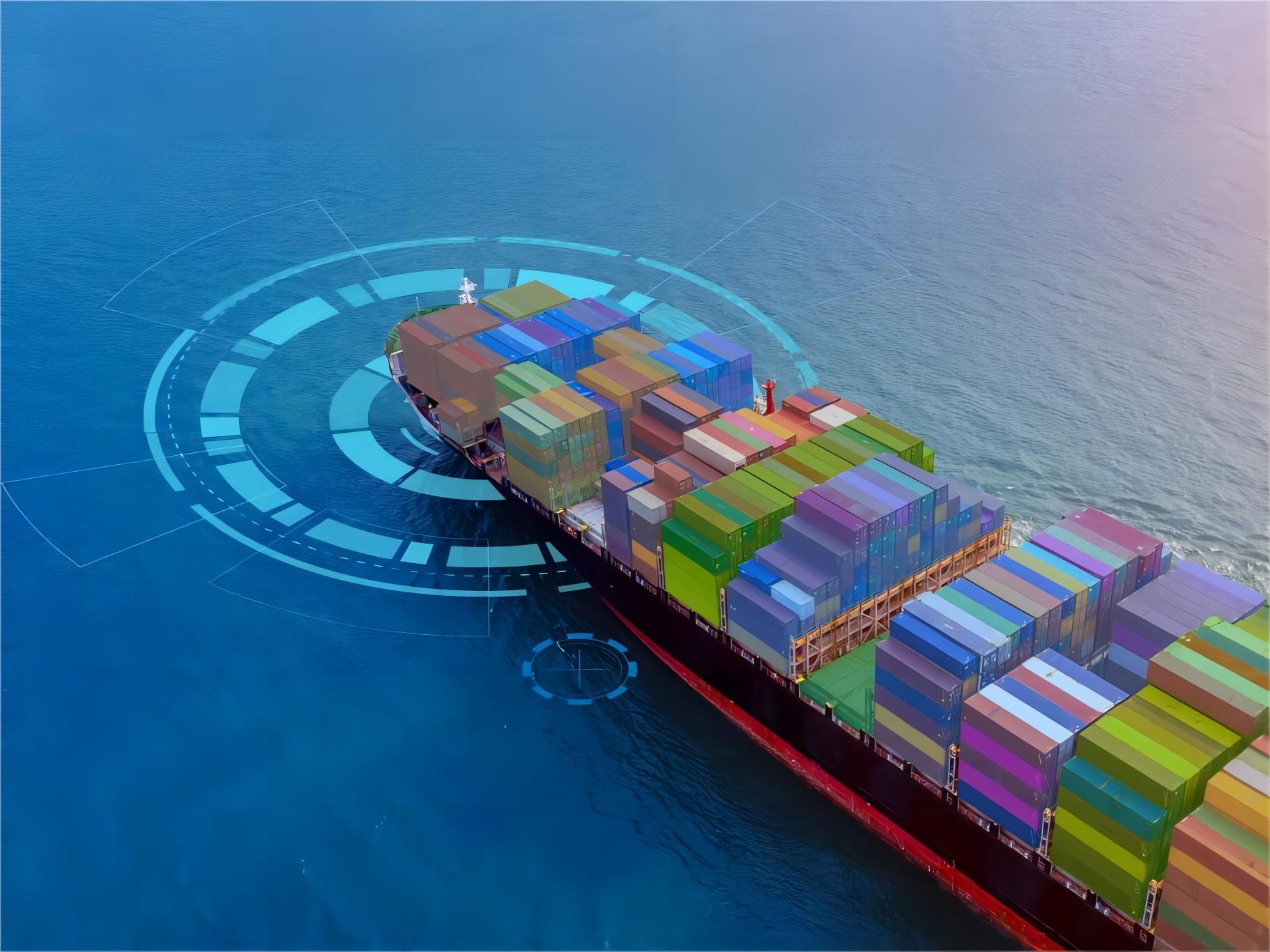
Cost Management Strategies for High-Volume Shippers
Reducing logistics expenses requires a proactive approach to planning and negotiation. For example, booking your shipments at least two weeks in advance can often secure lower rates than last-minute requests. In addition, optimizing your packaging to reduce volumetric weight is a simple yet effective way to cut costs. Furthermore, many providers offer volume discounts for businesses that commit to a certain number of shipments per month.
Market intelligence is vital for navigating the fluctuating rates of 2026. According to industry benchmarks, shipping costs tend to rise significantly during the months leading up to the Lunar New Year and the year-end holidays. Therefore, building up inventory during off-peak seasons can save substantial amounts of money. Meanwhile, staying informed about port conditions and potential disruptions allows you to adjust your routes before delays occur.
Technology plays a massive role in modern cost management. Indeed, using a centralized platform to manage all your china warehouse and fulfillment express logistics needs provides better visibility into your spending. Consequently, you can identify inefficiencies and areas where you can consolidate shipments. In contrast, managing logistics through multiple disconnected vendors often leads to hidden costs and wasted resources.
Mastering Your Logistics Strategy
In conclusion, the effective use of china warehouse and fulfillment express logistics is a cornerstone of success for modern international businesses. By combining the cost benefits of localized warehousing with the speed of express delivery, you can create a highly responsive supply chain. Furthermore, the ability to adapt to market changes and customer demands in real-time provides a significant competitive advantage. Therefore, investing in the right logistics partnerships and technologies today will pay dividends in the years to come. Whether you are a small startup or a large enterprise, optimizing your China-based operations is the key to sustainable global growth.
Start Your Shipment
Ready to streamline your global supply chain? Contact us today to receive a personalized quote for your china warehouse and fulfillment express logistics needs. Visit https://chinatopfreight.com/ to learn more about our comprehensive shipping solutions. Send Inquiry: https://chinatopfreight.com/
Request Quote