

China Export Logistics Shipping Rates: 2026 Market Guide and Pricing
“China export logistics shipping rates remain a critical factor for global businesses aiming to maintain competitive margins in 2026. Navigating the complex world of international trade requires a deep understanding of how China Top Freight manages supply chain efficiency. Consequently, importers must stay updated on fluctuating ocean freight prices and air cargo rates to optimize their procurement strategies and ensure timely delivery of goods across borders.”

Understanding China Export Logistics Shipping Rates in 2026
❖The landscape of international trade has shifted significantly as we move through the first quarter of 2026. Indeed, market data suggests that freight rates have stabilized after the volatility seen in previous years. However, businesses must still account for seasonal demand shifts and fuel surcharges that impact the final invoice.
Logistics management now requires a more granular approach to cost analysis than ever before. For instance, understanding the difference between base rates and all-in pricing can prevent unexpected budget overruns. Moreover, the integration of digital tracking tools has made it easier to monitor cargo handling and delivery schedules in real-time.
Global supply chains continue to evolve with a focus on resilience and transparency. Therefore, selecting a partner who understands the nuances of the Chinese export market is essential for long-term success. Additionally, staying informed about local port conditions in Shanghai or Ningbo can provide a competitive edge.
Primary Factors Influencing Current Shipping Costs
❖Several variables determine the total cost of moving goods from China to international destinations. Fuel costs remain a primary driver, as carriers adjust bunker adjustment factors (BAF) based on global oil prices. Furthermore, carrier capacity and container availability in major hubs like Shenzhen directly influence weekly rate fluctuations.
Seasonal patterns also play a significant role in pricing structures throughout the year. For example, rates typically increase by 15-25 percent during the August to October peak season as retailers prepare for holiday inventory. Meanwhile, the period following the Lunar New Year often sees a temporary dip in demand and pricing.
Customs regulations and trade policies between China and major trading blocks also impact the bottom line. Consequently, importers should work closely with a customs brokerage to navigate duty classifications and compliance requirements accurately. This proactive approach helps avoid costly delays at the port of discharge.
How Does Sea Freight Compare to Other Shipping Options?
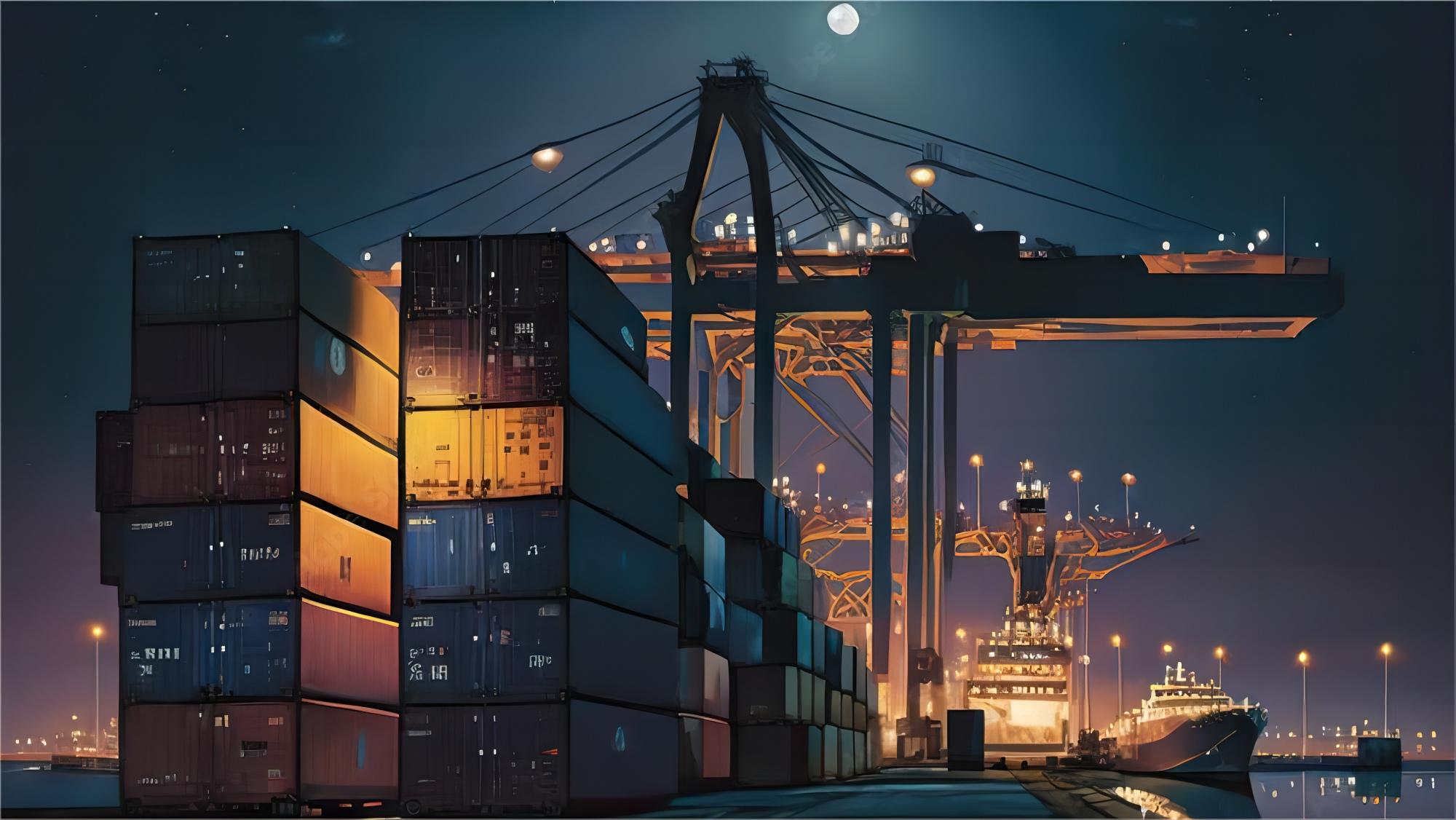
❖Choosing the right transport mode is a balance between speed, cost, and cargo volume. While sea freight remains the most economical choice for large volumes, it offers the longest transit times. In contrast, air freight provides rapid delivery but at a significantly higher price point per kilogram.
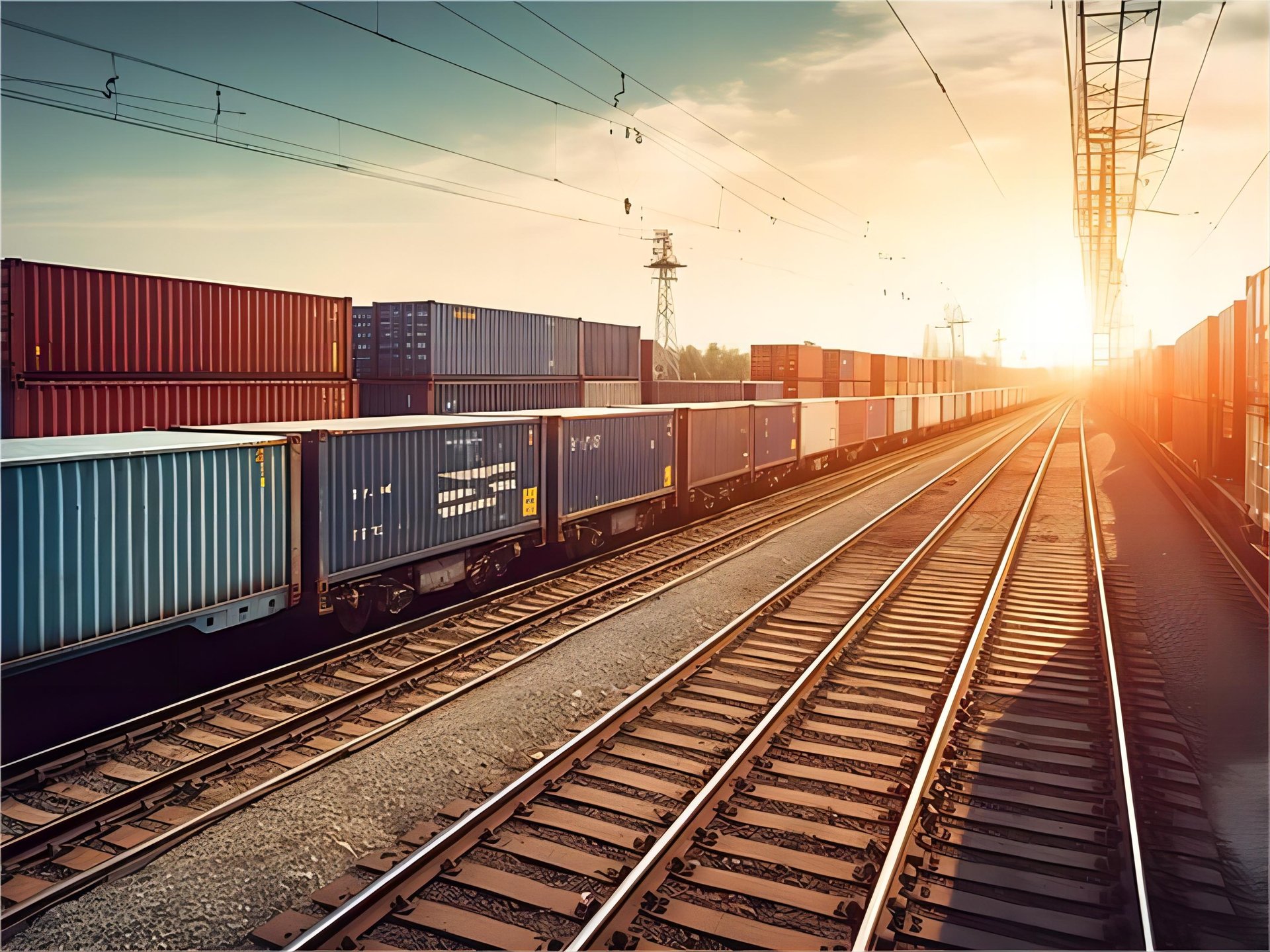
Rail freight has emerged as a popular middle-ground solution for shipments to Europe and Central Asia. It offers faster transit than the ocean while remaining more affordable than air transport. Without a doubt, each method serves a specific strategic purpose depending on the urgency of the shipment and the value of the goods.
The following table provides an objective analysis of the primary shipping methods available in 2026. This comparison helps logistics managers decide which service aligns best with their specific supply chain requirements and budget constraints.
| Sea Freight (FCL) | $1,500 – $6,000 | 14 – 40 Days | Bulk goods, heavy items |
| Air Freight | $4.50 – $9.00/kg | 3 – 7 Days | High-value, urgent cargo |
| Rail Freight | $1,200 – $3,500 | 15 – 22 Days | Mid-sized Europe shipments |
| Express Service | $7.00 – $15.00/kg | 2 – 5 Days | Small parcels, samples |
Exploring Air Freight and Express Services
❖When time is of the essence, air freight is the preferred choice for high-value electronics and seasonal fashion. Although the costs are higher, the reduction in inventory carrying costs can often justify the investment. Indeed, many companies use air transport to bridge gaps in supply during peak demand periods.
Express services provide a seamless door-to-door experience for smaller shipments and commercial samples. These services typically include customs clearance in their pricing, making them a convenient option for businesses that lack a dedicated logistics department. Nevertheless, for shipments exceeding 100 kilograms, traditional air freight usually becomes more cost-effective.
Logistics trends in 2026 indicate a growing preference for hybrid solutions like sea-air combinations. This strategy involves shipping goods by sea to a hub like Dubai and then flying them to the final destination. As a result, companies can save up to 40 percent compared to pure air freight while cutting transit time in half compared to sea freight.
The Role of Rail Freight in Modern Logistics
❖The expansion of the Silk Road rail network has revolutionized how goods move between China and Europe. Rail freight offers a stable and environmentally friendly alternative to traditional shipping methods. It is particularly effective for automotive parts, machinery, and consumer electronics that require a predictable delivery schedule.
Transit times for rail shipments from Xi’an or Chengdu to major European hubs like Warsaw or Hamburg typically range from 15 to 20 days. Moreover, rail rates are generally more stable than ocean freight prices, which can fluctuate wildly based on port congestion. Accordingly, rail has become a staple for businesses seeking to balance speed and cost.
However, it is important to note that rail freight is not an option for routes to North America or Australia. For these destinations, sea and air remain the only viable transport modes. To summarize, rail is a powerful tool for Eurasian trade but has geographical limitations that must be considered during the planning phase.
Shipping Rates by Major Global Destinations
❖Regional variations in China export logistics shipping rates are driven by distance, trade volume, and port infrastructure. For example, the route from China to the US West Coast is typically cheaper and faster than the route to the US East Coast. This is due to the shorter distance and the high frequency of vessel departures from major Chinese ports.
European routes have seen a stabilization in rates throughout early 2026 following previous disruptions. Meanwhile, shipping to Australia remains relatively affordable due to the proximity and strong bilateral trade agreements. Consequently, understanding these regional nuances is vital for accurate landed cost calculations.
Based on current market rates as of Q1 2026, the following table outlines typical container pricing and transit times for major global routes. Please note that these figures are averages and can vary based on specific port pairings and carrier selections.
| USA West Coast | $1,800 – $2,400 | $3,000 – $3,800 | 14 – 18 Days |
| USA East Coast | $2,800 – $3,600 | $4,800 – $6,200 | 28 – 35 Days |
| Northern Europe | $2,000 – $2,800 | $3,500 – $4,800 | 28 – 35 Days |
| Australia | $900 – $1,300 | $1,500 – $2,200 | 12 – 18 Days |

Optimizing Amazon FBA Logistics
❖E-commerce sellers frequently utilize Amazon FBA services to streamline their fulfillment processes. Shipping directly from Chinese factories to Amazon warehouses requires strict adherence to labeling and packaging standards. Failure to comply can lead to rejected shipments and additional handling fees at the destination.
Choosing between FCL and LCL for FBA shipments depends on the total volume of the inventory. For shipments under 15 CBM, LCL is often the most economical choice. However, once a shipment exceeds 15 CBM, booking a full 20GP container usually provides better value and reduces the risk of damage during consolidation.
In addition to transport costs, sellers must account for destination services such as palletization and trucking to the specific FBA center. Many logistics providers now offer all-in rates that cover every step from the factory gate to the Amazon warehouse. Indeed, this end-to-end visibility is crucial for maintaining healthy stock levels and avoiding stockouts.
Hidden Costs and Effective Cost-Saving Strategies
❖Beyond the base freight rate, several hidden costs can impact the total landed cost of your goods. These include terminal handling charges (THC), documentation fees, and inland trucking costs at both the origin and destination. Furthermore, unexpected storage fees or demurrage can quickly erode profit margins if customs clearance is delayed.
To reduce total expenses, consider consolidating smaller shipments from multiple suppliers into a single container. This strategy, known as buyer’s consolidation, can significantly lower the per-unit shipping cost. Additionally, negotiating Incoterms like FOB instead of EXW can give you more control over the logistics process and pricing.
Another effective strategy is to book shipments at least two to three weeks in advance. Early booking helps secure space on vessels and allows for more competitive rate negotiations with freight forwarders. Without a doubt, proactive planning is the most effective way to manage and reduce China export logistics shipping rates.
Real-World Case Studies of 2026 Shipments
❖Case Study 1: Electronics to the United States
Route: Shanghai, China to Los Angeles, USA. Cargo: Consumer Electronics, 28 CBM, 4,500 kg. Container: 40HQ. Shipping Details: Direct service via major carrier. Port of Loading: Shanghai. Port of Discharge: Los Angeles.
Cost Breakdown: Ocean Freight: $3,450. Origin Charges: $450. Destination Charges: $600. Customs and Duties: $1,200. Total Landed Cost: $5,700. Timeline: Booking to Loading: 4 days. Sea Transit: 15 days. Customs Clearance: 2 days. Total Door-to-Door: 21 days.
Key Insight: By choosing a direct route to the West Coast, the importer avoided the higher costs and longer transit times associated with East Coast ports. This shipment was successful due to early booking and accurate customs documentation.
Case Study 2: Home Decor to Germany
Route: Ningbo, China to Hamburg, Germany. Cargo: Wooden Furniture, 12 CBM, 2,200 kg. Container: LCL. Shipping Details: Transshipment via Singapore. Port of Loading: Ningbo. Port of Discharge: Hamburg.
Cost Breakdown: Ocean Freight: $1,140. Origin Charges: $320. Destination Charges: $550. Customs and Duties: $800. Total Landed Cost: $2,810. Timeline: Booking to Loading: 5 days. Sea Transit: 32 days. Customs Clearance: 3 days. Total Door-to-Door: 40 days.
Key Insight: For this mid-sized shipment, LCL was more economical than a full container. Based on Q3 2025 market rates, the consolidated approach saved the client approximately $1,200 compared to a 20GP container.
Which Option Should You Choose?
❖Selecting the ideal shipping method depends on your specific business priorities. If budget is your primary concern and you have flexible timelines, sea freight is the clear winner. For urgent shipments where speed is the priority, air freight or express services are the only viable options despite the higher costs.
For businesses operating in the Eurasian market, rail freight offers a compelling balance of speed and affordability. Additionally, consider the nature of your cargo; heavy or hazardous materials are often restricted to sea transport. Therefore, a multi-modal approach is often the best way to optimize a complex supply chain.
Note: Freight rates are subject to change based on fuel costs, carrier capacity, and seasonal demand. Contact us for a current quote tailored to your specific shipment.
Final Thoughts on Logistics Planning
In conclusion, managing China export logistics shipping rates effectively is a combination of market awareness, strategic planning, and choosing the right partners. By understanding the factors that drive costs and exploring all transport modes, businesses can significantly improve their bottom line.
As we navigate the remainder of 2026, staying adaptable to market changes will be essential. Whether you choose sea, air, or rail, the goal remains the same: safe, timely, and cost-effective delivery of your goods to the global market.
Ready to streamline your logistics?
Optimizing your China export logistics shipping rates requires expert knowledge and a reliable partner. Contact the team at China Top Freight today to receive a customized quote and discover how we can streamline your international supply chain. Send Inquiry
Request Quote