

China FCL CIF Shipping to New York: Your Complete Guide
Navigating the complexities of international shipping can be a significant challenge for businesses. Specifically, orchestrating China FCL CIF shipping to New York requires a nuanced understanding of logistics, regulations, and market dynamics. This comprehensive guide aims to demystify the process, offering crucial insights into Full Container Load (FCL) shipments under Cost, Insurance, and Freight (CIF) Incoterms, ensuring your goods arrive efficiently and cost-effectively at their New York destination.
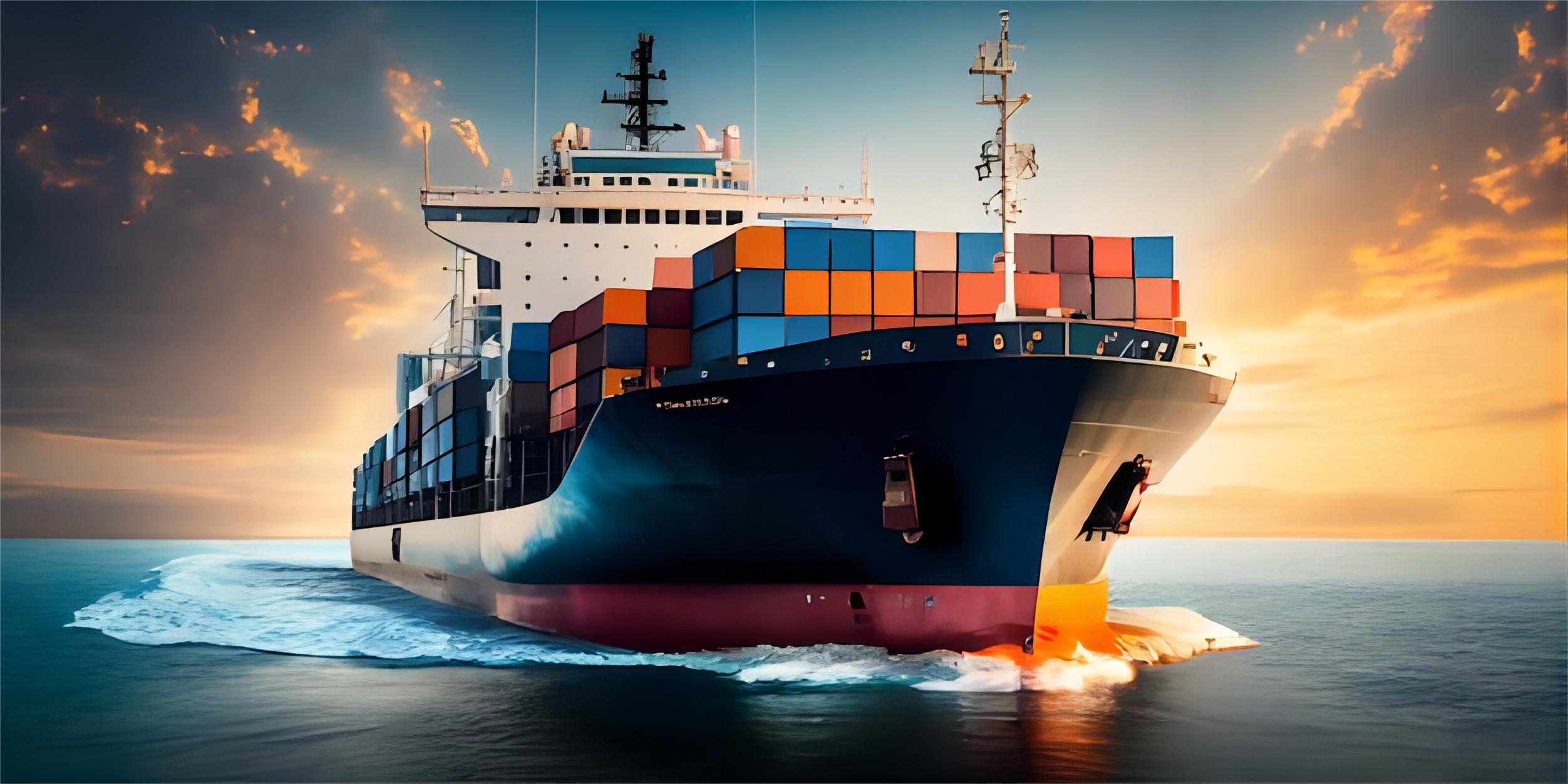
What is China FCL CIF Shipping to New York?
Fundamentally, Full Container Load (FCL) shipping involves reserving an entire shipping container exclusively for your cargo. This method is ideal for businesses with sufficient volume to fill a 20-foot or 40-foot container. Consequently, it offers greater security and often more predictable transit times compared to sharing space.
Furthermore, CIF stands for Cost, Insurance, and Freight, an Incoterm (International Commercial Term) that defines the responsibilities of sellers and buyers. Under CIF, the seller is responsible for the cost of goods, insurance, and freight to the named port of destination, which in this case is New York. Therefore, the seller covers all expenses until the cargo reaches the port of entry.
Why Choose FCL for China to New York Shipments?
Choosing FCL for your imports from China to New York offers several distinct advantages. Primarily, it provides enhanced security for your goods, as the container remains sealed from origin to destination, minimizing handling and potential damage. Moreover, this direct loading reduces the risk of contamination or loss during transit.
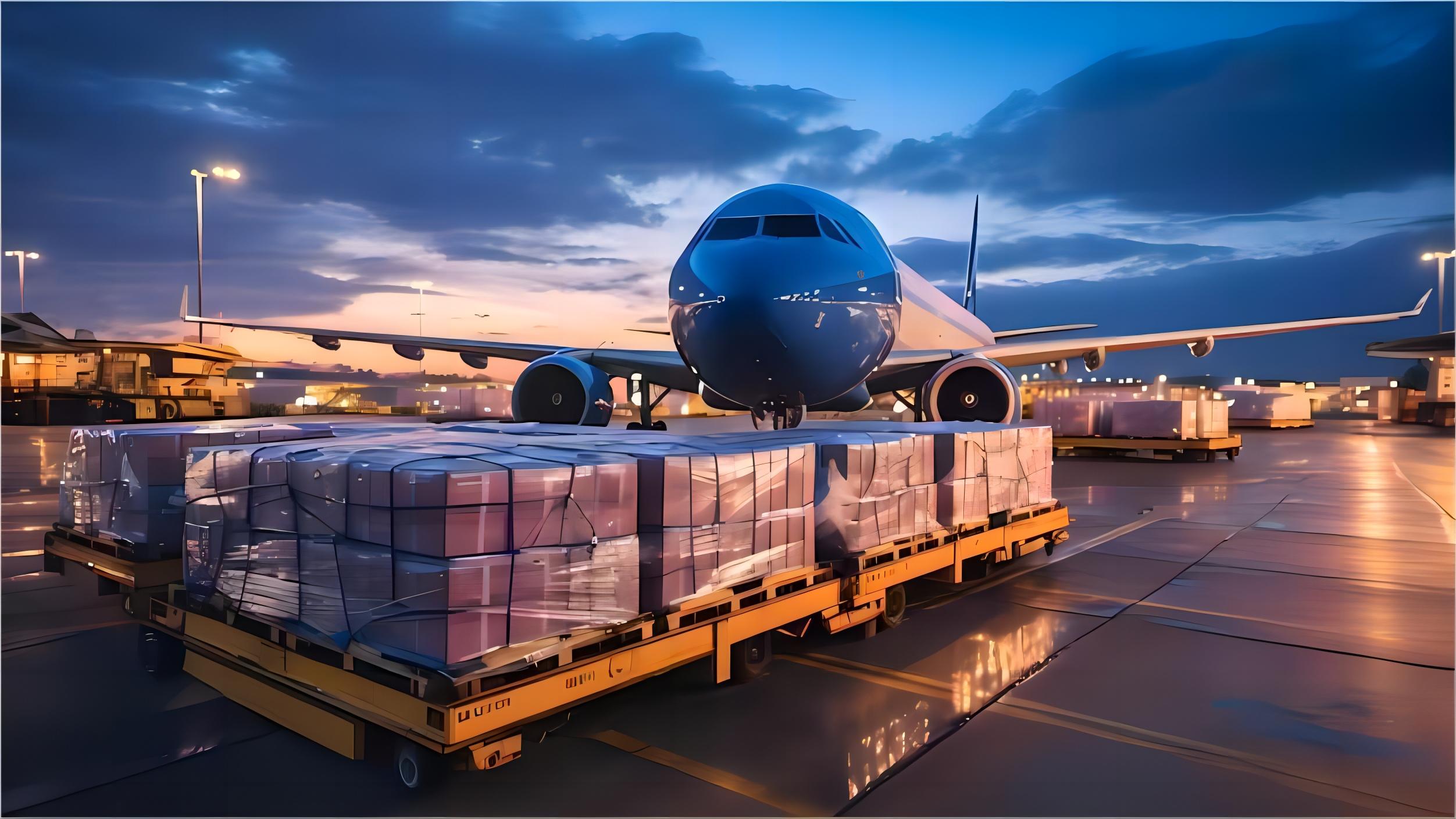
Additionally, FCL shipments often result in faster transit times compared to Less than Container Load (LCL) options. Since your container does not need to be consolidated with other cargo, there are fewer delays at various consolidation points. Therefore, for businesses prioritizing speed and reliability for larger volumes, FCL is often the preferred choice for sea freight to North America.
Understanding the CIF Incoterm in Detail for New York Imports
The CIF Incoterm specifies that the seller is responsible for paying the costs and freight to bring the goods to the port of destination, New York. This includes main carriage, as well as marine insurance against loss or damage to the goods during transit. However, it’s crucial to understand the risk transfer point.
Specifically, the risk of loss or damage to the goods transfers from the seller to the buyer once the goods are loaded onto the vessel at the port of origin in China. Consequently, while the seller pays for insurance up to New York, the buyer bears the risk during the main carriage. Therefore, upon arrival in New York, the buyer assumes responsibility for all subsequent costs, including unloading, customs clearance, duties, and inland transportation to the final destination.
The China FCL CIF Shipping Process to New York
Orchestrating an FCL CIF shipment from China to New York involves several critical stages. Initially, the process begins with booking the container and arranging cargo readiness at the supplier’s location. The freight forwarder then coordinates the origin haulage to the port in China.
Subsequently, export customs clearance is completed in China, and the container is loaded onto the vessel for ocean transit. Upon arrival at the Port of New York and New Jersey, the buyer’s designated party, typically a customs broker, handles import customs clearance and payment of duties. Finally, the container is discharged, and inland transportation is arranged for delivery to the buyer’s warehouse. This comprehensive process ensures systematic cargo movement.
Key Factors Affecting Costs and Transit Times for FCL CIF
Several variables significantly influence the overall cost and transit time for China FCL CIF shipping to New York. Ocean freight rates, for instance, fluctuate based on global demand, fuel costs, and carrier capacity. Moreover, peak season surcharges (PSS) and Bunker Adjustment Factors (BAF) can add considerable costs, especially during busy periods like Q3 and Q4.
Regarding transit times, the specific port of loading in China, the chosen carrier, and whether the route is direct or involves transshipment all play a role. For example, direct services are generally faster but may be pricier. Additionally, port congestion at New York or unforeseen weather conditions can cause delays. Therefore, understanding these factors is vital for accurate budgeting and scheduling.
| Cost Component | Description | Responsibility (CIF) |
|---|---|---|
| Ocean Freight | Cost to transport container by sea | Seller |
| Origin Charges (THC, Documentation) | Handling at origin port, paperwork | Seller |
| Marine Insurance | Coverage for goods during transit | Seller |
| Destination Charges (THC, CFS) | Handling at destination port, unloading | Buyer |
| Customs Duties & Taxes | Import taxes levied by US Customs | Buyer |
| Customs Brokerage Fees | Services for clearance procedures | Buyer |
| Inland Transportation | From New York port to final warehouse | Buyer |

How Does FCL CIF Compare to Other Shipping Options?
When planning your imports from China to New York, evaluating alternative shipping methods against FCL CIF is crucial. Each option presents unique trade-offs in terms of speed, cost, and cargo suitability. Consequently, understanding these differences helps in making informed decisions for your supply chain strategy.
For instance, while FCL offers excellent value for large volumes, smaller shipments might benefit from other approaches. Therefore, a comprehensive comparison is essential to optimize your logistics.
Shipping Method Comparison: China to New York
| Shipping Method | Cost Range (40HQ/100kg) | Transit Time | Best For | Limitations |
|---|---|---|---|---|
| Sea FCL (CIF) | $4,500-$6,000 (40HQ) | 30-35 days | Large volume, non-urgent, cost-effective | Slowest, port-to-port only (under CIF) |
| Sea LCL | $80-$120/CBM | 35-45 days | Smaller volumes (under 15 CBM), cost-effective | Slower than FCL, more handling, potential delays |
| Air Freight | $6-$10/kg | 5-7 days | Urgent, high-value, perishable goods | Most expensive, weight/volume restrictions |
| Express Service | $8-$15/kg | 2-4 days | Very urgent, small parcels, samples | Extremely expensive for larger goods, limited capacity |
Alternative Strategies and Decision Framework
Consider LCL if your shipment is under 15 CBM; it may be more economical than a full container. However, be prepared for longer transit times and increased handling. Conversely, for time-sensitive goods, air freight offers significantly faster delivery, albeit at a much higher cost.
Hybrid solutions, such as sea-air (e.g., shipping to the US West Coast by sea, then air freighting to New York), can balance cost and speed for specific scenarios. Moreover, for ultimate convenience and minimal involvement, a door-to-door service can handle all logistics from supplier to your warehouse. Your choice should depend on your budget priority, speed requirements, cargo type, and shipment volume thresholds.
Customs Clearance and Documentation for New York Imports
Navigating US customs regulations is a critical component of successful China FCL CIF shipping to New York. Accurate and timely documentation prevents delays and avoids costly penalties. Therefore, engaging a professional customs brokerage service is highly recommended to ensure compliance.
Key documents typically include the Commercial Invoice, Packing List, Bill of Lading, and a Customs Bond. Furthermore, the Importer Security Filing (ISF 10+2) must be submitted to CBP at least 24 hours before vessel departure from China. Neglecting any of these requirements can lead to significant hold-ups at the port. Based on Q4 2024 market data, customs delays are a common challenge if paperwork is incomplete.
| Document | Purpose | Issued By |
|---|---|---|
| Commercial Invoice | Details of goods, value, seller/buyer | Seller |
| Packing List | Details of package contents, weight, dimensions | Seller |
| Bill of Lading (BOL) | Contract of carriage, title to goods | Carrier/Freight Forwarder |
| Customs Bond | Guarantees duty payment to CBP | Surety Company (arranged by Importer) |
| ISF 10+2 | Pre-arrival security filing for imports | Importer/Agent |
| Certificate of Origin | Confirms country of manufacture | Seller/Chamber of Commerce |
Case Studies: Real-World China FCL CIF Shipments to New York
Examining real-world scenarios provides valuable insights into the practicalities and potential challenges of FCL CIF shipping. These examples illustrate typical costs, transit times, and operational nuances for imports to New York. Moreover, they highlight the importance of meticulous planning and selecting the right partners.
Case Study 1: Consumer Electronics Import
This case demonstrates a standard direct FCL shipment during a relatively stable market period. The direct route minimized transshipment risks and delays, ensuring a predictable delivery schedule. The early booking helped secure favorable rates.
| Detail | Description |
|---|---|
| Route | Shanghai, China -> New York, USA |
| Cargo | Consumer Electronics (Smart Devices), 60 CBM, 12,000 kg |
| Container | 1 x 40HQ |
| Shipping Details | |
| – Carrier/Service | COSCO (Direct Service) |
| – Port of Loading | Shanghai |
| – Port of Discharge | Port of New York and New Jersey |
| – Route Type | Direct |
| Cost Breakdown (Based on Q3 2024) | |
| – Ocean Freight | $4,800 |
| – Origin Charges (THC, documentation) | $350 |
| – Destination Charges (THC, port fees) | $600 |
| – Customs & Duties (estimated) | $1,200 |
| – Total Landed Cost (excl. inland) | $6,950 |
| Timeline | |
| – Booking to Loading | 7 days |
| – Sea Transit | 32 days |
| – Customs Clearance | 3 days |
| – Total Port-to-Port | 35 days |
| Key Insight | Direct routes offer reliability and shorter transit times, crucial for product launches. |
Case Study 2: Seasonal Apparel Shipment
This shipment faced slightly higher rates due to booking during the early peak season. The transshipment via Busan added a few days to the transit but allowed for a more competitive ocean freight rate. Careful management of customs documentation was essential for a smooth process.
| Detail | Description |
|---|---|
| Route | Ningbo, China -> New York, USA |
| Cargo | Seasonal Apparel, 30 CBM, 6,500 kg |
| Container | 1 x 20GP |
| Shipping Details | |
| – Carrier/Service | Maersk (Transshipment Service) |
| – Port of Loading | Ningbo |
| – Port of Discharge | Port of New York and New Jersey |
| – Route Type | Transshipment via Busan, South Korea |
| Cost Breakdown (Based on Q4 2024) | |
| – Ocean Freight | $3,200 |
| – Origin Charges (THC, documentation) | $300 |
| – Destination Charges (THC, port fees) | $550 |
| – Customs & Duties (estimated) | $900 |
| – Total Landed Cost (excl. inland) | $4,950 |
| Timeline | |
| – Booking to Loading | 10 days |
| – Sea Transit | 38 days |
| – Customs Clearance | 4 days |
| – Total Port-to-Port | 42 days |
| Key Insight | Transshipment can offer cost savings but may slightly extend transit duration. Plan for peak season rate increases. |
Case Study 3: Furniture Import with Value-Added Services
This example highlights a larger shipment where an experienced forwarder managed the entire process, including pre-shipment quality checks and efficient customs brokerage. Despite a competitive market, the smooth execution ensured timely delivery to the final distribution center.
| Detail | Description |
|---|---|
| Route | Shenzhen, China -> New York, USA |
| Cargo | Flat-pack Furniture, 68 CBM, 15,000 kg |
| Container | 1 x 40HQ |
| Shipping Details | |
| – Carrier/Service | OOCL (Direct Service) |
| – Port of Loading | Shenzhen |
| – Port of Discharge | Port of New York and New Jersey |
| – Route Type | Direct |
| Cost Breakdown (Based on early 2025) | |
| – Ocean Freight | $5,500 |
| – Origin Charges (THC, documentation) | $380 |
| – Destination Charges (THC, port fees) | $650 |
| – Customs & Duties (estimated) | $1,500 |
| – Total Landed Cost (excl. inland) | $8,030 |
| Timeline | |
| – Booking to Loading | 8 days |
| – Sea Transit | 33 days |
| – Customs Clearance | 3 days |
| – Total Port-to-Port | 36 days |
| Key Insight | Larger shipments benefit from direct routes and robust forwarder services to manage potential complexities. |

Choosing the Right Freight Forwarder for Your New York Imports
Selecting a reliable freight forwarder is paramount for successful China FCL CIF shipping to New York. An experienced partner can navigate the complexities of international logistics, customs, and port operations. Therefore, look for a forwarder with a proven track record on the China-USA trade lane.
Furthermore, consider their network, carrier relationships, and transparency in pricing. A good freight forwarder offers not just competitive rates but also excellent communication and proactive problem-solving. They can also provide value-added services like warehousing or Amazon FBA preparation, streamlining your entire supply chain.
Optimizing Your China FCL CIF Shipping Strategy
To maximize efficiency and minimize costs for your FCL CIF shipments to New York, strategic planning is essential. Firstly, always book your shipments well in advance, especially during peak seasons when capacity is tight and rates are higher. This proactive approach helps secure better rates and avoids last-minute surcharges.
Secondly, negotiate favorable terms with your suppliers and freight forwarders. Understanding market trends and leveraging long-term relationships can lead to significant savings. Moreover, consider comprehensive cargo insurance beyond the basic CIF coverage, as the risk transfers at the origin port. Lastly, stay informed about changes in customs regulations and global logistics trends to adapt your strategy accordingly. Note: Freight rates are subject to change based on fuel costs, carrier capacity, and seasonal demand. Contact us for a current quote tailored to your specific shipment.
Conclusion
Effectively managing <a href=”https://chinatopfreight.com/services/sea-freight/”>China FCL CIF shipping to New York</a> is pivotal for businesses relying on international trade. By understanding the intricacies of FCL, CIF Incoterms, customs procedures, and choosing a reputable logistics partner, you can ensure a smooth and predictable supply chain. Ultimately, informed decision-making and proactive planning are key to successful imports, supporting your business growth in the competitive US market.
Ready to streamline your logistics?
Ready to streamline your China FCL CIF shipping to New York? Our team of experts at China Top Freight is dedicated to providing efficient, reliable, and cost-effective logistics solutions. Contact us today for a personalized quote and discover how we can optimize your import process.
Request Quote