

China FCL FOB Shipping to Long Beach: Your Expert Guide
Importing goods from China to the United States requires careful planning, and understanding China Top Freight can be a crucial step for businesses. Navigating the complexities of sea freight, especially with Full Container Load (FCL) and Free On Board (FOB) terms for shipments destined for Long Beach, can seem daunting. This comprehensive guide will demystify the process, offering clear insights into costs, transit times, and best practices to ensure a smooth and efficient supply chain.
Understanding China FCL FOB Shipping to Long Beach
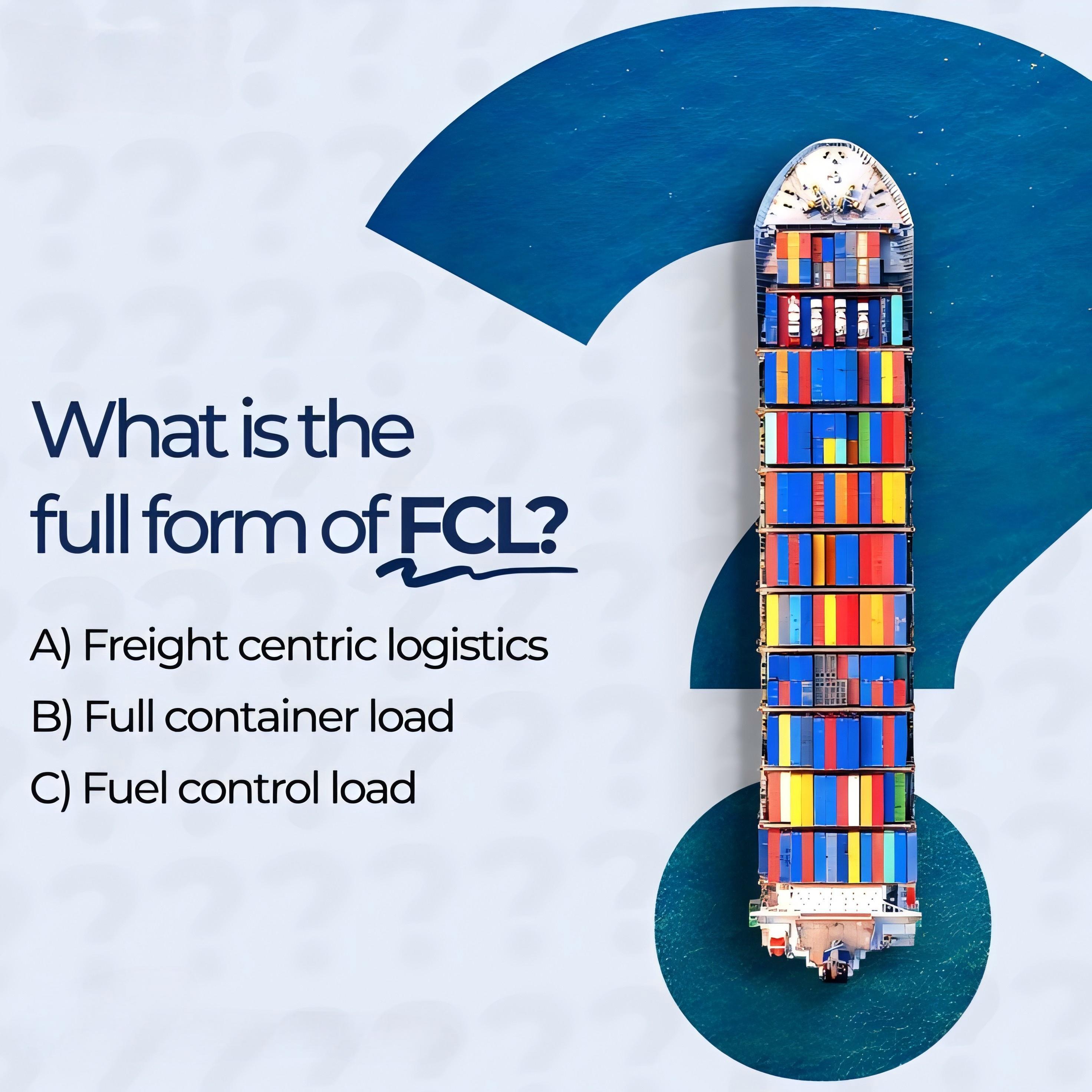
Indeed, Full Container Load (FCL) shipping from China to Long Beach represents a cornerstone of international trade. This method involves dedicating an entire shipping container, typically 20-foot or 40-foot, to a single consignee. Consequently, it offers distinct advantages for businesses with substantial cargo volumes.
Moreover, understanding the Free On Board (FOB) Incoterm is equally vital for this route. Under FOB terms, the seller is responsible for delivering the goods onto the nominated vessel at the port of origin in China. The buyer then assumes all risks and costs from that point forward, including the main ocean freight to Long Beach.
Why Choose FCL for Your Shipments to Long Beach?
Opting for FCL shipping from China to Long Beach provides numerous benefits for importers. Primarily, it offers enhanced security for your goods. Since the container is sealed at the origin and remains untouched until it reaches the destination, there is less risk of damage or theft associated with multiple cargo handling points.
Furthermore, FCL shipments typically boast faster transit times compared to Less than Container Load (LCL). This is because FCL containers do not require consolidation with other shipments or deconsolidation at the destination port. Therefore, your cargo experiences a more direct and streamlined journey. Additionally, for larger volumes, FCL often proves to be more cost-effective per unit, providing significant savings over LCL options.
The FOB Incoterm: Your Responsibilities and Benefits
Without a doubt, Free On Board (FOB) is a widely used Incoterm for China to Long Beach shipments, clearly defining the responsibilities between buyer and seller. Under FOB, the seller covers all costs and risks associated with transporting goods to the named port of loading, clearing them for export, and loading them onto the vessel. The critical point of transfer occurs when the goods are safely aboard the ship.
Consequently, from the moment the goods are on the vessel, the buyer assumes all subsequent costs and risks. This includes ocean freight, insurance, destination charges, and customs clearance upon arrival at Long Beach. This arrangement grants buyers greater control over the main carriage, allowing them to choose their preferred customs brokerage and freight forwarder, potentially leading to better rates and service. However, it also places more responsibility on the buyer to manage the logistics from the port of loading onwards.
The Route: China to Long Beach Port Logistics
The maritime route from major Chinese ports to Long Beach, California, is one of the busiest global trade lanes. Key ports of loading in China include Shanghai, Ningbo, Shenzhen, and Qingdao, all offering extensive connectivity and frequent sailings. These ports are equipped to handle vast volumes of FCL cargo efficiently.
Typically, the sea transit time for an FCL shipment from China to Long Beach ranges from 14 to 20 days, depending on the origin port and specific carrier service. Upon arrival, the Port of Long Beach serves as a critical gateway to the vast North American market. From there, efficient drayage services and onward distribution, often facilitated by door-to-door delivery solutions, ensure your cargo reaches its final destination swiftly.

How Does China FCL FOB Shipping to Long Beach Compare to Other Options?
When considering shipping from China to Long Beach, FCL sea freight under FOB terms is often the preferred choice for many businesses. However, it is essential to evaluate alternative shipping methods to determine the most suitable option for your specific needs. Each method offers distinct advantages and disadvantages concerning cost, speed, and suitability for different cargo types.
For instance, while FCL provides economic benefits for large volumes, air freight offers unparalleled speed for urgent or high-value goods. On the other hand, Less than Container Load (LCL) sea freight can be a viable option for smaller shipments that do not justify a full container. Evaluating these alternatives against your budget and timeline is crucial for effective supply chain management. Below is a comprehensive comparison to guide your decision-making.
| Shipping Method | Cost Range (40HQ/1000kg) | Transit Time | Best For | Limitations |
|---|---|---|---|---|
| FCL Sea Freight | $2,800 – $3,800 (40HQ) | 14-20 days | Large volumes, non-urgent, cost-effective | Slower than air, port congestion risks |
| LCL Sea Freight | $50 – $80 per CBM | 20-30 days | Smaller volumes (under 15 CBM), flexible | Longer transit, more handling, higher per unit cost than FCL |
| Air Freight | $5,000 – $15,000 (1000kg) | 3-7 days | Urgent, high-value, small volume cargo | Very expensive, limited by cargo size/weight |
| Express Service | $8 – $15 per kg | 2-5 days | Samples, documents, very small, time-critical items | Extremely expensive for commercial quantities, weight/size limits |
Real-World Case Studies: China FCL FOB to Long Beach
Exploring practical examples can provide invaluable insights into the nuances of China FCL FOB shipping to Long Beach. These case studies highlight real-world scenarios, demonstrating typical costs, transit times, and the strategic decisions involved in international logistics. They offer a tangible perspective on optimizing your import operations.
Case Study 1: Electronics Importer’s Strategic Shipment
This importer needed to move a substantial quantity of consumer electronics before a major sales event. By leveraging FCL under FOB terms, they maintained control over the main freight, ensuring a timely and cost-effective delivery. The key insight was proactive booking during a period of stable freight rates, avoiding peak season surcharges.
| Metric | Details |
|---|---|
| Route | Ningbo, China -> Long Beach, USA |
| Cargo | Consumer Electronics, 55 CBM, 12,000 kg |
| Container | 1 x 40HQ |
| Carrier/Service | Major carrier (e.g., COSCO) |
| Port of Loading | Ningbo |
| Port of Discharge | Long Beach |
| Route Type | Direct |
| Ocean Freight | $3,100 (Based on Q3 2024 market rates) |
| Origin Charges | $420 |
| Destination Charges | $350 |
| Customs & Duties (est.) | $680 |
| Total Landed Cost | $4,550 |
| Booking to Loading | 6 days |
| Sea Transit | 17 days |
| Customs Clearance | 2 days |
| Total Door-to-Door | 25 days |
Case Study 2: Apparel Brand’s Seasonal Inventory
An apparel company required a large volume of seasonal clothing to arrive ahead of the fall collection launch. Choosing FCL allowed them to manage their inventory effectively and minimize per-unit shipping costs. The main challenge was navigating a slight delay due to port congestion at Long Beach, which was mitigated by having a buffer in their delivery schedule.
| Metric | Details |
|---|---|
| Route | Shenzhen, China -> Long Beach, USA |
| Cargo | Apparel, 60 CBM, 10,000 kg |
| Container | 1 x 40HQ |
| Carrier/Service | Major carrier (e.g., MSC) |
| Port of Loading | Shenzhen |
| Port of Discharge | Long Beach |
| Route Type | Direct |
| Ocean Freight | $3,500 (Typical rates as of early 2025) |
| Origin Charges | $480 |
| Destination Charges | $400 |
| Customs & Duties (est.) | $900 |
| Total Landed Cost | $5,280 |
| Booking to Loading | 7 days |
| Sea Transit | 18 days |
| Customs Clearance | 3 days |
| Total Door-to-Door | 28 days |
Case Study 3: Furniture Wholesaler’s Regular Shipment
This wholesaler consistently imports furniture, making FCL their standard choice due to the cargo’s bulkiness and the need for minimal handling. Their FOB terms allowed them to negotiate favorable rates with their chosen forwarder. The key insight was the consistent use of a reliable freight partner, streamlining their recurring import process and reducing potential complications.
| Metric | Details |
|---|---|
| Route | Shanghai, China -> Long Beach, USA |
| Cargo | Wooden Furniture, 30 CBM, 8,000 kg |
| Container | 1 x 20GP |
| Carrier/Service | Major carrier (e.g., Maersk) |
| Port of Loading | Shanghai |
| Port of Discharge | Long Beach |
| Route Type | Direct |
| Ocean Freight | $2,000 (Industry average for Q1 2025) |
| Origin Charges | $380 |
| Destination Charges | $320 |
| Customs & Duties (est.) | $500 |
| Total Landed Cost | $3,200 |
| Booking to Loading | 4 days |
| Sea Transit | 16 days |
| Customs Clearance | 2 days |
| Total Door-to-Door | 22 days |
Which Shipping Option Should You Choose for Your China to Long Beach Route?
Ultimately, selecting the optimal shipping method for your China to Long Beach imports depends on a careful assessment of several key factors. There is no single ‘best’ option; rather, the most effective choice aligns with your specific business priorities and cargo characteristics. Therefore, a structured decision framework can greatly simplify this process.
Consider your budget priority first. If cost-efficiency is paramount and you have large volumes, FCL sea freight is almost always the recommended option. Conversely, if speed is your primary concern for urgent or perishable goods, air freight, despite its higher cost, becomes the logical choice. For smaller shipments where cost is still a factor but FCL is too much, LCL sea freight offers a balanced compromise. Additionally, cargo type considerations play a role; bulky or heavy items are best suited for FCL, while delicate or high-value items might benefit from the faster transit and reduced handling of air cargo. Finally, volume thresholds for switching methods are crucial; shipments exceeding 15 CBM typically become more economical with FCL than LCL. This careful evaluation ensures your supply chain remains both efficient and cost-effective.

Navigating Customs and Documentation for US Imports
Successfully importing goods via China FCL FOB shipping to Long Beach requires meticulous attention to customs procedures and documentation. Proper preparation can prevent costly delays and ensure compliance with US regulations. Therefore, understanding the essential paperwork and the role of customs brokers is paramount.
Key documents typically include the Bill of Lading, Commercial Invoice, Packing List, and Certificate of Origin. Moreover, accurate Harmonized Tariff Schedule (HTS) codes are necessary for calculating import duties and taxes. Engaging a reliable customs broker is highly advisable, as they can navigate the complexities of US Customs and Border Protection (CBP) requirements, ensuring smooth clearance for your cargo. This expert assistance minimizes risks and streamlines the entire import process for your business.
Optimizing Your China to Long Beach Supply Chain
Achieving an efficient and resilient supply chain for China FCL FOB shipping to Long Beach involves more than just selecting a shipping method. It demands a holistic approach to planning and execution. Consequently, integrating several strategic practices can significantly enhance your operational effectiveness and reduce potential disruptions.
Firstly, robust supplier management is crucial. Establishing clear communication and performance metrics with your Chinese suppliers can prevent delays at the origin. Secondly, consider cargo insurance to protect against unforeseen incidents during transit, providing financial security for your goods. Furthermore, leveraging technology for real-time tracking offers transparency and allows for proactive problem-solving. This includes integrating with systems that provide updates on vessel movements and port status. For businesses utilizing platforms like Amazon FBA, precise delivery scheduling and coordination with fulfillment centers are also critical to avoid demurrage and detention charges. By focusing on these areas, you can create a more predictable and cost-effective import process.
Market Trends and Pricing for China to Long Beach Shipping
Freight rates for China FCL FOB shipping to Long Beach are subject to dynamic market forces and can fluctuate significantly. According to industry benchmarks, factors such as global fuel costs, carrier capacity, and seasonal demand play a crucial role in determining pricing. Therefore, staying informed about these trends is vital for budgeting and planning.
For instance, rates typically increase by 15-25% during the August-October peak season leading up to the holiday retail period. Meanwhile, global events, such as port congestion or geopolitical tensions, can also introduce volatility. As of Q1 2025, freight rates from China to the US West Coast have seen some stabilization after recent global disruptions, however, they remain higher than pre-pandemic levels. Always remember that actual costs can vary based on the specific carrier, container type, and additional services required. Note: Freight rates are subject to change based on fuel costs, carrier capacity, and seasonal demand. Contact us for a current quote tailored to your specific shipment.
Conclusion: Mastering Your China FCL FOB Shipping to Long Beach
In conclusion, successful China FCL FOB shipping to Long Beach hinges on a thorough understanding of Incoterms, strategic method selection, and diligent supply chain management. By choosing FCL for larger volumes and leveraging FOB terms, businesses can achieve cost-efficiency, enhanced security, and greater control over their logistics.
Furthermore, comparing FCL with alternative shipping options, navigating customs requirements, and staying abreast of market trends are all critical components. With careful planning and the right logistics partner, you can optimize your import operations, ensuring reliable and predictable delivery of your goods to Long Beach. Ultimately, mastering your China FCL FOB shipping to Long Beach journey will drive efficiency and profitability for your business.
Get Your Shipping Quote Today
Ready to streamline your China FCL FOB shipping to Long Beach? Our team of experts is prepared to provide tailored solutions and competitive quotes. Contact us today to discuss your specific logistics needs and ensure a seamless import experience.
Request Quote