

China FCL Port to Port to USA: Your Ultimate Guide
For businesses importing goods from China, understanding the intricacies of FCL (Full Container Load) port to port shipping to the USA is paramount. This method offers a cost-effective and efficient solution for larger volumes, yet navigating logistics requires careful planning. Consequently, this comprehensive guide will demystify the process, helping you optimize your supply chain and ensure smooth delivery. Discover how China Top Freight can simplify your international shipping needs.
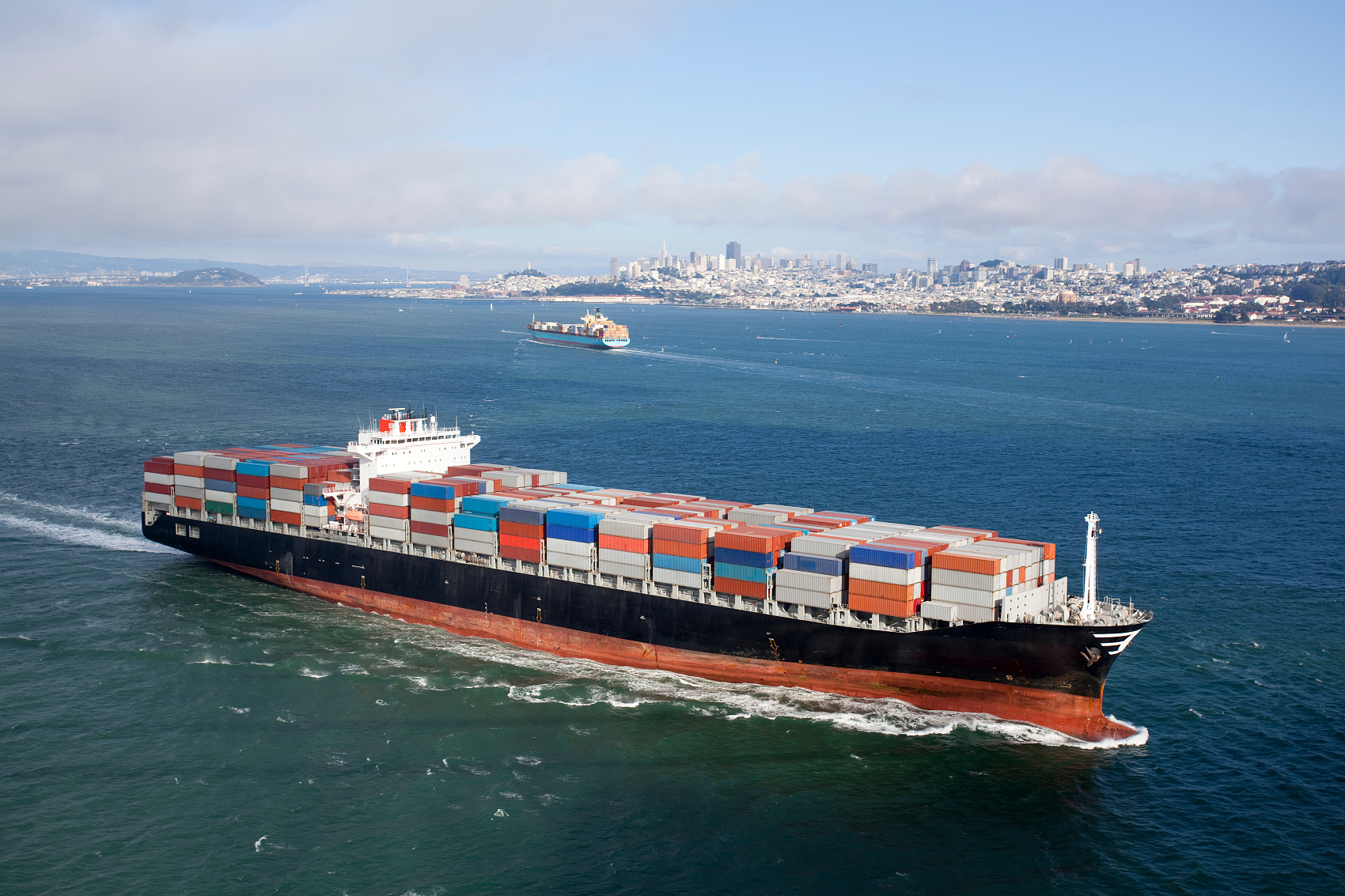
What is FCL Port to Port Shipping from China to USA?
FCL, or Full Container Load, refers to the shipment of goods that occupy an entire container exclusively for one consignee. This means your cargo fills the container, whether it’s a 20-foot, 40-foot, or 40-foot high cube unit. Consequently, it offers maximum security and efficiency for larger volumes.
Port to port shipping, on the other hand, specifies that the freight forwarder’s responsibility begins at the origin port and ends at the destination port. Therefore, the shipper is responsible for arranging inland transportation at both ends. This model is often preferred by experienced importers with established logistics networks.
Understanding the FCL Concept
Essentially, FCL shipping is ideal when your goods are sufficient to fill a container, or when you prefer not to share space with other shippers. This method significantly reduces the risk of damage or contamination, as your cargo remains sealed from origin to destination. Moreover, it typically results in faster transit times compared to LCL (Less than Container Load) because there’s no need for consolidation or deconsolidation.
Choosing FCL for your sea freight from China to the USA means you gain greater control over your shipment. You dictate the loading and unloading schedule within port constraints, and the container is sealed at the factory. This direct approach streamlines the supply chain, offering predictability and reliability for your valuable goods.
The Port-to-Port Advantage
Opting for a port-to-port service simplifies the freight forwarder’s scope, often translating to lower overall costs for the ocean leg. Businesses with their own trucks, warehouses, or established relationships with local drayage companies find this model highly beneficial. Furthermore, it allows for greater flexibility in managing the first and last mile of delivery.
However, it’s crucial to understand that port-to-port doesn’t cover customs clearance or local delivery beyond the destination port. Therefore, you must have robust plans in place for these critical stages. This model is particularly suited for large-scale importers who manage their own ground logistics efficiently, especially for their China FCL port to port to USA shipments.
Key Factors Influencing China FCL Port to Port to USA Costs
The total cost for China FCL port to port to USA shipping is a complex aggregate of various charges, fluctuating based on market conditions, container size, and specific routes. Understanding these components is essential for effective budgeting. For instance, rates can vary significantly between peak and off-peak seasons.
Furthermore, fuel surcharges, port congestion fees, and equipment imbalances can all impact the final price. Therefore, securing a detailed quote from a reliable freight forwarder is always recommended. This transparency helps in managing expectations and avoiding unexpected expenses, which is vital for managing your shipping costs.
| Cost Component | Description | Typical Impact |
|---|---|---|
| Ocean Freight | Base cost for transporting the container by sea. | Major component, fluctuates by season/demand. |
| Terminal Handling Charges (THC) | Fees for handling the container at origin and destination ports. | Standard charges, vary by port. |
| Bunker Adjustment Factor (BAF) | Fuel surcharge, adjusted based on fuel prices. | Variable, can significantly increase costs. |
| Currency Adjustment Factor (CAF) | Surcharge to account for currency fluctuations. | Variable, depends on exchange rates. |
| Security Surcharges (ISPS/AMS) | Costs related to port and vessel security measures, including AMS for USA. | Mandatory for USA-bound cargo. |
| Documentation Fees | Charges for preparing and processing shipping documents. | Standard, per shipment. |
Navigating Transit Times for China FCL Port to Port to USA
Transit time is a critical consideration for any importer, directly impacting inventory management and delivery schedules. For China FCL port to port to USA routes, times vary significantly based on the specific origin and destination ports, carrier service, and potential transshipments. Consequently, planning well in advance is vital.

Generally, direct routes are faster but might be slightly more expensive. In contrast, routes involving transshipment, while potentially cheaper, add several days to the overall journey. Moreover, unforeseen delays such as port congestion, adverse weather, or customs inspections can also extend transit times. For example, a common route from Shanghai to Los Angeles typically takes 14-18 days, whereas to New York, it can extend to 30-35 days.
Effective customs brokerage can further streamline your shipping process, minimizing potential delays at the destination port. Therefore, partnering with a knowledgeable broker is crucial for optimizing your delivery schedule and ensuring timely cargo handling.
| Origin Port (China) | Destination Port (USA) | Estimated Transit Time (Days) | Route Type |
|---|---|---|---|
| Shanghai | Los Angeles (LAX) | 14-18 | Direct |
| Ningbo | Long Beach (LGB) | 14-19 | Direct |
| Shenzhen | Oakland (OAK) | 16-21 | Direct |
| Qingdao | Seattle (SEA) | 17-22 | Direct |
| Xiamen | New York (NYC) | 30-35 | Direct |
| Tianjin | Savannah (SAV) | 32-38 | Direct/Transshipment |
| Guangzhou | Houston (HOU) | 28-33 | Direct/Transshipment |
Essential Documentation and Customs Clearance for China FCL Shipments
Successful China FCL port to port to USA shipping hinges on meticulous documentation and efficient customs clearance. Missing or incorrect paperwork can lead to significant delays, fines, and even seizure of goods. Therefore, preparing all necessary documents accurately and in advance is non-negotiable.
The customs clearance process involves various steps, including declaration, duty assessment, and inspection. Moreover, compliance with both Chinese export regulations and US import laws is critical. For instance, the Importer Security Filing (ISF) must be submitted to US Customs at least 24 hours before the vessel departs China. This pre-arrival declaration helps prevent issues upon arrival.
Key Documents Required
Several key documents are indispensable for international FCL shipments. The Bill of Lading (B/L) serves as the contract of carriage and title to the goods. Additionally, the Commercial Invoice details the transaction between buyer and seller, while the Packing List provides a comprehensive inventory of the container’s contents. These documents form the backbone of your import declaration.
Furthermore, depending on the nature of your goods, you might need specific licenses, permits, or certificates. For example, certain products require FDA approval or EPA declarations. A reliable freight forwarder or door-to-door service provider often offers guidance on these requirements, ensuring a smooth process. They can assist with everything from initial booking to final delivery, simplifying complex logistics and navigating shipping regulations.
| Document | Purpose | Issuing Party |
|---|---|---|
| Bill of Lading (B/L) | Contract of carriage, receipt of goods, title to goods. | Carrier/Freight Forwarder |
| Commercial Invoice | Details of the transaction, value of goods. | Seller/Exporter |
| Packing List | Itemized list of contents, weights, dimensions. | Seller/Exporter |
| Certificate of Origin | Proves country where goods were manufactured. | Chamber of Commerce/Exporter |
| Importer Security Filing (ISF) | Pre-arrival declaration for US-bound cargo. | Importer/Agent (24h before departure) |
| Customs Bond | Guarantees payment of duties and taxes to CBP. | Importer (via broker) |
How Does FCL Port to Port Compare to Other Shipping Options?
When planning your imports from China to the USA, understanding the alternatives to FCL port to port shipping is crucial. Each method offers distinct advantages and disadvantages concerning cost, speed, and suitability for different cargo types. Consequently, choosing the right option can significantly impact your supply chain efficiency and profitability.
This comparison will help you evaluate whether FCL port to port is indeed the best fit for your specific needs, or if other solutions might be more appropriate. For instance, smaller shipments might benefit from LCL, while urgent deliveries often necessitate air freight. Therefore, a careful assessment of your priorities is essential for optimal logistics trends.
| Shipping Method | Cost Range (40HQ equivalent) | Transit Time (China-USA) | Best For | Limitations |
|---|---|---|---|---|
| FCL Sea Freight | $2,500 – $6,000 | 14-35+ days | Large volumes, heavy/bulky goods, budget-sensitive | Slowest, port congestion risks, longer delivery schedule |
| LCL Sea Freight | $50 – $80 per CBM | 20-45+ days | Small to medium volumes (under 15 CBM), flexible | More handling, longer transit, higher risk of damage, FCL container sizes more efficient |
| Air Freight | $15,000 – $25,000+ | 3-7 days | Urgent, high-value, perishable goods, small volumes | Highest cost, limited cargo size/weight, fuel surcharges |

FCL vs. LCL: When to Choose Which
FCL is generally more economical for shipments exceeding 15 CBM (cubic meters), as you pay a flat rate for the entire container. In contrast, LCL (Less than Container Load) is suitable for smaller shipments, typically under 15 CBM, where you share container space and pay based on volume or weight. While LCL offers flexibility for smaller consignments, it often involves more handling and longer transit times due to consolidation and deconsolidation processes.
For example, if you’re shipping 5 CBM of goods, LCL at $50-80/CBM might be more economical than paying for an entire 20GP container. However, for 20 CBM, FCL becomes significantly more cost-effective. Furthermore, FCL provides better security and less risk of damage because your cargo remains untouched within its sealed container throughout the journey.
Sea Freight vs. Air Freight for China-USA Routes
Sea freight, including China FCL port to port to USA, is the most cost-effective option for heavy and bulky goods, but it is also the slowest. Transit times typically range from 14 to 35+ days. Conversely, air freight offers unparalleled speed, delivering goods in 3-7 days, but at a significantly higher cost. For instance, air freight for a similar volume might cost 5-10 times more than sea freight.
Choosing between sea and air depends entirely on your priorities. If budget is the primary concern and time is not critical, sea freight is the clear winner. However, for high-value, time-sensitive, or perishable goods, air freight becomes indispensable. Therefore, consider the urgency and value of your cargo before making a decision on shipping methods.
Hybrid Solutions and Cost-Saving Strategies
Sometimes, a hybrid approach can offer the best of both worlds. For example, ‘sea-air’ combines the cost-effectiveness of sea freight for the initial leg and the speed of air freight for the final leg. This can be useful for certain routes or when facing tight deadlines. Additionally, strategic port choices can also yield savings; sometimes, shipping to a less congested port and utilizing inland transport is cheaper than a direct route to a major hub.
To save costs, consider optimizing container utilization to maximize your FCL investment. Also, explore off-peak shipping seasons when freight rates are typically lower. Negotiating favorable terms with your freight forwarder and having a clear understanding of all surcharges can further reduce expenses. Moreover, consolidating orders to reach FCL volume thresholds is a smart long-term strategy.
Which Option Should You Choose?
The optimal shipping solution depends on several factors. If your priority is budget and you have large volumes (over 15 CBM) with flexible delivery timelines, FCL sea freight is highly recommended. This method offers the best cost per unit for bulk goods. Conversely, if speed is paramount for urgent or high-value items, air freight is the preferred choice, despite its higher cost.
For smaller shipments that don’t fill a container, LCL provides a flexible and economical alternative. Furthermore, for cargo requiring specialized handling or specific temperature controls, ensure your chosen method and carrier can accommodate these needs. Ultimately, balancing cost, speed, and cargo requirements will guide your decision for shipping to North America.
Real-World China FCL Port to Port to USA Case Studies
Examining real-world scenarios provides practical insights into the complexities and successes of China FCL port to port to USA shipping. These examples highlight typical costs, transit times, and potential challenges. Based on Q1 2025 market rates, these cases illustrate common import situations and typical freight rates.
Case Study 1: Consumer Electronics Shipment
| Detail | Value |
|---|---|
| Route | Shenzhen, China Los Angeles, USA |
| Cargo | Consumer electronics, 25 CBM, 8,000 kg |
| Container | 40GP |
| Shipping Details | Carrier: COSCO, Port of Loading: Yantian, Port of Discharge: Long Beach, Route Type: Direct |
| Cost Breakdown | |
| Ocean Freight | $3,200 |
| Origin Charges (THC, documentation) | $450 |
| Destination Charges (port fees, drayage estimate) | $700 |
| Customs & Duties (estimated) | $1,500 |
| Total Landed Cost (port-to-port + estimates) | $5,850 |
| Timeline | |
| Booking to Loading | 5 days |
| Sea Transit | 16 days |
| Customs Clearance | 2 days |
| Total Port-to-Port (approx.) | 23 days |
| Key Insight | Efficient booking and direct route minimized transit time, despite minor port congestion at LA/LB. This led to a predictable delivery schedule. |

Case Study 2: Textile Import for Retail
| Detail | Value |
|---|---|
| Route | Shanghai, China New York, USA |
| Cargo | Textiles and apparel, 58 CBM, 12,000 kg |
| Container | 40HQ |
| Shipping Details | Carrier: MSC, Port of Loading: Shanghai, Port of Discharge: New York/New Jersey, Route Type: Direct |
| Cost Breakdown | |
| Ocean Freight | $4,800 |
| Origin Charges (THC, documentation) | $500 |
| Destination Charges (port fees, drayage estimate) | $900 |
| Customs & Duties (estimated) | $2,200 |
| Total Landed Cost (port-to-port + estimates) | $8,400 |
| Timeline | |
| Booking to Loading | 7 days |
| Sea Transit | 32 days |
| Customs Clearance | 3 days |
| Total Port-to-Port (approx.) | 42 days |
| Key Insight | Longer transit to East Coast ports requires careful inventory planning. Early ISF submission prevented delays, ensuring timely import/export compliance. |
Case Study 3: Industrial Components Shipment
| Detail | Value |
|---|---|
| Route | Qingdao, China Houston, USA |
| Cargo | Machinery parts, 28 CBM, 15,000 kg |
| Container | 20GP (heavy cargo) |
| Shipping Details | Carrier: Maersk, Port of Loading: Qingdao, Port of Discharge: Houston, Route Type: Transshipment via Busan |
| Cost Breakdown | |
| Ocean Freight | $2,800 |
| Origin Charges (THC, documentation) | $400 |
| Destination Charges (port fees, drayage estimate) | $800 |
| Customs & Duties (estimated) | $1,800 |
| Total Landed Cost (port-to-port + estimates) | $5,800 |
| Timeline | |
| Booking to Loading | 6 days |
| Sea Transit | 28 days (including transshipment) |
| Customs Clearance | 2 days |
| Total Port-to-Port (approx.) | 36 days |
| Key Insight | Choosing a 20GP for heavy cargo was cost-effective. Transshipment added a few days but offered better rates for this specific route. Note: Freight rates are subject to change based on fuel costs, carrier capacity, and seasonal demand. Contact us for a current quote tailored to your specific shipment. |
Choosing the Right Freight Forwarder for Your China FCL Shipments
Selecting a competent freight forwarder is paramount for successful China FCL port to port to USA shipping. A good partner provides more than just transportation; they offer expertise, network access, and problem-solving capabilities. Therefore, look for a forwarder with extensive experience on the China-USA lane.
Consider their communication style, transparency in pricing, and ability to handle customs complexities. Moreover, a forwarder with strong relationships with major carriers can secure better rates and space, especially during peak seasons. Ultimately, a reliable partner like China Top Freight can significantly reduce stress and costs associated with international logistics. They offer comprehensive solutions designed to meet your specific needs for FCL freight forwarder services.
Market Insights and Future Trends in China-USA FCL Shipping
The landscape of China-USA FCL shipping is constantly evolving, influenced by global economic shifts, geopolitical factors, and technological advancements. Staying informed about market insights and future trends is crucial for strategic planning. As of early 2025, freight rates from China to the USA have largely stabilized after the volatility seen in previous years, though regional disruptions can still cause spikes.
Industry data suggests a continued focus on supply chain resilience and digitalization. For example, port automation and advanced tracking systems are becoming more prevalent, offering greater transparency and efficiency. Furthermore, seasonal patterns remain a significant factor; rates typically increase 15-25% during the August-October peak season leading up to holidays. Therefore, planning shipments around these periods can yield substantial savings. Market data suggests that importers are increasingly seeking end-to-end visibility and improved cargo handling.
Conclusion
Navigating China FCL port to port to USA shipping demands a thorough understanding of costs, transit times, documentation, and market dynamics. This comprehensive guide has aimed to equip you with the knowledge needed to make informed decisions. By choosing the right shipping method, preparing diligently for customs, and partnering with an experienced freight forwarder, you can ensure your imports arrive smoothly and efficiently. Ultimately, mastering these elements is key to a robust and reliable supply chain.
Ready to streamline your logistics?
Ready to streamline your China FCL port to port to USA shipments? Contact us today for a personalized quote and expert guidance. Our team is dedicated to providing efficient, reliable, and cost-effective logistics solutions tailored to your business needs.
Request Quote