

China Import Freight Forwarder Near Me: Expert Shipping Solutions
Sourcing products from China presents immense opportunities, however, navigating international shipping can be complex and daunting. Finding a dependable “china import freight forwarder near me” is crucial for streamlining your supply chain and ensuring timely, cost-effective delivery. China Top Freight offers comprehensive solutions tailored to your specific import needs.
✦
Why is a Reliable China Import Freight Forwarder Essential?
Indeed, importing goods from China involves intricate processes, from supplier coordination to customs navigation. A professional freight forwarder acts as your logistics partner, moreover, simplifying these complexities significantly. They ensure your cargo moves efficiently and compliantly across borders.
Furthermore, a skilled freight forwarder provides invaluable expertise in international trade regulations and optimal shipping routes. This partnership is vital for mitigating risks, reducing transit times, and ultimately saving on overall shipping costs. Consequently, choosing the right partner is a strategic business decision.
How Do Freight Forwarders Optimize Your Shipping Costs?
Freight forwarders leverage their extensive networks and volume discounts with carriers to secure competitive rates. They can consolidate smaller shipments, known as LCL (Less than Container Load), thereby offering more economical solutions than direct shipping. This approach is particularly beneficial for businesses with varying cargo sizes.
Additionally, they expertly manage all associated costs, including origin charges, destination fees, and customs duties. By optimizing routes and choosing appropriate shipping methods, they help reduce unexpected expenses and improve your budget predictability. This meticulous financial management is a key advantage for importers.
What Are the Key Services Offered by a China Import Freight Forwarder Near Me?
A comprehensive freight forwarder offers a suite of services designed to cover every aspect of your import journey. These services range from initial cargo pickup to final delivery at your warehouse. Understanding these offerings is crucial for selecting the right partner.
For instance, they provide various shipping methods like sea freight for bulk goods and air freight for urgent shipments. Moreover, specialized services such as Amazon FBA shipping cater to e-commerce businesses directly. They streamline the complex process of getting products into Amazon’s fulfillment centers efficiently.
Customs Clearance and Documentation Support
Navigating customs regulations can be one of the most challenging aspects of international trade. A proficient freight forwarder offers robust customs brokerage services. They handle all necessary documentation, ensuring compliance and preventing costly delays.
Indeed, proper customs documentation is paramount to avoiding fines and ensuring smooth entry of your goods. They stay updated on changing import/export laws and tariffs, providing critical guidance for your shipments. This expertise safeguards your business from potential legal and financial pitfalls.
Door-to-Door Delivery Solutions
Many importers seek a seamless experience from the factory floor in China to their final destination. Door-to-door services provide exactly this convenience. This integrated approach minimizes your involvement in logistics, allowing you to focus on core business operations.
Ultimately, a full-service freight forwarder manages every leg of the journey, including land transport, ocean or air transit, customs, and last-mile delivery. This end-to-end solution offers peace of mind and simplifies your supply chain management significantly.
How Does Sea Freight Compare to Air Freight for Imports?
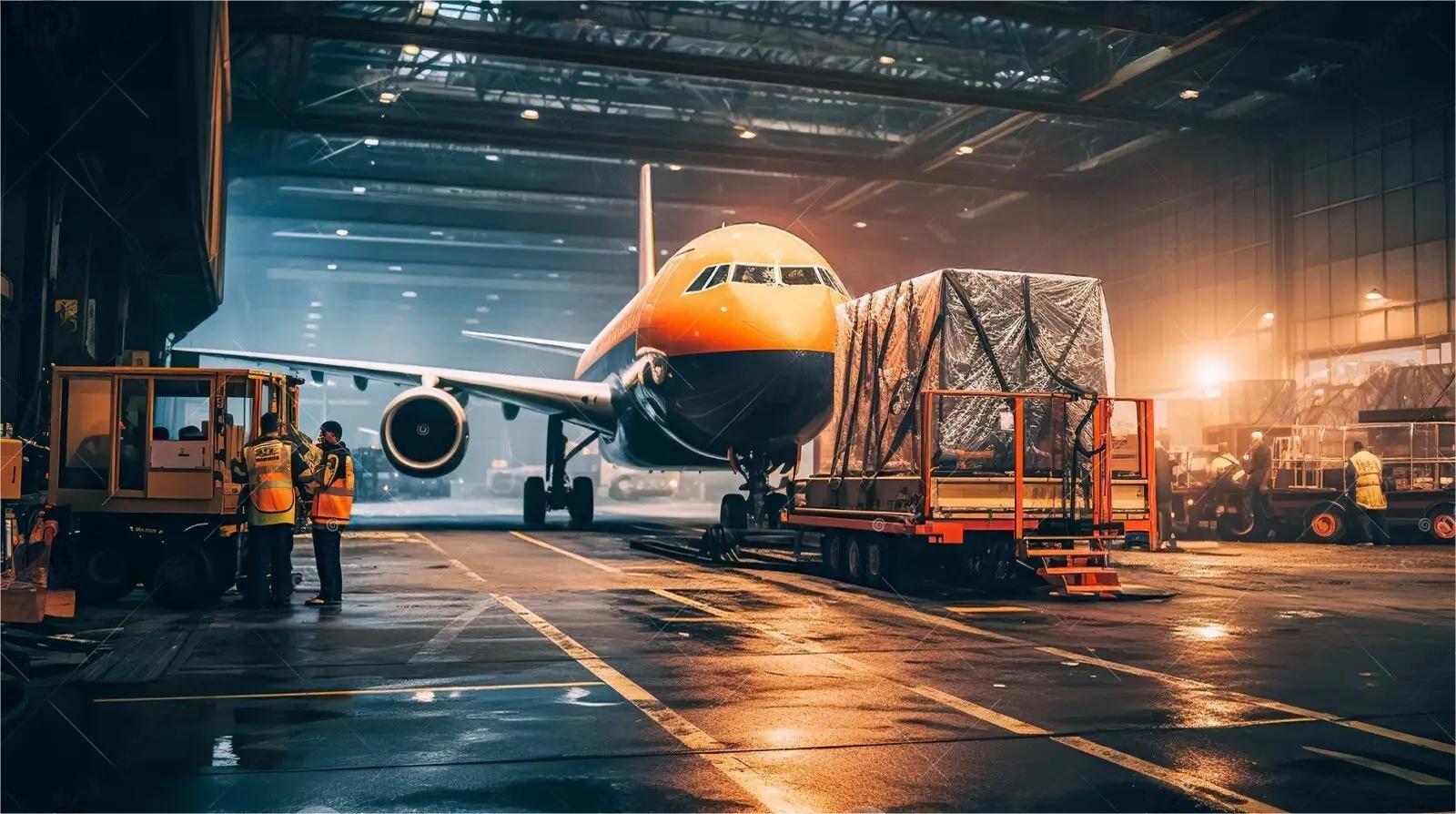
Choosing between sea and air freight depends heavily on your cargo’s characteristics, budget, and urgency. Sea freight is typically the most cost-effective option for large, heavy, or non-urgent shipments, offering significant savings over air transport. However, transit times are considerably longer.
Conversely, air freight provides rapid delivery, making it ideal for high-value, time-sensitive, or perishable goods. While it incurs higher shipping costs, the speed can be invaluable for meeting tight deadlines or responding to market demands quickly. Therefore, understanding these trade-offs is crucial.
| Shipping Method | Cost Range (per kg/CBM) | Transit Time (China to US) | Best For | Limitations |
|---|---|---|---|---|
| Sea Freight (LCL) | $50-80/CBM | 25-40 days | Bulk, heavy, non-urgent goods | Slower, potential port congestion |
| Sea Freight (FCL) | $2,000-5,500/container | 14-35 days | Large volumes, cost-effective | Longer lead times, fixed capacity |
| Air Freight | $4-8/kg | 3-7 days | Urgent, high-value, small cargo | High cost, weight/volume restrictions |
| Express Service | $6-12/kg | 2-5 days | Samples, documents, very urgent | Highest cost, strict size limits |
Case Study 1: Streamlining E-commerce Imports to North America
This case illustrates how a small e-commerce business successfully managed its growing inventory needs from China to the North America market. They required a balance of cost-efficiency and reliable delivery to Amazon FBA warehouses.
📦 Case Study 1: E-commerce FBA Shipment
| Detail | Description |
|---|---|
| Route | Shenzhen, China -> Los Angeles, USA |
| Cargo | Electronics accessories, 12 CBM, 1500 kg |
| Container | LCL 12 CBM |
| Shipping Details | Major carrier, Port of Loading: Yantian, Port of Discharge: Long Beach, Route Type: Direct |
| Cost Breakdown | Ocean Freight: $960 (Based on Q3 2024 market rates), Origin Charges: $250, Destination Charges: $300, Customs & Duties (estimated): $450, Total Landed Cost: $1960 |
| Timeline | Booking to Loading: 5 days, Sea Transit: 18 days, Customs Clearance: 3 days, Total Door-to-Door: 26 days |
| Key Insight | Consolidation via LCL was crucial for cost savings, while direct route minimized transit time to FBA. Early booking avoided peak season surcharges. |
Case Study 2: Managing Industrial Equipment Imports to Europe
A manufacturing company needed to import specialized machinery components from China to their production facility in Europe. The priority was secure handling and predictable delivery to avoid production line disruptions.
📦 Case Study 2: Industrial Machinery Components
| Detail | Description |
|---|---|
| Route | Shanghai, China -> Hamburg, Germany |
| Cargo | Heavy machinery parts, 20 GP container |
| Container | 20GP |
| Shipping Details | Carrier: Maersk, Port of Loading: Shanghai, Port of Discharge: Hamburg, Route Type: Direct |
| Cost Breakdown | Ocean Freight: $2,200 (Typical rates as of early 2025), Origin Charges: $300, Destination Charges: $400, Customs & Duties (estimated): $600, Total Landed Cost: $3,500 |
| Timeline | Booking to Loading: 7 days, Sea Transit: 30 days, Customs Clearance: 4 days, Total Door-to-Door: 41 days |
| Key Insight | Careful cargo handling and pre-clearance documentation ensured smooth delivery. Choosing a reliable carrier for this route was paramount. |
Case Study 3: Fast-Tracked Consumer Goods to Australia
A retailer required a rapid replenishment of seasonal consumer goods to Australia to capture peak sales demand. Speed was the primary concern, outweighing typical cost considerations.
📦 Case Study 3: Seasonal Consumer Goods
| Detail | Description |
|---|---|
| Route | Guangzhou, China -> Sydney, Australia |
| Cargo | Fashion apparel, 500 kg, 3 CBM |
| Container | Air Cargo |
| Shipping Details | Carrier: Cathay Pacific Cargo, Port of Loading: Guangzhou Baiyun, Port of Discharge: Sydney Kingsford Smith, Route Type: Direct |
| Cost Breakdown | Air Freight: $3,000 (Market data suggests), Origin Charges: $150, Destination Charges: $180, Customs & Duties (estimated): $250, Total Landed Cost: $3,580 |
| Timeline | Booking to Loading: 2 days, Air Transit: 4 days, Customs Clearance: 1 day, Total Door-to-Door: 7 days |
| Key Insight | Utilizing air freight for urgent, high-value goods allowed the retailer to capitalize on seasonal demand, despite higher per-unit shipping costs. |
How Does Your China Import Freight Forwarder Near Me Handle Market Volatility?
The global logistics landscape is frequently affected by geopolitical events, peak seasons, and fluctuating fuel costs. A proficient freight forwarder proactively monitors these market conditions. They adapt strategies to minimize disruptions and optimize freight rates for their clients.
For example, during peak seasons (August-October), rates typically increase 15-25%. A good forwarder will advise on early bookings or alternative routes to mitigate these surcharges. They provide timely updates and transparent communication, helping businesses make informed decisions amidst uncertainty. Note: Freight rates are subject to change based on fuel costs, carrier capacity, and seasonal demand. Contact us for a current quote tailored to your specific shipment.
Which Option Should You Choose: A Decision Framework for Your Imports?
Selecting the optimal shipping method involves balancing several critical factors: budget, speed, and cargo type. Understanding your priorities will guide you toward the most suitable solution for your specific import needs. This framework helps clarify complex decisions.
Consider your unique business requirements carefully. For example, if budget is your absolute priority, sea freight is generally recommended. Conversely, if speed is paramount, air freight or express service becomes the preferred choice. Delicate or specialized cargo may also necessitate specific handling protocols.
Budget Priority
If minimizing shipping costs is your primary concern, especially for large volumes, Full Container Load (FCL) sea freight is usually the most economical. For shipments under 15 CBM, LCL at $50-80/CBM may be more economical than a full container. This strategy helps optimize your profit margins.
Speed Priority
When time is of the essence, air freight offers significantly faster transit times. For extremely urgent or smaller shipments, an express service provides the quickest door-to-door delivery. While more expensive, the speed can be critical for inventory management or product launches.
Cargo Type Considerations
Fragile, perishable, or hazardous materials require specialized handling and may dictate specific shipping methods. Furthermore, oversized cargo might only be feasible via sea freight. Always discuss your cargo’s specific characteristics with your freight forwarder to ensure proper care.
Volume Thresholds for Switching Methods
Generally, for shipments below 1 CBM or 100 kg, air freight or express is often more cost-effective. Between 1-15 CBM, LCL sea freight is a strong contender. Beyond 15 CBM, FCL sea freight typically offers the best value. These thresholds provide a useful guideline for decision-making.
How Does Rail Freight Compare to Other Shipping Options from China?
Rail freight, particularly for routes between China and Europe, offers a compelling middle-ground solution. It is significantly faster than sea freight and considerably more affordable than air freight. This method has grown in popularity due to its reliability and environmental benefits.
While sea freight costs $2,000-3,500 for a 40HQ to Europe, air freight for the same volume would cost $15,000-25,000 but arrives in 5-7 days instead of 30-40 days. Rail freight, conversely, typically costs $8,000-12,000 for a 40HQ and arrives in 15-20 days. This makes it an excellent alternative for many businesses.
| Shipping Method | Cost Range (China-Europe 40HQ) | Transit Time (China-Europe) | Best For | Limitations |
|---|---|---|---|---|
| Sea Freight | $3,000-4,200 | 28-35 days | Heavy, bulky, non-urgent goods | Slowest, port congestion |
| Rail Freight | $8,000-12,000 | 15-20 days | Mid-speed, cost-effective for Europe | Limited routes, capacity constraints |
| Air Freight | $15,000-25,000 | 5-7 days | Urgent, high-value, small cargo | Highest cost, environmental impact |
Your Trusted Partner for China Imports
In summary, selecting the right “china import freight forwarder near me” is pivotal for successful international trade. A professional partner ensures seamless operations, cost efficiency, and compliance throughout your supply chain. They handle the complexities, allowing you to focus on your business growth.
Indeed, with expertise in various shipping methods, customs, and market trends, a top-tier freight forwarder is more than a service provider; they are a strategic asset. Partner with an experienced forwarder to navigate the intricacies of global logistics with confidence and ease.