China Logistics Partner for Importers: The Ultimate 2026 Guide
Finding a reliable china logistics partner for importers has become the definitive factor for business success in the 2026 global market. As international trade regulations grow more complex, having an expert to manage your supply chain ensures that goods move efficiently from factory floors to final destinations. This guide provides a deep dive into selecting the right partner, optimizing transit times, and navigating the current economic landscape to maximize your profit margins.
✦
Why a China Logistics Partner for Importers is Essential in 2026
Managing international shipments requires a high level of expertise that most individual businesses do not possess internally. Consequently, partnering with a specialized firm allows importers to focus on their core competencies like product development and marketing while leaving the logistics to professionals. In the current 2026 trade environment, freight rates and carrier availability fluctuate rapidly, making real-time market intelligence indispensable.
Moreover, a dedicated logistics provider acts as your eyes and ears on the ground in China. They can verify supplier credentials, inspect cargo before loading, and ensure that packaging meets international standards for long-distance travel. Without this local presence, importers often face significant risks ranging from damaged goods to complete shipment delays due to incorrect documentation.
Furthermore, the integration of advanced tracking technology has changed the expectations of modern importers. Today, you need more than just a shipping label; you require end-to-end visibility throughout the entire transit process. A professional partner provides this transparency, allowing you to manage inventory levels and customer expectations with precision and confidence.
Additionally, the sheer volume of paperwork involved in cross-border trade can be overwhelming for the uninitiated. From commercial invoices to certificates of origin, every document must be perfect to avoid costly penalties. Therefore, leveraging the experience of a seasoned logistics expert is not just a luxury but a strategic necessity for sustainable growth.
How Does Sea Freight Compare to Other Shipping Options?
While sea freight remains the most cost-effective method for large volumes, it is important to understand how it stacks up against newer alternatives. In 2026, ocean carriers have improved their efficiency, yet transit times remain significantly longer than air or rail options. Choosing the right method depends heavily on your specific budget constraints and inventory turnover requirements.
In contrast, air freight offers unmatched speed but comes at a premium price point that can erode margins on low-value items. For high-tech electronics or seasonal fashion items, the speed of delivery often justifies the added expense. Meanwhile, rail freight has emerged as a middle-ground solution for shipments moving toward Central Asia and Europe, offering a balance of cost and speed.
Market data suggests that freight rates from China to major global hubs have stabilized after the disruptions of previous years. However, seasonal peaks still occur during the third quarter, often resulting in 15-25 percent price increases. Importers should plan their procurement cycles accordingly to avoid these high-cost windows.
| Shipping Method | Cost Range | Transit Time | Best For |
|---|---|---|---|
| Sea Freight (FCL) | $2,500 – $4,500 | 25 – 40 Days | Bulk goods and large volumes |
| Air Freight | $5.00 – $9.00/kg | 3 – 7 Days | Urgent or high-value cargo |
| Rail Freight | $1,800 – $3,000 | 15 – 22 Days | Inland European destinations |
| Express Service | $8.00 – $15.00/kg | 2 – 4 Days | Small parcels and samples |
Optimizing Your Strategy with an Air Cargo China Logistics Partner for Importers
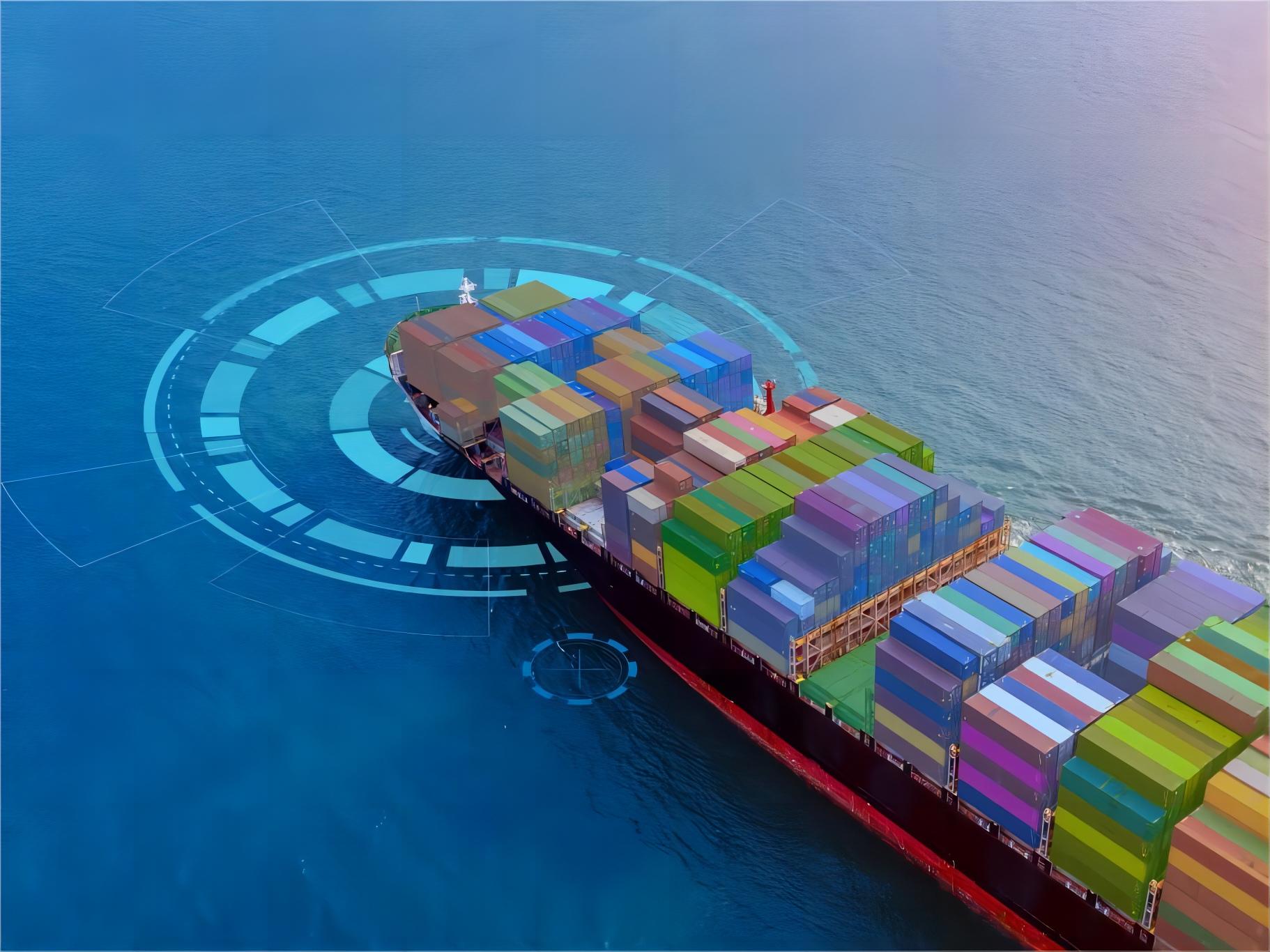
Utilizing air freight services is often the best strategy when time-to-market is the primary concern for your business. For instance, launching a new product line requires immediate stock availability to capitalize on marketing momentum. A logistics partner with strong relationships with major airlines can secure space even during peak demand periods.
Furthermore, air transport significantly reduces the risk of damage and theft compared to other modes of transportation. Because the cargo spends less time in transit and undergoes fewer handling stages, it is often the preferred choice for fragile or sensitive equipment. Consequently, the insurance premiums for air shipments are frequently lower than those for ocean freight.
Nevertheless, importers must be mindful of the volumetric weight calculations used by airlines. If your products are lightweight but bulky, you may end up paying more than expected based on the physical weight alone. Your logistics partner can provide advice on packaging optimization to minimize these costs and improve your overall shipping efficiency.
Winning the E-commerce Race with Amazon FBA Logistics
Success on global platforms requires a specialized Amazon FBA logistics strategy that adheres to strict warehouse requirements. Specifically, Amazon has rigorous standards for labeling, palletizing, and delivery scheduling that can lead to rejected shipments if not followed precisely. A knowledgeable partner understands these nuances and ensures your inventory is accepted without issue.
In addition, many importers now utilize prep centers in China to handle the labeling process before the goods even leave the country. This approach reduces labor costs compared to performing the same tasks in the destination country. Indeed, streamlining the preparation phase is one of the most effective ways to increase your e-commerce profitability in 2026.
Moreover, managing the timing of your FBA restocks is critical to maintaining your sales velocity and search rankings. Your logistics partner can help you implement a just-in-time inventory system that balances the cost of storage against the risk of stockouts. As a result, you can maintain a lean supply chain while ensuring your customers always find your products in stock.
Navigating Customs Clearance and Compliance Challenges
Reliable customs brokerage services are vital for avoiding delays at the border, especially with the evolving regulations of 2026. Each country has unique tariff codes and duty structures that must be applied correctly to avoid legal complications. A professional broker ensures that your cargo is classified accurately, potentially saving you thousands in unnecessary taxes.
Furthermore, the rise of digital customs platforms has accelerated the clearance process but also increased the demand for data accuracy. Any discrepancy between your commercial invoice and the actual cargo can trigger a manual inspection, adding days or weeks to your delivery timeline. Therefore, meticulous attention to detail during the documentation phase is absolutely mandatory.
Additionally, staying informed about trade agreements and regional tax incentives can provide a significant competitive advantage. For example, certain goods may qualify for reduced duties under specific bilateral treaties. Your logistics partner should proactively identify these opportunities to lower your total landed cost and improve your bottom line.
| Document Name | Required By | Purpose | Typical Lead Time |
|---|---|---|---|
| Commercial Invoice | Customs / Bank | Valuation and duty assessment | 1 – 2 Days |
| Packing List | Warehouse / Customs | Inventory verification | 1 Day |
| Bill of Lading | Carrier / Importer | Title of goods and contract | 2 – 3 Days |
| Certificate of Origin | Customs | Trade agreement eligibility | 3 – 5 Days |
The Benefits of Door-to-Door Logistics Solutions
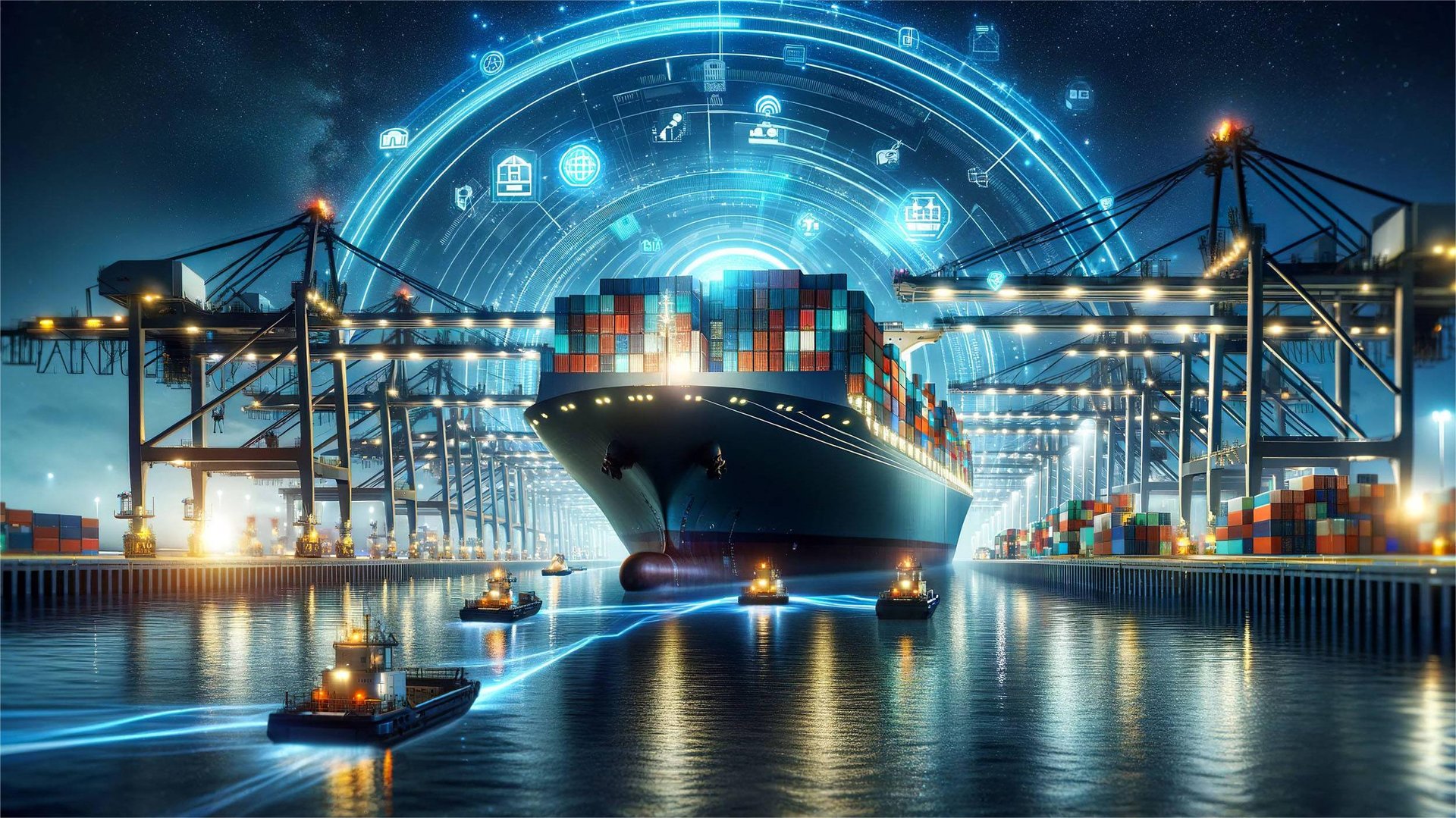
Implementing a door to door shipping model simplifies the entire process by providing a single point of accountability. Instead of managing multiple vendors for trucking, ocean freight, and final delivery, you work with one partner who oversees the entire journey. This holistic approach reduces communication errors and ensures a smoother transition between different modes of transport.
On the other hand, managing each leg of the journey independently can lead to fragmented visibility and finger-pointing when delays occur. By consolidating your logistics under one roof, you gain a clear overview of your shipment’s status at every moment. This level of control is particularly beneficial for small to medium-sized importers who may not have a dedicated logistics department.
Specifically, for shipments heading to North America, door-to-door services often include final-mile delivery via reliable local carriers. This ensures that your goods arrive at your warehouse or retail location in the same condition they left the factory. Consequently, the convenience and peace of mind provided by this service often outweigh the slightly higher management fees.
Case Studies: Real-World Success with a China Logistics Partner
Case Study 1: Electronics Distribution to USA West Coast. Route: Shenzhen, China to Los Angeles, USA. Cargo: Consumer electronics, 65 CBM, 12,500 kg. Container: 40HQ. Shipping Details: Major carrier via direct route. Port of Loading: Shenzhen. Port of Discharge: Los Angeles. Cost Breakdown: Ocean Freight: $3,200. Origin Charges: $450. Destination Charges: $600. Customs and Duties: $1,200. Total Landed Cost: $5,450. Timeline: Booking to Loading: 4 days. Sea Transit: 16 days. Customs Clearance: 2 days. Total Door-to-Door: 22 days. Key Insight: Utilizing a direct route saved 7 days compared to transshipment, allowing the client to meet a critical product launch deadline.
Case Study 2: Industrial Machinery to Europe. Route: Ningbo, China to Rotterdam, Netherlands. Cargo: CNC Machinery, 28 CBM, 8,000 kg. Container: 20GP. Shipping Details: Carrier via transshipment. Port of Loading: Ningbo. Port of Discharge: Rotterdam. Cost Breakdown: Ocean Freight: $2,100. Origin Charges: $400. Destination Charges: $550. Customs and Duties: $950. Total Landed Cost: $4,000. Timeline: Booking to Loading: 5 days. Sea Transit: 32 days. Customs Clearance: 3 days. Total Door-to-Door: 40 days. Key Insight: Proper crating and moisture protection ensured the sensitive machinery arrived in perfect condition despite the long sea voyage.
Note: Freight rates are subject to change based on fuel costs, carrier capacity, and seasonal demand. Contact us for a current quote tailored to your specific shipment.
Which Shipping Option Should You Choose?
Determining the best shipping strategy requires a careful analysis of your business priorities and cargo characteristics. If your primary goal is cost reduction and you have flexible lead times, ocean freight is the clear winner. However, if you are dealing with perishable goods or urgent replacements, the speed of air freight becomes a necessity regardless of the higher cost.
In addition, consider the total volume of your orders. For shipments under 15 CBM, Less than Container Load (LCL) options provide a way to share container space and costs with other importers. Once you exceed the 15 CBM threshold, Full Container Load (FCL) usually becomes more economical and offers faster transit times since the container does not need to be deconsolidated at the destination.
Finally, always evaluate the reliability of the specific route and carrier. Some ports may be prone to congestion during certain times of the year, while others offer more consistent performance. Your logistics partner can provide historical data to help you choose the path of least resistance for your goods.
| Priority | Recommended Method | Volume Threshold | Key Trade-off |
|---|---|---|---|
| Lowest Cost | Sea Freight (LCL/FCL) | Any volume | Longest transit time |
| Maximum Speed | Air Freight | Under 500kg | Highest price per unit |
| Balance of Both | Rail Freight | Over 10 CBM | Limited to specific regions |
| Ease of Use | Door to Door | Any volume | Higher management fee |
Mastering Your Global Supply Chain
In summary, selecting the right china logistics partner for importers is a multi-faceted decision that impacts every aspect of your business operations. By understanding the differences between shipping methods and the importance of compliance, you can build a resilient supply chain that withstands market volatility.
Indeed, the success of your import business in 2026 depends on your ability to adapt to changing trends and leverage expert knowledge. Whether you are shipping via sea, air, or rail, a dedicated partner ensures your cargo arrives safely, on time, and within budget. Take the first step toward optimized logistics today and watch your business thrive in the global marketplace.