

China National Day Freight Forwarder to Thailand: 2026 Logistics Guide
Securing reliable capacity during the October golden week requires proactive planning to avoid significant delays and unexpected surcharges. Many importers struggle with incomplete rate cards that fail to account for the seasonal capacity constraints inherent in the China National Day freight forwarder to Thailand trade lane. By partnering with China Top Freight, you gain the line-item visibility necessary to lock in space before carrier equipment becomes scarce. This 2026 guide outlines the essential steps for maintaining supply chain continuity throughout the National Day holiday period.

Key Takeaways
A standard 40HQ container provides approximately 68 to 76 CBM of usable space, while a 20GP container is limited to roughly 26 to 28 CBM.
Air freight chargeable weight is calculated as the higher of actual weight or volumetric weight, where 1 CBM equals 167 kg for billing purposes.
During the National Day period, exporters should anticipate a 5 to 7-day buffer for local warehouse consolidation and export customs filing.
All commercial documentation, including the packing list and commercial invoice, must be finalized at least 48 hours before the vessel or flight cut-off time.
What Should Buyers Know First About National Day Forwarder to Thailand?

The primary challenge during the National Day period is the abrupt shift in carrier capacity and factory availability in China. Buyers must understand that many production facilities observe a week-long shutdown, which creates a massive backlog of cargo seeking transit immediately before and after the holiday. Failing to secure booking space well in advance often leads to container rolls and significant demurrage costs at origin, which can derail your landed cost projections for the final quarter.
Operational success on this corridor requires a clear understanding of the ‘cargo-ready’ date versus the actual ‘vessel-departure’ date. When you engage a China National Day freight forwarder to Thailand, you are essentially purchasing a window of reliability that must account for these seasonal bottlenecks. We advise our clients to push their cargo-ready dates at least two weeks before the official holiday start to ensure that all ground transport and port handling are completed without the risk of holiday-related labor shortages.
Effective communication with your supplier is the cornerstone of a smooth transit during this period. You should request that your vendor confirms their production schedule against the forwarder’s export cut-off times to identify any potential gaps early. By setting strict milestones for documentation and warehouse intake, you mitigate the risk of your goods sitting idle at a port terminal during the peak of the holiday slowdown, ensuring your Thailand-bound inventory remains on schedule. See air freight shipping for options that match this corridor.
Field note: Focus on early booking to avoid peak surcharges.
Common mistake: Waiting until the week of the holiday to finalize bookings.
Risk alert: Carrier equipment shortages are common during the week preceding National Day.
How Do Routing and Gateway Choices Affect This Lane?
Your choice of gateway port in China significantly influences the transit time and overall cost of your shipment to Thailand. Major hubs like Shanghai or Ningbo offer the most frequent departures, but they are also the most prone to congestion during the National Day period. Choosing a secondary port might seem like a cost-saving measure, but it often increases the inland transit time and the complexity of coordinating with local truckers who may also be observing holiday schedules.
For shipments destined for Thailand, the transit corridor often involves major sea ports like Laem Chabang or Bangkok Port. The efficiency of your chosen freight forwarder in managing the handoff between the Chinese export terminal and the Thai import gate is critical for reducing total transit time. Each gateway has specific operational nuances regarding container terminal handling and customs processing, which must be clearly defined in your service agreement to avoid unexpected delays upon arrival at the destination port.
Strategic routing involves balancing the frequency of direct services against the risk of transshipment delays. While direct routes are preferred for minimizing handling, the high volume of cargo moving through these lanes during the holiday can lead to frequent equipment shortages. A professional forwarder will often provide a mix of direct and feeder service options, allowing you to choose the route that best aligns with your inventory requirements and budget for the upcoming quarter, rather than relying solely on a single carrier path.
| Equipment Type | Internal Volume (CBM) | Max Payload (kg / lbs) | Optimal Commodity Fit |
|---|---|---|---|
| 20ft Standard (20GP) | 28–30 CBM (26 usable) | 21,800 kg / 48,000 lbs | Dense, heavy cargo (machinery, auto parts, metals) |
| 40ft Standard (40GP) | 58–60 CBM (54 usable) | 26,500 kg / 58,400 lbs | General packaged cargo, standard palletized loads |
| 40ft High Cube (40HQ) | 68–76 CBM (68 usable) | 26,500 kg / 58,400 lbs | Bulky, lightweight goods (furniture, textiles, electronics) |
| 45ft High Cube (45HQ) | 85–86 CBM (78 usable) | 27,500 kg / 60,600 lbs | High-volume consumer retail distribution |
Field note: Laem Chabang is the primary gateway for industrial cargo moving into Thailand.
Common mistake: Ignoring the impact of feeder vessel schedules on final arrival dates.
Risk alert: Port congestion at major Chinese hubs typically spikes 72 hours before the holiday.
Cost vs Speed: Decision Rules for Thailand Shipments
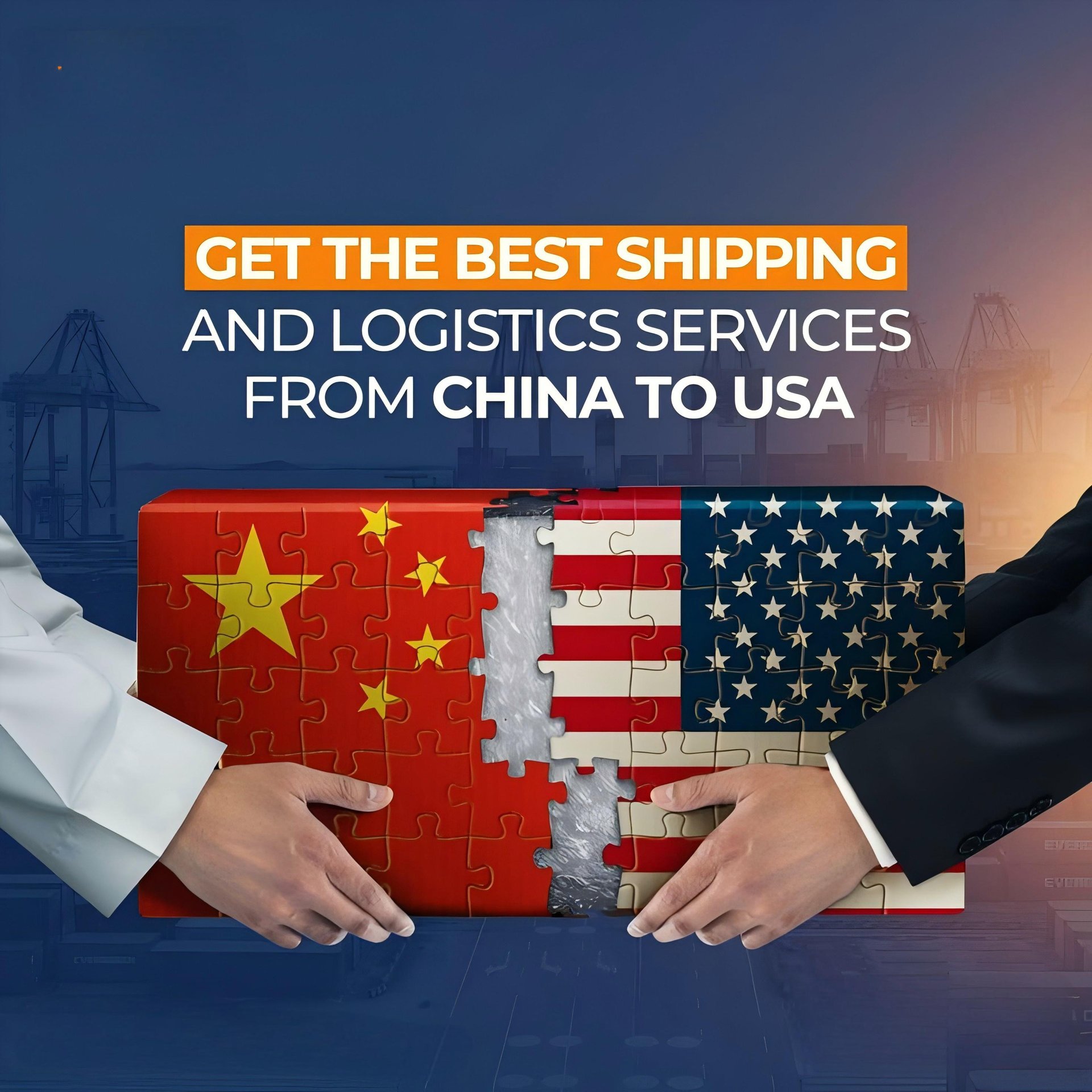
Balancing cost and speed is a constant trade-off in international logistics, especially when navigating the complexities of the China National Day freight forwarder to Thailand trade lane. Air freight is the obvious choice for urgent replenishment where the cost of stockouts exceeds the high price of expedited transit. However, for standard inventory, ocean freight remains the most cost-effective solution, provided you account for the longer transit times and potential holiday-related delays that can occur during the peak season.
When evaluating your shipping options, you must consider the total landed cost, which includes ocean or air freight, port fees, customs duties, and last-mile delivery charges. Using sea freight services for high-volume, non-urgent goods allows you to maximize your budget, while reserving air freight for high-margin or time-sensitive items. This hybrid approach ensures that your supply chain remains resilient without unnecessarily inflating your per-unit costs, particularly when market rates are volatile due to seasonal demand shifts.
Your decision should ultimately be driven by your specific inventory turnover rate and the shelf life of your products. If you are importing consumer goods with tight release windows, the predictability of your air freight shipping options may outweigh the savings of ocean transport. Always conduct a thorough cost-benefit analysis before deciding on the mode of transport, and ensure that your forwarder provides a clear breakdown of all potential accessorials so you can make an informed decision for every shipment.
Field note: Calculate volumetric weight accurately for air shipments to avoid billing surprises.
Common mistake: Selecting the cheapest ocean rate without checking the vessel operator’s reliability.
Risk alert: Transshipment delays in intermediary ports can extend ocean transit by 5+ days.
What Transit Timeline Should You Expect?
The transit timeline for your shipment is highly dependent on the chosen mode of transport and the current congestion levels at both origin and destination gateways. For ocean freight, you should generally expect a transit time of 7 to 12 days for direct port-to-port shipments between major Chinese ports and Thailand. However, during the National Day period, it is prudent to add a buffer of at least 3 to 5 days to account for potential terminal backlogs and reduced staffing hours at the ports.
Air freight offers a significantly faster alternative, with typical transit times ranging from 3 to 5 days, including customs clearance procedures. This mode is ideal for urgent orders that must arrive before the holiday-induced slowdown in Thailand’s local distribution networks. By choosing air, you reduce the time your goods spend in transit, thereby lowering the risk of price fluctuations and market volatility that can occur during the extended holiday period in East Asia.
Effective tracking is essential for maintaining control over your transit timeline and responding to any unforeseen exceptions. Your freight forwarder should provide regular milestone updates, from the moment the cargo is picked up from the supplier to its final delivery at your warehouse. If you notice any anomalies in the tracking data, contact your logistics partner immediately to discuss contingency plans, such as rerouting or expedite services, to minimize the impact on your overall supply chain performance.
| Leg | Method | Typical Days | Risk Level |
|---|---|---|---|
| Origin Pickup | Truck | 1-2 | Low |
| Export Customs | Filing | 1-2 | Moderate |
| Mainhaul | Ocean/Air | 3-12 | Low |
| Import Clearance | Customs | 2-3 | Moderate |
Field note: Always confirm the vessel’s estimated time of arrival with your local agent.
Common mistake: Assuming transit time starts from the day of order placement.
Risk alert: Customs clearance in Thailand can be delayed if the commercial invoice is inaccurate.
How Are Landed Costs Typically Built?
Landed costs are built from a combination of freight, insurance, and duties, but they also include the often-overlooked ‘hidden’ costs of international trade. These include origin handling charges, terminal security fees, documentation processing fees, and destination port charges. When you work with a professional China National Day freight forwarder to Thailand, you should expect a transparent, itemized quote that breaks down these costs, helping you understand exactly where your money is being spent.
One of the biggest contributors to unexpected costs is the lack of clarity regarding Incoterms. For instance, if you are shipping under EXW (Ex Works) terms, you are responsible for all export charges in China, which can be significant during the busy National Day season. Understanding the division of responsibility between you and your supplier is vital for maintaining control over your total landed cost and avoiding disputes over who pays for specific accessorials or port-related surcharges.
To manage your costs effectively, request an itemized proposal that clearly defines which services are included in the base freight rate and which are charged as add-ons. This allows you to compare quotes from different providers on an ‘apples-to-apples’ basis, rather than being misled by low base rates that exclude essential services. By focusing on the total landed cost rather than just the base freight, you can make more strategic decisions about your logistics and improve your overall profitability as an importer.
Field note: Always confirm if the quote includes destination terminal handling charges (THC).
Common mistake: Failing to account for currency fluctuations in international freight payments.
Risk alert: Drayage fees in Thailand can increase significantly if the container is not picked up within the free time frame.
Which Documents and Compliance Checks Apply?
Compliance is the bedrock of international trade, and the documents required for your shipment to Thailand are non-negotiable. You must ensure that your commercial invoice, packing list, and bill of lading (or air waybill) are perfectly aligned with the actual contents of the shipment. Any discrepancy, no matter how small, can lead to significant delays and penalties during customs clearance in Thailand, effectively halting your supply chain and increasing your storage costs.
For shipments between China and Thailand, you may also be eligible for preferential tariff rates under the ASEAN-China Free Trade Area (ACFTA) agreement. To claim these benefits, you must provide a valid Certificate of Origin (Form E) that has been correctly filled out by your supplier. Working with an experienced forwarder ensures that these documents are reviewed for accuracy before they are submitted to customs, significantly reducing the risk of administrative errors that could result in costly delays or the loss of duty-free status.
Maintaining a digital repository of all your shipping documents is a best practice for any international importer. Not only does this simplify the auditing process, but it also allows your customs broker to quickly access the necessary paperwork during the clearance process in Thailand. By proactively managing your documentation and compliance checks, you create a more resilient supply chain that can withstand the pressures of peak season demand and ensure that your goods move across borders without unnecessary friction or regulatory hurdles.
| Document / Filing | Submission Window | Responsible Party | Clearance Impact |
|---|---|---|---|
| Customs Import Declaration | Prior to cargo discharge | Licensed Broker / Consignee | Terminal demurrage |
| Commercial Invoice & Packing List | Before vessel departure | Shipper / Exporter | Documentation hold |
| Master / House Bill of Lading | Post-departure confirmation | Freight Forwarder | Release freeze |
| Certificate of Origin (if req) | Prior to import duty assessment | Chamber of Commerce | Loss of tariff relief |
Field note: A missing Certificate of Origin will result in higher import duty payments.
Common mistake: Submitting a generic packing list that does not match the actual cargo weight.
Risk alert: Customs authorities in Thailand perform random inspections; ensure all labels are compliant.
How Do Peak Seasons Affect Capacity and Pricing?
Peak seasons like the National Day holiday in China create a ‘perfect storm’ of high demand and limited supply in the global freight market. Carriers often implement general rate increases (GRIs) and peak season surcharges to manage the surge in cargo, which can lead to significant price spikes for shippers who have not secured their space in advance. Understanding these cycles is essential for any business operating in the China-Thailand trade lane, as it allows you to plan your logistics budget around the most cost-effective windows.
Capacity management during the National Day period requires a proactive approach to booking. You should consider booking your shipments at least 3 to 4 weeks in advance to ensure that you are prioritized by carriers, especially when vessel space is at a premium. By working with China Top Freight, you gain access to our extensive network of carrier contacts, which can help you secure space even during the most challenging periods of the year, preventing your shipments from being delayed by capacity shortages.
Market intelligence is a powerful tool for navigating these peak season challenges. By monitoring industry trends and staying up-to-date on carrier capacity announcements, you can adjust your shipping strategy to avoid the worst of the price hikes. Whether it means shifting your cargo to a less-congested port or opting for a different mode of transport, having multiple options at your disposal gives you the flexibility to maintain your supply chain operations without overpaying for space during the holiday crunch.
Field note: Peak season surcharges are typically applied per container or per freight ton.
Common mistake: Assuming that a confirmed booking guarantees space without potential container rolls.
Risk alert: Carrier blank sailings increase during the week following the holiday, affecting transit reliability.
What Is the Step-by-Step Process from Quote to Delivery?
The process of moving goods from China to Thailand involves a series of closely coordinated steps, starting with the initial quote and ending with the final delivery to your warehouse. The first and most critical step is the shipment profile capture, where you provide your forwarder with all the necessary details, including cargo-ready date, dimensions, weight, and Incoterms. This information serves as the foundation for your accurate, itemized proposal and is essential for avoiding any surprises or additional charges during the transit process.
Once the quote is accepted, the forwarder proceeds to the mode and service selection, where they match your requirements against available carrier capacity and pricing. This is followed by the documentation and compliance gate, where your freight forwarder ensures that all necessary paperwork is in order before the cargo leaves the origin. By conducting a thorough review at this stage, you avoid the common pitfalls of documentation errors, which can lead to significant delays and additional costs at the destination port.
Finally, the process concludes with space booking, mainhaul tracking, and destination release. Your forwarder monitors the shipment at every milestone, ensuring that any exceptions are handled promptly and that the final-mile delivery to your door is executed efficiently. This structured approach to international logistics ensures that your cargo is handled with the care and attention it deserves, allowing you to focus on your core business while your goods make their way to your facility in Thailand.
Field note: Communication is key throughout the six steps of the shipping process.
Common mistake: Not confirming the final delivery address with the local Thai agent prior to arrival.
Risk alert: Poorly planned final-mile delivery can lead to high detention fees at the port.
Decision Framework
By volume: Capture CBM/kg first; under ~2 CBM often fits express/air, mid volumes need LCL/FCL comparison, and oversized lots require dedicated equipment quotes.
By speed: Urgent windows under ~7 days favor air/express; standard replenishment can use ocean or multimodal once cargo-ready timing is locked.
By cargo profile: Flag DG, temperature-control, or oversized handling before award—these change both documentation and carrier acceptance paths.
Real-World Corridor Case Studies
An importer moved mixed cartons on a scoped international lane. The forwarder aligned commercial invoice, packing list, and the destination national import declaration before mainhaul departure.
A distributor routed equipment components with early broker coordination so destination release and final-mile delivery stayed inside free-time windows.
Execution Checklist for National Day Forwarder to Thailand
Locking in your operational sequence for the China National Day freight forwarder to Thailand corridor is essential for maintaining supply chain reliability. By profiling your cargo, selecting the appropriate mode, and ensuring full compliance before the holiday period begins, you create a robust buffer against the seasonal volatility that often disrupts trade in this region. Proactive planning and clear communication with your logistics partner will ensure your shipments remain on schedule despite the inherent challenges of the peak season.
Always write fee exclusions and cut-off commitments into your service award to ensure that post-arrival surprises remain off your landed cost report. By prioritizing transparency and early planning, you can navigate the complexities of the China-Thailand trade lane with confidence, allowing your business to thrive even when faced with the seasonal pressures of the National Day holiday. Reach out to our team to start your scoped proposal today.
Process and Checkpoints
Shipment Profile Capture
Confirm cargo-ready date, CBM/weight, commodity, HS code, and Incoterms.
Mode & Service Scope Selection
Compare air / LCL / FCL (or specialty) against transit and landed-cost targets.
Documentation & Compliance Gate
Align commercial invoice, packing list, and any specialty filings before booking.
Space Booking & Cut-off Lock
Reserve carrier/co-loader space and confirm export cut-off windows in writing.
Mainhaul & Milestone Tracking
Monitor departure, arrival, and exception alerts against the awarded transit plan.
Destination Release & Delivery
Clear destination formalities and complete final-mile delivery to the agreed door.
Confirm the right route for your shipment
Ready for a scoped proposal on your next shipment? Share your origin, destination, cargo-ready date, and shipment details with our team to lock in your allocation today.
Request a route reviewFrequently Asked Questions
How do destination demurrage and detention charges accrue on 40HQ containers?
Demurrage and detention charges accrue once the allotted ‘free time’ for container use at the port or facility is exceeded, often due to delays in customs clearance or inland transport coordination.
What hidden accessorial fees often cause freight invoice shocks?
Hidden fees typically include origin terminal handling, document processing, late filing penalties, and emergency bunker surcharges that are not included in the base freight quote.
Which documents must be verified prior to requesting a Telex release?
Before requesting a Telex release, you must verify the commercial invoice, packing list, and ensure the original bill of lading has been surrendered by the shipper to the carrier’s office.
How can multi-supplier shippers prevent CFS dead-space penalties?
Multi-supplier shippers can prevent CFS penalties by consolidating cargo into full container loads (FCL) or using a professional warehouse provider to optimize pallet stacking before arrival at the CFS.
When is the mandatory cut-off time for submitting export documentation?
The mandatory cut-off time is usually 48 to 72 hours before the vessel’s estimated time of departure, depending on the specific carrier and port requirements.
Where does the freight forwarder take legal custody of multi-supplier cargo?
The forwarder typically takes legal custody at the point of origin warehouse consolidation or upon receipt at the CFS terminal, as specified in the service agreement.
Rates and surcharges fluctuate; request an itemized quote.
Informational only; not binding legal/tax/customs advice.
Benchmarks reflect standard 2026 practice for this corridor.