

China Sourcing and Shipping Service Custom Clearance: 2026 Logistics Guide
Successfully managing a china sourcing and shipping service custom clearance is the cornerstone of a profitable international trade business in the current 2026 market. As global supply chains face evolving regulations and shifting economic landscapes, businesses must adopt integrated logistics strategies to maintain their competitive edge. China Top Freight offers end-to-end solutions that bridge the gap between Chinese manufacturers and global markets, ensuring your cargo moves efficiently through every checkpoint. This guide explores the essential components of modern logistics, from selecting the right transport mode to navigating the intricacies of international trade law.
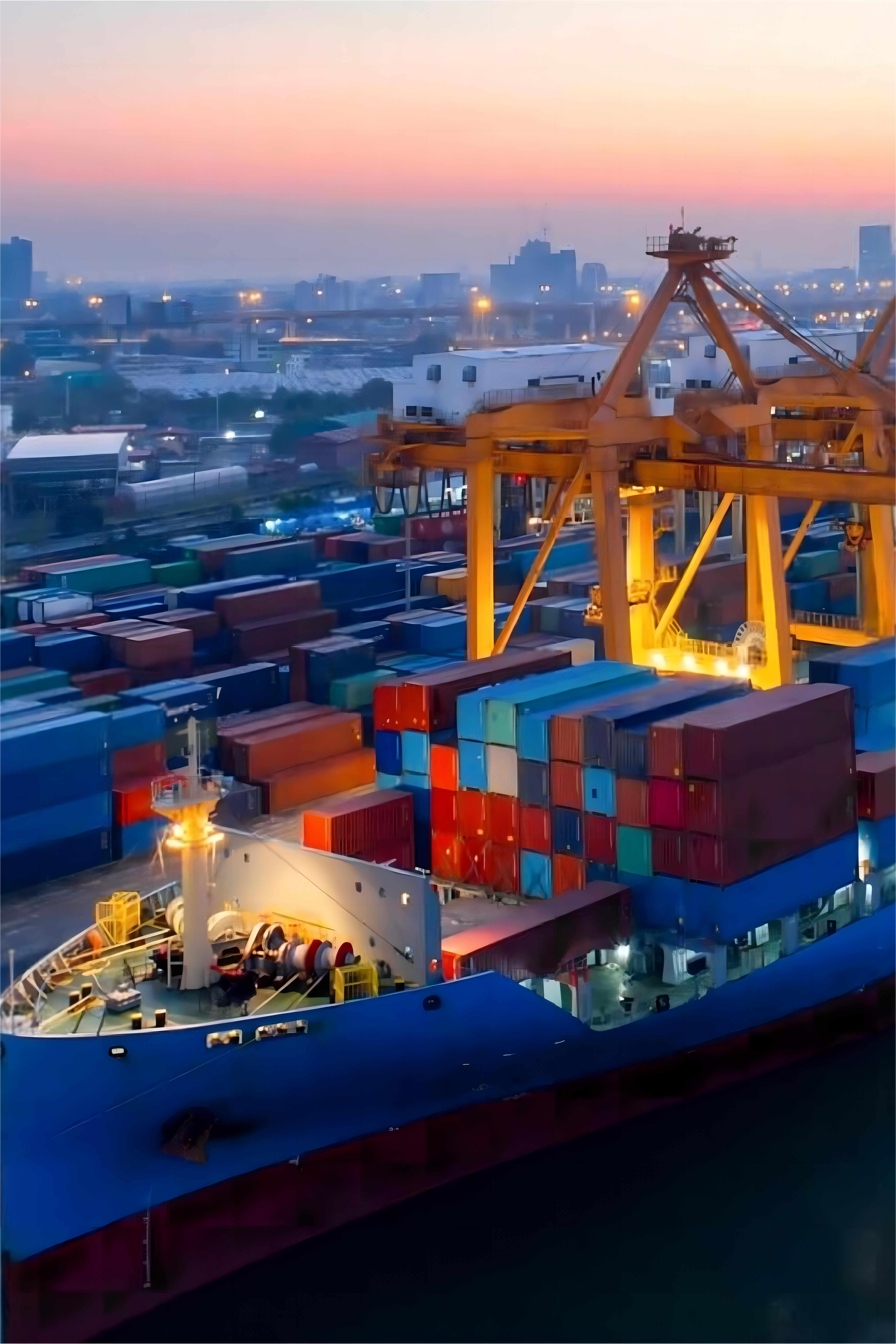
The Evolution of China Sourcing and Shipping Service Custom Clearance in 2026
Global trade dynamics have transformed significantly over the past year, making the china sourcing and shipping service custom clearance process more digital and data-driven than ever before. Consequently, importers are now prioritizing transparency and real-time tracking to mitigate risks associated with port congestion and fluctuating demand. Moreover, the integration of artificial intelligence in logistics planning has allowed for more accurate transit time predictions and cost optimizations. Indeed, staying ahead in 2026 requires a deep understanding of both origin logistics in China and the specific regulatory requirements of the destination country.
Furthermore, environmental regulations are now a primary factor in shipping decisions as the industry moves toward greener alternatives. Accordingly, many carriers have introduced carbon-neutral shipping options which, while slightly more expensive, help businesses meet their sustainability targets. Therefore, choosing a logistics partner who understands these modern nuances is vital for long-term success. In addition, the rise of e-commerce has accelerated the need for faster processing times at customs, leading to the adoption of pre-clearance protocols in many major trade hubs.
Specifically, the relationship between sourcing and shipping has become more intertwined as manufacturers now offer more integrated logistics support. Nevertheless, relying solely on factory-arranged shipping can sometimes lead to hidden costs or lack of control over the final delivery schedule. For this reason, many experienced traders prefer to work with independent freight forwarders who can provide unbiased advice and more competitive rates. Ultimately, the goal is to create a resilient supply chain that can withstand local and global disruptions while maintaining healthy profit margins.
How Does Sea Freight Compare to Other Shipping Options?
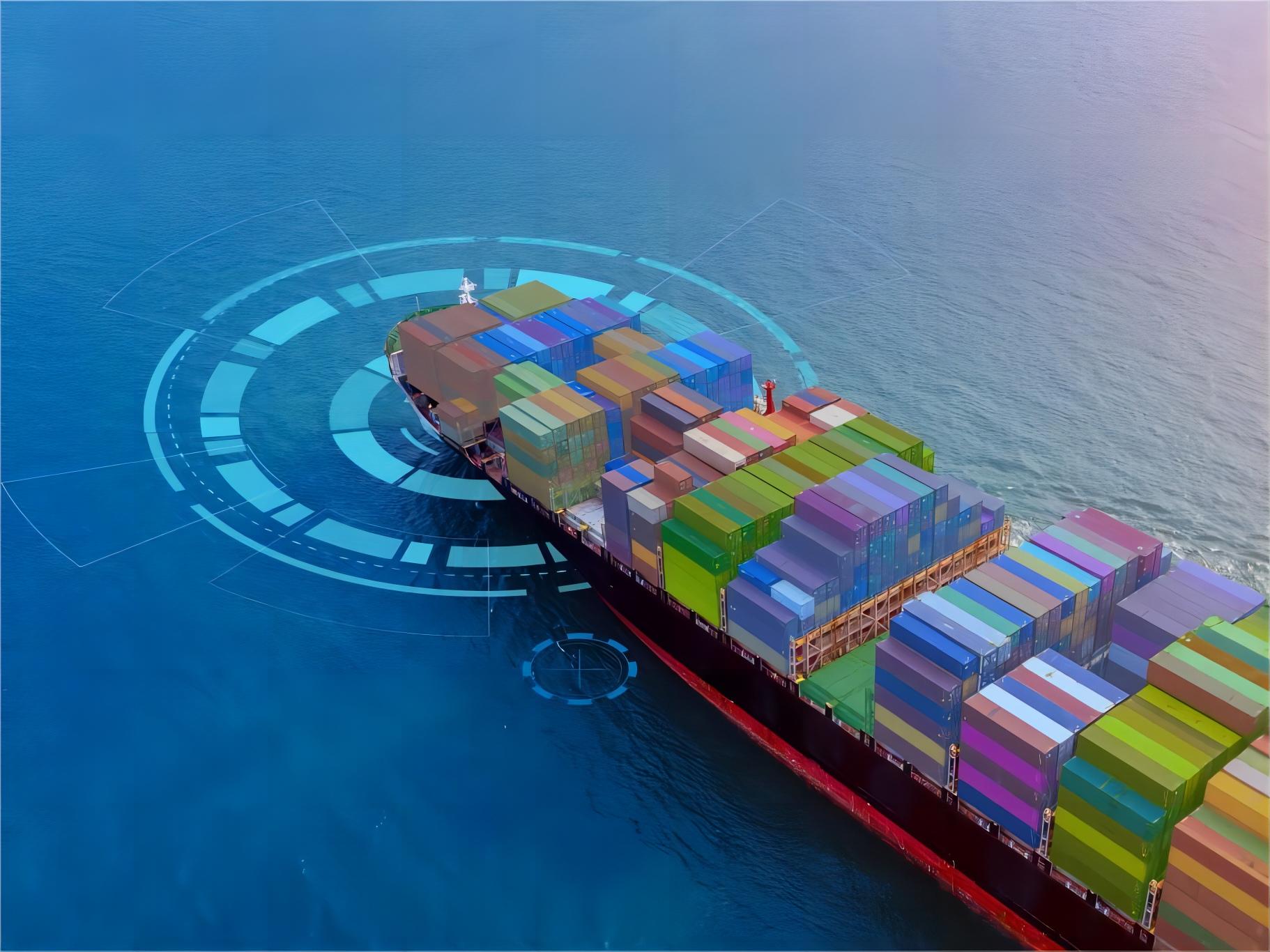
While several modes of transport exist, sea freight remains the most cost-effective solution for high-volume shipments moving across the globe. For example, when shipping furniture or heavy machinery, the cost per unit is significantly lower compared to air or express services. However, the trade-off is a much longer transit time, which requires meticulous inventory planning and longer lead times. On the other hand, sea freight offers the highest capacity, making it the only viable option for large projects and industrial equipment.
In contrast, air freight provides unparalleled speed but comes at a premium price point that can be five to ten times higher than ocean transport. Consequently, it is usually reserved for high-value electronics, fashion items, or urgent replenishment of stock. Meanwhile, rail freight has emerged as a balanced middle ground for shipments between China and Europe, offering faster speeds than sea and lower costs than air. Without a doubt, the choice of method depends on the specific balance of budget, urgency, and cargo volume that your business requires.
To summarize the current market landscape, the following table provides a comparison based on early 2026 data for a standard shipment from China to major global regions.
| Shipping Method | Cost Range (USD) | Transit Time | Best For |
|---|---|---|---|
| Sea Freight (FCL) | $1,500 – $4,500 | 20-40 Days | Bulk Goods / Large Volume |
| Air Freight | $5.50 – $9.00 / kg | 3-7 Days | High-Value / Urgent |
| Rail Freight | $120 – $180 / CBM | 15-22 Days | Mid-Value / Europe Routes |
| Express Service | $8.00 – $12.00 / kg | 2-5 Days | Samples / Small Parcels |
The Critical Role of Customs Brokerage in Global Trade
Navigating the legal requirements of international trade is often the most challenging aspect of the china sourcing and shipping service custom clearance process. Therefore, professional customs brokerage services are essential for ensuring that all documentation is accurate and compliant with local laws. For instance, incorrect HS code classification can lead to significant fines, cargo seizures, or unexpected duty payments that erase your profit margins. Additionally, customs agents stay updated on the latest tariff changes and trade agreements that might affect your specific product category.
Moreover, the digital transformation of customs authorities in 2026 means that electronic filing is now mandatory in most jurisdictions. Consequently, having a partner who can manage these digital submissions efficiently can save days of potential delays at the port of entry. In addition, specialized brokers can help you navigate complex requirements such as FDA approvals in the USA or CE certifications in Europe. Indeed, the peace of mind provided by professional customs management is often worth the investment, as it prevents costly bottlenecks in your supply chain.
Furthermore, many businesses are now utilizing bonded warehouses to defer duty payments until the goods are actually sold or moved into the local market. This strategy is particularly useful for managing cash flow in a high-interest-rate environment. However, implementing such a strategy requires precise coordination between your shipping provider and customs experts. To help you prepare, we have compiled a checklist of the most common documents required for a smooth clearance process in 2026.
| Document Name | Purpose | Provider | Necessity |
|---|---|---|---|
| Commercial Invoice | Value Declaration | Supplier | Mandatory |
| Packing List | Cargo Specification | Supplier | Mandatory |
| Bill of Lading | Title of Goods | Carrier | Mandatory |
| Certificate of Origin | Tariff Application | Supplier/Chamber | Required for Pref. |
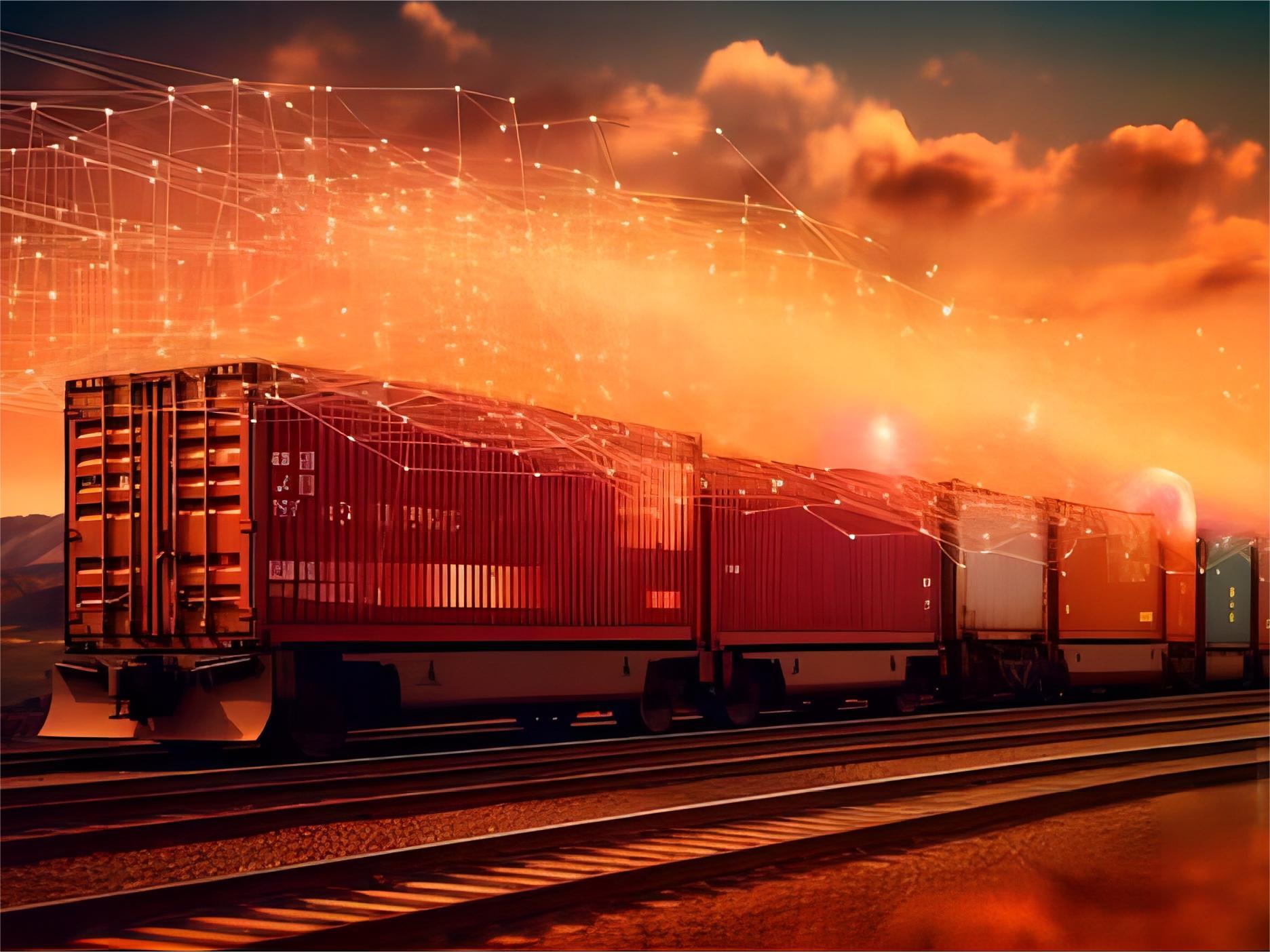
Why Door to Door Services Are Dominating the Market
In the fast-paced world of 2026 commerce, many importers are shifting toward door to door solutions to simplify their logistics. By consolidating multiple steps into a single service, businesses can reduce the administrative burden of managing different carriers, truckers, and brokers. Furthermore, this model provides a single point of accountability, which is invaluable when issues like weather delays or port strikes occur. Consequently, you can focus on marketing and sales while your logistics provider handles the physical movement of goods from the factory floor to your warehouse.
Additionally, door-to-door services often include final-mile delivery, which is frequently the most complex part of the journey. For example, navigating urban delivery restrictions or scheduling residential drop-offs requires local expertise that international carriers might lack. Therefore, a comprehensive service that covers the entire journey ensures a more seamless experience for the end recipient. In contrast, port-to-port shipping requires the importer to arrange their own inland transport, which can lead to coordination gaps and increased costs if not managed perfectly.
Interestingly, the rise of specialized fulfillment centers has made door-to-door shipping even more attractive for e-commerce brands. By shipping directly from China to a 3PL facility, companies can minimize handling and reduce the time it takes to get products to customers. Meanwhile, the integration of real-time tracking across the entire journey provides the visibility needed to manage customer expectations effectively. Without a doubt, the convenience and reliability of this model make it the preferred choice for modern small and medium-sized enterprises.
Choosing Between FCL and LCL: A Strategic Approach
One of the most frequent decisions importers face is whether to use Full Container Load (FCL) or Less than Container Load (LCL) for their sea freight shipments. Specifically, FCL is generally faster and more secure because the container is dedicated to a single shipper and remains sealed until it reaches the destination. However, if you do not have enough cargo to fill a 20ft or 40ft container, LCL allows you to share space with other shippers and only pay for the volume you use. Consequently, LCL is an excellent option for testing new products or maintaining a lean inventory without the high cost of a full container.
Nevertheless, LCL shipments involve more handling and a higher risk of delays because the goods must be consolidated at the origin and deconsolidated at the destination. For instance, if one shipper in the container has documentation issues, it could potentially delay the entire container’s clearance. Therefore, for time-sensitive or fragile cargo, FCL might be the safer choice even if the container is not completely full. In addition, FCL rates are often more stable, whereas LCL pricing can be subject to various surcharges that make the final landed cost harder to predict.
According to current 2026 market trends, the price gap between FCL and LCL has narrowed on major routes such as China to North America. This change is partly due to increased efficiency in consolidation centers and better carrier management. Accordingly, businesses should perform a detailed cost-benefit analysis for every shipment to determine the most economical path. For shipments over 15 cubic meters, FCL is almost always more cost-effective, while smaller shipments benefit from the flexibility of LCL.
Navigating Air Freight for Time-Sensitive Cargo
When speed is the absolute priority, air freight remains the gold standard for international logistics. In the 2026 landscape, air cargo has become even more critical for industries like high-tech electronics and pharmaceuticals where product life cycles are short. Moreover, the security of air transport is significantly higher than other modes, which reduces the risk of theft or damage for expensive items. Consequently, while the costs are higher, the reduction in insurance premiums and the ability to meet tight deadlines often justify the expense.
Furthermore, air freight allows for more frequent shipments in smaller quantities, which helps businesses maintain a just-in-time inventory system. This approach reduces the capital tied up in stock and minimizes the need for large warehouse spaces. However, it is important to note that air freight is subject to strict weight and size limitations, as well as rigorous dangerous goods regulations. For example, products containing lithium batteries require specialized packaging and documentation to comply with international aviation safety standards.
In addition, the capacity of air freight can fluctuate seasonally, particularly during the peak months of October through December. During these times, rates can spike and space can become limited, making early booking essential. Therefore, working with a freight forwarder who has established relationships with major airlines is crucial for securing space at competitive prices. Ultimately, air freight should be viewed as a strategic tool for managing emergencies, product launches, or high-value inventory that requires the fastest possible transit.
The Growing Importance of Rail Freight in 2026
As part of the ongoing expansion of transcontinental trade, rail freight has become a highly viable alternative for shipments between China and Europe. Specifically, the rail routes through Central Asia offer a transit time of approximately 18 to 22 days, which is nearly twice as fast as sea freight. Moreover, the cost is significantly lower than air freight, making it an attractive option for automotive parts, industrial machinery, and consumer goods. Indeed, rail freight has stabilized the supply chain for many European businesses that were previously dependent on volatile sea routes.
Additionally, rail transport is considered more environmentally friendly than both air and sea freight on a per-ton-kilometer basis. Consequently, many large corporations are shifting a portion of their volume to rail to meet their corporate social responsibility goals. However, rail freight is not available for all destinations, as it is primarily focused on the Eurasian land bridge. For instance, shipments to Australia or North America still rely almost exclusively on sea and air transport. Nevertheless, for those on the correct geographical routes, rail offers a reliable and consistent schedule.
Furthermore, the infrastructure for rail freight has seen massive investment, leading to better tracking and more efficient border crossings. As a result, the reliability of rail schedules has improved significantly over the last two years. In addition, the use of refrigerated containers on rail lines now allows for the transport of temperature-sensitive goods that were previously restricted to expensive air freight. To summarize, rail freight provides a unique combination of speed, cost-efficiency, and sustainability that is hard to match in the current market.
Case Study 1: Electronics Shipment from Shenzhen to Los Angeles
Route: Shenzhen, China to Los Angeles, USA
Cargo: Consumer Electronics, 28 CBM, 4,500 kg
Container: 1 x 40GP
Shipping Details:
– Carrier: Major Ocean Carrier
– Port of Loading: Shenzhen (Yantian)
– Port of Discharge: Los Angeles
– Route Type: Direct
Cost Breakdown:
– Ocean Freight: $3,200
– Origin Charges: $450
– Destination Charges: $650
– Customs and Duties: $4,800
– Total Landed Cost: $9,100
Timeline:
– Booking to Loading: 3 days
– Sea Transit: 16 days
– Customs Clearance: 2 days
– Total Door-to-Door: 21 days
Key Insight: Using a direct route to the US West Coast saved 10 days compared to transshipment options, which was critical for a new product launch. Based on Q1 2026 market rates.
Case Study 2: Industrial Equipment from Ningbo to Hamburg
Route: Ningbo, China to Hamburg, Germany
Cargo: Industrial Parts, 12 CBM, 3,200 kg
Container: LCL (Less than Container Load)
Shipping Details:
– Carrier: Global Consolidation Service
– Port of Loading: Ningbo
– Port of Discharge: Hamburg
– Route Type: Direct
Cost Breakdown:
– Ocean Freight: $1,140 ($95/CBM)
– Origin Charges: $320
– Destination Charges: $480
– Customs and Duties: $2,100
– Total Landed Cost: $4,040
Timeline:
– Booking to Loading: 5 days
– Sea Transit: 32 days
– Customs Clearance: 3 days
– Total Door-to-Door: 40 days
Key Insight: LCL was the most economical choice for this volume, despite the longer transit time. Early booking helped avoid peak season surcharges. Typical rates as of early 2026.
Which Option Should You Choose? Decision Framework
Selecting the right logistics strategy requires a clear understanding of your business priorities and the nature of your cargo. If your primary goal is to minimize costs and you have a flexible timeline, sea freight is undoubtedly the best choice for large volumes. Conversely, if you are dealing with high-value items or urgent deadlines, the speed of air freight justifies the additional expense. For those operating between China and Europe, rail freight offers a compelling middle ground that balances speed and cost effectively.
Specifically, you should consider the following criteria when making your decision:
– Budget Priority: Choose Sea Freight (FCL for >15 CBM, LCL for <15 CBM).
– Speed Priority: Choose Air Freight or Express Service.
– Cargo Type: Fragile or high-value goods often benefit from the security of Air Freight.
– Volume Thresholds: Once your volume exceeds 15-20 CBM, FCL usually becomes more economical than LCL.
In addition, consider hybrid solutions such as sea-air combinations. For example, shipping by sea from China to Dubai and then by air to Europe can save 40% in costs compared to pure air freight while being 50% faster than pure sea freight. Similarly, rail-sea combinations can help reach inland destinations more efficiently. Ultimately, a diversified logistics strategy that utilizes different modes for different needs is the most resilient approach for 2026.
Strategic Cost-Saving Tips for 2026 Logistics
To maximize your profitability, it is essential to look beyond the base freight rate and consider the total landed cost of your goods. For example, optimizing your packaging to reduce unused space can lead to significant savings in both sea and air freight. Moreover, consolidating multiple small orders from different suppliers into a single shipment can help you qualify for FCL rates instead of LCL. Therefore, effective communication with your suppliers regarding production schedules is vital for logistics planning.
Furthermore, staying informed about seasonal fluctuations can help you avoid the highest rates of the year. Historically, freight prices increase by 15-25% during the peak season from August to October as retailers prepare for the holiday rush. Accordingly, shipping your goods earlier in the year or delaying non-essential shipments until after the peak can result in substantial savings. In addition, always request a comprehensive quote that includes all potential charges, such as fuel surcharges, terminal handling fees, and documentation costs, to avoid unpleasant surprises.
Finally, leveraging technology for better inventory management can reduce the need for expensive emergency air shipments. By maintaining a buffer stock and using predictive analytics to forecast demand, you can rely more on slower, cheaper transport modes. Meanwhile, building a long-term relationship with a reliable freight forwarder can provide access to better rates and priority space during busy periods. Without a doubt, a proactive and informed approach to logistics is the best way to manage your china sourcing and shipping service custom clearance costs.
Mastering Your Global Supply Chain
In conclusion, managing a china sourcing and shipping service custom clearance requires a multi-faceted approach that considers cost, speed, and regulatory compliance. By understanding the strengths and weaknesses of different shipping modes, businesses can tailor their logistics strategy to meet their specific needs. Whether you choose the cost-efficiency of sea freight, the speed of air freight, or the balanced approach of rail freight, the key is to work with experienced partners who can navigate the complexities of the 2026 market.
As global trade continues to evolve, staying informed about industry trends and maintaining a flexible supply chain will be the hallmarks of successful importers. Therefore, prioritize transparency, embrace digital tools, and always keep a close eye on the total landed cost of your products. With the right strategy and a reliable logistics partner, your business can thrive in the competitive world of international trade.
Need a tailored shipping solution?
Optimizing your china sourcing and shipping service custom clearance is the key to scaling your international business in 2026. Contact China Top Freight today to receive a customized quote and expert guidance on your next shipment. Our team is ready to help you navigate the complexities of global logistics and ensure your cargo arrives on time and within budget. Visit https://chinatopfreight.com/ to start your journey toward a more efficient supply chain.