China to Canada Import Logistics for Business: 2026 Guide
Navigating the complexities of china to canada import logistics for business requires a strategic approach to balance transit speed with operational costs. Partnering with a reliable logistics provider like China Top Freight ensures your supply chain remains resilient against market fluctuations in 2026. This comprehensive guide details the essential steps for successful trans-Pacific shipping, from choosing the right transport mode to mastering Canadian customs regulations. Whether you are a small enterprise or a large corporation, understanding these logistics fundamentals is vital for maintaining a competitive edge in the Canadian market.
✦
Understanding China to Canada Import Logistics for Business in 2026
Modern trade between China and Canada has evolved significantly as of Q1 2026, with a heavy focus on digital integration and sustainable shipping practices. Businesses must now account for shifting fuel surcharges and seasonal capacity constraints that typically peak during the late summer months. Consequently, planning your inventory cycles at least three months in advance has become a standard industry benchmark for avoiding premium spot rates.
Moreover, the logistics landscape is currently influenced by advanced tracking technologies that provide real-time visibility into cargo movements. This transparency allows Canadian importers to manage their warehouse schedules more effectively and reduce the risks associated with port congestion. Ultimately, a successful import strategy hinges on selecting the right combination of transport modes tailored to your specific product requirements and budget constraints.
How Does Sea Freight Compare to Other Shipping Options?
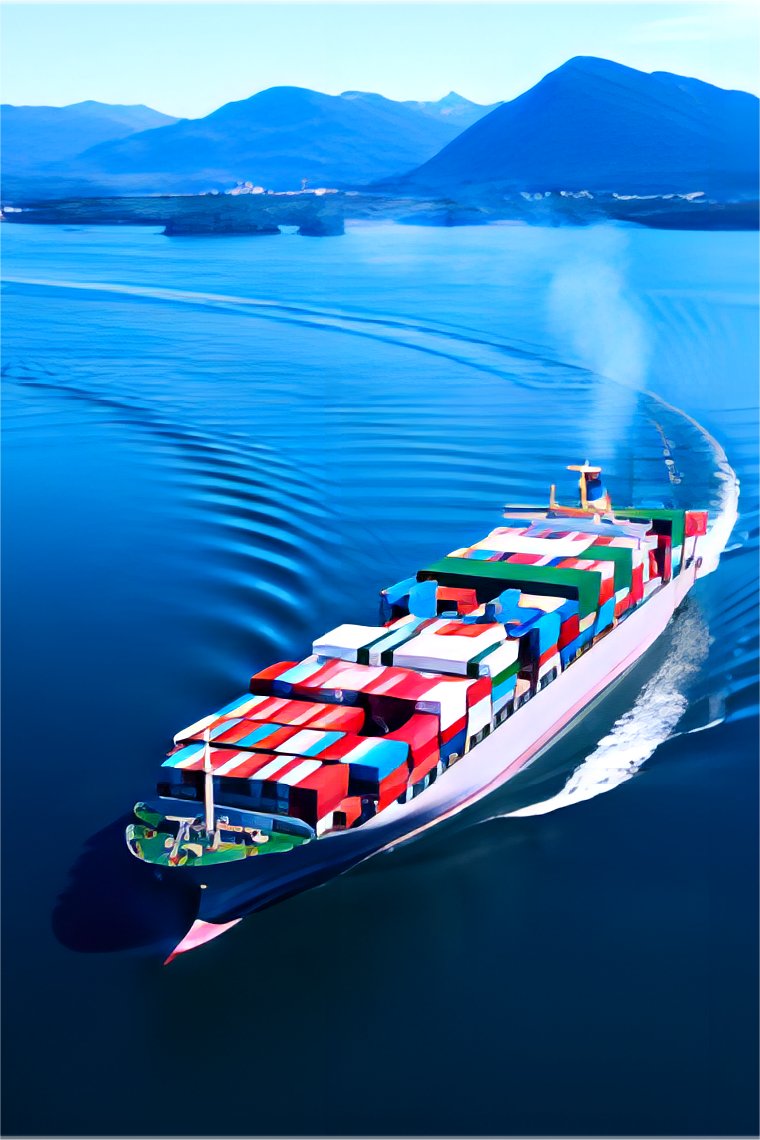
While sea freight remains the most popular choice for high-volume shipments, it is essential to compare it against alternatives like air and express services. Sea freight typically offers the lowest cost per unit, making it ideal for bulky items or large inventory restocks. However, the transit times are significantly longer than air transport, which can impact cash flow for businesses with high inventory turnover.
In contrast, air freight provides the speed necessary for high-value electronics or seasonal fashion items that need to reach the Canadian market quickly. Hybrid solutions, such as sea-rail combinations, have also gained traction in 2026 as a way to reach inland hubs like Toronto or Montreal more efficiently. Therefore, businesses must weigh the trade-offs between cost savings and the urgency of their delivery schedule.
| Sea Freight FCL | $2,800 – $5,500 | 18 – 35 Days | Large volumes | Slow transit |
| Sea Freight LCL | $80 – $150/CBM | 25 – 40 Days | Small shipments | Handling risks |
| Air Freight | $4.50 – $9.00/kg | 3 – 7 Days | High value/Urgent | High cost |
| Express Service | $7.00 – $12.00/kg | 2 – 5 Days | Samples/Documents | Weight limits |
The Benefits of Air Freight for Urgent Canadian Cargo
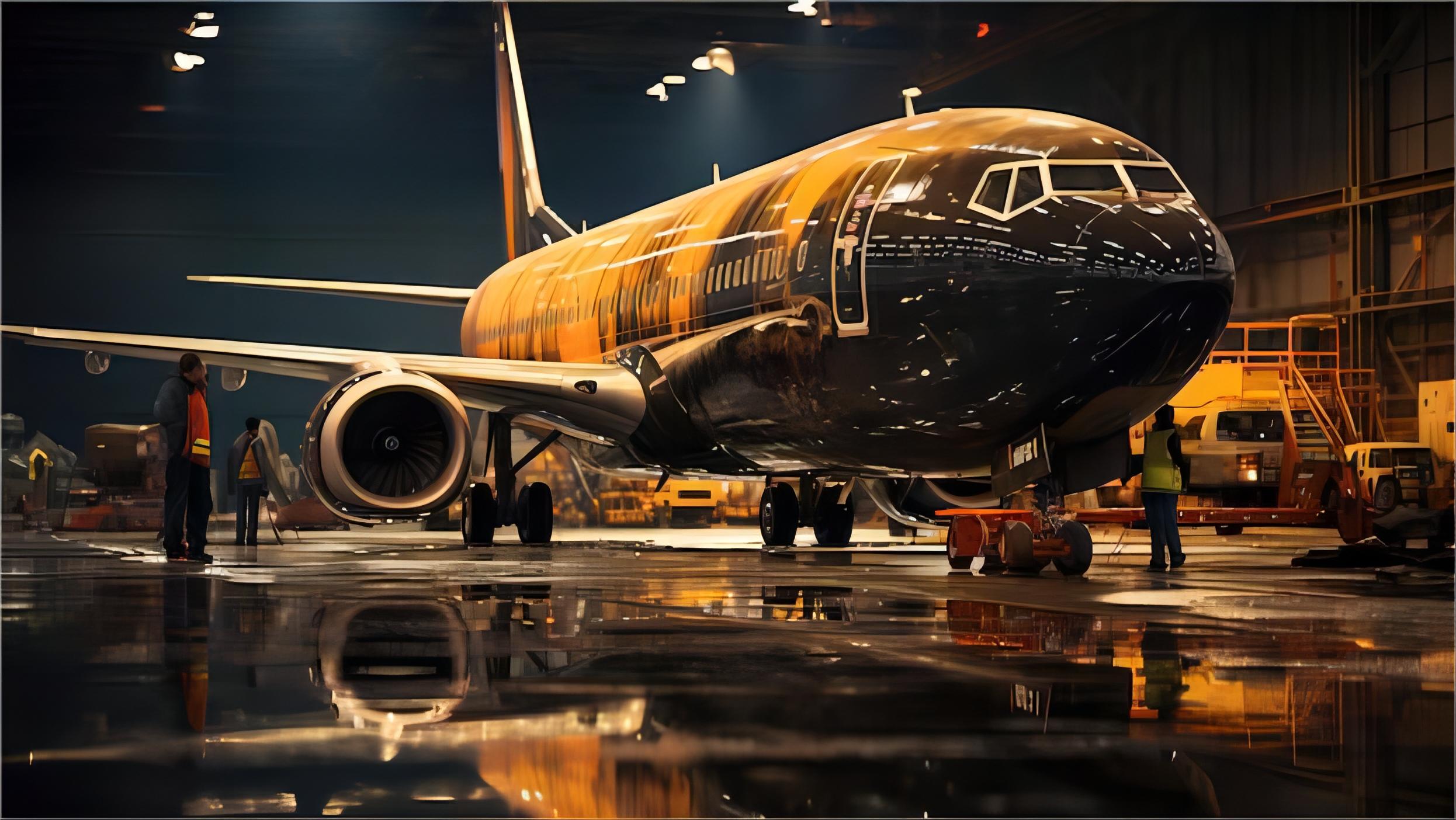
Choosing air freight is often the best decision when time is the primary factor in your logistics equation. As of early 2026, air cargo capacity has stabilized, yet rates remain sensitive to e-commerce demand spikes during the holiday season. Specifically, using air transport can reduce the need for large safety stocks in Canada, as replenishment can happen within a single week.
Additionally, air transport offers enhanced security for sensitive goods, minimizing the risk of theft or damage during transit. For businesses importing high-margin products, the increased shipping cost is often offset by the ability to respond rapidly to Canadian consumer trends. Furthermore, the streamlined handling processes at major airports like YVR and YYZ facilitate faster customs release compared to maritime ports.
Navigating Amazon FBA Logistics from China to Canada
Selling on Amazon Canada requires a deep understanding of Amazon FBA logistics to ensure compliance with strict warehouse receiving guidelines. In 2026, Amazon has implemented more rigorous labeling and packaging standards that importers must follow to avoid costly delays or rejections. Consequently, many businesses utilize specialized prep services in China to handle palletization and FNSKU labeling before the goods leave the country.
Moreover, choosing between ocean and air for FBA depends heavily on your inventory performance index and seasonal demand. For instance, launching a new product often justifies air freight to build initial sales velocity, while established best-sellers are better suited for sea freight. Notably, working with a forwarder experienced in the Canadian FBA network can help you navigate the specific appointment scheduling required for delivery to fulfillment centers in Ontario and British Columbia.
The Role of Customs Brokerage in Canadian Imports
Professional customs brokerage services are indispensable for ensuring that your shipments comply with the Canada Border Services Agency (CBSA) regulations. In 2026, the CARM (CBSA Assessment and Revenue Management) system is fully operational, requiring all importers to register and manage their duties online. Failure to properly classify goods under the Harmonized System (HS) can result in significant fines or cargo seizures.
Furthermore, a broker can help you identify opportunities for duty relief through various trade agreements or tariff deferral programs. For example, understanding the specific rules of origin can lead to substantial cost savings on eligible products. Therefore, investing in expert customs advice is not just about compliance; it is a strategic move to optimize your total landed cost and avoid unnecessary logistical bottlenecks.
| Commercial Invoice | Value declaration | CBSA | Critical |
| Bill of Lading | Title to goods | Carrier/CBSA | Mandatory |
| Packing List | Content details | Warehouse/CBSA | High |
| Canada Customs Invoice | Specific for CA | Customs Broker | Required >$2500 |
Door to Door Logistics: A Seamless Solution for Business
Opting for door to door shipping simplifies the entire china to canada import logistics for business process by consolidating all steps into a single service. This model covers everything from factory pickup in China to final delivery at your Canadian warehouse or storefront. Specifically, it eliminates the need for you to coordinate between multiple carriers, brokers, and local trucking companies.
Additionally, door to door services often include DDP (Delivered Duty Paid) options, where the forwarder handles all taxes and duties upfront. This provides businesses with a predictable, all-in cost, which is particularly beneficial for budgeting and pricing products for the Canadian market. Consequently, this ‘hands-off’ approach allows business owners to focus on sales and marketing rather than the minutiae of international transport.
Case Studies: Real-World Logistics Success in 2026
Case Study 1: Electronics Distribution to Vancouver
Route: Shenzhen, China to Vancouver, Canada
Cargo: Consumer Electronics (Smart Home Devices), 12 CBM, 2,500 kg
Container: LCL (Less than Container Load)
Shipping Details:
– Carrier: Major Maritime Carrier
– Port of Loading: Shenzhen (Yantian)
– Port of Discharge: Vancouver
– Route Type: Direct
Cost Breakdown:
– Ocean Freight: $1,250
– Origin Charges: $320
– Destination Charges: $480
– Customs and Duties: $1,100
– Total Landed Cost: $3,150
Timeline:
– Booking to Loading: 4 days
– Sea Transit: 16 days
– Customs Clearance: 2 days
– Total Door-to-Door: 22 days
Key Insight: Using LCL allowed the business to maintain weekly inventory refreshes without the cost of a full container, optimizing warehouse space in BC.
Case Study 2: Furniture Retailer in Toronto
Route: Ningbo, China to Toronto, Canada
Cargo: Office Furniture, 65 CBM, 14,500 kg
Container: 40HQ (High Cube)
Shipping Details:
– Carrier: Global Ocean Line
– Port of Loading: Ningbo-Zhoushan
– Port of Discharge: Prince Rupert (Rail to Toronto)
– Route Type: Sea-Rail Hybrid
Cost Breakdown:
– Ocean Freight: $4,900
– Origin Charges: $450
– Destination Charges: $950
– Customs and Duties: $2,200
– Total Landed Cost: $8,500
Timeline:
– Booking to Loading: 6 days
– Sea Transit: 14 days
– Rail Transit: 8 days
– Customs Clearance: 3 days
– Total Door-to-Door: 31 days
Key Insight: Routing through Prince Rupert saved 5 days of transit time compared to the Panama Canal route, despite slightly higher rail costs.
Which Option Should You Choose? Decision Framework
Determining the best logistics path depends on your specific business priorities, whether you value speed, cost, or reliability above all else. If your primary goal is budget optimization and you have flexible lead times, sea freight FCL is the undisputed winner for large volumes. However, for shipments under 15 CBM, LCL offers a more economical entry point despite slightly longer handling times at consolidation hubs.
On the other hand, if you are dealing with perishable goods or urgent contract fulfillment, air freight is the only viable solution despite the higher price tag. For those seeking a middle ground, sea-rail hybrid services provide a balanced approach to reaching inland Canadian cities. Ultimately, you should evaluate your cargo volume, value, and urgency before committing to a specific shipping lane.
Final Thoughts on Canadian Import Success
Mastering china to canada import logistics for business involves a combination of careful planning, regulatory knowledge, and choosing the right partners. As we move through 2026, the ability to adapt to changing freight rates and customs requirements will distinguish successful importers from the rest. By utilizing the strategies outlined in this guide, you can minimize delays and maximize the efficiency of your trans-Pacific operations.
Remember that logistics is not just a cost center but a strategic asset that can enhance your market responsiveness. Whether you are shipping via sea, air, or utilizing door to door services, staying informed about industry trends is key. We remain committed to helping your business navigate these complexities with ease and professional expertise.