

Bulk Cargo Shipping from China Express Logistics: 2026 Guide
Bulk cargo shipping from china express logistics serves as the backbone of international commerce for businesses moving massive quantities of goods. Companies looking to optimize their supply chain in 2026 often rely on China Top Freight to handle complex transport requirements. Navigating the nuances of large-scale logistics requires a deep understanding of market trends, carrier capacities, and regulatory changes. This comprehensive guide provides the insights necessary to manage your bulk shipments efficiently and cost-effectively.

Understanding Bulk Cargo Shipping from China Express Logistics
Bulk cargo shipping involves the transportation of large volumes of goods that are not necessarily packed into individual containers, though the term often encompasses high-volume containerized freight in modern logistics. Consequently, businesses must choose between various transport modes based on the nature of their products and their delivery deadlines. Furthermore, the 2026 market has seen significant technological advancements that allow for better tracking and management of these massive shipments.
Logistics providers now offer specialized services tailored to different industries, including construction, electronics, and raw materials. For instance, express logistics frameworks prioritize speed and reliability, ensuring that even large-scale shipments reach their destination within tight windows. Additionally, the integration of smart sensors and real-time data has revolutionized how we monitor cargo handling throughout the journey.
The Role of Express Logistics in Bulk Transport
How Does Bulk Cargo Shipping from China Express Logistics Compare to Other Shipping Options?
Evaluating different transport methods is essential for any business looking to balance cost and performance. While traditional methods offer lower prices, they often lack the predictability required for modern supply chains. On the other hand, express solutions provide a higher level of service and faster delivery schedules at a premium price point.
However, the choice between sea, air, and rail depends heavily on the specific needs of the cargo and the final destination. For example, rail freight has become a viable middle ground for shipments to Europe, offering faster times than sea and lower costs than air. Nevertheless, for the highest speed, express service remains the gold standard.
| Shipping Method | Cost Range | Transit Time | Best For | Limitations |
|---|---|---|---|---|
| Sea Freight (FCL) | $1,500 – $4,500 | 14 – 40 Days | Heavy/Large Volumes | Slowest transit times |
| Air Freight | $4.50 – $9.00/kg | 3 – 7 Days | High-value/Urgent | Very high cost |
| Rail Freight | $1,800 – $3,200 | 18 – 25 Days | Mid-range budget | Limited to Eurasia |
| Express Logistics | $6.00 – $12.00/kg | 2 – 5 Days | Time-critical bulk | Size restrictions |

Key Factors Influencing Bulk Shipping Costs from China
Shipping costs are influenced by a variety of dynamic factors, ranging from fuel surcharges to seasonal demand spikes. In addition, the volume and weight of the cargo play a primary role in determining the final quote provided by carriers. For heavy industrial goods, sea freight is typically calculated based on container size, whereas air and express services use dimensional weight.
Furthermore, port congestion and labor availability can lead to unexpected surcharges during peak periods. As a result, many savvy shippers book their space well in advance to lock in more favorable rates. Meanwhile, currency fluctuations between the Yuan and the US Dollar continue to impact the overall landed cost of imports from China.
Understanding Surcharges and Hidden Fees
Transit Times and Delivery Schedules for Major Global Routes
Transit times vary significantly based on the destination and the chosen mode of transport. For instance, shipping to North America generally takes between 14 and 35 days via ocean, depending on whether the destination is the West or East Coast. Conversely, express air solutions can deliver the same bulk cargo in less than a week.
Market data from early 2026 suggests that transit times have stabilized following the disruptions of previous years. However, weather conditions and geopolitical events can still cause temporary delays in major shipping lanes. To summarize, maintaining a flexible delivery schedule is the best way to manage expectations and ensure customer satisfaction.
| Destination Region | Sea Transit (Days) | Air Transit (Days) | Express Transit (Days) |
|---|---|---|---|
| USA West Coast | 14 – 18 | 3 – 5 | 2 – 4 |
| USA East Coast | 28 – 35 | 4 – 6 | 3 – 5 |
| Western Europe | 30 – 38 | 3 – 6 | 3 – 5 |
| Australia | 12 – 18 | 2 – 5 | 2 – 4 |
Essential Customs Documentation for Bulk Cargo Shipping
Navigating the complexities of international customs is one of the most challenging aspects of bulk cargo shipping from china express logistics. Indeed, missing or incorrect paperwork can lead to costly delays and even the seizure of goods by authorities. Utilizing a professional customs brokerage service is often the best way to ensure compliance with all local and international regulations.
Moreover, every shipment must be accompanied by a commercial invoice, a packing list, and a Bill of Lading. Furthermore, certain types of bulk cargo may require specialized certificates, such as a Certificate of Origin or a Phytosanitary Certificate for agricultural products. Therefore, staying informed about the latest customs trends and requirements is essential for every importer.
Customs Documents Checklist

Real-World Case Studies for Bulk Cargo Shipping
Analyzing real-world examples provides valuable insight into the practical application of logistics strategies. These cases illustrate how different businesses overcome challenges to achieve successful delivery outcomes. For example, many companies have successfully shifted to hybrid models to balance speed and cost effectively.
Case Study 1: Electronics Components to Los Angeles. Route: Shenzhen to Los Angeles. Cargo: 15 CBM of high-density electronics. Method: Express Sea Freight. Ocean Freight: $2,800. Total Landed Cost: $3,600. Transit Time: 16 days. Key Insight: Using a premium sea service saved 50 percent compared to air while meeting the 20-day inventory deadline.
Case Study 2: Industrial Machinery to Hamburg. Route: Shanghai to Hamburg. Cargo: 40HQ Container of machinery parts. Method: Rail Freight. Rail Freight: $3,100. Total Landed Cost: $4,200. Transit Time: 22 days. Key Insight: Rail provided a consistent schedule that avoided the volatility of sea freight rates during the Q3 peak season.
Case Study 3: Solar Panels to Sydney. Route: Ningbo to Sydney. Cargo: 20GP Container. Method: Standard Sea Freight. Ocean Freight: $1,100. Total Landed Cost: $1,950. Transit Time: 15 days. Key Insight: Early booking allowed the shipper to secure a low rate before the December capacity crunch.
Which Shipping Option Should You Choose?
Selecting the right method depends on your specific business priorities and the nature of your cargo. If your primary concern is the lowest possible cost, then standard sea freight is almost always the best choice for bulk volumes. Conversely, if your cargo is time-sensitive or high-value, the speed of express logistics justifies the higher investment.
Additionally, many businesses now opt for door to door services to simplify their operations. This approach reduces the number of touchpoints and minimizes the risk of damage or loss during transit. To summarize, the best option is the one that aligns with your budget, timeline, and risk tolerance.
Decision Framework for Importers
Mastering Bulk Cargo Shipping from China Express Logistics
To summarize, successful bulk cargo shipping from china express logistics requires a strategic approach that balances cost, speed, and reliability. By understanding the various transport modes and staying informed about market trends, businesses can navigate the complexities of 2026 logistics with confidence. Moreover, partnering with an experienced freight forwarder ensures that your cargo is handled with care and reaches its destination on time.
Ultimately, the goal is to create a resilient supply chain that can adapt to changing conditions. Whether you are moving industrial machinery or consumer goods, the right logistics strategy will drive your business forward in the global marketplace. Start planning your next shipment today to secure the best rates and transit times available.
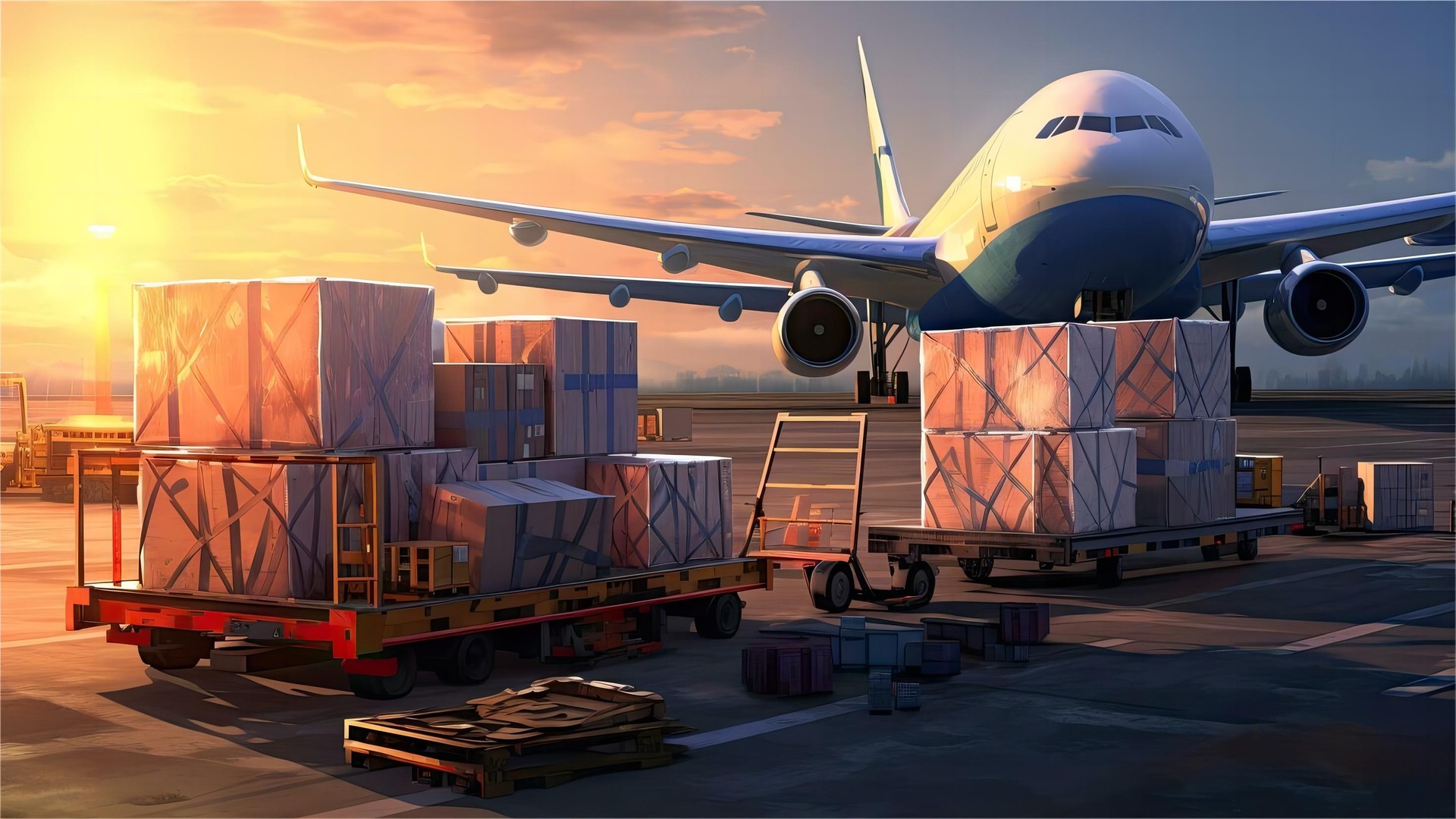
Ready to streamline your logistics?
Optimize your supply chain today with expert bulk cargo shipping from china express logistics. Contact our team for a personalized quote and discover how we can streamline your international trade operations. Visit our website to learn more about our comprehensive logistics solutions. Send Inquiry: https://chinatopfreight.com/
Request Quote