

China to Germany Air Cargo for Importers: 2026 Shipping Guide
Navigating the complexities of china to germany air cargo for importers requires a deep understanding of modern logistics trends and market shifts. As we move through 2026, businesses must balance speed with cost-efficiency to remain competitive in the demanding European marketplace. Partnering with a reliable freight forwarder like China Top Freight ensures that your supply chain remains resilient and your goods arrive on schedule.
Understanding China to Germany Air Cargo for Importers in 2026
Air transportation has become the backbone of high-velocity trade between Asian manufacturing hubs and Central European markets. Importers frequently choose this method when shipping time-sensitive products like electronics, fashion, or medical supplies. Consequently, the efficiency of your logistics strategy directly impacts your ability to meet customer demands in Berlin, Munich, or Hamburg.
Market conditions in early 2026 show a stabilization of freight rates following the disruptions of previous years. Nevertheless, demand for premium air space remains high due to the growth of cross-border e-commerce and just-in-time manufacturing. Therefore, securing capacity early is essential for maintaining a consistent inventory flow.
Logistics providers now offer more specialized services than ever before to accommodate diverse cargo types. For example, temperature-controlled shipping and high-security handling are standard for many high-value shipments. Accordingly, selecting the right service level is the first step in optimizing your import operations.
How Air Cargo Compares to Other Shipping Options
Choosing the right mode of transport involves a careful analysis of cost, speed, and reliability. While air freight is the fastest option, it typically carries the highest price tag compared to surface transport. However, for many businesses, the reduction in inventory carrying costs justifies the higher upfront expense.
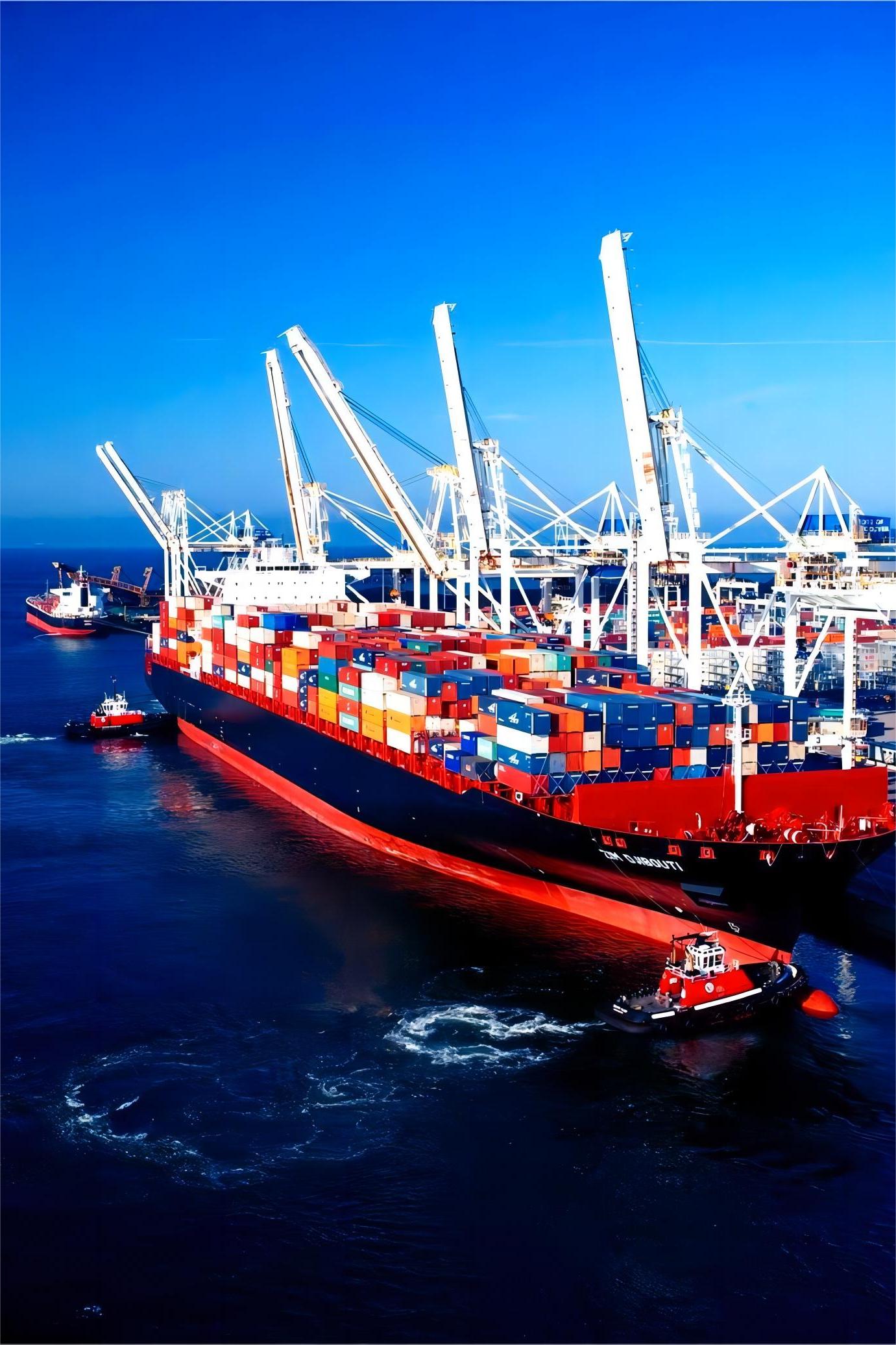
Sea freight remains the primary alternative for bulkier, less urgent shipments that can withstand longer transit times. In contrast, rail freight offers a middle-ground solution that balances cost and speed for shipments across the Eurasian land bridge. Without a doubt, each method serves a specific purpose within a diversified supply chain strategy.
| Shipping Method | Cost Range (2026) | Transit Time | Best For |
|---|---|---|---|
| Air Freight | $4.50 – $9.00/kg | 3-7 Days | High-value, urgent goods |
| Sea Freight | $2,200 – $4,500/40HQ | 30-45 Days | Bulk commodities |
| Rail Freight | $150 – $250/CBM | 18-24 Days | Medium-sized shipments |
| Express | $9.00 – $15.00/kg | 2-4 Days | Samples and small parcels |
Key Factors Influencing Air Freight Rates from China
Several variables contribute to the final cost of shipping goods via air freight from Chinese hubs. Fuel surcharges are perhaps the most volatile component, often fluctuating based on global energy prices. Additionally, seasonal demand spikes during the Golden Week or the lead-up to Christmas can significantly increase base rates.
Cargo weight and volume play a critical role in determining your total expenditure. Airlines use a chargeable weight calculation, which considers both the actual weight and the volumetric size of the shipment. Consequently, optimizing your packaging can lead to substantial savings over time.
Airport-to-airport services differ in price from comprehensive door to door solutions. While the latter is more expensive, it simplifies the process by including local trucking and final delivery. For many importers, the convenience of a single point of contact outweighs the marginal increase in cost.
Essential Customs Documentation for German Importers
Navigating the regulatory landscape is vital for ensuring that your cargo passes through German customs without delay. Inaccurate or incomplete paperwork is the most common cause of shipment hold-ups at airports like Frankfurt or Munich. Therefore, working with an experienced customs brokerage professional is highly recommended.
German authorities require specific documents to verify the value, origin, and safety of imported goods. For instance, the Commercial Invoice must clearly state the transaction value and the Incoterms used. Furthermore, a detailed Packing List and a valid Air Waybill are mandatory for every air shipment.
Importers must also ensure they have a valid EORI number to trade within the European Union. Indeed, without this identification, goods cannot be legally cleared through the customs system. To summarize, preparation is the key to avoiding costly storage fees and administrative penalties.
| Document Name | Purpose | Required By | Timing |
|---|---|---|---|
| Commercial Invoice | Valuation for duties | German Customs | At departure |
| Packing List | Cargo verification | Handling agents | At departure |
| Air Waybill (AWB) | Contract of carriage | Carrier | At departure |
| Certificate of Origin | Duty rate eligibility | German Customs | At departure |

Strategic Decision Framework: Which Option Should You Choose?
Determining the best shipping method requires an objective analysis of your specific business needs. If your primary goal is speed to market for a new product launch, air cargo is the undeniable winner. On the other hand, if your margins are tight and the goods are not time-sensitive, sea freight offers much better economy.
Hybrid solutions are gaining popularity among savvy importers in 2026. For example, sea-air combinations allow you to ship goods by ocean to a hub like Dubai before flying them to Germany. This approach provides a significant cost reduction compared to pure air freight while remaining faster than traditional sea routes.
Volume thresholds also dictate the most efficient shipping strategy. For shipments under 100kg, express services are often the most practical choice. Conversely, once a shipment exceeds 500kg, standard air cargo becomes more cost-effective due to better weight-break pricing.
Realistic Case Studies for China to Germany Shipments
Examining real-world scenarios helps importers understand the practical application of different logistics strategies. These examples reflect typical market rates and transit times observed in early 2026. Please note that actual costs may vary based on specific cargo requirements and carrier availability.
Case Study 1: Electronics from Shenzhen to Frankfurt. Cargo: 450kg of consumer electronics. Method: Standard Air Freight. Cost: $3,150 ($7.00/kg). Transit Time: 5 days total. Key Insight: Using a direct flight from Shenzhen minimized handling risks and ensured the product reached shelves before the weekend.
Case Study 2: Industrial Parts from Shanghai to Hamburg. Cargo: 1,200kg of precision components. Method: Air Freight with customs brokerage. Cost: $7,800. Transit Time: 6 days door-to-door. Key Insight: Consolidating multiple smaller orders into one large air shipment reduced the per-kilogram cost by 15%.
Maximizing Efficiency in Your Supply Chain
Improving your logistics efficiency involves more than just selecting the cheapest carrier. For instance, implementing better inventory tracking allows you to predict demand more accurately and schedule shipments in advance. Consequently, you can avoid the premium prices associated with last-minute air freight bookings.
Collaborating closely with your freight forwarder can reveal hidden opportunities for cost savings. Moreover, they can provide guidance on palletization and packaging that maximizes aircraft hold space. Additionally, staying informed about logistics trends helps you adapt to market changes before they impact your bottom line.
Digital tools are now essential for modern importers managing china to germany air cargo for importers. Real-time tracking and automated documentation platforms reduce the risk of human error and provide peace of mind. To summarize, technology and expertise are the two pillars of a successful 2026 import strategy.
Final Thoughts on Air Cargo from China to Germany
Mastering the nuances of china to germany air cargo for importers is essential for any business looking to succeed in the 2026 trade environment. While the landscape is competitive, the speed and reliability of air transport provide a significant advantage for those who manage it effectively. By focusing on proper documentation, strategic carrier selection, and cost-saving techniques, you can ensure a smooth flow of goods.
Remember that freight rates and regulations are subject to change based on global economic conditions. Therefore, maintaining a flexible approach and partnering with experienced professionals is the best way to safeguard your supply chain. We hope this guide provides the clarity needed to make informed decisions for your German import business.
Need a tailored shipping solution?
Ready to streamline your import operations? Contact China Top Freight today to receive a customized quote for your next shipment. Our team of experts is standing by to help you optimize your china to germany air cargo for importers strategy. Visit our website to learn more or send an inquiry to get started. Send Inquiry: https://chinatopfreight.com/