What Are the Main Options for China to Philippines Shipping?
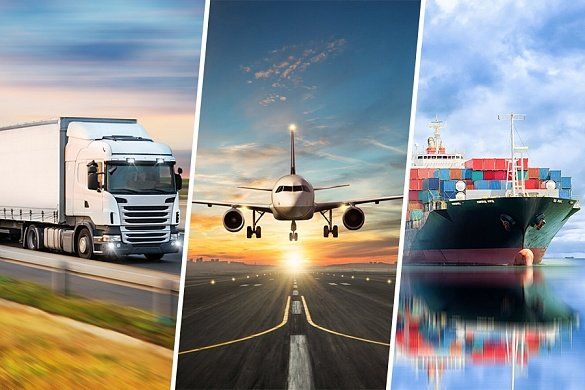
Importers can choose among sea freight, air freight, and courier services. Each method has different advantages depending on cargo type, urgency, and budget.
Method
Avg. Cost
Transit Time
Best Use
Pros
Cons
Sea Freight (FCL/LCL)
$30–$70 per CBM
5–12 days
Bulk shipments
Low cost, large volume
Slower than air
Air Freight
$4–$8 per kg
1–3 days
Urgent cargo
Fast & secure
Higher price
Courier/Express
$6–$10 per kg
3–5 days
Small parcels
Door-to-door
Expensive for bulk
How Much Does It Cost to Ship from China to the Philippines?
Costs vary depending on shipment size and method.
Cargo Type
100kg
500kg
1 CBM
20ft Container
40ft Container
Air Freight
$450–$800
$2,200–$3,800
N/A
N/A
N/A
Sea Freight (LCL)
N/A
N/A
$40–$70
$850–$1,300
$1,500–$2,200
Courier
$600–$1,000
N/A
N/A
N/A
N/A
Why Is Sea Freight Popular for This Route?
Sea freight dominates China to Philippines shipping due to affordability and high capacity. Major routes connect ports like Shanghai, Shenzhen, and Xiamen to Manila, Cebu, and Davao.
How Fast Is Air Freight Between China and the Philippines?
Air freight is ideal for urgent deliveries such as electronics, apparel, and high-value products.
Transit time: 1–3 days from major Chinese airports (Shanghai, Guangzhou, Shenzhen) to Manila or Cebu.
Key benefit: Reduced risk of damage and faster turnover for time-sensitive goods.
Can You Use Courier Services for Small Parcels?
Yes, courier services like DHL, FedEx, and UPS are widely used for e-commerce shipments and small packages. Delivery is typically 3–5 days with tracking and customs clearance included.
What Is the Average Transit Time for China to Philippines Shipping?
Origin (China)
Destination (Philippines)
Sea Freight
Air Freight
Courier
Shanghai
Manila
7–10 days
1–2 days
3–4 days
Shenzhen
Cebu
6–8 days
1–2 days
3–5 days
Xiamen
Davao
8–12 days
2–3 days
4–5 days
Ningbo
Manila
7–9 days
1–2 days
3–4 days
What Documents Are Required for Customs Clearance?
The following are essential for smooth importation:
Document
Purpose
Commercial Invoice
Declares value and terms of sale
Packing List
Provides cargo details
Bill of Lading / Air Waybill
Serves as shipment contract
Import Permit (when applicable)
Authorizes entry of restricted goods
Certificate of Origin
May qualify for tariff reductions
Should You Choose FCL or LCL?
FCL (Full Container Load): Best for shipments filling most of a container. Lower cost per CBM, higher security.
LCL (Less than Container Load): Ideal for small-volume shipments, consolidated with other cargo.
Quick Comparison
Factor
FCL
LCL
Cost per CBM
Lower
Higher
Risk of Damage
Minimal
Higher due to consolidation
Flexibility
Less
More
What Are the Pros and Cons of Shipping Methods?
Method
Pros
Cons
Sea Freight
Affordable, scalable
Slower
Air Freight
Fast, reliable
Expensive
Courier
Convenient, door-to-door
Not cost-effective for bulk
How Do Freight Forwarders Add Value?
Reliable Chinese freight forwarders:
Provide cost-efficient China to Philippines shipping solutions.
Manage customs clearance in both countries.
Offer warehouse and consolidation services.
Track shipments in real time.
Advise on Incoterms and compliance.
Final Thoughts
China to Philippines shipping is fast, cost-effective, and essential for growing trade between the two countries. While sea freight offers the lowest rates for large cargo, air freight ensures rapid delivery for urgent goods, and courier services provide convenience for small parcels. By preparing customs documents carefully and working with reliable freight forwarders, importers can ensure smooth, timely, and affordable logistics solutions.