

Demurrage Prevention for FCL Shipping from China to Belgium
Full Container Load (FCL) shipping from China to Belgium is a cornerstone of global trade, yet it often presents challenges. One significant concern is demurrage, a costly penalty for containers that remain at the port beyond their allotted free time. This guide explores effective strategies for demurrage prevention for FCL shipping from China to Belgium, helping businesses streamline their logistics and reduce unexpected expenses.
Understanding Demurrage and Detention in FCL Shipping
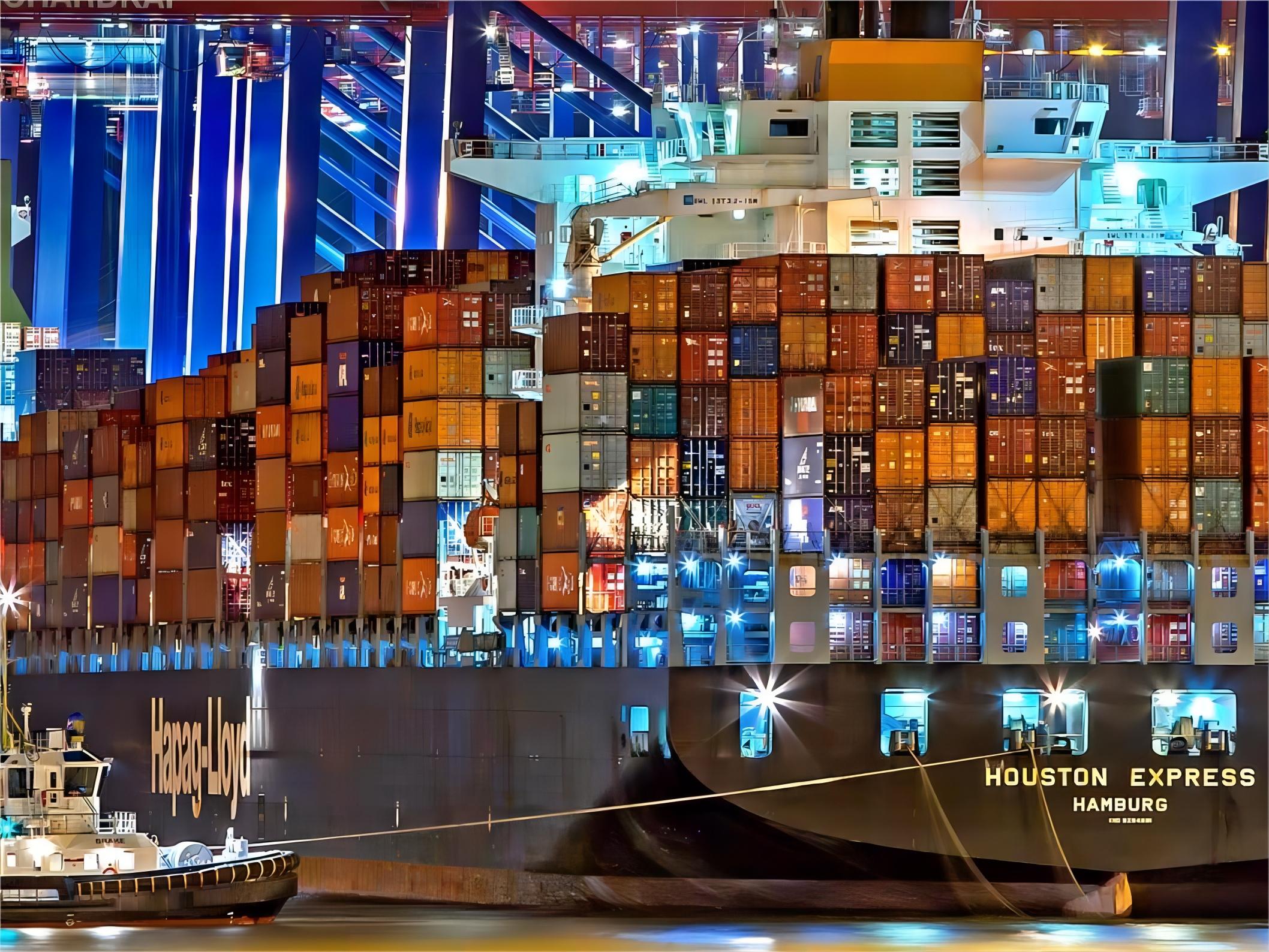
Demurrage refers to charges levied by the shipping line for the extended use of their container within the port terminal beyond the free period. This typically begins once the vessel arrives at the port of discharge. Conversely, detention charges apply when the consignee holds the container outside the port terminal past the free time, delaying its return to the shipping line.
Crucially, these fees can accumulate rapidly, significantly impacting overall sea freight costs. Therefore, understanding the distinction and managing both effectively is vital for businesses engaged in FCL shipping from China to Belgium. Proactive planning is essential to mitigate these potential financial burdens and ensure a smooth supply chain.
Why Demurrage is a Critical Concern for China-Belgium Routes
Belgium, with its major port of Antwerp, is a key entry point for goods into Europe. However, the high volume of cargo and occasional port congestion can lead to significant delays. Consequently, importers often face challenges in clearing customs and transporting containers out of the terminal within the standard free time, typically 3-7 days.
Moreover, unforeseen issues like incomplete documentation, customs inspections, or even local transport bottlenecks can exacerbate the problem. These delays directly translate into higher fees and demurrage, making effective demurrage prevention for FCL shipping from China to Belgium an urgent priority for importers.
Key Strategies for Effective Demurrage Prevention
Successful demurrage prevention hinges on meticulous planning and proactive management across the entire shipping process. Implementing robust strategies can help businesses avoid unexpected shipping expenses and maintain a predictable delivery schedule.
Optimizing Pre-Shipment Planning
Thorough planning begins long before the cargo leaves China. Firstly, ensure all commercial invoices, packing lists, and certificates of origin are accurate and complete. Secondly, confirm the consignee has all necessary import licenses and permits for Belgium well in advance. This meticulous preparation prevents delays at the destination port.
Additionally, negotiate sufficient free time with your shipping line whenever possible. Some carriers offer longer free periods, especially for high-volume clients. Furthermore, consider potential peak seasons or holidays in both China and Belgium that could impact transit and customs clearance times. Planning around these periods can prevent bottlenecks.
Streamlining Documentation and Customs Clearance
Accurate and timely documentation is paramount to avoiding customs delays. All paperwork must precisely match the cargo description and value. Any discrepancies can trigger inspections, leading to significant demurrage charges.
Therefore, engage with experienced customs brokerage services in Belgium. They can pre-clear shipments and advise on specific Belgian import regulations, thus expediting the release of your cargo. Furthermore, utilize digital platforms for document submission to minimize processing times and potential errors. This proactive approach is key to efficient cargo handling.
| Document Type | Purpose | Key Details for Belgium |
|---|---|---|
| Commercial Invoice | Proof of sale, value for customs | Accurate HS codes, Incoterms, currency |
| Packing List | Details of cargo contents | Number of packages, weight, dimensions |
| Bill of Lading (B/L) | Contract of carriage, title to goods | Consignee details, port of discharge |
| Certificate of Origin | Proof of country of manufacture | Required for preferential tariffs, if applicable |
| Import License/Permits | Regulatory compliance | Specific to certain goods (e.g., food, chemicals) |
Enhancing Communication with All Stakeholders
Effective communication throughout the supply chain is a powerful tool for demurrage prevention. Maintain constant contact with your supplier in China, your freight forwarder, the shipping line, and your consignee in Belgium. This ensures everyone is aware of the shipment’s status and any potential issues.
Regular updates on vessel schedules and estimated times of arrival (ETAs) allow the consignee to prepare for cargo reception. Consequently, they can arrange for immediate trucking and door-to-door delivery as soon as the container is available. Proactive communication helps manage expectations and coordinate logistics efficiently.
Leveraging Technology and Data Analytics
Modern logistics platforms offer real-time tracking and predictive analytics, which are invaluable for managing FCL shipments. These tools provide visibility into container movements, helping to anticipate delays and react swiftly. For example, tracking potential port congestion can allow for alternative arrangements.
Furthermore, analyzing historical data on transit times and customs clearance can identify recurring bottlenecks. This data-driven approach enables continuous improvement in your supply chain optimization for China-Belgium FCL. Consider integrating express service for urgent components if unforeseen delays arise, though this is a more costly option.
How Does FCL Shipping Compare to Other Options?
While FCL shipping is often the most cost-effective for large volumes, it is crucial to understand its alternatives. Evaluating these options helps businesses make informed decisions based on their specific needs for speed, cost, and cargo type. This comparison will illustrate when other methods might be more suitable for your import/export operations.
Choosing the right method can significantly impact your overall logistics costs and delivery schedule. Moreover, considering hybrid solutions can offer a balance between speed and economy.
| Shipping Method | Cost Range (40HQ approx.) | Transit Time (China-Belgium) | Best For | Limitations |
|---|---|---|---|---|
| FCL Sea Freight | $3,000 – $4,200 | 28 – 35 days | Large volumes, heavy goods, cost-effectiveness | Slow transit, port congestion risk |
| LCL Sea Freight | $50 – $80 per CBM | 35 – 45 days | Smaller volumes (under 15-20 CBM), flexible | Longer transit, more handling, potential delays |
| Air Freight | $15,000 – $25,000 | 5 – 7 days | Urgent, high-value, perishable goods | Very high cost, volume/weight restrictions |
| Rail Freight (China-Europe) | $10,000 – $15,000 | 18 – 22 days | Time-sensitive, high-value, medium volume | Limited routes, still slower than air, capacity constraints |
Which Option Should You Choose?
Your ideal shipping method depends heavily on your priorities. If budget is your primary concern and you have sufficient volume, FCL sea freight is generally the most economical. Speed-sensitive cargo, however, might necessitate air freight, despite its higher cost. For instance, perishable goods or time-critical components benefit from faster transit.
Consider cargo type: bulky, non-perishable goods are perfect for FCL. Smaller, high-value items or samples might be better suited for LCL or even air freight. Volume thresholds are critical; typically, shipments over 15-20 CBM justify FCL. For smaller volumes, LCL can be more cost-effective. Always weigh the trade-offs between freight rates, transit time, and reliability.
Real-World Examples: Successfully Avoiding Demurrage
Understanding theoretical strategies is one thing; seeing them applied in practice is another. These case studies illustrate how businesses successfully managed their FCL shipments from China to Belgium, navigating potential pitfalls and ensuring timely delivery. They highlight the importance of meticulous planning and robust execution.
Case Study 1: Electronics Importer to Antwerp
This client, importing consumer electronics, faced tight market deadlines. They prioritized pre-clearance and rapid customs processing to avoid any delays at the port of Antwerp. Their proactive approach minimized unexpected shipping expenses.
| Detail | Description | ||||
|---|---|---|---|---|---|
| Route | Shenzhen, China -> Antwerp, Belgium | ||||
| Cargo | Consumer Electronics, 60 CBM, 15,000 kg | ||||
| Container | 1 x 40HQ | ||||
| Shipping Details | Carrier: COSCO, Port of Loading: Shenzhen, Port of Discharge: Antwerp, Route Type: Direct | ||||
| Cost Breakdown | Ocean Freight: $3,500 | Origin Charges: $450 | Destination Charges: $550 | Customs & Duties (estimated): $1,200 | Total Landed Cost: $5,700 (Based on Q3 2024 market rates) |
| Timeline | Booking to Loading: 5 days | Sea Transit: 30 days | Customs Clearance: 1 day | Total Door-to-Door: 36 days | |
| Key Insight | Pre-arranged customs clearance and immediate truck dispatch upon vessel arrival ensured no demurrage was incurred. The focus on documentation accuracy was paramount. |
Case Study 2: Textile Distributor to Zeebrugge
A textile distributor aimed for cost-effective FCL solutions while managing seasonal inventory. They negotiated extended free time with the carrier and leveraged real-time tracking to anticipate and mitigate potential delays effectively. This strategy helped them avoid costly container detention fees Belgium.
| Detail | Description | ||||
|---|---|---|---|---|---|
| Route | Ningbo, China -> Zeebrugge, Belgium | ||||
| Cargo | Textiles and Apparel, 30 CBM, 8,000 kg | ||||
| Container | 1 x 20GP | ||||
| Shipping Details | Carrier: MSC, Port of Loading: Ningbo, Port of Discharge: Zeebrugge, Route Type: Transshipment via Colombo | ||||
| Cost Breakdown | Ocean Freight: $2,200 | Origin Charges: $380 | Destination Charges: $480 | Customs & Duties (estimated): $800 | Total Landed Cost: $3,860 (Typical rates as of early 2025) |
| Timeline | Booking to Loading: 7 days | Sea Transit: 38 days | Customs Clearance: 2 days | Total Door-to-Door: 47 days | |
| Key Insight | Negotiating 10 days free time at destination and having a dedicated logistics team manage documentation ensured smooth clearance despite a longer transit time. This prevented any demurrage charges. |
Case Study 3: Industrial Parts Manufacturer to Genk
This manufacturer required critical parts for a production line, making transit time and reliability crucial. They opted for a direct service and maintained open communication channels with all partners, ensuring a swift turnaround at the port. Their proactive approach minimized unexpected shipping expenses.
| Detail | Description | ||||
|---|---|---|---|---|---|
| Route | Shanghai, China -> Antwerp, Belgium (final delivery Genk) | ||||
| Cargo | Industrial Machinery Parts, 68 CBM, 22,000 kg | ||||
| Container | 1 x 40HQ | ||||
| Shipping Details | Carrier: Maersk, Port of Loading: Shanghai, Port of Discharge: Antwerp, Route Type: Direct | ||||
| Cost Breakdown | Ocean Freight: $4,000 | Origin Charges: $500 | Destination Charges: $600 | Customs & Duties (estimated): $1,500 | Total Landed Cost: $6,600 (Market data suggests Q1 2025 rates) |
| Timeline | Booking to Loading: 6 days | Sea Transit: 29 days | Customs Clearance: 1 day | Total Door-to-Door: 36 days | |
| Key Insight | Leveraging a direct service and a highly organized internal logistics team ensured immediate pickup from the port. This proactive management was essential for maintaining production schedules and avoiding demurrage. |
Market Insights and Trends Affecting Freight from China to Belgium
The global shipping landscape is constantly evolving, with several factors influencing freight rates and transit times from China to Belgium. Staying informed about these trends is crucial for effective supply chain management. For instance, geopolitical events and economic shifts can significantly impact logistics trends.
As of Q1 2025, freight rates from China to Europe have stabilized after the 2024 Red Sea disruptions, but capacity remains a key concern. Consequently, booking well in advance is highly recommended. Furthermore, rates typically increase 15-25% during the August-October peak season, emphasizing the need for strategic planning to manage shipping costs.
Note: Freight rates are subject to change based on fuel costs, carrier capacity, and seasonal demand. Contact us for a current quote tailored to your specific shipment.
Partnering with a Reliable Freight Forwarder for Demurrage Prevention
Choosing the right freight forwarder is perhaps the most impactful decision for demurrage prevention. A reputable partner possesses the expertise and network to navigate complex international shipping regulations and port operations. They can proactively identify potential roadblocks and offer solutions.
A good freight forwarder will offer comprehensive services, including customs brokerage, real-time tracking, and efficient cargo handling at both origin and destination. They can also advise on optimal delivery schedule strategies and help you manage your overall logistics trends. This partnership is invaluable for successful shipping from China to Europe.
Conclusion: Master Demurrage Prevention for FCL Shipping
Effectively managing FCL shipping from China to Belgium requires a multifaceted approach, focusing on meticulous planning, streamlined documentation, and robust communication. By implementing the strategies outlined, businesses can significantly reduce their exposure to demurrage and detention charges. Ultimately, a proactive stance, coupled with a reliable logistics partner, is the key to successful door-to-door delivery and overall supply chain efficiency. Prioritizing demurrage prevention for FCL shipping from China to Belgium safeguards your budget and enhances your competitive edge.
Get Your Shipping Quote Today
Ready to optimize your FCL shipments and eliminate costly demurrage charges? Contact China Top Freight today for a personalized quote and expert advice on demurrage prevention for FCL shipping from China to Belgium. Let us help you achieve seamless and cost-effective logistics.
Request Quote