

FCL Shipping China to Belgium: Your Comprehensive Guide
Navigating the complexities of international logistics can be challenging, especially when dealing with Full Container Load (FCL) shipping from China to Belgium. Businesses often seek efficient, cost-effective solutions to move large volumes of goods across continents. This comprehensive guide from China Top Freight provides essential insights into optimizing your supply chain for this vital route. We aim to simplify the entire process for you.
What is FCL Shipping from China to Belgium?
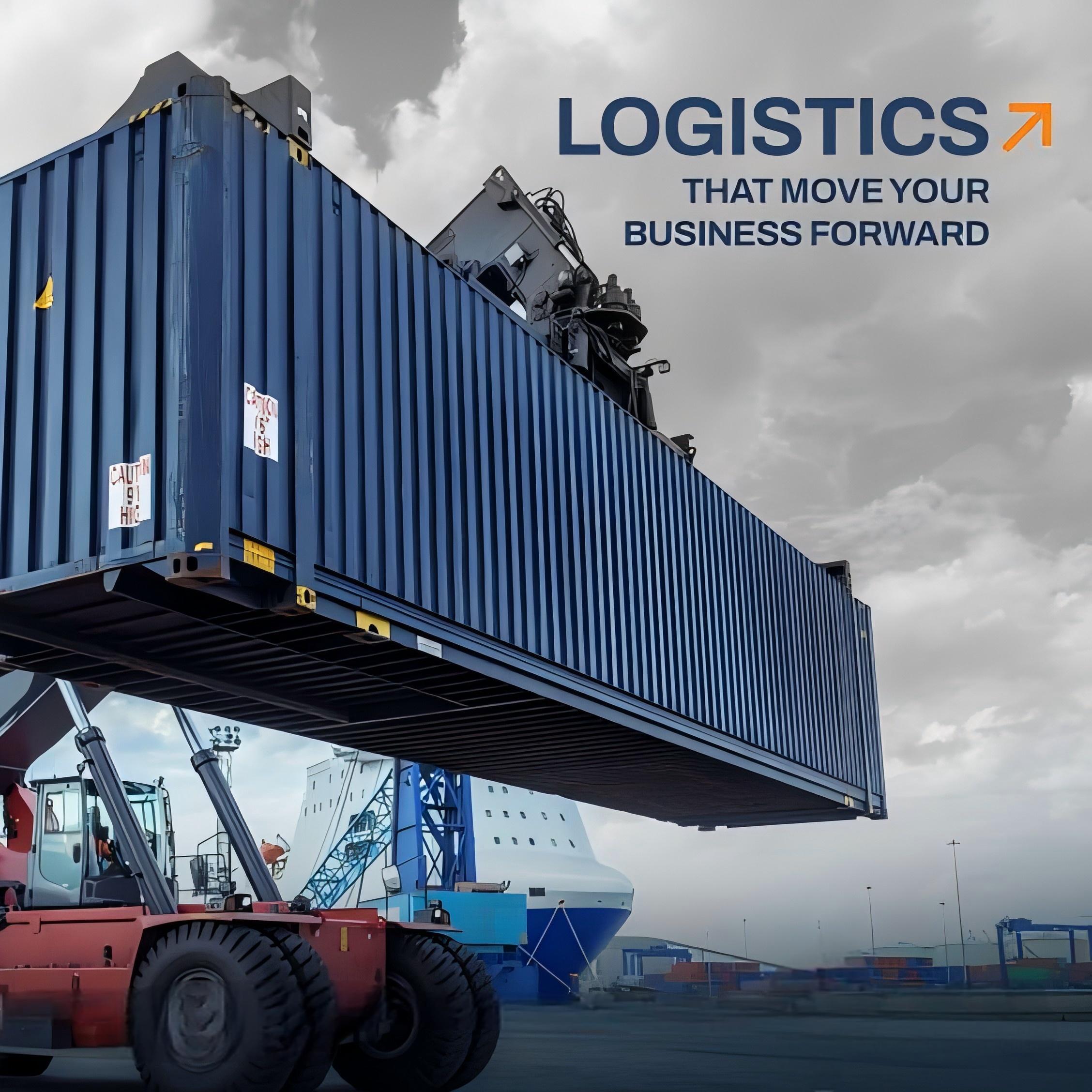
FCL shipping, or Full Container Load, involves reserving an entire shipping container for your cargo, regardless of whether it fills the container completely. This method is often preferred for larger shipments, offering dedicated space and reduced handling.
Consequently, FCL shipments typically experience faster transit times and lower risks of damage compared to Less than Container Load (LCL) options. This is because your goods are not consolidated with other shippers’ items.
When considering FCL shipping China to Belgium, you essentially lease a 20-foot or 40-foot container for your exclusive use. This ensures greater control over your cargo and its journey.
Moreover, this dedicated approach simplifies inventory management and streamlines the shipping process from origin to destination. Many businesses find this method highly efficient for their supply chain needs.
Why Choose FCL for Your China to Belgium Shipments?
Choosing FCL shipping for your China to Belgium route offers several distinct advantages. Firstly, it provides enhanced security for your goods since the container is sealed at the origin and typically remains unopened until it reaches its final destination.
Secondly, FCL often proves more cost-effective for larger volumes. While the initial per-container cost might seem higher than LCL, the per-unit cost significantly decreases when your cargo fills a substantial portion of the container.
Furthermore, transit times are generally more predictable with FCL. There are no delays associated with consolidating multiple shipments or deconsolidating at various ports. This predictability is crucial for tight delivery schedules.
Ultimately, FCL shipping reduces the risk of damage or loss because your items are not handled multiple times during loading and unloading with other cargo. This direct approach safeguards your products throughout the journey.
Understanding FCL Shipping Costs from China to Belgium
The cost of FCL shipping from China to Belgium is influenced by numerous factors. These include the type and size of the container (20GP, 40GP, 40HQ), the specific port of loading in China, and the port of discharge in Belgium.
Additionally, current market conditions, fuel surcharges, and peak season demand play a significant role in fluctuating freight rates. Typically, rates are higher during busy periods like before Chinese New Year or the holiday season.
Beyond the base ocean freight, you must account for various surcharges. These often include Terminal Handling Charges (THC) at both origin and destination, documentation fees, and potentially customs clearance charges.
Therefore, obtaining a detailed quote that itemizes all potential costs is essential for accurate budget planning. Always inquire about all-inclusive pricing to avoid unexpected expenses. For reliable sea freight solutions, consider our services.
Note: Freight rates are subject to change based on fuel costs, carrier capacity, and seasonal demand. Contact us for a current quote tailored to your specific shipment.
| Container Type | Typical Cost Range (USD) | Estimated Transit Time (Days) | Best For |
|---|---|---|---|
| 20GP (General Purpose) | $1,800 – $2,500 | 28 – 35 | Smaller heavy cargo, up to 28 CBM |
| 40GP (General Purpose) | $2,800 – $3,800 | 28 – 35 | Larger volume, lighter cargo, up to 58 CBM |
| 40HQ (High Cube) | $3,000 – $4,200 | 28 – 35 | Bulky, lightweight cargo, up to 68 CBM |
Key Ports and Transit Times for China to Belgium FCL Shipping
Several major ports in China serve as crucial gateways for FCL shipping to Belgium. Key loading ports include Shanghai, Ningbo, Shenzhen, Guangzhou, and Qingdao. Each offers extensive connections and infrastructure.
Upon arrival in Belgium, the Port of Antwerp-Bruges stands as the primary destination. It is one of Europe’s largest and busiest ports, boasting excellent connectivity to the European hinterland via road, rail, and inland waterways.
The typical transit time for FCL shipping China to Belgium via direct routes ranges from 28 to 35 days. However, this duration can vary based on the specific carrier, vessel schedule, and any potential port congestion.
Transshipment routes, while sometimes offering lower rates, can extend transit times by an additional 5-10 days. Therefore, it is important to balance cost savings with your delivery schedule requirements. Our door-to-door service can manage these complexities.
Customs Clearance and Documentation for Belgium Imports from China
Efficient customs clearance is paramount for seamless FCL shipping from China to Belgium. Importers must ensure all necessary documentation is accurate and submitted promptly to avoid delays and penalties.
Key documents typically include the Commercial Invoice, Packing List, Bill of Lading (B/L), Certificate of Origin, and potentially product-specific licenses or permits. Inaccuracies can lead to significant hold-ups.
Belgium, as an EU member state, adheres to EU customs regulations. Therefore, understanding VAT, import duties, and specific product compliance standards is crucial for a smooth process.
Working with an experienced freight forwarder or a dedicated customs brokerage service can greatly simplify this complex aspect. They can guide you through the requirements and ensure compliance. This is vital for importing goods from China to Belgium.
| Document | Purpose | Key Information Required |
|---|---|---|
| Commercial Invoice | Proof of sale, customs valuation | Shipper/Consignee details, product description, value, Incoterms |
| Packing List | Details of cargo contents | Number of packages, weight, dimensions, container number |
| Bill of Lading (B/L) | Contract of carriage, title to goods | Shipper/Consignee, carrier, ports, cargo description, container details |
| Certificate of Origin | Confirms country of manufacture | Origin country, product description, relevant trade agreements |
How Does FCL Shipping Compare to Other Shipping Options?
When planning your logistics from China to Belgium, it is essential to compare FCL with other available shipping methods. Each option presents unique advantages and disadvantages concerning cost, speed, and cargo suitability.
Understanding these differences allows businesses to make informed decisions that align with their budget, delivery timelines, and product requirements. Moreover, hybrid solutions can sometimes offer the best of both worlds.
For instance, while FCL is ideal for large volumes, smaller shipments might benefit from other modes. Conversely, urgent deliveries necessitate faster, albeit more expensive, alternatives. We offer comprehensive solutions including air freight for time-sensitive cargo.
Comparison Table: China to Belgium Shipping Methods
This table provides a quick overview of the main shipping options available for transporting goods from China to Belgium. It highlights the key trade-offs between speed and cost.
Ultimately, the best choice depends on your specific business needs and shipment characteristics. Consider your inventory management and supply chain velocity.
| Shipping Method | Cost Range (USD/kg or per container) | Transit Time (Days) | Best For |
|---|---|---|---|
| FCL Sea Freight | $1,800 – $4,200 per container | 28 – 35 | Large volumes, non-urgent, cost-effective |
| LCL Sea Freight | $50 – $120 per CBM | 35 – 45 | Small to medium volumes, cost-effective, flexible |
| Air Freight | $4 – $8 per kg | 3 – 7 | Urgent, high-value, small to medium volumes |
| Rail Freight | $0.8 – $1.5 per kg | 18 – 25 | Medium urgency, environmentally friendly, specific routes |
Which Option Should You Choose?
Your choice of shipping method should be guided by specific criteria. If budget is your primary concern and you have ample lead time, FCL sea freight is typically the most economical option for large shipments.
Conversely, if speed is paramount, particularly for high-value or time-sensitive goods, air freight offers the fastest delivery, albeit at a significantly higher cost. This option minimizes stock-out risks.
For cargo volumes under 15 CBM, LCL sea freight might be more economical than a full container. However, it comes with longer transit times due to consolidation processes.
Rail freight presents a balanced alternative, offering a good compromise between speed and cost, especially for routes connecting China to Europe. This method is increasingly popular for its efficiency and lower carbon footprint. This is a strong consideration for FCL shipping China to Belgium.
Consider hybrid solutions like sea-air for a balance of cost and speed, where cargo travels by sea to a hub (e.g., Dubai) then by air to Belgium. This can cut transit time compared to all-sea, without the full cost of all-air.
Optimizing Your FCL Shipping China to Belgium Supply Chain
Optimizing your FCL shipping from China to Belgium involves several strategic considerations. Effective planning can lead to significant cost savings and improved efficiency throughout your supply chain.
Firstly, consolidate your orders to maximize container utilization. Filling a container fully ensures you are getting the most value for your FCL investment, reducing the per-unit shipping cost.
Secondly, strategic port selection can impact both transit times and costs. Choosing a port closer to your supplier in China and a well-connected port in Belgium can streamline inland transportation.
Furthermore, consider the timing of your shipments. Avoiding peak seasons, if possible, can help secure better rates and reduce the risk of delays. Peak season rates typically increase 15-25% during August-October.
Finally, partner with a reliable freight forwarder like China Top Freight. Their expertise in managing logistics, customs, and potential challenges is invaluable for a smooth shipping experience. This is crucial for managing your FCL shipping China to Belgium.
Real-World FCL Shipping Scenarios: China to Belgium
Examining real-world examples helps illustrate the practical aspects and potential challenges of FCL shipping from China to Belgium. These case studies highlight various factors influencing successful deliveries.
Based on Q3 2024 market rates, these scenarios provide realistic insights into costs, transit times, and operational considerations. They demonstrate the importance of meticulous planning and expert execution.
Case Study 1: Consumer Electronics Importer
This importer needed to replenish stock of consumer electronics for the upcoming holiday season, prioritizing a balance of cost and reasonable transit time.
The cargo was consolidated from multiple factories around Shenzhen, requiring careful coordination and timely loading to meet the vessel schedule.
| Detail | Description |
|---|---|
| Route | Shenzhen, China -> Antwerp-Bruges, Belgium |
| Cargo | Smart home devices, 65 CBM, 9,500 kg |
| Container | 1 x 40HQ |
| Carrier/Service | COSCO (Major carrier) |
| Port of Loading | Yantian, Shenzhen |
| Port of Discharge | Antwerp-Bruges |
| Route Type | Direct service |
| Ocean Freight | $3,850 |
| Origin Charges (THC, documentation) | $380 |
| Destination Charges | $450 |
| Customs & Duties (estimated) | $1,200 |
| Total Landed Cost | $5,880 |
| Booking to Loading | 5 days |
| Sea Transit | 30 days |
| Customs Clearance | 3 days |
| Total Door-to-Door | 38 days |
| Key Insight | Early booking during peak season secured competitive rates and vessel space. |
Case Study 2: Industrial Machinery Components Supplier
A Belgian manufacturer required a regular supply of heavy industrial components to maintain production lines. Reliability and consistent delivery were critical.
The cargo’s weight and dimensions necessitated careful container loading and securing, emphasizing the importance of professional cargo handling.
Typical rates as of early 2025 indicated a slight stabilization after previous market volatility.
| Detail | Description |
|---|---|
| Route | Ningbo, China -> Antwerp-Bruges, Belgium |
| Cargo | Heavy machinery parts, 25 CBM, 25,000 kg |
| Container | 1 x 20GP |
| Carrier/Service | MSC (Major carrier) |
| Port of Loading | Ningbo |
| Port of Discharge | Antwerp-Bruges |
| Route Type | Direct service |
| Ocean Freight | $2,300 |
| Origin Charges (THC, documentation) | $320 |
| Destination Charges | $400 |
| Customs & Duties (estimated) | $850 |
| Total Landed Cost | $3,870 |
| Booking to Loading | 7 days |
| Sea Transit | 32 days |
| Customs Clearance | 4 days |
| Total Door-to-Door | 43 days (incl. inland transit to factory) |
| Key Insight | Consistent volume allowed for favorable contract rates with the carrier, ensuring supply chain stability. |
Case Study 3: Furniture Wholesaler
A furniture wholesaler needed to import bulky but relatively light furniture pieces. Maximizing container space was crucial for cost efficiency.
The shipment faced minor delays due to port congestion at the origin, highlighting the need for flexible scheduling and proactive communication.
Market data suggests that container capacity utilization for this route remains high, influencing rate stability.
| Detail | Description |
|---|---|
| Route | Qingdao, China -> Antwerp-Bruges, Belgium |
| Cargo | Flat-pack furniture, 68 CBM, 10,000 kg |
| Container | 1 x 40HQ |
| Carrier/Service | Maersk (Major carrier) |
| Port of Loading | Qingdao |
| Port of Discharge | Antwerp-Bruges |
| Route Type | Direct service |
| Ocean Freight | $3,950 |
| Origin Charges (THC, documentation) | $400 |
| Destination Charges | $480 |
| Customs & Duties (estimated) | $1,500 |
| Total Landed Cost | $6,330 |
| Booking to Loading | 6 days |
| Sea Transit | 31 days |
| Customs Clearance | 3 days |
| Total Door-to-Door | 40 days |
| Key Insight | Utilizing a 40HQ container effectively minimized per-unit shipping costs for bulky goods, despite minor port congestion issues. |

Conclusion: Master Your FCL Shipping China to Belgium Strategy
Mastering FCL shipping from China to Belgium requires a thorough understanding of costs, transit times, customs procedures, and market dynamics. By choosing the right container, optimizing your supply chain, and partnering with experienced professionals, you can ensure efficient and reliable delivery of your goods.
The benefits of FCL, including enhanced security and cost-effectiveness for large volumes, make it an indispensable choice for many businesses. Ultimately, a well-executed FCL strategy is key to maintaining a competitive edge in international trade.
Therefore, leveraging expert guidance is crucial for navigating this complex route successfully. We are committed to providing seamless and transparent FCL shipping China to Belgium services.
Ready to streamline your logistics?
Ready to streamline your FCL shipping from China to Belgium? Contact our expert team today for a personalized quote and discover how we can optimize your logistics. We are here to help you navigate the complexities and ensure your cargo arrives safely and on time.
Request Quote