

Open Top FCL Container Shortage Solution for Solar Panels from China to France
Securing an Open Top FCL container for solar panels from China to France can be a complex challenge. The demand for renewable energy equipment continues to surge, often leading to specialized container shortages. However, effective logistics strategies are available to ensure your valuable cargo reaches its destination efficiently. Learn more at China Top Freight.

Understanding the Open Top FCL Container Challenge for Solar Panels
Shipping solar panels, especially large or fragile modules, often requires specialized containers. An Open Top FCL (Full Container Load) container is frequently the ideal choice. This is primarily because it allows for top loading of oversized or heavy items.
However, the global logistics landscape has seen fluctuating availability of these specialized units. This scarcity can significantly impact project timelines and overall shipping costs. Consequently, finding a reliable solution becomes paramount for businesses importing solar equipment.
The journey from China to France involves a long sea route, requiring robust planning. Therefore, understanding the specific challenges of this route is the first step towards a successful shipment. Moreover, navigating port congestion and customs procedures adds another layer of complexity.
Furthermore, the increasing global demand for solar energy intensifies the pressure on container availability. This makes proactive planning and strategic partnerships essential for securing the necessary equipment. Ultimately, a well-thought-out approach minimizes risks and delays for your solar panel imports.
Why Open Top Containers Are Crucial for Solar Panel Shipments
Solar panels are typically large and delicate, posing unique handling challenges. Standard closed containers, such as 20GP or 40HQ, often cannot accommodate their dimensions. Thus, an Open Top FCL container provides the necessary flexibility.
These containers feature a removable tarpaulin roof instead of a solid one. This design allows for overhead loading of panels using cranes. Consequently, it minimizes the risk of damage during the loading and unloading processes.
In addition, the height of solar panel stacks can exceed the internal clearance of standard containers. Open tops eliminate this constraint, accommodating taller cargo profiles. This flexibility is vital for maximizing container space and reducing the number of shipments.
Moreover, the secure lashing points within an Open Top container are crucial for preventing movement during transit. This ensures the panels remain stable across the long voyage from China to France. Ultimately, choosing the correct container type directly impacts the safety and integrity of your shipment.
Navigating the Open Top FCL Container Shortage from China to France
The scarcity of Open Top FCL containers can disrupt supply chains and delay renewable energy projects. This shortage is influenced by various factors, including global trade imbalances and port congestion. Therefore, anticipating and mitigating these issues is key.
One primary strategy involves booking well in advance. Early reservations significantly increase your chances of securing the required equipment. Furthermore, flexibility with shipping dates can also provide more options during peak demand periods.
Another effective approach is to work with freight forwarders who have established relationships with multiple carriers. Such partnerships often grant access to a broader network of container pools. This can be particularly beneficial for specialized equipment like Open Top containers.
Additionally, exploring alternative loading methods or slightly different container types might be necessary. Sometimes, a flat rack container could serve as an alternative for certain panel dimensions. However, this requires careful assessment of cargo protection and securing methods.
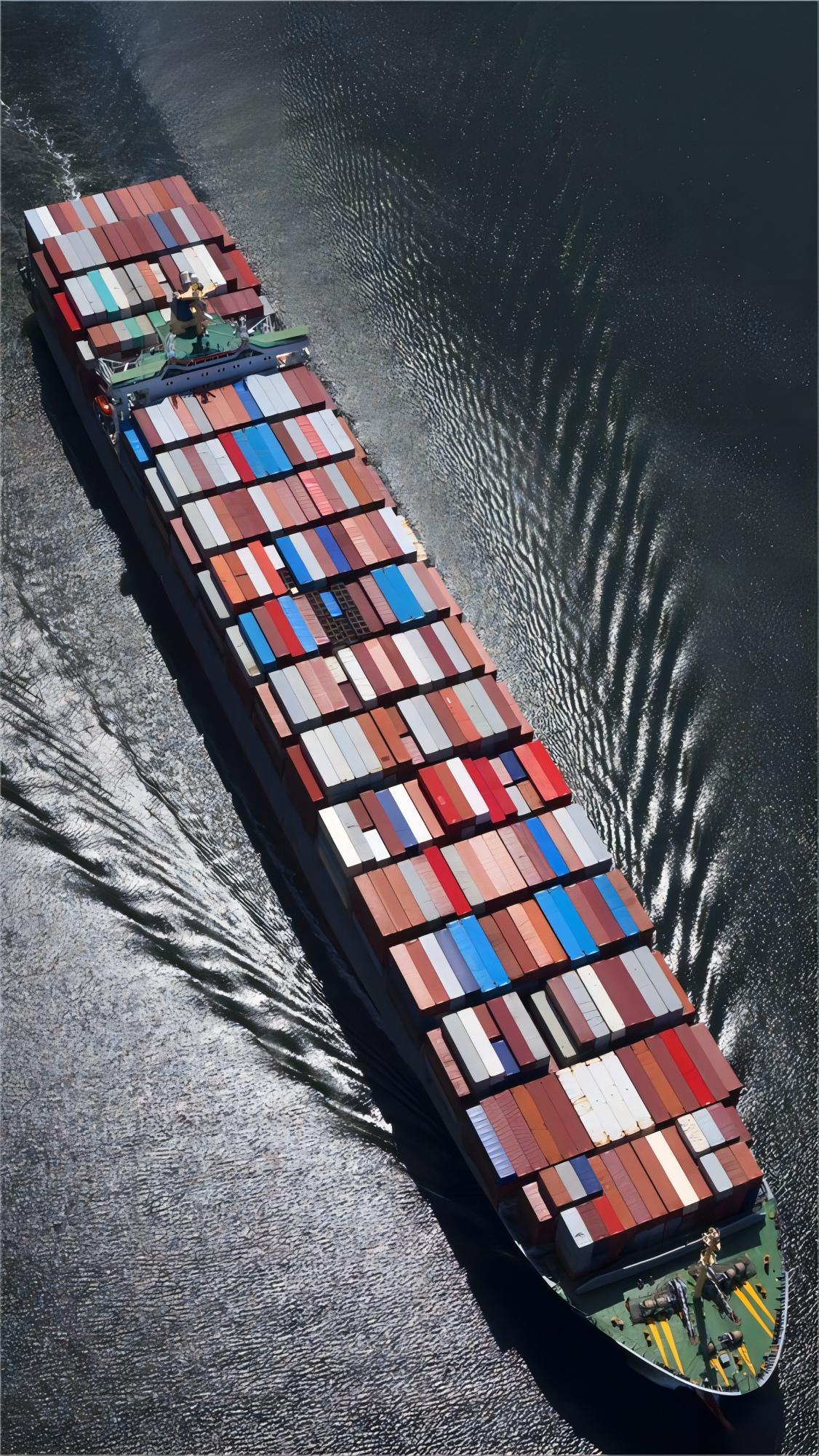
Strategic Solutions for Securing Open Top FCL Containers
Proactive engagement with experienced freight forwarders is indispensable. They possess the market insights and network to navigate container shortages effectively. Indeed, their expertise can make a significant difference in securing your shipment space.
Consider leveraging a freight forwarder’s consolidated buying power. Larger logistics providers often have preferential access to specialized equipment from shipping lines. This can translate into better availability and potentially more competitive rates for your Open Top FCL needs.
Furthermore, inquire about dedicated equipment pools or guaranteed space programs. Some carriers offer premium services that prioritize specialized container allocation for their key clients. While potentially more expensive, these options ensure reliability during critical periods.
Exploring different ports of loading in China can also yield positive results. Sometimes, one port might have better Open Top container availability than another. Similarly, flexibility with the port of discharge in France could open up more options. For comprehensive customs brokerage, professional guidance is crucial.
Finally, always maintain open communication with your logistics partner regarding your specific requirements and timelines. This transparency allows them to anticipate challenges and propose suitable solutions proactively. For example, they might suggest specific carriers known for their Open Top container fleet.
Additionally, investigating potential transshipment options through major hubs might sometimes improve container access. Although this adds transit time, it can be a viable workaround during severe shortages. This strategy requires meticulous planning and coordination, however.
Ultimately, a multi-faceted approach, combining early booking, strong partnerships, and flexibility, will best address the Open Top FCL container shortage. This ensures your solar panels reach France without undue delay. Therefore, choose a partner adept at managing complex logistics.
Optimizing Your Supply Chain for Solar Panel Imports
An optimized supply chain is critical for the efficient import of solar panels. This involves more than just securing a container; it encompasses the entire journey. From factory gate to final delivery, every step matters. Door to door service simplifies this process significantly.
Firstly, focus on robust origin logistics. This includes efficient warehousing, precise labeling, and secure loading procedures in China. A smooth start prevents downstream complications and delays. Moreover, proper documentation is essential from the outset.
Secondly, scrutinize your chosen shipping route and carrier. Evaluate their track record for specialized cargo and their capacity on the China-France lane. Reliable carriers minimize transit risks and ensure timely arrivals. Sea freight is the primary mode for such large shipments.
Thirdly, streamline customs clearance processes in France. Pre-filing documents and working with experienced customs brokers can prevent costly hold-ups. Understanding EU import regulations for solar panels is absolutely crucial. This proactive approach accelerates release at the port.
Furthermore, consider advanced tracking and visibility solutions. Real-time updates on your shipment’s status allow for better planning and responsiveness. This transparency is invaluable for managing expectations and reacting to unforeseen events. Consequently, you maintain control over your inventory.
Lastly, establish strong relationships with all stakeholders in your supply chain. This includes suppliers, carriers, and local delivery partners. Collaborative efforts lead to greater efficiency and resilience against disruptions. Indeed, strong partnerships are the backbone of a successful supply chain.
Implementing these strategies contributes to a more resilient and cost-effective supply chain. Ultimately, this ensures a steady flow of solar panels to meet renewable energy demands in France. Therefore, invest in comprehensive logistics planning.
How Does FCL Shipping Compare to Other Options for Solar Panels?
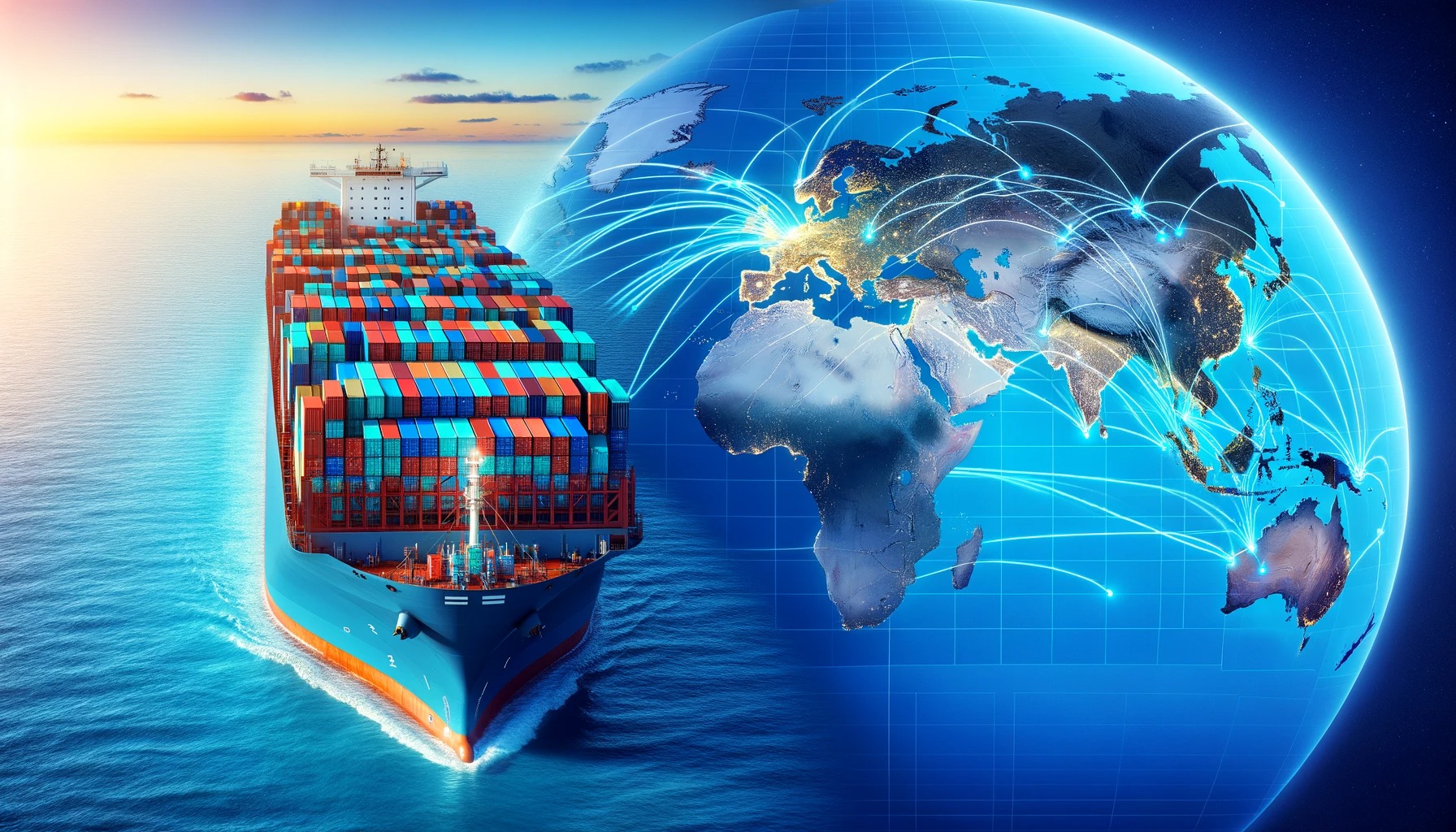
When shipping solar panels from China to France, several transportation methods exist, each with distinct advantages and disadvantages. Full Container Load (FCL) sea freight is typically the go-to option. However, understanding alternatives is important.
Air freight, for instance, offers unparalleled speed but at a significantly higher cost. It is generally reserved for urgent, high-value, or smaller volume shipments. For solar panels, air freight is rarely economically viable due to their size and weight.
Rail freight, an increasingly popular option for China-Europe routes, provides a middle ground in terms of cost and speed. However, its suitability for oversized cargo like solar panels in Open Top containers can be limited. Specialized railcars might be needed, which can also face availability issues. Rail freight offers a good balance for general cargo.
Less than Container Load (LCL) sea freight is an option for smaller batches of solar panels. However, it involves consolidation and deconsolidation, which can increase handling risks for fragile items. Moreover, transit times can be longer and less predictable compared to FCL.
The decision framework for choosing a shipping method largely depends on your priorities. Budget, urgency, cargo volume, and fragility all play a role. Therefore, a careful assessment of these factors is essential.
For oversized solar panels requiring an Open Top FCL container, sea freight remains the most practical and cost-effective solution. This method balances transit time with affordability. However, it demands meticulous planning and execution.
Ultimately, the best choice aligns with your specific project requirements and supply chain objectives. Consulting with a logistics expert can help clarify the optimal path. They can provide tailored advice based on current market conditions.
Here’s a comparison of common shipping methods from China to France:
| Shipping Method | Cost Range (per 40′ container equivalent) | Transit Time (China to France) | Best For | Limitations |
|---|---|---|---|---|
| FCL Sea Freight (Open Top) | $3,500 – $6,000 | 30-40 days | Large, heavy, oversized solar panel shipments; cost-effective | Slower transit, potential container shortages |
| LCL Sea Freight | $150 – $250 per CBM | 35-50 days | Smaller batches of solar panels (under 15 CBM) | Increased handling risk, longer transit, less predictable schedule |
| Rail Freight | $8,000 – $12,000 | 18-25 days | Time-sensitive, medium-volume cargo; often for standard containers | Limited capacity for oversized (Open Top) cargo, specific rail routes |
| Air Freight | $15,000 – $25,000+ | 5-7 days | Urgent, high-value, small volume components; not typically for full panels | Extremely high cost, strict size/weight limits, not viable for bulk solar panels |
Real-World Case Studies: Successful Solar Panel Shipments
Understanding how others have successfully navigated these challenges provides valuable insights. These case studies highlight practical solutions and key considerations. They demonstrate effective strategies for securing Open Top FCL containers.
These examples also showcase the importance of experienced freight forwarding partners. Each scenario presents unique challenges and tailored solutions. Ultimately, they offer a glimpse into efficient logistics management.
Case Study 1: Large-Scale Solar Farm Project
This project required a consistent supply of large solar modules for a new farm in Southern France. The challenge was securing multiple Open Top FCL containers during a peak season. Proactive booking and carrier relationships were key.
| Detail | Description |
|---|---|
| Route | Shanghai, China -> Fos-sur-Mer, France |
| Cargo | 5000 units of 2.2m x 1.1m Solar Panels, 800 CBM, 120,000 kg |
| Container | 20 x 40′ Open Top FCL |
| Shipping Details | Carrier: COSCO, Port of Loading: Shanghai, Port of Discharge: Fos-sur-Mer, Route Type: Direct |
| Cost Breakdown (per 40′ OT) | Ocean Freight: $4,800, Origin Charges: $450, Destination Charges: $500, Customs & Duties (estimated): $1,500, Total Landed Cost: $7,250 |
| Timeline (per shipment) | Booking to Loading: 10 days, Sea Transit: 32 days, Customs Clearance: 3 days, Total Door-to-Door: 40 days |
| Key Insight | Early booking (2 months prior) and strong relationship with a major carrier secured container availability. Flexible delivery schedule allowed for staggered shipments. Based on Q3 2024 market rates. |
Case Study 2: Urgent Replacement Panels for Existing Installation
A critical need for replacement panels arose for an ongoing solar installation in Northern France. Speed was a major factor, but cost-effectiveness remained important. A balance between ocean and potential rail options was considered.
| Detail | Description |
|---|---|
| Route | Ningbo, China -> Le Havre, France |
| Cargo | 150 units of 2.0m x 1.0m Solar Panels, 25 CBM, 3,750 kg |
| Container | 1 x 20′ Open Top FCL |
| Shipping Details | Carrier: Maersk, Port of Loading: Ningbo, Port of Discharge: Le Havre, Route Type: Direct |
| Cost Breakdown (per 20′ OT) | Ocean Freight: $3,200, Origin Charges: $350, Destination Charges: $400, Customs & Duties (estimated): $500, Total Landed Cost: $4,450 |
| Timeline (per shipment) | Booking to Loading: 7 days, Sea Transit: 35 days, Customs Clearance: 2 days, Total Door-to-Door: 45 days |
| Key Insight | Priority booking with a reliable forwarder, despite higher rates, ensured timely departure. Alternative consideration of rail was too costly for the single Open Top requirement. Typical rates as of early 2025. |
Case Study 3: Hybrid Solution for Project Components
This client needed not only solar panels but also smaller, critical components for a project. A hybrid strategy was employed to optimize both cost and speed for different parts of the shipment. This involved combining sea and express services.
| Detail | Description |
|---|---|
| Route | Shenzhen, China -> Marseille, France |
| Cargo | Solar Panels (1×40′ Open Top FCL), Inverters & Small Parts (5 CBM, 1000 kg) |
| Container | 1 x 40′ Open Top FCL for panels; Air Cargo for inverters |
| Shipping Details | Carrier: CMA CGM (sea), DHL (air), Port of Loading: Shenzhen, Port of Discharge: Marseille, Route Type: Direct (sea), Express (air) |
| Cost Breakdown | Ocean Freight (40′ OT): $5,500, Air Freight (5CBM): $3,500, Origin Charges: $600, Destination Charges: $800, Customs & Duties (estimated): $2,000, Total Landed Cost: $12,400 |
| Timeline | Sea Panels: 38 days, Air Inverters: 6 days, Total Project Delivery: Staggered |
| Key Insight | Utilizing express service for critical components while using sea for bulk panels optimized overall project timeline and cost. This hybrid approach mitigated the Open Top shortage for the main cargo. Based on Q1 2025 market conditions. |
Market Insights and Future Trends in Solar Panel Logistics
The global solar energy market is expanding rapidly, driving demand for efficient logistics solutions. This growth directly impacts freight rates and container availability. Consequently, staying informed about market trends is paramount.
As of Q1 2025, freight rates from China to Europe have stabilized somewhat after the 2024 Red Sea disruptions. However, geopolitical events can still introduce volatility. Therefore, agility in logistics planning remains crucial for managing shipping costs.
Industry average for this route indicates a continued preference for sea freight for solar panels due to cost-effectiveness. However, increased pressure on specialized equipment like Open Top containers is expected. This means planning further ahead.
Peak seasons, typically from August to October, often see rates increase by 15-25%. This is due to heightened demand ahead of holiday shopping and year-end inventory pushes. Moreover, Chinese New Year factory closures also impact early-year shipping schedules.
Market data suggests a growing trend towards greater supply chain visibility and digitalization. Technologies like real-time tracking and predictive analytics are becoming more prevalent. These tools help mitigate risks and improve delivery schedules.
Furthermore, sustainability is a rising concern in logistics. Companies are increasingly seeking greener shipping options, which could influence carrier choices. This aligns with the environmentally conscious nature of solar energy itself. Therefore, eco-friendly practices are gaining traction.
Ultimately, understanding these market dynamics allows businesses to make informed decisions. It helps in planning for potential challenges and capitalizing on opportunities. This proactive approach ensures a robust supply chain for solar panel imports. Note: Freight rates are subject to change based on fuel costs, carrier capacity, and seasonal demand. Contact us for a current quote tailored to your specific shipment.
Choosing the Right Freight Forwarder for Your Solar Panels
Selecting an experienced freight forwarder is perhaps the most critical decision for a smooth import process. Their expertise can significantly impact the success of your solar panel shipment. A good partner understands the nuances of oversized cargo.
Look for a forwarder with proven experience in shipping solar panels and specialized containers. They should demonstrate a deep understanding of the China-France trade lane. Furthermore, they must be knowledgeable about EU import regulations.
Assess their network and relationships with shipping lines. A strong network increases the likelihood of securing Open Top FCL containers even during shortages. This is a key indicator of their operational capability.
Consider their communication and transparency. You need a partner who provides regular updates and clear communication regarding your shipment’s status. Proactive problem-solving is also a hallmark of a reliable forwarder.
Inquire about their value-added services, such as cargo insurance, customs clearance, and warehousing. A comprehensive service offering simplifies your logistics management. This minimizes the need for multiple vendors. For example, some offer Amazon FBA preparation services for other types of goods.
Finally, evaluate their pricing structure. While cost is important, prioritize value and reliability over the cheapest option. A slightly higher cost for guaranteed service can prevent far more expensive delays. Ultimately, the right partner ensures peace of mind.
Conclusion: Navigating Open Top FCL Container Shortages for Solar Panels
The demand for solar panels continues to grow, making efficient and reliable shipping solutions indispensable. While an Open Top FCL container shortage from China to France presents challenges, strategic planning and expert partnerships offer clear solutions. By understanding the specific requirements of solar panel logistics and leveraging experienced freight forwarders, businesses can mitigate risks and ensure timely deliveries.
Proactive booking, flexible port options, and strong carrier relationships are crucial for securing specialized containers. Moreover, an optimized supply chain, from origin to final destination, contributes to overall efficiency and cost-effectiveness. Ultimately, a well-executed logistics strategy is vital for the success of any solar energy project requiring specialized equipment from China to France.
Need a tailored shipping solution?
Facing the Open Top FCL container shortage for solar panels from China to France? Do not let logistics challenges delay your projects. Contact us today for a tailored shipping solution and secure your next shipment with confidence. We are ready to help.