

FCL Shipping China to Netherlands: Your Ultimate Guide
Full Container Load (FCL) shipping from China to the Netherlands offers a robust and reliable solution for businesses moving significant volumes of goods. This method ensures your cargo occupies an entire container, providing enhanced security and faster transit times compared to less-than-container-load options. Understanding the intricacies of this vital trade route is crucial for optimizing your supply chain and ensuring smooth delivery. For comprehensive logistics solutions, visit China Top Freight.
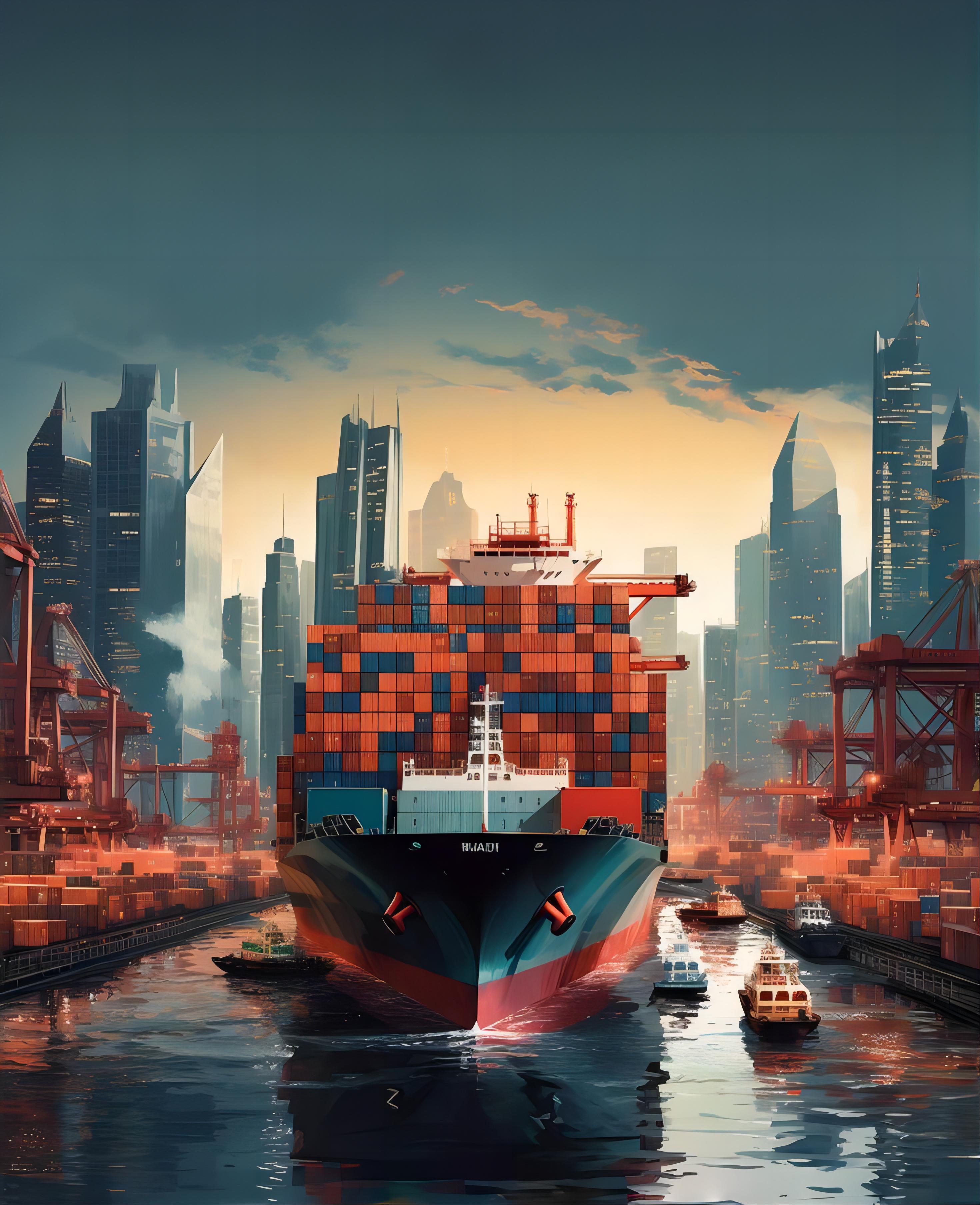
What is FCL Shipping and Why Choose it for China to Netherlands?
FCL, or Full Container Load, refers to the practice where your goods fill an entire shipping container. Consequently, this method is ideal for businesses with sufficient cargo volume to utilize a 20-foot or 40-foot container exclusively. It streamlines the shipping process significantly.
Choosing FCL shipping from China to the Netherlands brings several distinct advantages. Primarily, it offers enhanced security since your cargo is not consolidated with other shippers’ goods, reducing handling and potential damage. Furthermore, transit times are often faster because there are no delays for deconsolidation at the destination port.
Moreover, FCL provides cost efficiency for larger shipments, as the per-unit cost generally decreases with increased volume. Businesses can therefore plan their inventory and delivery schedules with greater predictability. For reliable sea freight solutions, including FCL, consider expert providers.
Navigating the FCL Shipping Process from China to Netherlands
The FCL shipping journey from China to the Netherlands involves several critical stages, each requiring meticulous planning and execution. Understanding this process helps in managing expectations and mitigating potential delays. Therefore, a clear roadmap is essential for successful logistics.
Initially, the process begins with booking your container and coordinating cargo pickup from the supplier’s factory in China. This pre-shipment phase includes selecting the right container size and confirming shipping schedules. Consequently, early booking is often recommended, especially during peak seasons.
Loading and Port Operations
Once the cargo is ready, it is loaded into the container at the supplier’s warehouse or a designated depot. Subsequently, the sealed container is transported to the port of loading in China, such as Shanghai, Ningbo, or Shenzhen. Here, it undergoes customs export clearance.
Upon successful clearance, the container is loaded onto a vessel bound for Europe. Furthermore, efficient port operations are crucial to avoid delays, ensuring your shipment departs on schedule. This phase requires coordination between the shipper, forwarder, and carrier.
Ocean Transit and Major Routes
The ocean transit typically involves sailing through major international shipping lanes, primarily via the Suez Canal. This route connects Asian ports to the major European hubs. Consequently, carriers like Maersk, COSCO, and MSC operate frequent services on this route.
Key ports of discharge in the Netherlands include Rotterdam and Amsterdam. Rotterdam, being Europe’s largest port, handles a vast majority of FCL shipments. Therefore, understanding the vessel’s route and estimated arrival is vital for planning.
As the vessel approaches its destination, pre-arrival notifications are sent to the consignee. This allows for timely preparation for customs clearance and onward delivery. Seamless coordination ensures a smooth transition from sea to land.
Arrival, Customs, and Delivery
Upon arrival at the Dutch port, the container is discharged from the vessel. Subsequently, it moves to a container yard for further processing. This is when import customs clearance becomes the next critical step.
After customs duties and taxes are paid, and all documentation is approved, the container is released. Finally, it is transported to the consignee’s final destination, completing the door-to-door delivery. This final leg is often handled by local trucking services.
Understanding FCL Shipping Costs and Transit Times
FCL freight rates from China to the Netherlands are influenced by numerous variables, making accurate cost estimation essential. These factors range from global economic conditions to specific shipping demands. Therefore, understanding these elements helps in budgeting.
Generally, shipping costs include ocean freight, surcharges, and local charges at both origin and destination. Additionally, customs duties and taxes are significant components of the total landed cost. Consequently, obtaining a detailed quote is always advisable.
Market conditions, such as fuel prices, carrier capacity, and seasonal demand, heavily impact FCL shipping costs. For instance, peak seasons like Chinese New Year or pre-holiday periods often see rate increases. Moreover, geopolitical events can also cause significant fluctuations in freight rates.
Typical transit times for FCL shipping from major Chinese ports to the Netherlands usually range from 28 to 35 days. However, this can vary based on the specific origin and destination ports, chosen carrier, and whether the route is direct or involves transshipment. Consequently, flexibility in planning is beneficial.
| Port of Origin (China) | Port of Destination (Netherlands) | Estimated Transit Time (Days) | Key Considerations |
|---|---|---|---|
| Shanghai | Rotterdam | 28-32 | Most direct routes, high frequency |
| Ningbo | Rotterdam | 30-34 | Good connectivity, competitive rates |
| Shenzhen | Rotterdam | 30-35 | Southern China hub, high volume |
| Qingdao | Rotterdam | 32-36 | Northern China, slightly longer transit |
| Xiamen | Rotterdam | 30-34 | Central China, good service options |
Essential Customs and Documentation for Netherlands Imports
Successful FCL shipping to the Netherlands hinges on accurate and complete customs documentation. Non-compliance can lead to significant delays, fines, and even cargo seizure. Therefore, meticulous preparation is non-negotiable.
The Netherlands, as a member of the European Union, adheres to EU customs regulations. This means importers must comply with a standardized set of rules and procedures. Consequently, understanding these requirements is paramount for smooth clearance.
Importers must ensure all goods meet EU safety, health, and environmental standards. Furthermore, correct classification of goods using the Harmonized System (HS) codes is vital for determining applicable duties and taxes. Incorrect classification is a common cause of customs issues.
Engaging a professional customs brokerage service can significantly streamline this complex process. They possess the expertise to navigate regulations, prepare documents, and expedite clearance. This support can save both time and money.
| Document Name | Purpose | Issuing Party | Notes |
|---|---|---|---|
| Commercial Invoice | Details of goods, value, buyer/seller | Seller | Crucial for customs valuation |
| Packing List | Details of contents, weight, dimensions | Seller | Assists in cargo inspection |
| Bill of Lading (B/L) | Contract of carriage, title to goods | Carrier | Originals often required for release |
| Certificate of Origin | Proves country of manufacture | Chamber of Commerce | May impact duty rates (e.g., GSP) |
| Customs Declaration (e.g., SAD) | Formal declaration to customs | Importer/Broker | Electronic submission required |
| Import License/Permit | Required for certain regulated goods | Relevant Authority | Check specific product requirements |
How Does FCL Shipping Compare to Other China-Netherlands Options?
While FCL shipping is often the preferred choice for large volumes, various alternative shipping methods exist for the China-Netherlands route. Each option presents different trade-offs in terms of cost, speed, and suitability for specific cargo types. Therefore, a careful comparison is essential for informed decision-making.
Understanding these alternatives helps businesses select the most appropriate logistics strategy for their unique requirements. This comparative analysis also highlights the strengths and weaknesses of each shipping mode. Consequently, optimizing your supply chain becomes easier.
| Shipping Method | Cost Range (40HQ equiv) | Transit Time (China-NL) | Best For | Limitations |
|---|---|---|---|---|
| FCL Sea Freight | $3,000-4,200 | 28-35 days | Large volumes, cost-efficiency, heavy/bulky goods | Slowest, port congestion risk |
| LCL Sea Freight | $50-80 per CBM | 35-45 days | Smaller shipments (under 15 CBM), budget-conscious | Longer transit, more handling, less secure |
| Air Freight | $15,000-25,000+ | 3-7 days | Urgent, high-value, perishable goods | Most expensive, size/weight restrictions, environmental impact |
| Rail Freight | $6,000-9,000 | 18-25 days | Mid-range urgency, heavier cargo than air, specific routes | Higher cost than sea, less flexible routes than sea/air |
FCL vs. LCL Shipping
Less than Container Load (LCL) shipping involves consolidating multiple shippers’ goods into one container. This method is generally more cost-effective for smaller shipments, typically under 15-20 CBM, which do not fill an entire container. However, LCL shipments often incur longer transit times due to consolidation and deconsolidation processes.
Conversely, FCL offers quicker transit and reduced handling, making it ideal for larger volumes or time-sensitive cargo. For example, a 40HQ container from China to the Netherlands might cost $3,000-4,200, whereas LCL could be $50-80 per CBM, making FCL more economical beyond a certain volume threshold. This direct approach minimizes potential delays.
FCL vs. Air Freight
Air freight is undeniably the fastest option, with transit times as short as 3-7 days from China to the Netherlands. This speed comes at a significantly higher cost, however, typically 5-10 times more expensive than sea freight for comparable volumes. Therefore, air freight is reserved for urgent, high-value, or perishable goods.
For instance, shipping a 40HQ equivalent by air could easily cost $15,000-25,000 or more, compared to FCL sea freight’s $3,000-4,200. Consequently, businesses must weigh the urgency against the substantial cost difference. Air cargo also has stricter limitations on size and weight for individual packages.
Despite the cost, air freight is invaluable for critical inventory replenishment or product launches. It bypasses many of the logistical complexities associated with sea routes. However, for regular, large-volume shipments, FCL remains economically superior.
FCL vs. Rail Freight
Rail freight offers a middle ground between sea and air in terms of speed and cost for shipments from China to Europe. Transit times to the Netherlands via rail are typically 18-25 days, significantly faster than sea freight but slower than air. The cost is generally 2-3 times that of FCL sea freight.
This option is particularly attractive for cargo that is too large for air freight but needs to arrive faster than sea freight allows. For example, rail freight offers reliable schedules and is less susceptible to weather disruptions than sea shipping. However, infrastructure limitations and direct routing availability can be factors.
While not as widely utilized for container loads to the Netherlands as sea freight, rail freight is gaining traction, especially for certain regions. It represents a viable alternative for businesses seeking a balance between transit time and budget. The environmental footprint is also often lower than air freight.
Hybrid Solutions and Cost-Saving Strategies
Hybrid solutions, such as sea-air combinations, can offer flexible alternatives. For example, shipping by sea to a hub like Dubai, then by air to the Netherlands, can reduce overall transit time while mitigating some air freight costs. This strategy is suitable for moderately urgent shipments.
Cost-saving strategies include booking well in advance, especially outside of peak seasons, and optimizing container utilization. Furthermore, comparing quotes from multiple freight forwarders can reveal significant price differences. Negotiating favorable Incoterms with suppliers also impacts final landed costs.
Consider transshipment options if direct routes are significantly more expensive, though this may add a few days to transit. For example, transshipment via major hubs like Singapore or Port Klang might save 10-15% on ocean freight, albeit adding 5-7 days to the journey. This requires careful planning.
Which Option Should You Choose?
The optimal shipping method depends entirely on your specific business priorities. If budget is the primary concern and transit time is flexible, FCL sea freight is almost always the most economical choice. This method offers the best cost-per-unit for large volumes.
Conversely, if speed is paramount, particularly for high-value or time-sensitive inventory, air freight is the undisputed winner despite its higher cost. For a balance of speed and cost, or for destinations with robust rail connections, rail freight presents a compelling option. Therefore, align your choice with your strategic goals.
Cargo type also plays a crucial role; bulky, heavy, or non-perishable goods are well-suited for FCL. Delicate or perishable items might require specialized air freight services. Finally, consider the volume threshold: FCL becomes economical typically above 15-20 CBM, where LCL costs begin to exceed a full container rate. Always obtain current quotes to make the best decision.
Real-World FCL Shipping China to Netherlands Case Studies
Examining real-world scenarios provides practical insights into the complexities and successes of FCL shipping from China to the Netherlands. These case studies highlight various challenges and optimal solutions. Furthermore, they demonstrate how different factors impact the overall logistics process.
Case Study 1: High-Volume Consumer Goods
This case study exemplifies efficient handling of seasonal consumer electronics. The client required timely delivery to meet peak holiday demand. Consequently, careful planning and carrier selection were paramount.
| Detail | Description |
|---|---|
| Route | Shenzhen, China Rotterdam, Netherlands |
| Cargo | Consumer Electronics (small appliances), 65 CBM, 15,000 kg |
| Container | 1 x 40HQ |
| Shipping Details | Carrier/Service: COSCO, Port of Loading: Shenzhen, Port of Discharge: Rotterdam, Route Type: Direct |
| Cost Breakdown | Ocean Freight: $3,800, Origin Charges: $450, Destination Charges: $600, Customs & Duties (estimated): $750, Total Landed Cost: $5,600 (Based on Q3 2024 market rates) |
| Timeline | Booking to Loading: 5 days, Sea Transit: 30 days, Customs Clearance: 2 days, Total Door-to-Door: 38 days |
| Key Insight | Timely booking outside of peak season secured a favorable rate and direct vessel space, crucial for meeting holiday sales targets. Proactive documentation prevented customs delays. |
Case Study 2: Specialized Industrial Equipment
This scenario involved shipping heavy and sensitive industrial machinery. The primary concerns were secure transport and precise delivery scheduling. Therefore, choosing a reliable carrier with good equipment handling was critical.
| Detail | Description |
|---|---|
| Route | Ningbo, China Amsterdam, Netherlands |
| Cargo | Manufacturing Robotics Components, 45 CBM, 25,000 kg |
| Container | 2 x 20GP |
| Shipping Details | Carrier/Service: Maersk, Port of Loading: Ningbo, Port of Discharge: Amsterdam, Route Type: Transshipment via Felixstowe |
| Cost Breakdown | Ocean Freight: $4,200 (for 2x20GP), Origin Charges: $600, Destination Charges: $800, Customs & Duties (estimated): $1,200, Total Landed Cost: $6,800 (Typical rates as of early 2025) |
| Timeline | Booking to Loading: 7 days, Sea Transit: 35 days, Customs Clearance: 3 days, Total Door-to-Door: 45 days |
| Key Insight | Opting for two 20GP containers provided better weight distribution for heavy machinery. Transshipment saved on ocean freight but added a few days to transit, which was acceptable for the client’s production schedule. |
Case Study 3: Seasonal Retail Inventory
This case focused on apparel and accessories for a retail chain. The challenge was managing fluctuating volumes and ensuring goods arrived before seasonal sales events. Consequently, flexibility and consistent communication were key.
Note: Freight rates are subject to change based on fuel costs, carrier capacity, and seasonal demand. Contact us for a current quote tailored to your specific shipment.
| Detail | Description |
|---|---|
| Route | Xiamen, China Rotterdam, Netherlands |
| Cargo | Apparel & Accessories, 55 CBM, 10,000 kg |
| Container | 1 x 40GP |
| Shipping Details | Carrier/Service: MSC, Port of Loading: Xiamen, Port of Discharge: Rotterdam, Route Type: Direct |
| Cost Breakdown | Ocean Freight: $3,100, Origin Charges: $400, Destination Charges: $550, Customs & Duties (estimated): $600, Total Landed Cost: $4,650 (Based on Q1 2025 market rates) |
| Timeline | Booking to Loading: 4 days, Sea Transit: 32 days, Customs Clearance: 2 days, Total Door-to-Door: 39 days |
| Key Insight | Leveraged off-peak season rates for significant cost savings. Direct service ensured predictable arrival, critical for seasonal inventory. Proactive communication with the forwarder helped manage slight port delays effectively. |
Optimizing Your FCL Shipments for Success
Achieving successful FCL shipping from China to the Netherlands requires more than just booking a container. It involves strategic planning, careful execution, and continuous optimization. Consequently, attention to detail at every stage is crucial.
Proactive management of your supply chain can significantly reduce risks and enhance efficiency. Therefore, implementing best practices ensures smoother operations. This also helps in mitigating unexpected challenges effectively.
Partnering with a Reliable Freight Forwarder
Selecting an experienced and reputable freight forwarder is perhaps the most critical decision. A good forwarder offers expertise in international regulations, carrier selection, and problem-solving. Furthermore, they can provide valuable insights into market trends and potential cost savings.
Indeed, they act as your logistics partner, coordinating all aspects from origin pickup to final delivery. Their network and relationships with carriers can secure better rates and services. Therefore, choose a forwarder with proven experience on the China-Europe trade lane.
Effective Cargo Packing and Insurance
Proper packing and securing of your cargo within the container are essential to prevent damage during transit. Utilize appropriate dunnage, bracing, and shrink wrap. Consequently, this minimizes movement and protects your goods from impacts.
Furthermore, obtaining comprehensive marine cargo insurance is highly recommended. While FCL offers good security, unforeseen events like accidents, natural disasters, or theft can occur. Insurance provides financial protection against these risks, offering peace of mind.
Staying Informed on Market Trends
The global shipping market is dynamic, with rates and capacity constantly fluctuating. Staying informed about industry trends, such as fuel surcharges, port congestion, and peak seasons, allows for better planning. Consequently, you can anticipate changes and adjust your shipping strategy accordingly.
Market data suggests that rates typically increase 15-25% during August-October peak season, for instance. Therefore, planning shipments outside these periods can lead to significant cost savings. Regular communication with your freight forwarder provides real-time market intelligence.
Seamless FCL Shipping China to Netherlands: Your Strategic Advantage
In conclusion, mastering FCL shipping from China to the Netherlands is a strategic imperative for businesses engaged in international trade. It offers a reliable, cost-effective, and secure method for transporting large volumes of goods. Consequently, understanding the process, costs, and alternatives is vital for success.
By partnering with a knowledgeable freight forwarder and paying close attention to documentation and market trends, you can optimize your supply chain. This proactive approach ensures your cargo arrives safely and efficiently. Ultimately, efficient FCL shipping China to Netherlands gives you a competitive edge in the European market.
Get Your Shipping Quote Today
Ready to streamline your FCL shipping from China to the Netherlands? Our expert team is here to provide tailored solutions and competitive quotes. Contact us today to discuss your specific logistics needs and ensure a smooth, efficient freight experience.
Request Quote