

FCL Shipping for Electronics from China to California: Your Ultimate Guide
“The global electronics market relies heavily on efficient supply chains, especially when moving goods from manufacturing hubs to consumer markets. Navigating FCL shipping for electronics from China to California presents unique challenges, including customs regulations, transit times, and cost management. This comprehensive guide will illuminate the process, offering practical insights and strategies for a seamless shipping experience. For reliable freight solutions, visit China Top Freight.”
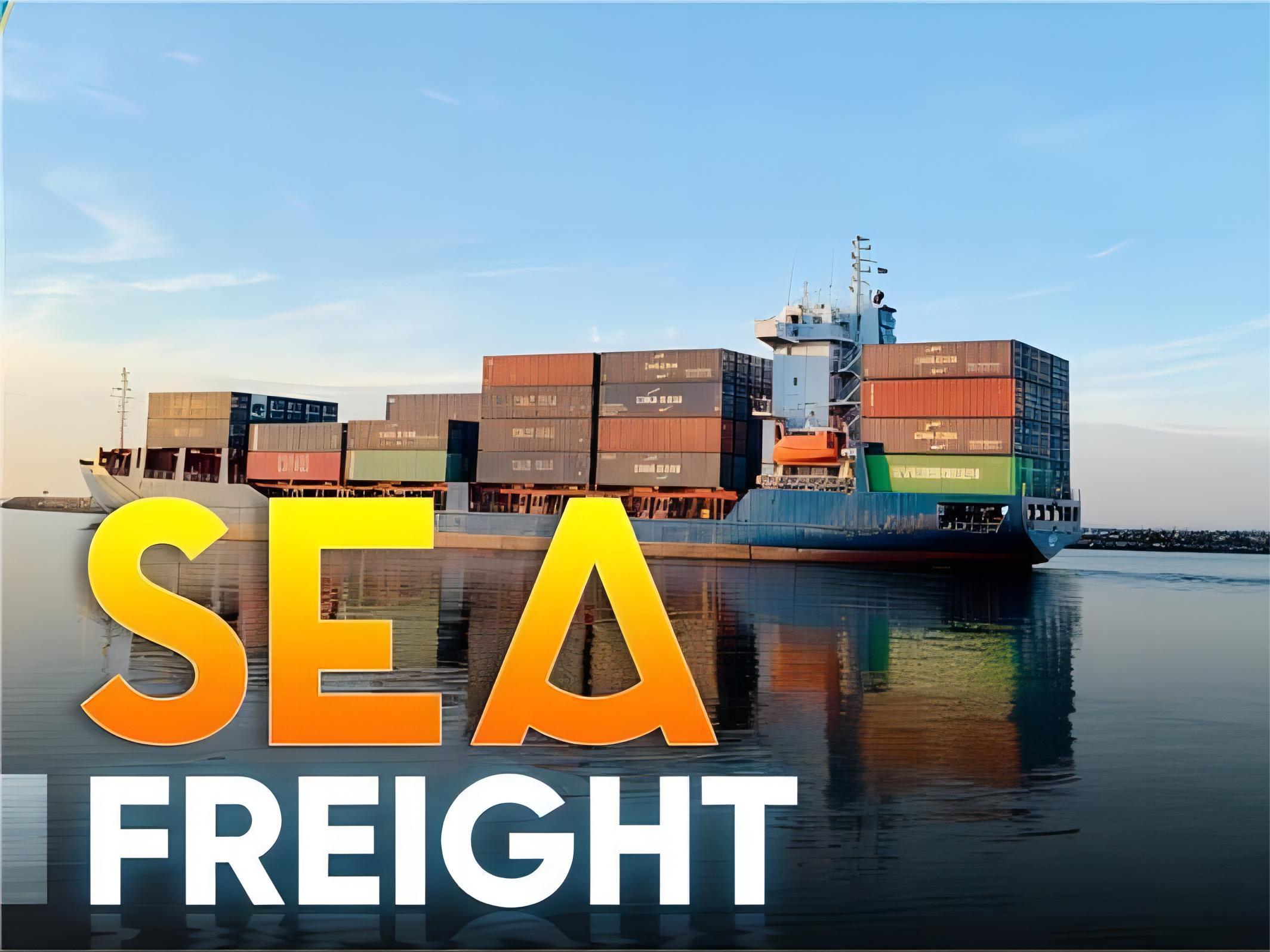
What is FCL Shipping and Why is it Ideal for Electronics?
❖FCL, or Full Container Load, shipping means your goods occupy an entire shipping container, regardless of whether they fill it completely. This method offers exclusive use of a 20-foot or 40-foot container, ensuring dedicated space for your cargo. Consequently, it provides enhanced security and reduced handling risks for sensitive electronics.
Conversely, FCL shipping is often the most cost-effective solution for larger volumes of electronics from China to California. It minimizes transit times compared to less-than-container load (LCL) shipments, as your container moves directly to its destination. Furthermore, it simplifies logistics and reduces potential for damage or loss.
Common container types include 20-foot General Purpose (20GP), 40-foot General Purpose (40GP), and 40-foot High Cube (40HQ). Each offers different capacities to accommodate varying shipment sizes. Therefore, selecting the correct container type is crucial for optimizing space and cost efficiency for your electronics shipment via sea freight.
Key Considerations for FCL Shipping Electronics from China to California
❖Proper preparation of your electronics cargo is paramount for a smooth FCL shipping experience. This includes robust packaging, accurate labeling, and precise documentation. Inadequate packaging can lead to damage during transit, particularly for fragile electronic components.
Moreover, a comprehensive set of documents is essential for customs clearance in the US. You will need a commercial invoice, packing list, Bill of Lading (B/L), and potentially product certifications. Consequently, ensuring all paperwork is accurate and complete prevents costly delays.
Furthermore, securing appropriate cargo insurance is highly recommended for high-value electronics. This protects your investment against unforeseen events such as damage, theft, or loss during the long journey. Therefore, budget for comprehensive coverage to mitigate potential financial risks.
Understanding Transit Times and Routes for China to California
❖Typical FCL transit times for electronics from major Chinese ports to California range significantly. Generally, direct routes from Shanghai, Ningbo, or Shenzhen to Los Angeles (LAX) or Long Beach (LGB) can take 14 to 18 days on average. However, these times can fluctuate based on carrier schedules and port congestion.
On the other hand, shipments to Oakland (OAK) may experience slightly longer transit times, sometimes extending to 20-25 days. Therefore, planning your delivery schedule well in advance is critical. Notably, peak seasons or unforeseen logistical issues can further impact these estimates.
Additionally, some routes may involve transshipment through other Asian ports, which adds several days to the total transit time. While direct routes are faster, they can sometimes be more expensive. Consequently, evaluating both cost and speed is vital when choosing your specific shipping lane for FCL shipping for electronics from China to California.

How Does FCL Shipping Compare to Other Shipping Options?
❖Choosing the right shipping method for electronics from China to California depends on various factors, including urgency, cargo volume, and budget. While FCL offers significant advantages for large, less time-sensitive shipments, alternatives like LCL, air freight, and express services cater to different needs. Understanding these distinctions is crucial for optimizing your supply chain strategy.
For instance, LCL (Less than Container Load) shipping combines multiple shippers’ goods into one container. This can be cost-effective for smaller volumes that don’t justify a full container. However, LCL typically involves more handling and longer transit times due to consolidation and deconsolidation processes.
| Shipping Method | Cost Range (per kg/CBM) | Transit Time (China-CA) | Best For | Limitations |
|---|---|---|---|---|
| FCL Sea Freight | $0.05 – $0.15/kg | 14-25 days | Large volumes, cost-efficiency, security | Longer transit, port congestion risks |
| LCL Sea Freight | $0.10 – $0.25/kg | 20-35 days | Smaller volumes, budget-conscious | More handling, slower, higher damage risk |
| Air Freight | $4 – $8/kg | 3-7 days | Urgent, high-value, smaller shipments | High cost, weight/volume restrictions |
| Express Service | $8 – $15/kg | 1-3 days | Very urgent, samples, small packages | Very high cost, strict size/weight limits |
Cost Factors and Pricing for FCL Shipping Electronics
❖Understanding the various components that contribute to the total cost of FCL shipping is crucial for effective budgeting. The primary cost is ocean freight, which varies based on carrier, season, and fuel surcharges. Additionally, origin charges cover local transport, handling at the port, and documentation fees in China.
Upon arrival in California, destination charges include terminal handling, customs clearance, and local delivery. Moreover, import duties and taxes, determined by the Harmonized System (HS) code of your electronics, significantly impact the final landed cost. Furthermore, insurance premiums add another layer of expense, protecting your investment during transit.
Market conditions heavily influence FCL shipping costs for electronics from China to California. As of Q1 2025, freight rates have largely stabilized after recent global disruptions, though seasonal peaks still cause fluctuations. For example, rates typically increase 15-25% during the August-October peak season leading up to holidays. Therefore, booking in advance or outside peak periods can yield significant savings.
| Container Type | Estimated Ocean Freight (USD) | Total Estimated Cost (USD) | Typical Transit Time |
|---|---|---|---|
| 20GP | $1,500 – $2,200 | $3,000 – $4,500 | 14-18 days |
| 40GP | $2,500 – $3,500 | $5,000 – $7,000 | 14-18 days |
| 40HQ | $2,800 – $3,800 | $5,500 – $7,500 | 14-18 days |
Real-World FCL Shipping Scenarios: Electronics from China to California
❖Examining actual case studies provides valuable context for navigating the complexities of FCL shipping. These examples highlight common challenges and successful strategies for transporting electronics. They also demonstrate how various factors influence overall cost and transit time.
Case Study 1: Large Volume Consumer Electronics
This scenario involved a major retailer importing a substantial quantity of smart home devices for holiday sales. Efficient planning and direct routing were key to meeting tight deadlines and managing inventory levels effectively for this FCL shipping for electronics from China to California.
| Detail | Description |
|---|---|
| Route | Shenzhen, China -> Los Angeles, USA |
| Cargo | Smart home devices, 65 CBM, 15,000 kg |
| Container | 2 x 40HQ |
| Shipping Details | Carrier: COSCO, Port of Loading: Yantian, Port of Discharge: Long Beach, Route Type: Direct |
| Cost Breakdown | Ocean Freight: $7,000 (total), Origin Charges: $900, Destination Charges: $1,200, Customs & Duties: $3,500 (estimated), Total Landed Cost: $12,600 |
| Timeline | Booking to Loading: 5 days, Sea Transit: 16 days, Customs Clearance: 3 days, Total Door-to-Door: 24 days |
| Key Insight | Booking outside peak season (Q3 2024) secured favorable rates and avoided congestion. Effective communication with customs brokers expedited clearance. |

Case Study 2: Sensitive High-Value Components
A tech manufacturer needed to import specialized server components requiring careful handling and enhanced security. This FCL shipment emphasized robust packaging and a reliable carrier to minimize risk. Protecting high-value electronics was the top priority.
| Detail | Description |
|---|---|
| Route | Shanghai, China -> Oakland, USA |
| Cargo | Server components, 28 CBM, 8,000 kg |
| Container | 1 x 40GP |
| Shipping Details | Carrier: Maersk, Port of Loading: Shanghai, Port of Discharge: Oakland, Route Type: Direct |
| Cost Breakdown | Ocean Freight: $3,200, Origin Charges: $550, Destination Charges: $800, Customs & Duties: $2,000 (estimated), Total Landed Cost: $6,550 |
| Timeline | Booking to Loading: 6 days, Sea Transit: 19 days, Customs Clearance: 4 days, Total Door-to-Door: 30 days |
| Key Insight | Specialized crating and shock-absorbing packaging were essential. The client opted for premium insurance, increasing overall security and peace of mind. |
Case Study 3: Time-Sensitive Product Launch Components
This case involved a startup importing critical components for a new gadget launch, with a strict market release date. Balancing speed and cost was crucial, leading to strategic carrier selection and proactive customs management. Timely delivery was non-negotiable for this FCL shipping for electronics from China to California.
| Detail | Description |
|---|---|
| Route | Ningbo, China -> Los Angeles, USA |
| Cargo | Gadget components, 18 CBM, 6,000 kg |
| Container | 1 x 20GP |
| Shipping Details | Carrier: CMA CGM, Port of Loading: Ningbo, Port of Discharge: Los Angeles, Route Type: Direct |
| Cost Breakdown | Ocean Freight: $2,000, Origin Charges: $450, Destination Charges: $700, Customs & Duties: $1,500 (estimated), Total Landed Cost: $4,650 |
| Timeline | Booking to Loading: 4 days, Sea Transit: 15 days, Customs Clearance: 2 days, Total Door-to-Door: 21 days |
| Key Insight | Prioritizing a faster, slightly more expensive direct service and pre-filing ISF helped shave days off the total transit. Proactive customs brokerage was vital. |
Navigating Customs and Compliance for Electronics Imports
❖Importing electronics into California, and indeed the entire US, requires strict adherence to customs regulations and compliance standards. Missteps can lead to significant delays, fines, and even seizure of goods. Therefore, understanding the requirements is non-negotiable for successful FCL shipping for electronics from China to California.
Firstly, accurate Harmonized System (HS) codes are fundamental for proper tariff classification and duty assessment. Different types of electronics fall under various codes, each with specific duty rates. Consequently, incorrect classification can result in underpayment or overpayment of duties, leading to audits or penalties.
Secondly, many electronic products require specific certifications to be legally imported and sold in the US. For example, devices with radio frequency transmitters need FCC certification, while electrical safety often demands UL or CE compliance. Furthermore, providing proof of these certifications to US Customs and Border Protection (CBP) is mandatory.
Finally, engaging an experienced customs brokerage is highly recommended. A professional broker can navigate complex regulations, prepare necessary documentation, and ensure timely clearance. This expertise helps prevent costly errors and expedites the release of your electronic cargo.
Optimizing Your FCL Electronics Supply Chain
❖An optimized supply chain is crucial for profitability and customer satisfaction when importing electronics. This involves strategic planning from origin to final delivery. Therefore, every step, from choosing a freight forwarder to final distribution, must be carefully considered.
Selecting the right freight forwarder is perhaps the most critical decision. Look for partners with proven experience in FCL shipping for electronics from China to California and a strong network. Their expertise can significantly impact transit times, costs, and overall reliability.
Moreover, considering door-to-door services can streamline your logistics operations. This comprehensive solution handles all aspects, from pickup at the factory in China to delivery at your warehouse in California. Consequently, it reduces your administrative burden and simplifies coordination.
Furthermore, for businesses selling on platforms like Amazon, integrating with Amazon FBA services directly from China can be highly efficient. This bypasses intermediate warehousing, sending products directly to Amazon fulfillment centers. This strategy minimizes handling and accelerates product availability, directly impacting sales velocity.
Challenges and Solutions in FCL Shipping for Electronics
❖Despite its advantages, FCL shipping for electronics from China to California isn’t without its challenges. Proactive planning and adaptable strategies are essential for mitigating potential disruptions. Understanding these hurdles helps build a resilient supply chain.
Port congestion, particularly at major California ports like Los Angeles and Long Beach, can cause significant delays. These bottlenecks often result from increased import volumes or labor shortages. Therefore, building buffer time into your delivery schedules is a prudent strategy.
Furthermore, container shortages, especially during peak seasons, can lead to higher freight rates and booking difficulties. Consequently, establishing strong relationships with multiple carriers or freight forwarders can provide flexibility. This helps secure necessary equipment even during tight market conditions.
Finally, managing risks associated with transit damage, theft, or unforeseen customs issues requires a robust risk management plan. Comprehensive cargo insurance, detailed cargo inspections, and working with reputable logistics partners are vital. This ensures the safe and secure arrival of your valuable electronic goods.
Conclusion: Mastering FCL Shipping for Electronics to California
Successfully navigating FCL shipping for electronics from China to California demands meticulous planning, adherence to regulations, and strategic partnerships. By understanding the nuances of container types, transit routes, cost components, and customs compliance, businesses can ensure efficient and secure delivery of their valuable cargo. Proactive risk management and leveraging expert freight forwarding services further enhance the reliability of your supply chain.
Ultimately, a well-executed FCL strategy for electronics not only optimizes logistics but also contributes significantly to cost savings and market competitiveness. Therefore, partnering with an experienced logistics provider is key to transforming potential challenges into seamless shipping operations. This ensures your electronics arrive on time and within budget.

Ready to streamline your logistics?
Ready to optimize your FCL shipping for electronics from China to California? Our team of experts is here to provide tailored solutions and competitive quotes. Contact us today to streamline your logistics and ensure your electronic products reach their destination efficiently.
Request Quote