

40HQ FCL Shipping Cost for Solar Panels from China to Czech Republic
“Navigating the complexities of international logistics, especially for large cargo like solar panels, requires precise planning. Understanding the 40HQ FCL shipping cost for solar panels from China to Czech Republic is crucial for budget and supply chain efficiency. This guide will provide comprehensive insights into optimizing your solar panel imports, ensuring both cost-effectiveness and timely delivery.”

What is 40HQ FCL Shipping and Why Choose it for Solar Panels?
❖Full Container Load (FCL) shipping means your cargo occupies an entire container, offering dedicated space and security. A 40HQ (High Cube) container, specifically, provides extra height, ideal for maximizing the volume of bulky items like solar panels.
Choosing 40HQ FCL for solar panel imports from China to the Czech Republic offers significant advantages. Primarily, it minimizes handling, thereby reducing the risk of damage during transit. Moreover, this method often proves more cost-effective for large volumes compared to Less than Container Load (LCL) options.
Indeed, the 40HQ container typically measures 40 feet long, 8 feet wide, and 9.5 feet high, providing approximately 76 cubic meters of usable space. Therefore, it can accommodate a substantial quantity of solar panels, optimizing your shipping efficiency and economies of scale.
Furthermore, FCL shipments generally experience faster transit times because they do not require consolidation or deconsolidation at various ports. This streamlined process contributes to a more predictable delivery schedule, which is vital for project-based procurements.
Key Factors Influencing 40HQ FCL Shipping Cost from China to Czech Republic
❖Several critical elements collectively determine the final 40HQ FCL shipping cost for solar panels from China to the Czech Republic. Understanding these factors is essential for accurate budgeting and strategic planning. Freight rates, for instance, fluctuate significantly based on market demand and capacity.
Origin and destination ports play a substantial role in cost calculation. Major Chinese ports like Shanghai, Ningbo, and Shenzhen offer competitive rates due to high traffic volumes. Similarly, European hub ports such as Hamburg or Rotterdam, which serve as gateways to the Czech Republic, influence the final leg of transport.
Seasonal variations and global events also impact shipping prices considerably. Peak seasons, typically from August to October, often see rate surges due to increased demand. Additionally, unforeseen disruptions, like port congestion or geopolitical events, can introduce surcharges and delays, affecting overall shipping costs.
Fuel surcharges, terminal handling charges (THC), and various other surcharges are standard components of the total cost. These additional fees cover operational expenses incurred by carriers and port authorities. Consequently, a comprehensive quote must detail all these charges for transparency.
Finally, customs duties, taxes, and local inland transportation costs within the Czech Republic are integral to the overall landed cost. These expenses can vary based on product classification and local regulations. Therefore, factoring in these elements from the outset is crucial for a complete financial overview.
| Cost Component | Description | Impact on Total Cost |
|---|---|---|
| Ocean Freight | Base rate for container transport from port to port. | Primary cost driver, highly variable. |
| Surcharges | Bunker Adjustment Factor (BAF), Currency Adjustment Factor (CAF), Peak Season Surcharge (PSS), etc. | Variable additions based on market and carrier. |
| Origin Charges | Terminal Handling Charges (THC) at origin, documentation fees. | Fixed costs at the loading port. |
| Destination Charges | THC at destination, customs clearance fees, port security charges. | Fixed costs at the discharge port. |
| Inland Transport | Trucking or rail from European port to Czech Republic. | Significant cost, depends on distance and method. |
Typical Transit Times for Solar Panel Shipments to Czech Republic
❖The transit time for a 40HQ FCL shipment of solar panels from China to the Czech Republic varies significantly. Generally, the journey involves sea transit to a major European port, followed by inland transportation. Understanding each segment helps in planning your supply chain effectively.
Sea transit from main Chinese ports like Shanghai or Ningbo to key European hubs such as Hamburg, Rotterdam, or Koper typically ranges from 28 to 35 days. This duration depends on the specific carrier, chosen route, and whether it is a direct service or involves transshipment. Direct services are usually quicker but can be more expensive.
Upon arrival at the European port, customs clearance and port processing can take an additional 3 to 7 days. This period is influenced by the efficiency of local customs authorities and the completeness of your documentation. Subsequently, inland transportation to the Czech Republic begins.
Inland transport from ports like Hamburg to Prague, for example, can take another 2 to 5 days by truck or rail. The total door-to-door delivery time, therefore, generally falls within a range of 35 to 47 days. This includes all stages from origin factory to the final destination in the Czech Republic.
For time-sensitive projects, selecting carriers with reliable schedules and considering multimodal options can be beneficial. Accurate transit time estimates are critical for managing inventory and project timelines effectively.
| Stage of Journey | Estimated Duration | Key Factors Affecting Time |
|---|---|---|
| Booking & Loading | 5-10 days | Factory readiness, vessel schedule, port congestion. |
| Sea Transit (China to Europe) | 28-35 days | Carrier route, direct vs. transshipment, weather. |
| Port Discharge & Customs | 3-7 days | Port efficiency, documentation, customs workload. |
| Inland Transport (Europe to CZ) | 2-5 days | Distance, transport mode (truck/rail), road conditions. |
| Total Door-to-Door | 38-57 days | All factors combined, potential unforeseen delays. |
How Does FCL Sea Freight Compare to Other Shipping Options?
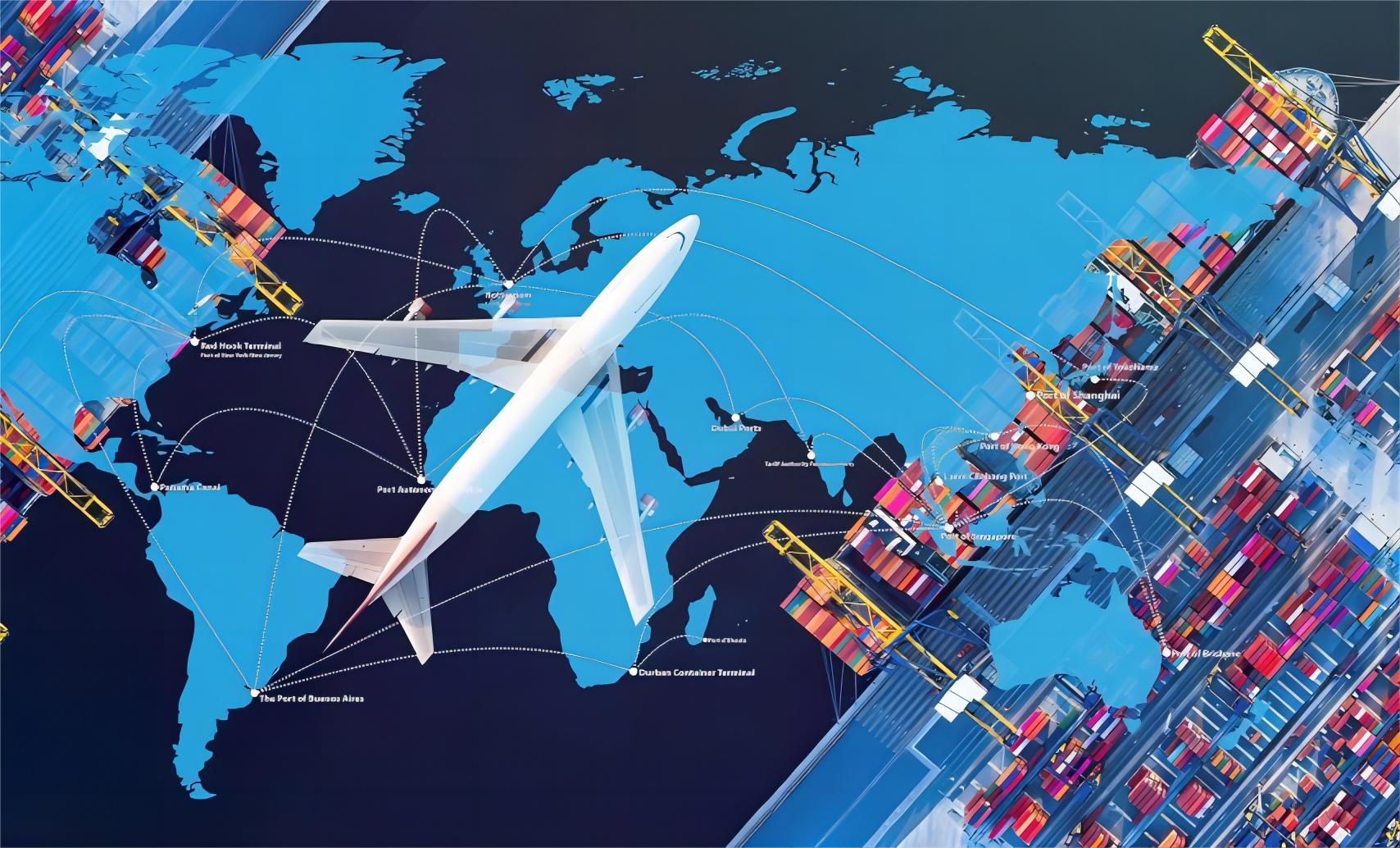
❖When considering the 40HQ FCL shipping cost for solar panels from China to Czech Republic, it is vital to evaluate alternative methods. Each option presents different trade-offs in terms of speed, cost, and capacity. Understanding these distinctions helps in making informed logistical decisions.
Air freight, for instance, offers unparalleled speed but at a significantly higher cost. While a 40HQ container of solar panels might cost $3,000-$4,200 by sea, the same volume via air freight could easily range from $15,000 to $25,000 or more. However, air cargo delivers in 5-7 days, making it suitable for urgent or high-value, low-volume shipments.
Rail freight presents a compelling middle-ground option, combining reasonable speed with moderate costs. Shipping solar panels by rail freight from China to the Czech Republic typically takes 18-25 days. The cost usually falls between sea and air, often around $8,000-$12,000 for a 40HQ, offering a balance for many importers.
Less than Container Load (LCL) sea freight is another alternative for smaller shipments that do not fill an entire 40HQ. For cargo under 15 CBM, LCL might be more economical at $50-$80 per CBM, excluding other charges. Nevertheless, LCL involves more handling and potentially longer transit times due to consolidation processes, increasing risk and complexity.
Therefore, the choice largely depends on your priorities: FCL sea freight for cost-efficiency and large volumes, air freight for urgency, and rail for a balance of speed and cost. LCL is best reserved for smaller, less time-critical consignments.
| Shipping Method | Cost Range (40HQ) | Transit Time (China-CZ) | Best For | Limitations |
|---|---|---|---|---|
| FCL Sea Freight | $3,000 – $4,200 | 35-47 days | Large volumes, cost-efficiency, non-urgent. | Slowest option, port congestion risk. |
| Rail Freight | $8,000 – $12,000 | 18-25 days | Moderate urgency, balanced cost/speed, inland reach. | Capacity constraints, route limitations. |
| Air Freight | $15,000 – $25,000+ | 5-7 days | Urgent, high-value, small volume. | Highest cost, strict cargo restrictions. |
| LCL Sea Freight | Variable ($50-$80/CBM) | 40-55 days | Small volumes (<15 CBM), flexible. | Longer transit, more handling, higher damage risk. |
Optimizing Your 40HQ FCL Solar Panel Shipping Strategy
❖Optimizing the 40HQ FCL shipping cost for solar panels from China to the Czech Republic involves strategic planning and attention to detail. Several approaches can help reduce expenses and enhance efficiency throughout the logistics process. These strategies are particularly effective for regular importers.
Firstly, consider consolidating orders from multiple suppliers into a single 40HQ container. This approach maximizes container utilization and spreads the fixed costs across more units, thus lowering the per-unit shipping cost. Consequently, significant savings can be achieved on larger procurement volumes.

Secondly, selecting the right Incoterms (International Commercial Terms) is paramount. Terms like FOB (Free On Board) or EXW (Ex Works) give you more control over the shipping process and choice of freight forwarder. This allows you to negotiate better rates for the main leg of the journey, directly impacting your overall expense.
Partnering with an experienced freight forwarder, such as China Top Freight, is invaluable. They possess the expertise to navigate complex routes, secure competitive rates, and handle all necessary documentation. Their insights can prevent costly delays and ensure smooth operations.
Furthermore, exploring multimodal or hybrid solutions can offer flexibility. For instance, combining sea freight to a major European port with rail freight for the final leg to the Czech Republic can balance cost and speed. This combination often provides a more efficient delivery schedule than pure sea freight.
Finally, leveraging professional customs brokerage services streamlines the import process into the Czech Republic. Proper documentation and compliance prevent delays and unexpected fees. This proactive management contributes to a more predictable and cost-effective shipping experience.
Real-World Scenarios: 40HQ FCL Solar Panel Shipments
❖These case studies illustrate typical 40HQ FCL shipping cost and transit times for solar panels from China to the Czech Republic, based on recent market conditions. They highlight the various components influencing the final landed cost and delivery schedule.
Case Study 1: Standard 40HQ Shipment to Prague
This scenario demonstrates a routine shipment of solar panels, optimizing for cost-efficiency with a standard sea freight route.
| Detail | Description |
|---|---|
| Route | Shanghai, China Prague, Czech Republic |
| Cargo | Solar PV Modules, 68 CBM, 22,000 kg |
| Container | 40HQ (Full Container Load) |
| Shipping Details | Carrier: COSCO, Port of Loading: Shanghai, Port of Discharge: Hamburg, Route Type: Transshipment via Singapore |
| Cost Breakdown | Ocean Freight: $3,500, Origin Charges: $450, Destination Charges: $600, Inland Transport (Hamburg-Prague): $1,200, Customs & Duties (estimated): $800, Total Landed Cost: $6,550 |
| Timeline | Booking to Loading: 7 days, Sea Transit: 32 days, Customs Clearance: 4 days, Inland Transit: 3 days, Total Door-to-Door: 46 days |
| Key Insight | Based on Q3 2024 market rates, this standard route balances cost and reliability, suitable for regular imports. Transshipment adds a few days but can offer better rates. |
Case Study 2: Expedited 40HQ Shipment with Multimodal Approach
Here, a slightly faster delivery was required, utilizing a combined sea-rail solution to reduce overall transit time.
| Detail | Description |
|---|---|
| Route | Ningbo, China Brno, Czech Republic |
| Cargo | High-Efficiency Solar Panels, 72 CBM, 24,000 kg |
| Container | 40HQ (Full Container Load) |
| Shipping Details | Carrier: Maersk (Sea), Rail Operator (Inland), Port of Loading: Ningbo, Port of Discharge: Hamburg, Route Type: Sea-Rail via Malaszewicze (Poland) |
| Cost Breakdown | Ocean Freight: $3,800, Origin Charges: $480, Destination Charges: $650, Rail Freight (Hamburg-Brno via PL): $2,500, Customs & Duties (estimated): $900, Total Landed Cost: $8,330 |
| Timeline | Booking to Loading: 6 days, Sea Transit: 28 days, Rail Transit (Hamburg to Brno): 7 days, Customs Clearance: 3 days, Total Door-to-Door: 44 days |
| Key Insight | This multimodal option offers a slightly quicker alternative to pure sea freight. The rail segment from Hamburg significantly speeds up inland delivery to eastern Czech Republic, despite higher costs. Typical rates as of early 2025. |
Case Study 3: Consolidated 40HQ from Multiple Suppliers
This example showcases a client consolidating goods from various Chinese factories into one 40HQ, optimizing container usage and reducing costs.
| Detail | Description |
|---|---|
| Route | Shenzhen/Guangzhou, China Ostrava, Czech Republic |
| Cargo | Assorted Solar Components & Panels, 70 CBM, 20,000 kg |
| Container | 40HQ (Full Container Load) |
| Shipping Details | Carrier: CMA CGM, Port of Loading: Shenzhen, Port of Discharge: Koper (Slovenia), Route Type: Direct (via Suez Canal) |
| Cost Breakdown | Ocean Freight: $4,000, Origin Charges (incl. consolidation): $700, Destination Charges: $750, Inland Transport (Koper-Ostrava): $1,500, Customs & Duties (estimated): $850, Total Landed Cost: $7,800 |
| Timeline | Booking & Consolidation: 10 days, Sea Transit: 29 days, Customs Clearance: 5 days, Inland Transit: 4 days, Total Door-to-Door: 48 days |
| Key Insight | Consolidating from multiple origins requires more coordination but can lead to significant savings on per-unit freight. Choosing Koper as a discharge port can sometimes offer faster rail connections to Eastern Europe. Based on Q4 2024 market data. |
Navigating Customs and Documentation for Czech Republic Imports
❖Successfully importing solar panels into the Czech Republic requires meticulous attention to customs procedures and documentation. Proper preparation prevents costly delays and ensures compliance with EU regulations. Understanding these requirements is a crucial aspect of managing your 40HQ FCL shipping cost.
Essential documents typically include the Commercial Invoice, Packing List, and Bill of Lading. Furthermore, a Certificate of Origin (COO) is often required to determine preferential tariff treatments. For solar panels, CE certification is mandatory, confirming adherence to European health, safety, and environmental protection standards.
Upon arrival at the European port of entry, such as Hamburg or Rotterdam, your shipment undergoes customs clearance. This process involves verifying documentation, assessing duties, and ensuring product compliance. Therefore, any discrepancies can lead to significant delays and additional storage charges.
The Czech Republic, as an EU member, applies the Common Customs Tariff to goods imported from outside the EU. Duties and VAT (Value Added Tax) are calculated based on the declared value of the goods. For solar panels, specific tariff codes (HS codes) apply, which determine the exact duty rates.
Engaging a professional customs brokerage service is highly recommended. They can handle all declarations, calculate duties, and ensure seamless entry for your solar panels. This expertise minimizes risks and ensures a smooth customs clearance process for your 40HQ FCL shipment.

Which Shipping Option Should You Choose for Your Solar Panels?
❖Deciding on the optimal shipping method for your solar panels depends on several key priorities and constraints. Evaluating your specific needs against available options will help you select the most suitable strategy. This decision directly impacts your overall 40HQ FCL shipping cost for solar panels from China to Czech Republic.
If budget is your primary concern, FCL sea freight is almost always the most economical choice. It offers the lowest per-unit cost for large volumes, making it ideal for bulk orders where transit time is not critically urgent. Plan for longer lead times, usually 35-47 days, to leverage these savings.
Conversely, if speed is paramount, air freight is the undisputed champion, delivering in 5-7 days. However, this comes at a substantial premium, typically 5-10 times the cost of sea freight. Air cargo is best reserved for urgent project deadlines or high-value, small-volume components.
For a balance between cost and speed, rail freight provides an excellent alternative. With transit times of 18-25 days and costs significantly lower than air but higher than sea, it suits moderately time-sensitive shipments. This option is particularly attractive for landlocked destinations like the Czech Republic.
Consider your cargo type and volume thresholds carefully. A full 40HQ container is most efficient for large quantities of solar panels. For smaller consignments (e.g., under 15 CBM), LCL sea freight might initially seem cheaper, but it often incurs higher per-CBM costs and longer transit times due to consolidation. A door-to-door delivery service can simplify the entire process, regardless of the chosen primary transport method.
Streamlining Your Solar Panel Imports to the Czech Republic
In conclusion, managing the 40HQ FCL shipping cost for solar panels from China to the Czech Republic requires a strategic approach. Factors like freight rates, transit times, customs regulations, and choice of shipping method all play a critical role. Sea freight remains the most cost-effective for large volumes, while rail offers a balanced alternative for speed.
By understanding the various cost components, optimizing container utilization, and partnering with an experienced freight forwarder, importers can significantly enhance their supply chain efficiency. Always ensure meticulous documentation and compliance to avoid delays. Ultimately, a well-planned logistics strategy ensures the timely and cost-efficient delivery of your valuable solar panels.
Ready to streamline your logistics?
Ready to optimize your 40HQ FCL shipping cost for solar panels from China to the Czech Republic? Contact us today for a personalized quote and expert guidance. Our team at China Top Freight is dedicated to providing efficient and reliable logistics solutions tailored to your needs. Visit China Top Freight to learn more.
Request Quote