

Shoes Sea Freight China to USA: Your Ultimate Shipping Guide
Shipping shoes from China to the USA requires careful planning and a deep understanding of logistics. Consequently, choosing the right shipping method is paramount for cost-effectiveness and timely delivery. This comprehensive guide, presented by China Top Freight, will simplify the complexities of shoes sea freight from China to USA, ensuring your footwear arrives efficiently.
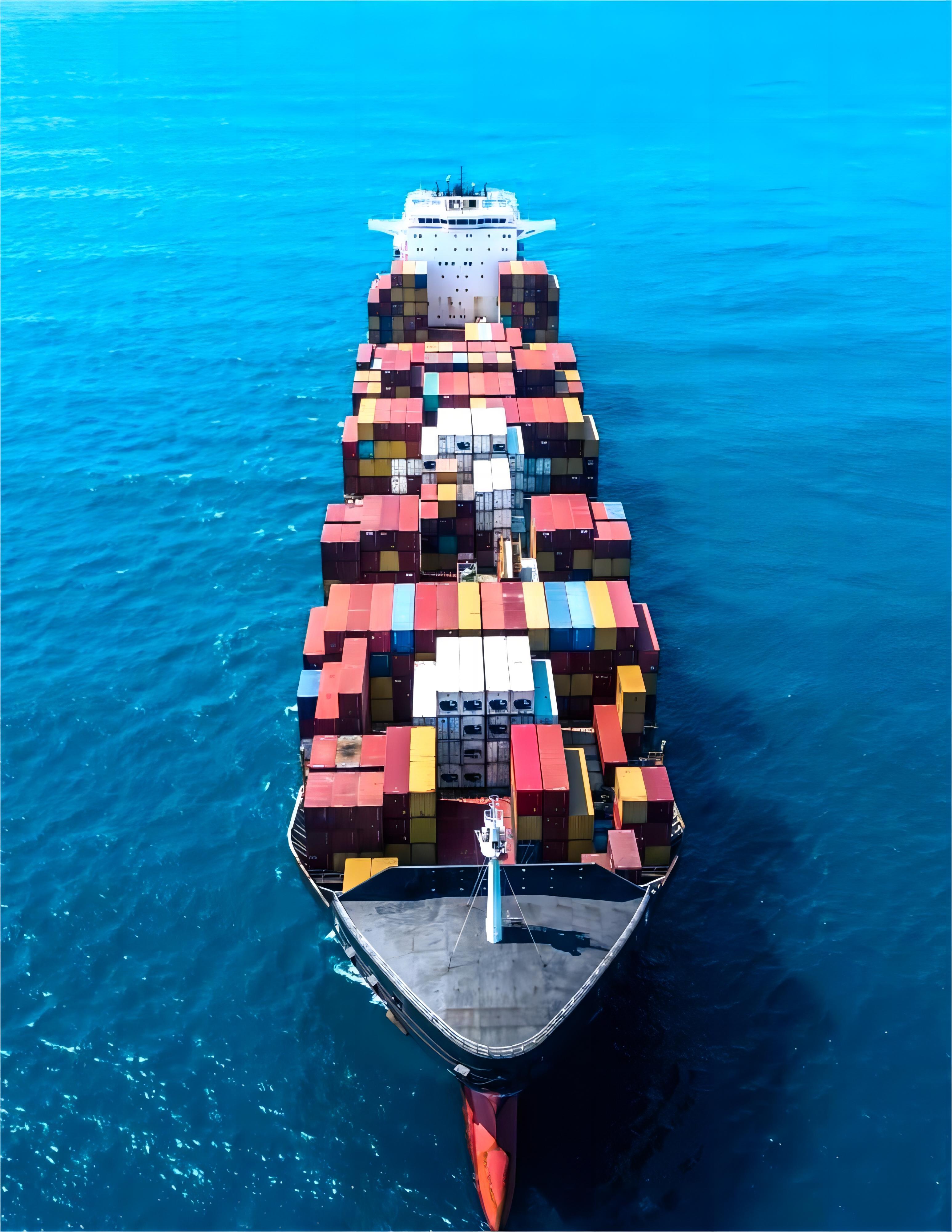
Navigating Shoes Sea Freight from China to USA
Indeed, the global footwear market relies heavily on imports from China. Therefore, understanding the nuances of shipping shoes via sea freight is crucial for businesses of all sizes. This method often provides the most economical solution for bulk footwear orders.
Furthermore, navigating international logistics, including customs and delivery schedules, can be challenging. Hence, partnering with an experienced freight forwarder is essential to streamline your supply chain and avoid costly delays. We aim to clarify this process thoroughly.
Moreover, the journey for shoes sea freight from China to USA involves multiple stages. From factory pickup to final destination delivery, each step requires meticulous coordination. This ensures your valuable cargo reaches its market safely and on time.
Ultimately, successful import operations hinge on informed decisions. Thus, exploring the various aspects of sea freight, including costs and transit times, is vital for optimizing your shipping strategy. This guide provides the necessary insights.
Why Choose Sea Freight for Your Shoe Imports?
Generally, sea freight stands out as the most cost-effective option for shipping large volumes of shoes. This is particularly true when compared to faster, more expensive alternatives like air freight. Businesses can significantly reduce their overall shipping costs.
Additionally, ocean vessels boast immense cargo capacity. Consequently, you can transport a substantial quantity of footwear in a single shipment. This makes it ideal for businesses dealing with high inventory levels or oversized shoe boxes.
Furthermore, sea freight offers excellent stability for cargo. Containers provide a secure environment, protecting your shoes from damage during transit. This reduces the risk of spoilage or loss, ensuring product integrity upon arrival.
Moreover, despite longer transit times, the reliability of scheduled departures and arrivals is high. This predictability aids in better inventory management and supply chain forecasting. Therefore, many businesses prefer this method for routine imports.
Understanding Sea Freight Options: FCL vs. LCL
When considering shoes sea freight from China to USA, two primary options exist: Full Container Load (FCL) and Less than Container Load (LCL). Choosing between them depends largely on your shipment’s volume and urgency. Both have distinct advantages for importers.
For instance, FCL involves reserving an entire container exclusively for your goods. This option is generally more cost-effective for larger shipments, typically exceeding 15 cubic meters. It also offers faster transit times and less handling.
Conversely, LCL means your goods share container space with other shippers’ cargo. This is ideal for smaller volumes that do not fill an entire container. While it can be more economical for smaller loads, LCL shipments often experience longer transit times due to consolidation and deconsolidation processes.
Ultimately, the decision impacts both cost and delivery speed. Therefore, evaluating your specific needs against the benefits of each method is crucial. Understanding these differences helps optimize your sea freight strategy.
| Feature | FCL (Full Container Load) | LCL (Less than Container Load) | Best For |
|---|---|---|---|
| Volume | 15 CBM+ | 1-14 CBM | Large, consistent orders |
| Cost Efficiency | Lower per unit for large volumes | Higher per unit for small volumes | Small, irregular shipments |
| Transit Time | Faster, direct routing | Slower, due to consolidation | Urgent, high-volume needs |
| Cargo Handling | Less handling, reduced risk | More handling, increased risk | Fragile or high-value goods |
| Privacy | Exclusive container | Shared container | Confidential or sensitive cargo |
Key Factors Influencing Sea Freight Costs for Shoes
Several variables significantly impact the overall cost of shoes sea freight from China to USA. Understanding these factors helps in budgeting and cost optimization. Freight rates are dynamic, fluctuating based on market conditions.
Firstly, the volume and weight of your shipment are primary determinants. Larger volumes, especially those requiring FCL, generally achieve better per-unit rates. However, LCL rates are calculated per cubic meter or per 100 kg, whichever yields higher revenue.
Secondly, port of origin in China and port of destination in the USA play a crucial role. Routes to major West Coast ports (e.g., Los Angeles, Long Beach) typically have shorter transit times and sometimes lower rates than East Coast ports (e.g., New York, Savannah) due to geographical proximity.
Moreover, seasonality, fuel surcharges, and global events also affect pricing. Peak seasons, like pre-holiday periods, often see increased demand and higher rates. Consequently, planning shipments outside these times can lead to savings.
Finally, additional services such as customs clearance, drayage, and door-to-door service add to the total landed cost. Therefore, obtaining a comprehensive quote that includes all these elements is essential for accurate budgeting.
The Sea Freight Process: Step-by-Step Guide
The process of shipping shoes via sea freight from China to USA involves several critical steps. Following these stages ensures a smooth and compliant import operation. Indeed, proper execution at each phase is vital.
Initially, you’ll need to book space with a freight forwarder. This involves providing shipment details like cargo type, volume, and desired transit time. The forwarder then secures container space on a vessel, initiating the logistics chain.
Subsequently, cargo preparation and origin handling take place. This includes packing, labeling, and transporting your shoes to the port of loading in China. Proper documentation, such as the commercial invoice and packing list, must also be prepared.
Upon arrival at the destination port in the USA, customs clearance becomes paramount. Your goods must be cleared by U.S. Customs and Border Protection (CBP), requiring accurate documentation and payment of duties. Hence, reliable customs brokerage is indispensable.
Finally, after clearance, the goods are transported from the port to your final destination. This could be a warehouse, distribution center, or directly to retail stores. This last-mile delivery completes the entire shipping journey.
How Does Sea Freight Compare to Other Shipping Options?
When importing shoes, it’s vital to consider all available shipping methods. Sea freight, while economical, isn’t always the fastest. Therefore, comparing it with air freight and express service helps in making an informed decision. Each option caters to different priorities.
For instance, air freight offers significantly faster transit times, often delivering goods within 5-10 days. However, this speed comes at a much higher cost, making it suitable for urgent or high-value, low-volume shipments. It’s not typically ideal for bulk shoe orders.
Express services, provided by carriers like DHL or FedEx, are even faster, often delivering door-to-door in 2-5 days. These services are best for samples, small parcels, or extremely time-sensitive items due to their premium pricing. They are rarely used for commercial bulk shoe imports.
Considering your budget, timeline, and cargo volume is paramount. Consequently, businesses must weigh the trade-offs between speed and cost. Hybrid solutions, like sea-air combinations for certain routes, can also offer a balance, though not typically China to USA for shoes.
| Shipping Method | Cost Range (40HQ Equivalent) | Transit Time (China to USA) | Best For | Limitations |
|---|---|---|---|---|
| Sea Freight (FCL) | $2,800 – $6,000 | 14 – 35 days | Large volume, cost-sensitive, non-urgent | Slowest transit time |
| Sea Freight (LCL) | $80 – $150 per CBM | 20 – 45 days | Small volume, cost-sensitive, non-urgent | Slower, more handling |
| Air Freight | $15,000 – $25,000 | 5 – 10 days | Urgent, high-value, low-volume | Very expensive, limited volume |
| Express Service | $500 – $1,500 (100kg) | 2 – 5 days | Samples, very small urgent parcels | Extremely high cost per kg |

Real-World Scenarios: Shoes Sea Freight Successes
These case studies illustrate practical applications of shoes sea freight from China to USA. They highlight how different businesses approach their shipping needs. Each scenario offers valuable insights into effective logistics strategies.
These examples reflect market conditions as of early 2025. Freight rates are always subject to change based on fuel costs, carrier capacity, and seasonal demand. Contact us for a current quote tailored to your specific shipment.
Case Study 1: Large Volume Footwear for West Coast Retailer
| Detail | Description |
|---|---|
| Route | Shanghai, China to Los Angeles, USA |
| Cargo | Fashion Sneakers, 60 CBM, 15,000 kg |
| Container | 1 x 40HQ |
| Shipping Details | |
| – Carrier/Service | COSCO |
| – Port of Loading | Shanghai |
| – Port of Discharge | Los Angeles |
| – Route Type | Direct |
| Cost Breakdown | |
| – Ocean Freight | $3,500 |
| – Origin Charges (THC, documentation) | $350 |
| – Destination Charges | $400 |
| – Customs & Duties (estimated) | $1,200 |
| – Total Landed Cost | $5,450 |
| Timeline | |
| – Booking to Loading | 5 days |
| – Sea Transit | 16 days |
| – Customs Clearance | 3 days |
| – Total Door-to-Door | 24 days |
| Key Insight | Achieved excellent per-unit cost efficiency for large volume. Timely delivery ensured seasonal stock availability. |
Case Study 2: Niche Shoe Brand to East Coast Warehouse
| Detail | Description |
|---|---|
| Route | Ningbo, China to New York, USA |
| Cargo | Handmade Leather Boots, 12 CBM, 2,500 kg |
| Container | LCL 12 CBM |
| Shipping Details | |
| – Carrier/Service | Maersk (LCL Consolidation) |
| – Port of Loading | Ningbo |
| – Port of Discharge | New York |
| – Route Type | Transshipment via Busan |
| Cost Breakdown | |
| – Ocean Freight | $1,440 (12 CBM @ $120/CBM) |
| – Origin Charges (THC, documentation) | $280 |
| – Destination Charges | $350 |
| – Customs & Duties (estimated) | $450 |
| – Total Landed Cost | $2,520 |
| Timeline | |
| – Booking to Loading | 7 days |
| – Sea Transit | 32 days |
| – Customs Clearance | 4 days |
| – Total Door-to-Door | 45 days |
| Key Insight | LCL was cost-effective for smaller volume. Longer transit time was managed with proactive inventory planning. |
Case Study 3: Urgent Sample Shipment for Product Launch
| Detail | Description |
|---|---|
| Route | Shenzhen, China to Chicago, USA |
| Cargo | Prototype Athletic Shoes, 0.5 CBM, 100 kg |
| Container | Air Freight / Express |
| Shipping Details | |
| – Carrier/Service | DHL Express |
| – Port of Loading | Shenzhen Airport |
| – Port of Discharge | Chicago O’Hare |
| – Route Type | Direct Air Cargo |
| Cost Breakdown | |
| – Air Freight | $950 |
| – Origin Charges (documentation) | $50 |
| – Destination Charges | $30 |
| – Customs & Duties (estimated) | $80 |
| – Total Landed Cost | $1,110 |
| Timeline | |
| – Booking to Loading | 1 day |
| – Air Transit | 3 days |
| – Customs Clearance | 1 day |
| – Total Door-to-Door | 5 days |
| Key Insight | High cost justified by extreme urgency for product launch samples. Express service provided critical speed. |
Navigating Customs and Documentation for Shoe Imports
Customs clearance is a critical, yet often complex, part of importing shoes. Proper documentation and adherence to regulations are paramount. Otherwise, delays and penalties can occur, impacting your delivery schedule.
Specifically, importers must accurately classify their footwear using Harmonized System (HS) codes. These codes determine the applicable duties and tariffs. Incorrect classification can lead to fines or seizure of goods, thus professional guidance is recommended.
Furthermore, a commercial invoice, packing list, and bill of lading are standard required documents. Depending on the shoe type and materials, additional certifications or licenses might be necessary. For instance, some materials may fall under specific import restrictions.
Moreover, the U.S. Customs and Border Protection (CBP) enforces various regulations, including intellectual property rights. Therefore, ensuring your imported shoes do not infringe on existing trademarks is vital. Due diligence prevents legal complications.
Finally, working with a reputable customs broker is highly advisable. They can navigate the intricate regulations, process paperwork efficiently, and ensure compliance. This reduces risks and expedites the release of your footwear shipment.
Optimizing Your Supply Chain for Shoe Imports
Optimizing your supply chain for shoes sea freight from China to USA can yield significant competitive advantages. It involves strategic planning, efficient execution, and continuous improvement. A robust supply chain minimizes costs and maximizes efficiency.
Firstly, selecting a reliable freight forwarder is fundamental. A good partner offers expertise in both origin and destination logistics, providing transparent communication. This ensures smooth coordination from factory to warehouse.
Secondly, consider consolidating shipments whenever possible. Combining smaller orders into larger LCL or FCL shipments reduces per-unit shipping costs. This strategy is particularly effective for multiple suppliers in the same region.
Furthermore, leveraging technology for tracking and real-time updates enhances visibility. Knowing where your shoes are at any given moment allows for proactive problem-solving. Consequently, potential delays can be addressed swiftly.
Finally, explore value-added services such as warehousing, distribution, and Amazon FBA prep. These services can further streamline your operations once the shoes arrive in the USA. A comprehensive logistics solution is often the most efficient.
Which Option Should You Choose for Your Shoe Shipments?
Deciding on the best shipping method for your shoes sea freight from China to USA depends on several key criteria. Each business has unique priorities, thus a tailored approach is often necessary. Consider these factors carefully.
If budget is your primary concern, and you are shipping large volumes of non-urgent footwear, sea freight (FCL or LCL) is undoubtedly the most economical choice. It provides the lowest per-unit cost, making it ideal for standard inventory replenishment.
Conversely, if speed is paramount, perhaps for new product launches or emergency stock, air freight or express service is preferable. While significantly more expensive, these options ensure rapid delivery. The premium cost is justified by time-sensitive requirements.
Moreover, the type and volume of shoes also influence the decision. Very small quantities or samples are best handled by express. Medium to large volumes benefit from LCL, while full containers are optimal for substantial, regular shipments. Therefore, match the method to your cargo.
Ultimately, a balanced approach often involves using different methods for different situations. For instance, use sea freight for bulk stock and air freight for urgent top-ups or samples. This flexible strategy optimizes both cost and efficiency.
Conclusion: Mastering Shoes Sea Freight from China to USA
In conclusion, successfully navigating shoes sea freight from China to USA requires a strategic approach. Understanding the various shipping options, cost drivers, and regulatory requirements is fundamental. Partnering with a knowledgeable freight forwarder can transform complex logistics into a smooth, efficient process.
Moreover, by carefully considering factors like volume, urgency, and budget, businesses can optimize their supply chain effectively. This ensures timely delivery and significant cost savings. Ultimately, informed decisions lead to successful import operations.
We trust this guide has provided valuable insights into the intricacies of shipping footwear. Consequently, you are now better equipped to make confident choices for your next shipment. Efficiency and reliability are within reach.
Need a tailored shipping solution?
Ready to streamline your shoes sea freight from China to USA? Contact our expert team today for a personalized consultation and a competitive quote. We are committed to providing reliable, efficient, and cost-effective shipping solutions tailored to your unique business needs.