

FCL Shipping for Hardware Tools from China to New Jersey
Importing hardware tools from China to New Jersey requires a robust and efficient logistics strategy. For businesses dealing with significant volumes, Full Container Load (FCL) shipping presents a highly advantageous solution. Discover how China Top Freight can simplify your international trade operations.

What is FCL Shipping for Hardware Tools?
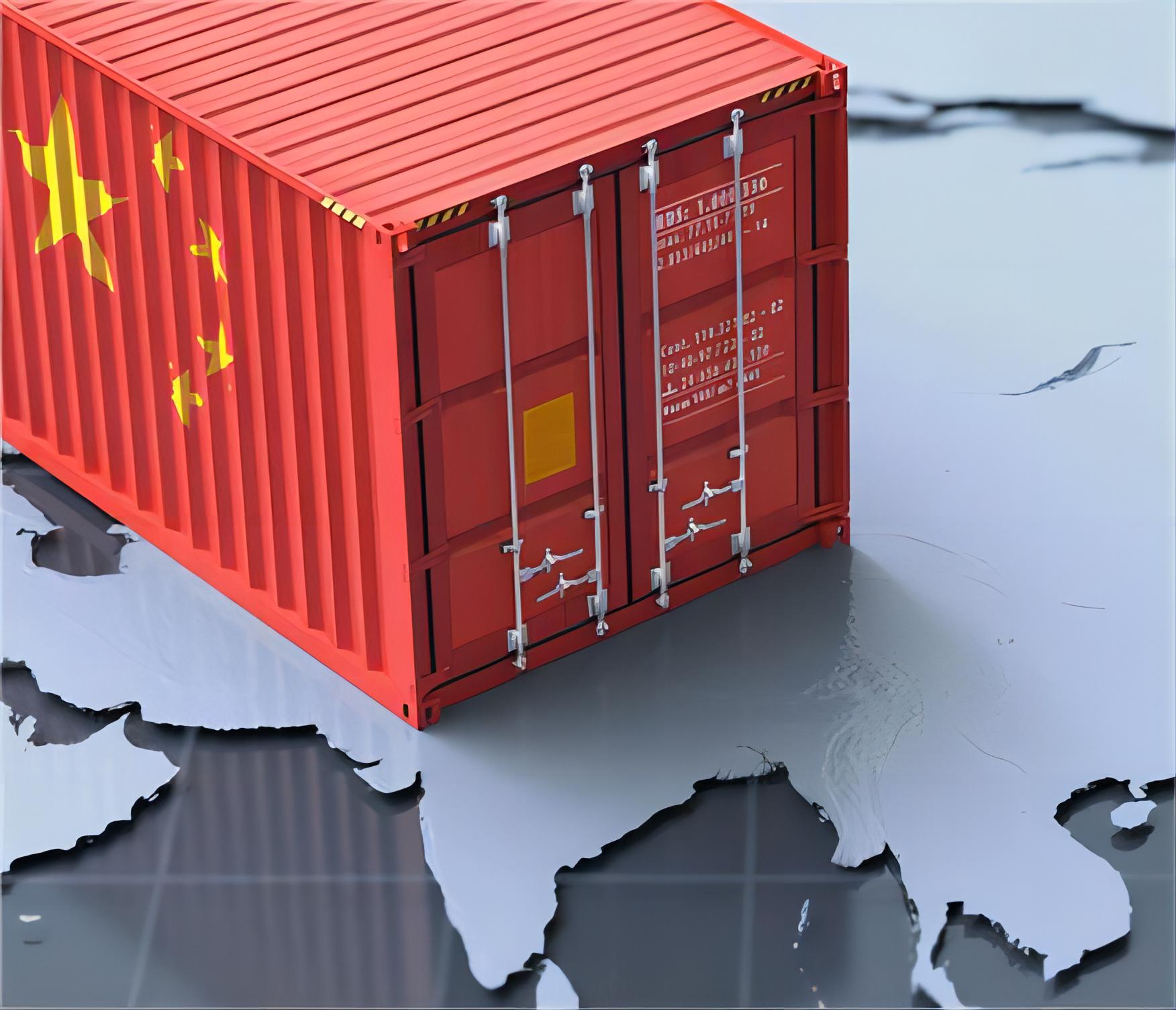
Full Container Load (FCL) shipping involves reserving an entire shipping container exclusively for your cargo. This method is particularly suitable for businesses importing large quantities of goods, such as various hardware tools, from China. When shipping hardware tools, FCL ensures your products are secured in a single container, minimizing handling and potential damage during transit.
Consequently, FCL provides enhanced security and efficiency for your valuable inventory. It is often the most cost-effective solution when your shipment volume is sufficient to fill a 20-foot or 40-foot container. Understanding FCL is the first step towards optimizing your supply chain for hardware tool imports.
Why Choose FCL for Your Hardware Tool Imports to New Jersey?
Opting for FCL shipping offers numerous benefits, especially for bulk hardware tool imports. Firstly, it provides superior cargo protection; your tools are not mixed with other shippers’ goods, reducing the risk of contamination or damage. Moreover, FCL generally offers faster transit times compared to LCL (Less than Container Load) because there’s no need for consolidation or deconsolidation at port.
Additionally, FCL shipping can lead to significant cost savings on a per-unit basis for high-volume shipments. This method offers greater control over your delivery schedule and supply chain, which is crucial for managing inventory effectively. Furthermore, FCL streamlines customs clearance processes, as the entire container belongs to a single consignee.
Understanding the FCL Shipping Process: China to New Jersey
The FCL shipping journey for hardware tools from China to New Jersey involves several critical stages. Initially, you’ll need to book a container with a reliable freight forwarder. Once confirmed, the empty container is delivered to your supplier’s warehouse in China for loading. After loading and sealing, the container is transported to the port of loading.
Subsequently, the container is loaded onto a vessel bound for the Port of New York and New Jersey. Upon arrival, the container undergoes customs inspection and clearance. Finally, it is transported via truck or rail to your designated warehouse or distribution center in New Jersey. Throughout this process, efficient customs brokerage is vital for smooth operations.
Key Factors Influencing FCL Shipping Costs and Transit Times
Several variables significantly impact the final shipping costs and estimated transit times for FCL hardware tool shipments. Ocean freight rates, for instance, fluctuate based on global demand, fuel surcharges, and carrier capacity. Peak seasons, such as before major holidays or during Q3 and Q4, typically see higher rates and longer transit times.
Furthermore, the specific port of loading in China (e.g., Shanghai, Ningbo, Shenzhen) and the port of discharge in New Jersey can influence both cost and speed. Other charges include origin charges (THC, documentation), destination charges, and customs duties. Therefore, obtaining a detailed quote from an experienced freight forwarder is essential for accurate budgeting and delivery schedule planning. Consider sea freight as the primary method for these shipments.
How Does FCL Compare to Other Shipping Options?
Choosing the right shipping method for your hardware tools is paramount. While FCL offers distinct advantages for large volumes, it’s crucial to understand how it stacks up against alternatives like LCL and air freight. Each method has its own cost implications, transit time, and suitability for different cargo types and urgency levels.
For example, LCL shipping is ideal for smaller shipments that don’t fill an entire container, allowing businesses to share container space and reduce costs. However, LCL typically involves more handling and longer transit times due to consolidation. On the other hand, air freight provides the fastest delivery but at a significantly higher cost, making it suitable for urgent or high-value, low-volume items. A comprehensive door-to-door service can simplify either option.
| Shipping Method | Cost Range (China to USA East) | Transit Time | Best For | Limitations |
|---|---|---|---|---|
| FCL (20GP/40HQ) | $2,500-$6,000 | 30-35 days | Large volume, heavy goods, security | Longer transit times, high minimum volume |
| LCL (per CBM) | $50-$80/CBM | 35-45 days | Small to medium volume (under 15 CBM) | More handling, potential delays, less control |
| Air Freight (per kg) | $5-$10/kg | 5-10 days | Urgent, high-value, light goods | Very high cost, volume/weight restrictions |

Navigating Customs and Regulations for Hardware Tools in New Jersey
Importing hardware tools into the United States, specifically through New Jersey ports, requires strict adherence to U.S. Customs and Border Protection (CBP) regulations. Importers must ensure all products comply with safety standards, labeling requirements, and intellectual property laws. Incorrect documentation or non-compliance can lead to significant delays, fines, or even seizure of goods.
Therefore, accurate Harmonized Tariff Schedule (HTS) classification for your hardware tools is critical for determining applicable duties and taxes. Furthermore, preparing all necessary import documents, such as the commercial invoice, packing list, bill of lading, and any required permits or certificates, is essential. Working with an experienced freight forwarder can greatly simplify this complex process.
Optimizing Your FCL Shipments: Strategies for Cost and Efficiency
To maximize the benefits of FCL shipping for your hardware tools, strategic planning is key. Firstly, consolidating your orders from multiple suppliers into a single FCL container can significantly reduce per-unit shipping costs. This approach optimizes container utilization and minimizes logistics overhead. Secondly, planning your shipments well in advance helps you avoid peak season surcharges and secure better freight rates.
Moreover, choosing the right Incoterms (International Commercial Terms) is vital, as they define the responsibilities and costs between buyer and seller. Regularly reviewing your supply chain for potential bottlenecks and streamlining your internal processes will also contribute to greater efficiency. We assist with shipping from China to North America, ensuring smooth operations.
Case Study 1: Large Volume of Hand Tools
A New Jersey-based distributor of hand tools needed to import a substantial volume of wrenches, pliers, and screwdrivers from multiple factories in Ningbo. Consolidating these into a single 40HQ container optimized their shipping budget and transit time. This strategy reduced their overall logistics spend by 20% compared to previous LCL shipments.
Key Insight: Strategic consolidation from various suppliers into one FCL container proved highly cost-effective and simplified customs procedures at the Port of New York and New Jersey.
| Detail | Description |
|---|---|
| Route | Ningbo, China to Port of New York and New Jersey, USA |
| Cargo | Assorted Hand Tools, 65 CBM, 22,000 kg |
| Container | 40HQ |
| Shipping Details | Carrier: COSCO, Port of Loading: Ningbo, Port of Discharge: New York/New Jersey, Route Type: Direct |
| Cost Breakdown | Ocean Freight: $5,200 (Q1 2025 rates), Origin Charges: $450, Destination Charges: $550, Customs & Duties (estimated): $1,800, Total Landed Cost: $8,000 |
| Timeline | Booking to Loading: 5 days, Sea Transit: 32 days, Customs Clearance: 3 days, Total Door-to-Door: 40 days |
Case Study 2: Power Tools for Retail Chain
A national retail chain required a consistent supply of power drills and saws from Shenzhen for their East Coast distribution centers. Utilizing FCL allowed them to maintain a predictable inventory flow and benefit from stable freight rates secured through a long-term contract. Despite Q4 peak season, careful planning mitigated significant rate increases.
Key Insight: Consistent FCL shipments via a reputable carrier provided stability and cost predictability crucial for large retail operations, even during volatile market periods.
| Detail | Description |
|---|---|
| Route | Shenzhen, China to Port of New York and New Jersey, USA |
| Cargo | Power Drills and Saws, 50 CBM, 18,000 kg |
| Container | 40GP |
| Shipping Details | Carrier: Maersk, Port of Loading: Shenzhen, Port of Discharge: New York/New Jersey, Route Type: Direct |
| Cost Breakdown | Ocean Freight: $4,800 (Q4 2024 rates), Origin Charges: $400, Destination Charges: $500, Customs & Duties (estimated): $1,500, Total Landed Cost: $7,200 |
| Timeline | Booking to Loading: 7 days, Sea Transit: 34 days, Customs Clearance: 4 days, Total Door-to-Door: 45 days (incl. peak season buffer) |
Case Study 3: Specialized Fasteners for Manufacturing
A specialized manufacturing company in New Jersey needed a reliable supply of custom fasteners and small hardware components from Shanghai. Due to the high value and precise nature of the components, FCL was chosen for its security and direct transit. This minimized handling risks and ensured timely delivery to their production line.
Key Insight: For high-value or critical components, FCL provides an unparalleled level of security and directness, which is essential for maintaining strict production schedules and product integrity.
| Detail | Description |
|---|---|
| Route | Shanghai, China to Port of New York and New Jersey, USA |
| Cargo | Custom Fasteners and Hardware, 28 CBM, 10,000 kg |
| Container | 20GP |
| Shipping Details | Carrier: MSC, Port of Loading: Shanghai, Port of Discharge: New York/New Jersey, Route Type: Direct |
| Cost Breakdown | Ocean Freight: $3,000 (Early 2025 rates), Origin Charges: $350, Destination Charges: $450, Customs & Duties (estimated): $1,200, Total Landed Cost: $5,000 |
| Timeline | Booking to Loading: 6 days, Sea Transit: 30 days, Customs Clearance: 3 days, Total Door-to-Door: 39 days |
Which FCL Shipping Option Should You Choose?
Deciding on the optimal FCL shipping strategy for your hardware tools depends on several key considerations. If budget is your primary concern, consolidating your shipments into the largest possible container (e.g., 40HQ) and opting for standard ocean freight routes will typically offer the best per-unit cost. However, this might mean a longer transit time.
Conversely, if speed is paramount, choosing direct services with minimal transshipment can shave days off your delivery schedule, though often at a slightly higher premium. Cargo type also plays a role; fragile or high-value hardware tools benefit from FCL’s reduced handling. Ultimately, balancing cost, speed, and cargo security will guide your decision.
Market Trends and Future Outlook for China-New Jersey Freight
The global freight market is dynamic, with various factors influencing FCL shipping rates and availability. As of Q1 2025, freight rates from China to the USA East Coast have generally stabilized after fluctuations caused by global events, though regional disruptions can still occur. Fuel costs and carrier capacity remain significant drivers of pricing.
Market data suggests a continued focus on supply chain resilience and diversified sourcing. Seasonal patterns, such as pre-Lunar New Year rushes and Q3/Q4 peak seasons, consistently lead to increased demand and potentially higher rates. Therefore, staying informed about logistics trends and planning proactively is crucial for effective FCL shipping for hardware tools.
Conclusion
In summary, FCL shipping for hardware tools from China to New Jersey offers a reliable, secure, and often cost-effective solution for businesses importing substantial volumes. By understanding the process, key influencing factors, and available alternatives, you can make informed decisions to optimize your supply chain. Partnering with an experienced freight forwarder is essential for navigating the complexities of international logistics and ensuring successful delivery of your hardware tools.
Note: Freight rates are subject to change based on fuel costs, carrier capacity, and seasonal demand. Contact us for a current quote tailored to your specific shipment.

Ready to streamline your logistics?
Ready to optimize your FCL shipping for hardware tools from China to New Jersey? Contact us today for a personalized quote and expert guidance on your next shipment. Our team is prepared to streamline your logistics and ensure timely, cost-effective delivery.
Request Quote