

LCL Shipping China to Germany: Your Complete Guide
Navigating international logistics can be complex, especially when shipping goods from China to Germany. Businesses often seek cost-effective solutions for smaller cargo volumes, making Less than Container Load (LCL) shipping an ideal choice. This comprehensive guide explores the intricacies of LCL shipping from China to Germany, offering insights to streamline your supply chain. Discover how China Top Freight can simplify your international freight needs.
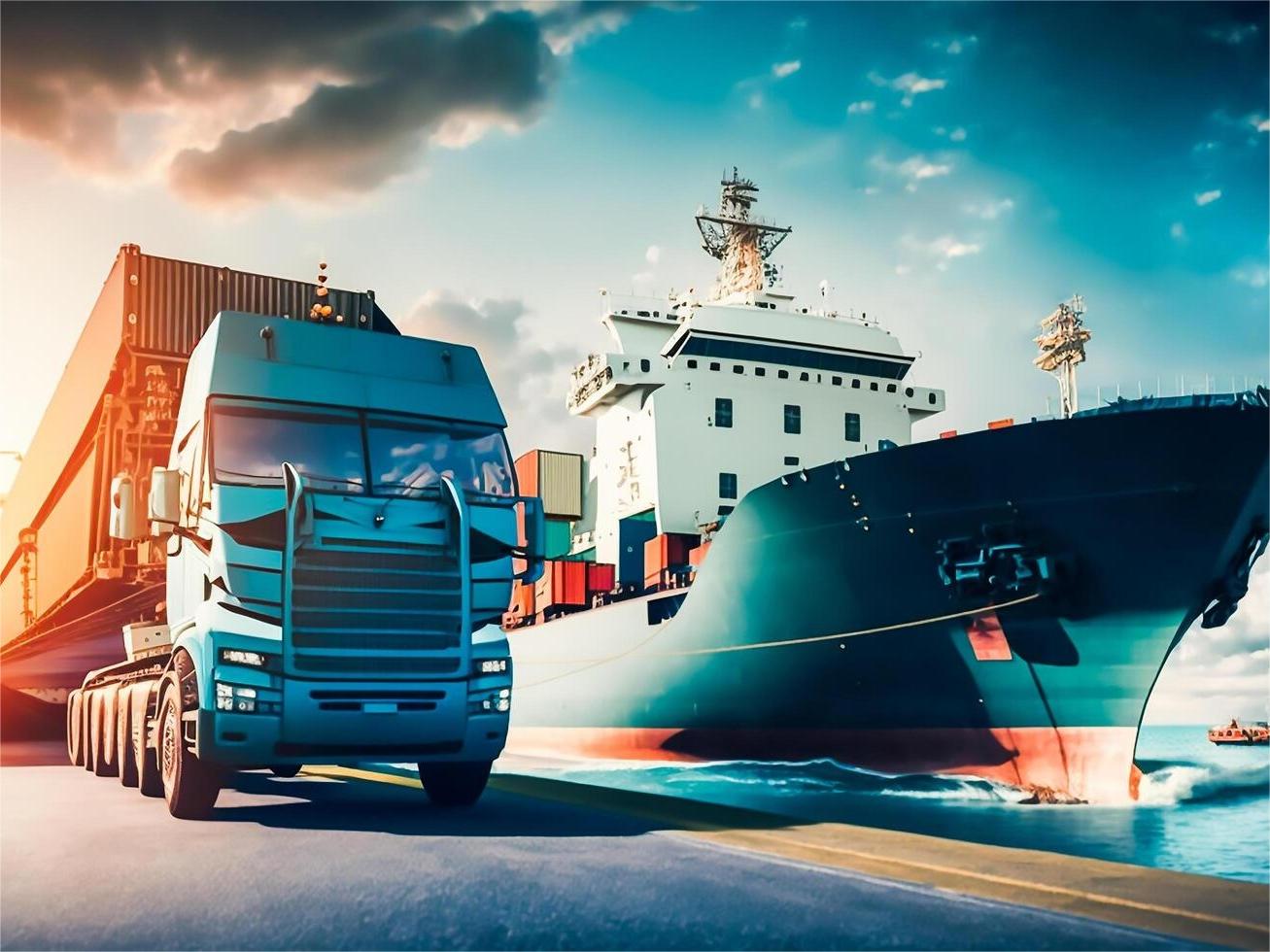
What is LCL Shipping and Why Choose It for China to Germany?
LCL, or Less than Container Load, refers to ocean freight shipments that do not fill an entire shipping container. Instead, your cargo shares container space with other consignments destined for the same region. This method is particularly beneficial for smaller businesses and those with fewer goods to transport.
Choosing LCL shipping from China to Germany offers significant cost advantages over Full Container Load (FCL) for lower volume shipments. You only pay for the space your cargo occupies, making it a budget-friendly option. Furthermore, it provides flexibility for companies managing fluctuating inventory levels.
Moreover, LCL services support a more agile supply chain, allowing for more frequent, smaller shipments rather than large, infrequent ones. This can reduce warehousing costs and improve cash flow. Ultimately, LCL is an excellent solution for import/export businesses targeting the European market.
Indeed, it is ideal for businesses that do not have enough cargo to justify the cost of an entire container. This flexibility helps small to medium-sized enterprises (SMEs) compete effectively in global trade. It also minimizes inventory holding risks for many product types.
Key Factors Influencing LCL Shipping Costs from China to Germany
Determining the exact cost of LCL shipping from China to Germany involves several variables. Understanding these factors is crucial for accurate budgeting and strategic planning. Freight rates are subject to constant market fluctuations, influenced by global demand and supply.
Firstly, the volume and weight of your cargo are primary determinants. LCL freight is typically charged per cubic meter (CBM) or per 1000 kg, whichever yields a higher cost. Therefore, efficient packaging can help reduce your overall shipping expenses significantly.
Secondly, origin and destination charges add to the total cost. Origin charges include trucking to the consolidation warehouse, handling fees, and export customs clearance. Conversely, destination charges cover deconsolidation, handling at the German port, and local delivery.
Furthermore, fuel surcharges (BAF) and currency adjustment factors (CAF) are common additions that reflect market conditions. These surcharges can vary monthly, impacting the final freight rates. Always confirm these with your freight forwarder.
Finally, customs duties, taxes, and insurance premiums also contribute to the total landed cost. Germany, as part of the EU, has specific import tariffs and VAT regulations. Obtaining comprehensive cargo insurance is highly recommended to protect your investment during transit.
As of Q1 2025, LCL rates from major Chinese ports to Germany typically range from $50 to $120 per CBM, depending on the service level and current market conditions. However, these figures exclude local charges and duties. Always request a detailed quote.
Understanding LCL Transit Times from China to Germany
Transit time is another critical consideration for LCL shipping from China to Germany. While LCL is cost-effective, it generally takes longer than air freight due to its nature. Typical sea transit times vary based on the specific ports and chosen shipping lines.
Generally, expect LCL shipments from major Chinese ports like Shanghai, Ningbo, or Shenzhen to German ports such as Hamburg or Bremerhaven to take between 30 to 45 days. This duration includes consolidation, ocean transit, and deconsolidation processes.
Several factors can influence these timelines. Port congestion at either end, adverse weather conditions, and customs clearance delays are common occurrences. Peak seasons, such as before major holidays like Chinese New Year or Christmas, can also extend transit times.
Moreover, the efficiency of your chosen freight forwarder plays a significant role in minimizing delays. A reliable forwarder with a strong network can expedite consolidation and deconsolidation processes. They can also provide real-time tracking updates, offering greater transparency.
Door-to-door LCL services will naturally involve additional time for inland transportation at both origin and destination. Therefore, planning your supply chain with a buffer period is always advisable. Consider this when setting delivery schedules for your customers.
For urgent shipments, even if small, alternative methods might be more suitable. However, for standard inventory replenishment, LCL remains a viable and economical choice. Always discuss expected transit times with your logistics partner.
How Does LCL Shipping Compare to Other Shipping Options?
When planning your logistics strategy from China to Germany, understanding the alternatives to LCL shipping is essential. Each method offers distinct advantages and disadvantages concerning cost, speed, and suitability for different cargo types. This comparison will help you make an informed decision.
While LCL is excellent for smaller shipments, other options might better suit specific needs. For instance, Full Container Load (FCL) shipping provides dedicated container space, which can be more cost-effective for larger volumes. Air freight, on the other hand, prioritizes speed above all.
Rail freight presents a balanced option, combining reasonable costs with faster transit times than sea freight. However, its availability and routing are more restricted compared to ocean or air services. Each mode of transport serves a unique purpose in the global supply chain.
Consider your priorities: is it budget, speed, or cargo security? Your answer will guide you toward the most appropriate shipping method. Sometimes, a hybrid approach might even be the best solution for complex logistics requirements.
| Shipping Method | Cost Range (per CBM/kg) | Transit Time | Best For | Limitations |
|---|---|---|---|---|
| LCL Sea Freight | $50-120/CBM | 30-45 days | Small to medium volumes, non-urgent, cost-sensitive | Longer transit, potential for consolidation delays |
| FCL Sea Freight | $3,000-4,200/40HQ | 28-35 days | Large volumes, dedicated container, better security | Expensive for small cargo, less flexible schedules |
| Air Freight | $4-8/kg | 3-7 days | Urgent, high-value, perishable goods, small packages | Highest cost, volume/weight restrictions, fuel surcharges |
| Rail Freight | $150-250/CBM | 18-25 days | Medium urgency, balanced cost/speed, certain routes | Less flexible routes, limited capacity, customs at borders |
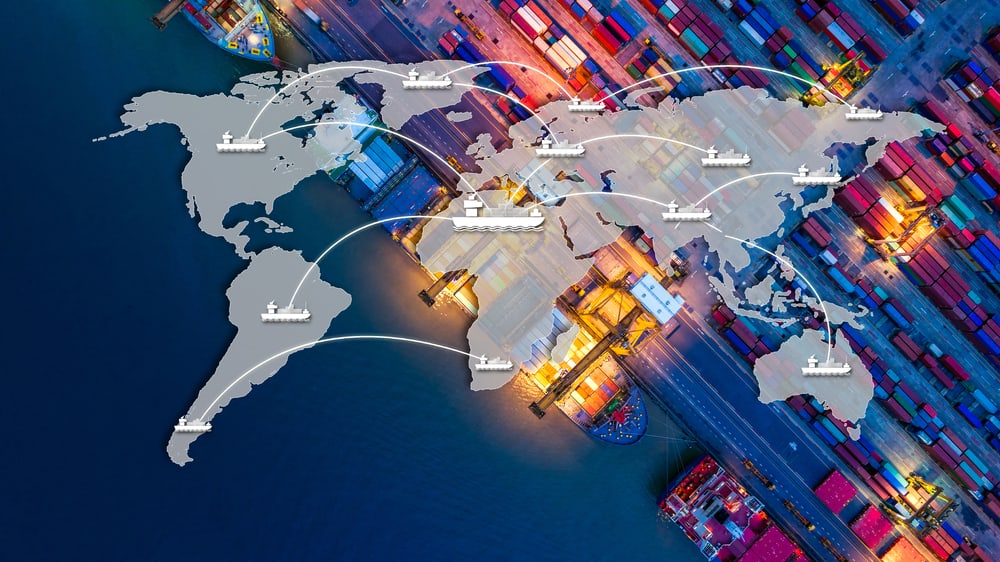
Navigating Customs and Documentation for Germany Imports
Successful LCL shipping from China to Germany heavily relies on meticulous customs clearance and accurate documentation. Germany, as an EU member, adheres to strict import regulations. Therefore, proper preparation is paramount to avoid delays and penalties.
Firstly, you will need a commercial invoice, packing list, and bill of lading (B/L) as standard documents. The commercial invoice must accurately declare the goods’ value, quantity, and description. Any discrepancies can lead to significant customs issues.
Secondly, depending on the nature of your goods, additional permits or certificates might be required. These could include certificates of origin, health certificates for food products, or CE marking for electronic goods. Always verify specific requirements for your product category.
Furthermore, ensuring your Harmonized System (HS) codes are correct is vital for proper classification and duty assessment. Incorrect HS codes are a common cause of customs delays and can result in incorrect tariffs. A professional customs broker can provide invaluable assistance here.
Appointing a reliable customs broker is highly recommended, especially for first-time importers. They possess the expertise to navigate complex regulations, prepare necessary declarations, and facilitate smooth clearance. This service can save you time and prevent costly mistakes.
Remember, all documentation must be precise and consistent across all forms. Even minor errors can trigger inspections and hold-ups at the port of entry. Timely submission of documents is also crucial for maintaining your delivery schedule.
Optimizing Your LCL Shipments: Strategies for Efficiency and Savings
Maximizing the efficiency and cost-effectiveness of your LCL shipping from China to Germany requires strategic planning. Implementing smart practices can significantly streamline your supply chain and reduce overall expenses. These strategies are applicable for both new and experienced importers.
Firstly, consolidate multiple small orders into a single LCL shipment whenever possible. This reduces individual handling fees and minimum charges, leading to substantial savings. Many freight forwarders offer consolidation services at their warehouses.
Secondly, choose appropriate Incoterms (International Commercial Terms) for your shipments. Terms like Ex Works (EXW) or Free On Board (FOB) determine who is responsible for costs and risks at different stages. Understanding these can help manage costs and liabilities effectively.
Thirdly, optimize your packaging. Using durable, compact, and stackable packaging can reduce your chargeable volume or weight. This directly impacts your freight costs, as LCL is often charged by volume. Protecting your goods also prevents damage during transit.
Moreover, maintaining clear and consistent communication with your supplier and freight forwarder is paramount. Accurate information regarding cargo dimensions, weight, and readiness dates helps avoid last-minute issues and ensures smooth operations. Proactive communication prevents many common shipping problems.
Finally, consider the timing of your shipments. Avoiding peak seasons like Chinese New Year or Golden Week can result in lower rates and faster transit times. Planning ahead helps bypass these busy periods, securing better service and pricing. This foresight can save both time and money.
Real-World Scenarios: LCL Shipping Success Stories
Understanding LCL shipping concepts is one thing, but seeing them in action provides invaluable insight. These case studies highlight practical applications and outcomes of LCL shipments from China to Germany. They demonstrate how businesses successfully navigate complex logistics.
Each scenario illustrates different challenges and solutions encountered during international freight. These examples showcase the flexibility and cost-efficiency that LCL offers. They also underscore the importance of a reliable logistics partner for smooth operations.
Case Study 1: Small E-commerce Business Importing Electronics
A German e-commerce startup regularly imports small batches of consumer electronics from Shenzhen, China. Their orders are typically around 3-4 CBM, making FCL shipping uneconomical. They needed a reliable, cost-effective solution with predictable transit times.
| Detail | Description |
|---|---|
| Route | Shenzhen, China -> Hamburg, Germany |
| Cargo | Consumer electronics, 3.5 CBM, 450 kg |
| Container | LCL 3.5 CBM |
| Carrier/Service | Major carrier via sea freight |
| Port of Loading | Shenzhen |
| Port of Discharge | Hamburg |
| Route Type | Direct |
| Ocean Freight (Q4 2024) | $350 |
| Origin Charges | $120 |
| Destination Charges | $200 |
| Customs & Duties (estimated) | $150 |
| Total Landed Cost | $820 |
| Booking to Loading | 5 days |
| Sea Transit | 32 days |
| Customs Clearance | 3 days |
| Total Door-to-Door | 40 days |
| Key Insight | LCL provided cost-efficiency and flexibility for frequent, smaller inventory replenishments. Strategic planning avoided peak season surcharges. |

Case Study 2: Manufacturer Sourcing Component Parts
A German manufacturing company regularly imports specialized machine components from multiple suppliers across China. Their combined monthly volume averages 7 CBM. They required efficient consolidation and reliable delivery to their factory near Stuttgart.
| Detail | Description |
|---|---|
| Route | Ningbo/Shanghai, China -> Bremerhaven, Germany |
| Cargo | Machine components, 6.8 CBM, 1200 kg |
| Container | LCL 6.8 CBM |
| Carrier/Service | Consolidation service with customs brokerage |
| Port of Loading | Ningbo, Shanghai |
| Port of Discharge | Bremerhaven |
| Route Type | Transshipment via Singapore |
| Ocean Freight (Q1 2025) | $680 |
| Origin Charges | $200 (includes multiple pick-ups) |
| Destination Charges | $350 |
| Customs & Duties (estimated) | $280 |
| Total Landed Cost | $1510 |
| Booking to Loading | 7 days |
| Sea Transit | 38 days |
| Customs Clearance | 4 days |
| Total Door-to-Door | 49 days |
| Key Insight | Consolidation of multiple suppliers into one LCL shipment saved significantly on individual shipping costs. Expert customs handling ensured compliance. |
Case Study 3: Retailer Importing Fashion Accessories
A fashion retailer in Berlin needed to import a seasonal collection of accessories from Guangzhou. The shipment was 2 CBM and required careful handling. They opted for an LCL solution with reliable tracking and door-to-door delivery to their warehouse.
| Detail | Description |
|---|---|
| Route | Guangzhou, China -> Hamburg, Germany |
| Cargo | Fashion accessories, 2.1 CBM, 280 kg |
| Container | LCL 2.1 CBM |
| Carrier/Service | Door-to-Door LCL service |
| Port of Loading | Guangzhou |
| Port of Discharge | Hamburg |
| Route Type | Direct |
| Ocean Freight (Q2 2025) | $220 |
| Origin Charges | $90 |
| Destination Charges | $180 (includes last-mile delivery) |
| Customs & Duties (estimated) | $90 |
| Total Landed Cost | $580 |
| Booking to Loading | 4 days |
| Sea Transit | 30 days |
| Customs Clearance | 2 days |
| Total Door-to-Door | 38 days |
| Key Insight | The door-to-door service simplified logistics for the retailer, making the process seamless from factory to warehouse. Timely delivery supported seasonal sales. |
Choosing the Right Freight Forwarder for Your China-Germany Route
Selecting a competent freight forwarder is arguably the most critical decision for successful LCL shipping from China to Germany. A reliable partner can transform a complex process into a seamless operation. Look for specific qualities and services to ensure optimal results.
Firstly, assess their experience with the China-Germany trade lane. A forwarder with established networks and local expertise in both regions can navigate challenges more effectively. They should have strong relationships with carriers and customs officials.
Secondly, inquire about their consolidation capabilities. A good LCL forwarder will have efficient consolidation centers in major Chinese ports. This ensures timely loading and minimizes delays for your cargo. They should also offer flexible scheduling.
Thirdly, evaluate their communication and transparency. You need a partner who provides regular updates and clear communication regarding your shipment’s status. Real-time tracking and responsive customer service are essential for peace of mind.
Furthermore, consider the range of services they offer. Does the forwarder provide customs brokerage, warehousing, or last-mile delivery? A comprehensive service package, such as Amazon FBA logistics, can simplify your entire supply chain. This holistic approach can save you time and coordination efforts.
Finally, always compare quotes from multiple reputable forwarders. While cost is important, prioritize reliability and service quality over the lowest price. A slightly higher fee for superior service can prevent costly delays and damages in the long run. This due diligence ensures a strong partnership.
Conclusion: Streamlining Your LCL Shipping from China to Germany
LCL shipping from China to Germany presents an excellent solution for businesses managing smaller cargo volumes. This method offers a cost-effective and flexible alternative to full container loads, supporting agile supply chains. Understanding the nuances of costs, transit times, and customs procedures is crucial for success.
By strategically planning your shipments, optimizing packaging, and partnering with an experienced freight forwarder, you can significantly enhance efficiency. Remember, meticulous documentation and proactive communication are key to avoiding delays. Ultimately, a well-managed LCL strategy can drive your business forward.
Note: Freight rates are subject to change based on fuel costs, carrier capacity, and seasonal demand. Contact us for a current quote tailored to your specific shipment.

Need a tailored shipping solution?
Ready to optimize your LCL shipping from China to Germany? Contact our experts today for a personalized consultation and a competitive quote. We are here to streamline your logistics and ensure your cargo reaches its destination efficiently. Let us handle the complexities so you can focus on your business.