

Navigating 20GP FCL Insurance for Machinery from China to Illinois
Importing valuable machinery from China to Illinois demands meticulous planning and robust protection. Indeed, ensuring your 20GP Full Container Load (FCL) shipment is adequately insured safeguards your investment against unforeseen risks. At China Top Freight, we understand the complexities of international logistics and the critical need for comprehensive insurance solutions. Consequently, we help businesses like yours navigate these challenges, ensuring peace of mind throughout the entire shipping journey.
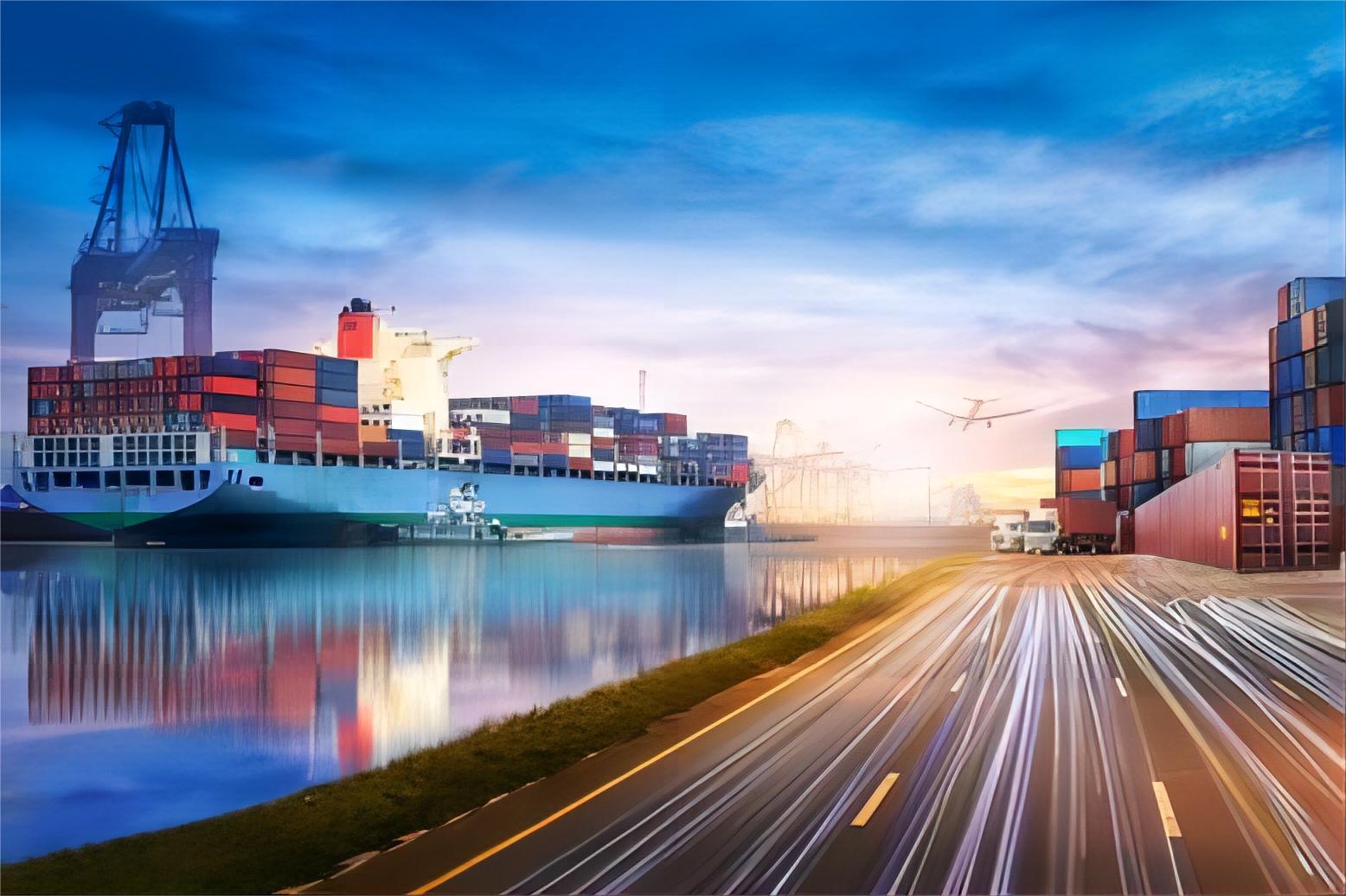
Understanding 20GP FCL Shipping for Machinery from China to Illinois
Shipping heavy or bulky machinery requires careful consideration of container types and logistics. A 20GP (General Purpose) FCL container is often the ideal choice for dedicated machinery shipments, offering exclusive use of the container. This method minimizes handling, thereby reducing the risk of damage during transit from China to Illinois. Understanding the specifics of full container load shipping is therefore the first crucial step toward a secure import.
Moreover, dedicated FCL containers prevent co-loading with other goods, which further reduces potential contamination or damage. This is especially important for sensitive or high-value industrial equipment. Consequently, opting for FCL ensures your machinery remains isolated and secure throughout its long journey across the ocean.
Why is 20GP FCL Insurance Crucial for Machinery Shipments?
Despite careful planning, international shipping inherently carries significant risks, especially for high-value machinery. From port congestion and rough seas to handling errors and accidental damage, numerous incidents can unfortunately occur. Consequently, robust cargo insurance for your 20GP FCL machinery from China to Illinois is not merely an option but a vital necessity. Furthermore, this protection ensures financial recovery in case of unforeseen loss or damage, safeguarding your significant investment.
Indeed, relying solely on carrier liability is a common mistake importers make. Carrier liability is often limited by international conventions and typically covers only a fraction of your machinery’s actual value. Therefore, comprehensive insurance provides the full financial security needed against the unexpected challenges of global logistics and protects your supply chain resilience.
Common Risks During Transit
During transit, machinery faces various perils, including theft, fire, collision, and natural disasters. Even with secure FCL shipping, unexpected events can lead to significant financial setbacks. Therefore, assessing potential risks and securing appropriate coverage is paramount for a smooth import process. Additionally, understanding these risks allows for better preparation and mitigation strategies, ensuring your delivery schedule remains on track.
Types of Cargo Insurance for Your Machinery Imports
Selecting the right type of cargo insurance is essential for comprehensive protection. Typically, three main clauses govern marine cargo insurance: Clauses A, B, and C. Clause A offers the broadest coverage, encompassing almost all risks of loss or damage to cargo, subject to specific exclusions. Conversely, Clause C provides the most basic coverage, usually limited to major casualties like vessel capsizing or total loss.
Generally, for high-value machinery, Clause A (All-Risk) coverage is highly recommended. It provides extensive protection against a wide array of potential incidents. Furthermore, understanding the nuances of these clauses ensures your policy aligns perfectly with the specific vulnerabilities of your industrial equipment and its journey to Illinois.
All-Risk vs. Named Perils Coverage
All-risk coverage, usually under Clause A, protects against all external causes of loss or damage unless specifically excluded. This is generally recommended for high-value machinery due to its extensive protection and coverage for unforeseen events. Named perils coverage, on the other hand, only covers risks explicitly listed in the policy, such as fire or collision. Therefore, carefully reviewing policy details ensures your specific machinery import needs are met, protecting against various logistics trends.

How Does 20GP FCL Insurance for Machinery from China to Illinois Work?
Securing insurance for your 20GP FCL machinery from China to Illinois involves several key steps. Initially, you will need to provide detailed information about your cargo, including its value, type of machinery, and the specific shipping route. The insurance provider then assesses these details to offer a tailored policy. Subsequently, the premium is calculated based on factors like cargo value, transit risks, and chosen coverage level.
Moreover, the process often involves a review of your packing methods and the carrier’s reputation. A robust packing strategy can sometimes lead to more favorable insurance rates. Consequently, proactive communication with your freight forwarder and insurer streamlines this process, ensuring all documentation is in order for a smooth transaction and optimal freight rates.
Valuing Your Machinery for Insurance
Accurate valuation of your machinery is critical for effective insurance coverage. This typically includes the Cost, Insurance, and Freight (CIF) value, which covers the cost of goods, insurance, and freight charges. Over-insuring can lead to unnecessary costs, while under-insuring leaves you vulnerable to significant financial losses. Therefore, working with experts helps determine the precise insurable value, ensuring adequate protection against shipping costs and potential losses.
Key Factors Influencing Insurance Costs and Coverage
Several variables significantly impact the cost and scope of your 20GP FCL insurance for machinery. The value and nature of the machinery itself are primary considerations; fragile or high-tech equipment often incurs higher premiums. Moreover, the chosen shipping route, including potential transshipment points, significantly influences risk assessment. Further, the reputation of the carrier and the port of discharge can also play a role in determining insurance rates.
Additionally, the duration of the transit, including potential storage periods, affects the overall risk profile. Seasonal factors, such as hurricane season or peak shipping periods, can also temporarily adjust premiums. Understanding these dynamic elements helps in obtaining the most cost-effective yet comprehensive coverage for your cargo handling needs.
Understanding Deductibles and Exclusions
Every insurance policy comes with deductibles, which is the amount you pay out-of-pocket before the insurance coverage kicks in. Additionally, policies contain specific exclusions, detailing what is not covered. For instance, losses due to war, riots, or inherent vice (defects in the cargo itself) are commonly excluded. Thoroughly understanding these terms prevents unwelcome surprises during a claim, especially concerning import/export regulations.
Navigating Customs and Regulations for Machinery in Illinois
Importing machinery into the U.S., specifically Illinois, involves strict customs procedures and regulatory compliance. Ensuring all documentation is accurate and complete is paramount to avoid delays and penalties. You will need commercial invoices, packing lists, bills of lading, and potentially specific permits or certifications for certain types of machinery. Our customs brokerage services can streamline this complex process, ensuring smooth entry into the U.S.
Moreover, understanding the role of various government agencies, such as the FDA or EPA for specific machinery types, is crucial. Non-compliance can lead to significant fines and prolonged delays in your delivery schedule. Therefore, partnering with an experienced customs broker is highly advisable to navigate these intricate regulations effectively.
Duties, Tariffs, and HS Codes
Identifying the correct Harmonized System (HS) code for your machinery is crucial for accurate duty and tariff calculations. These codes classify products and determine the applicable import taxes. Incorrect classification can lead to fines, shipment delays, or even seizure of goods. Therefore, partnering with experienced professionals is vital for proper classification and compliance, directly impacting your overall shipping costs.
How Does FCL Compare to Other Shipping Options for Machinery?
When shipping machinery from China to Illinois, businesses often weigh the benefits of Full Container Load (FCL) against other modes. While FCL offers dedicated space and reduced handling, alternative methods might suit specific needs. For example, Less than Container Load (LCL) is viable for smaller machinery, consolidating multiple shipments into one container. Conversely, air freight provides unparalleled speed for urgent or high-value, smaller items, albeit at a significantly higher cost.
Additionally, for larger volumes that don’t quite fill a 20GP, LCL can be a cost-effective alternative, though it typically involves more handling and longer transit times. Understanding these trade-offs is essential for optimizing your logistics strategy. Ultimately, the best choice depends on your specific cargo, budget, and urgency requirements.
| Shipping Method | Cost Range (20GP Equivalent) | Transit Time (China to Illinois) | Best For | Limitations |
|---|---|---|---|---|
| FCL Sea Freight | $2,500 – $4,000 | 28 – 45 days | Large, heavy, non-urgent machinery | Slowest, port congestion risk |
| LCL Sea Freight | $150 – $250 per CBM | 35 – 50 days | Smaller machinery, lower volume | More handling, potential delays |
| Air Freight | $8,000 – $15,000 (per 1000kg) | 5 – 10 days | Urgent, high-value, small/medium machinery | Very high cost, volume/weight limits |
Decision Framework: Which Option Should You Choose?
Selecting the optimal shipping method depends heavily on your priorities. For budget-conscious shipments where time is less critical, FCL sea freight remains the most economical choice for large machinery. If speed is paramount, especially for urgent parts or prototypes, air freight is indispensable despite its premium pricing. For medium-sized shipments that don’t fill a 20GP, LCL can offer a cost-effective compromise. Consider volume thresholds and cargo fragility when making your decision to optimize your freight rates.
Real-World Scenarios: Insuring Machinery Shipments
Examining real-world examples helps illustrate the practical application and benefits of robust cargo insurance. These scenarios demonstrate how proper planning and comprehensive 20GP FCL insurance for machinery from China to Illinois mitigate financial risks. They also highlight the various complexities involved in international logistics, from origin to final destination.
Note: Freight rates are subject to change based on fuel costs, carrier capacity, and seasonal demand. Contact us for a current quote tailored to your specific shipment.
Case Study 1: Large CNC Machine to Chicago
This scenario highlights the importance of comprehensive coverage for high-value equipment. The client needed to import a critical CNC machine for their manufacturing facility in Chicago, emphasizing minimal risk and a predictable delivery schedule.
| Detail | Description |
|---|---|
| Route: | Shanghai, China Chicago, Illinois |
| Cargo: | CNC Machine, 25 CBM, 12,000 kg |
| Container: | 20GP FCL |
| Shipping Details: | |
| – Carrier/Service: | COSCO |
| – Port of Loading: | Shanghai |
| – Port of Discharge: | Savannah, then rail to Chicago |
| – Route Type: | Direct ocean to Savannah, intermodal to Illinois |
| Cost Breakdown: | (Based on Q1 2025 market rates) |
| – Ocean Freight: | $3,100 |
| – Origin Charges (THC, documentation): | $350 |
| – Destination Charges: | $400 |
| – Customs & Duties (estimated): | $800 |
| – Total Landed Cost: | $4,650 |
| Timeline: | |
| – Booking to Loading: | 5 days |
| – Sea Transit: | 28 days |
| – Customs Clearance: | 3 days |
| – Total Door-to-Door: | 36 days |
| Key Insight: | Securing all-risk 20GP FCL insurance for machinery from China to Illinois proved vital when a minor forklift incident occurred during unloading at the Chicago rail yard, covering repair costs and preventing significant business disruption. |
Case Study 2: Industrial Robot Arms to Peoria
This case demonstrates managing risks with efficient transit for valuable, sensitive equipment. A client required two industrial robot arms for an automation project in Peoria, necessitating careful handling and expedited transit time.
| Detail | Description |
|---|---|
| Route: | Ningbo, China Peoria, Illinois |
| Cargo: | Industrial Robot Arms (2 units), 28 CBM, 15,000 kg |
| Container: | 20GP FCL |
| Shipping Details: | |
| – Carrier/Service: | MSC |
| – Port of Loading: | Ningbo |
| – Port of Discharge: | Long Beach, then rail to Chicago |
| – Route Type: | Direct ocean to West Coast, intermodal to Illinois |
| Cost Breakdown: | (Typical rates as of early 2025) |
| – Ocean Freight: | $2,900 |
| – Origin Charges (THC, documentation): | $300 |
| – Destination Charges: | $380 |
| – Customs & Duties (estimated): | $750 |
| – Total Landed Cost: | $4,330 |
| Timeline: | |
| – Booking to Loading: | 4 days |
| – Sea Transit: | 16 days |
| – Rail Transit to Chicago: | 7 days |
| – Customs Clearance: | 3 days |
| – Total Door-to-Door: | 30 days |
| Key Insight: | The client opted for premium insurance, which covered minor water damage to packaging during a sudden storm at sea, preventing costly repairs to the delicate robot arms and ensuring project continuity. |
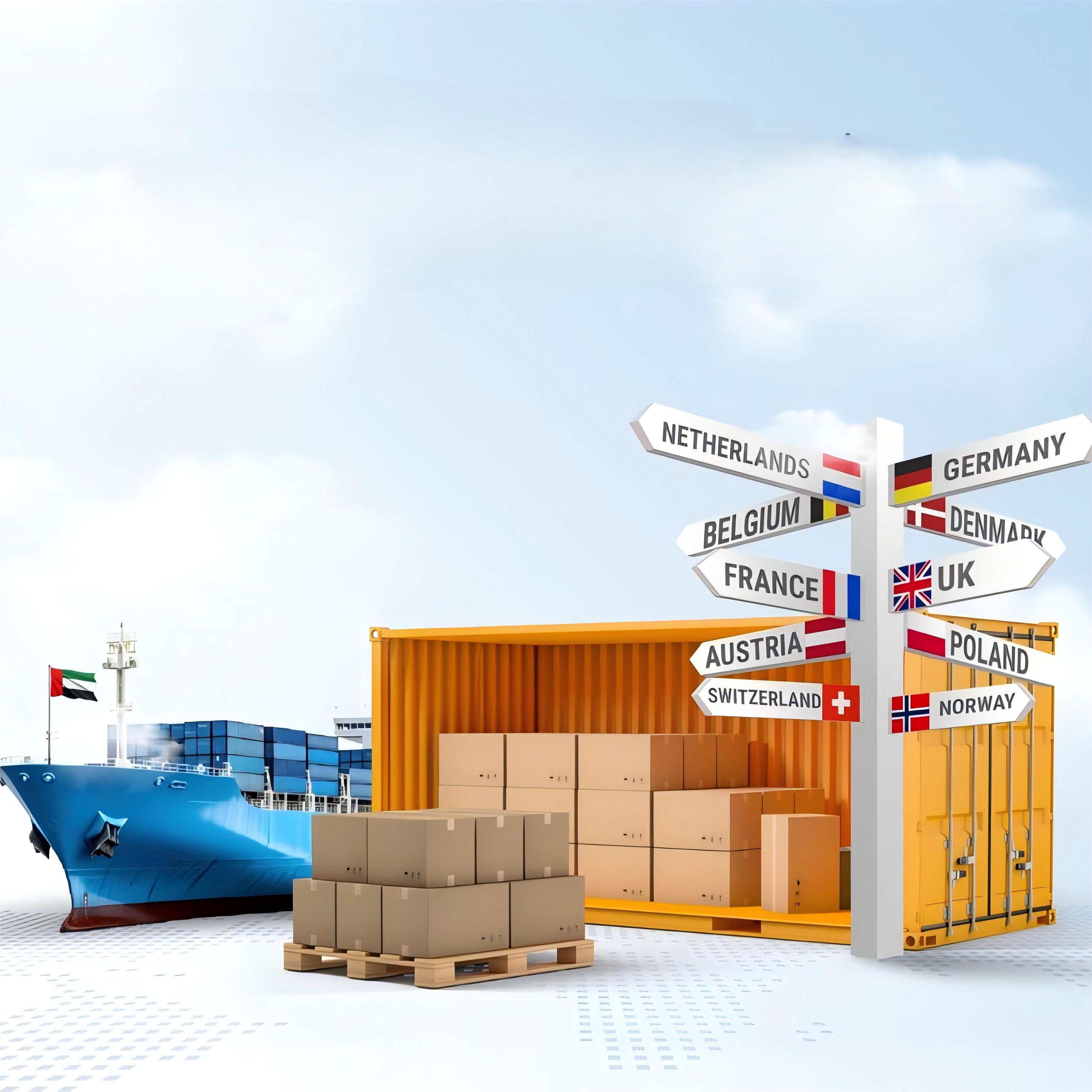
Optimizing Your Shipping Strategy and Insurance
Achieving cost-effective and secure machinery imports requires a holistic approach to your supply chain. Consider leveraging door-to-door services for seamless coordination from factory floor to your Illinois facility. This comprehensive solution integrates all aspects of logistics, from pickup and customs to final delivery. Furthermore, consolidating your logistics with one provider often streamlines communication and accountability, improving overall supply chain efficiency.
Moreover, proactive communication with your freight forwarder is paramount. Discussing your specific needs and priorities, including your budget for shipping costs and desired transit time, enables them to tailor the most suitable solutions. This collaborative approach minimizes potential delays and optimizes your freight rates, ensuring a smooth importation process.
Cost-Saving Strategies and Trade-Offs
While premium insurance offers peace of mind, balancing cost with coverage is key. For instance, opting for higher deductibles can lower premiums, but increases your out-of-pocket risk. Additionally, booking well in advance can often secure better freight rates, directly impacting your overall shipping costs. Discussing these trade-offs with your freight forwarder helps tailor a solution that fits your budget and risk tolerance for importing machinery.
Mitigating Risks and Ensuring Smooth Delivery
Effective risk management extends beyond just insurance; it involves proactive measures throughout the logistics process. Proper packaging and crating of machinery are fundamental to protecting against physical damage during transit and handling. Moreover, ensuring all shipping documents are meticulously prepared prevents customs delays, a common source of frustration and impact on delivery schedule. Regular communication with your freight forwarder provides transparency and allows for quick responses to any issues.
Furthermore, staying informed about global logistics trends and potential disruptions, such as port congestion or seasonal rate increases, helps in planning. This proactive approach allows you to anticipate challenges and adjust your shipping strategy accordingly. Ultimately, a well-managed process, combined with robust insurance, ensures your machinery arrives safely and on time.
The Role of a Reliable Freight Partner
A seasoned freight forwarder like China Top Freight is indispensable for navigating the complexities of international machinery shipping. We provide expert advice on routes, carriers, customs, and, crucially, comprehensive sea freight insurance options. Our extensive network ensures reliable service, whether you are shipping to North America or other global destinations. We aim to protect your investment and optimize your supply chain, ensuring efficient cargo handling.
Conclusion
In conclusion, securing comprehensive 20GP FCL insurance for machinery from China to Illinois is an indispensable step for any importer. It provides essential financial protection against the inherent risks of international shipping, safeguarding your valuable assets. By understanding the types of coverage, key influencing factors, and leveraging experienced logistics partners, you can ensure a seamless and protected supply chain. Protect your valuable assets with confidence and expertise.
Need a tailored shipping solution?
Ready to secure your next machinery import with robust 20GP FCL insurance from China to Illinois? Don’t leave your valuable equipment to chance. Contact China Top Freight today for a personalized quote and expert guidance tailored to your specific shipping needs. Our team is prepared to help you ensure a smooth, protected, and efficient delivery.