

Open Top FCL Booking Process for Electronics from China to California
Shipping high-value or oversized electronics from China to California demands specialized logistics. The Open Top Full Container Load (FCL) method offers a robust solution for cargo that cannot be loaded through standard container doors. This comprehensive guide details the Open Top FCL booking process for electronics from China to California, ensuring a smooth and secure transit for your valuable goods.
What is Open Top FCL Shipping and Why Choose it for Electronics?
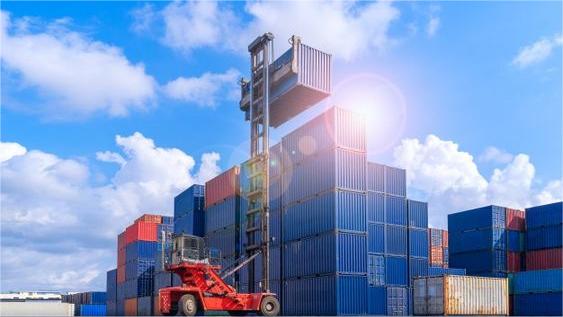
Open Top FCL refers to a standard shipping container, typically 20-foot or 40-foot, that lacks a fixed roof. Instead, it features a removable tarpaulin cover, enabling cargo to be loaded from the top using cranes. This design proves invaluable for items too tall or bulky for conventional container doors.
Crucially, for electronics such as large displays, industrial machinery, or specialized equipment, Open Top FCL offers unparalleled flexibility. It ensures safe loading and unloading, minimizing the risk of damage during transit. Furthermore, it accommodates items requiring specific vertical handling, which is often the case with delicate electronic components.
Navigating the Open Top FCL Booking Process for Electronics Shipments
Booking an Open Top FCL for electronics involves several critical steps, ensuring proper planning and execution. Initially, you must accurately measure your cargo’s dimensions and weight. This information determines the appropriate container size and type, whether a 20-foot or 40-foot open top.
Subsequently, selecting a reputable freight forwarder specializing in electronics and Open Top containers is paramount. They will assist with vessel booking, route planning, and necessary equipment. Therefore, communicating your specific needs, including any hazardous material classifications for electronics, is essential from the outset.
Indeed, securing the container involves confirming availability and negotiating freight rates. This often includes surcharges for special equipment and handling. Once confirmed, your forwarder will provide a booking confirmation with details like vessel name, sailing schedule, and cut-off times for cargo delivery to the port. Consider sea freight as the primary mode for these large shipments.
Pre-Shipment Preparations and Cargo Securing
Proper preparation is vital for electronics transported in Open Top containers. This involves robust packaging designed to protect against moisture, vibration, and impact. Consequently, specialized crating or skidding may be necessary to secure the electronics within the container.
Furthermore, inside the container, robust lashing and securing procedures are implemented. The cargo must be firmly braced to prevent movement during sea transit, which can be particularly harsh. This meticulous cargo handling safeguards the sensitive components of electronic goods.
Essential Documentation and Customs Clearance for Electronics to California
Successful import of electronics into California requires meticulous documentation and adherence to customs regulations. Initially, you will need a commercial invoice, packing list, bill of lading, and potentially a certificate of origin. These documents must accurately describe the electronics, including their value and quantity.
Moreover, electronics often fall under specific import regulations, particularly concerning safety standards (e.g., FCC, UL certifications) and tariff classifications. Therefore, working with an experienced customs brokerage service is crucial to ensure compliance and avoid delays.
Upon arrival at a California port, such as Los Angeles or Long Beach, your shipment will undergo customs clearance. This process involves duties, taxes, and potential inspections. Consequently, having all documentation prepared in advance streamlines this critical phase, preventing storage fees and further delays. Understanding these import/export requirements is key to a smooth delivery schedule.
Key Documents for Electronics Import
Preparing a complete set of documents is non-negotiable for importing electronics. Accuracy prevents costly errors and delays. This checklist outlines the primary documents required for your Open Top FCL booking process for electronics from China to California.
| Document | Purpose | Issued By | Notes |
|---|---|---|---|
| Commercial Invoice | Value, description of goods | Shipper | Used for customs valuation and duties |
| Packing List | Detailed contents, weights, dimensions | Shipper | Aids in cargo verification and inspection |
| Bill of Lading (B/L) | Contract of carriage, title to goods | Carrier/Forwarder | Essential for cargo release at destination |
| Certificate of Origin | Country of manufacture | Chamber of Commerce | May affect tariff rates under trade agreements |
| FCC/UL Certifications | Compliance with US standards | Testing Agencies | Mandatory for many electronic devices |
Open Top FCL vs. Other Shipping Methods: A Comparative Analysis
Choosing the right shipping method for electronics from China to California is pivotal, balancing speed, cost, and cargo requirements. While Open Top FCL excels for oversized or heavy electronics, other options exist for different scenarios. Understanding these alternatives helps optimize your logistics trends and freight rates.
For instance, standard FCL containers are suitable for electronics fitting through regular doors. Air freight offers speed for urgent or high-value, smaller shipments. Meanwhile, Less than Container Load (LCL) is cost-effective for smaller volumes that don’t fill a full container. Each method has distinct trade-offs in shipping costs and transit time.
Comparative Shipping Methods for Electronics
This table provides a clear overview of different shipping methods. It helps determine which option best suits your specific electronics cargo, considering budget priority, speed, and volume thresholds.
| Shipping Method | Cost Range (China-California) | Transit Time (Days) | Best For | Limitations |
|---|---|---|---|---|
| Open Top FCL | $2,800 – $4,500 (40HQ, 2024-2025) | 14 – 20 | Oversized, heavy, or tall electronics requiring top loading | Higher equipment surcharge, limited availability |
| Standard FCL (40HQ) | $2,500 – $3,800 (2024-2025) | 14 – 20 | Volume shipments of standard-sized electronics | Cannot accommodate oversized cargo |
| LCL (Less than Container Load) | $60 – $100 per CBM | 20 – 30 | Smaller shipments (under 15 CBM) not urgent | Longer transit, more handling, potential delays |
| Air Freight | $4 – $8 per kg (for general cargo) | 3 – 7 | Urgent, high-value, or time-sensitive electronics | Significantly higher cost, weight/volume restrictions |
Which Option Should You Choose?
Your decision framework should prioritize your specific business needs. Budget priority often leads to FCL or LCL sea freight. Conversely, speed priority dictates air freight or potentially express service for very small, urgent components.
Cargo type considerations are paramount for electronics. Delicate, tall, or heavy items are best suited for Open Top FCL. Volume thresholds also play a role; for instance, if your electronics shipment is less than 15 CBM, LCL might be more economical than a half-empty FCL. For comprehensive solutions, explore door to door services.
Real-World Success: Open Top FCL Case Studies for Electronics
Examining real-world scenarios provides practical insights into the Open Top FCL booking process for electronics from China to California. These examples highlight typical challenges and effective solutions for specialized cargo handling and supply chain management. They showcase the efficiency and reliability offered by this shipping method.
Case Study 1: Large Industrial Display Units
This case illustrates shipping oversized display units that required careful vertical handling and secure lashing. The Open Top FCL provided the necessary flexibility for loading and protection.
| Route: | Shanghai, China Los Angeles, USA |
| Cargo: | 15 Industrial Display Units, 30 CBM, 8,000 kg |
| Container: | 1 x 40HQ Open Top |
| Shipping Details: | |
| – Carrier/Service: | COSCO |
| – Port of Loading: | Shanghai |
| – Port of Discharge: | Los Angeles |
| – Route Type: | Direct |
| Cost Breakdown (Based on Q3 2024 market rates): | |
| – Ocean Freight: | $3,500 |
| – Origin Charges (THC, documentation): | $450 |
| – Destination Charges: | $300 |
| – Customs & Duties (estimated): | $1,200 |
| – Total Landed Cost: | $5,450 |
| Timeline: | |
| – Booking to Loading: | 5 days |
| – Sea Transit: | 16 days |
| – Customs Clearance: | 3 days |
| – Total Door-to-Door: | 24 days |
| Key Insight: | The Open Top container facilitated safe loading of tall units. Proactive customs brokerage ensured swift clearance, despite the specialized cargo. The transit time was within typical ranges for shipping from China to North America. |

Case Study 2: Medical Imaging Equipment Components
This shipment involved delicate, high-value electronic components for medical imaging. The priority was minimal handling and environmental protection, which Open Top FCL, with its secure top-loading, effectively provided.
| Route: | Shenzhen, China Long Beach, USA |
| Cargo: | 8 Large Electronic Assemblies, 22 CBM, 6,500 kg |
| Container: | 1 x 20GP Open Top |
| Shipping Details: | |
| – Carrier/Service: | Maersk |
| – Port of Loading: | Shenzhen |
| – Port of Discharge: | Long Beach |
| – Route Type: | Direct |
| Cost Breakdown (Typical rates as of early 2025): | |
| – Ocean Freight: | $2,200 |
| – Origin Charges (THC, documentation): | $380 |
| – Destination Charges: | $280 |
| – Customs & Duties (estimated): | $900 |
| – Total Landed Cost: | $3,760 |
| Timeline: | |
| – Booking to Loading: | 4 days |
| – Sea Transit: | 18 days |
| – Customs Clearance: | 2 days |
| – Total Door-to-Door: | 26 days |
| Key Insight: | Despite the high value and fragility, meticulous internal packaging combined with the Open Top container’s loading method prevented any damage. The total landed cost was optimized by choosing FCL over LCL for the specific volume. |
Cost Considerations and Transit Times for Your Electronics Shipment
Understanding the financial and time commitments is crucial for efficient supply chain management. For Open Top FCL from China to California, costs generally include ocean freight, surcharges, origin and destination charges, and customs duties. These freight rates are subject to several variables, including market demand and fuel costs.
Typically, a 40HQ Open Top container from a major Chinese port like Shenzhen or Shanghai to California ports (Los Angeles/Long Beach) ranges from $2,800 to $4,500 for ocean freight alone, as of early 2025. This figure can fluctuate based on carrier capacity, peak seasons (e.g., August-October often sees 15-25% increases), and global logistics trends. Destination charges and customs duties add to the total landed cost.
Meanwhile, transit times for direct services usually span 14 to 20 days. However, this sea transit does not include pre-loading, customs clearance, or final delivery. Therefore, a realistic total door-to-door timeline can be anywhere from 20 to 30 days. Factors like port congestion, weather conditions, and customs inspections can extend these periods. Note: Freight rates are subject to change based on fuel costs, carrier capacity, and seasonal demand. Contact us for a current quote tailored to your specific shipment.
Optimizing Your Open Top FCL Logistics: Best Practices and Tips
To streamline your Open Top FCL booking process for electronics and enhance overall logistics, several best practices can be adopted. Firstly, consolidate shipments whenever possible to maximize container utilization. This strategy often reduces per-unit shipping costs and improves efficiency.
Secondly, engage a freight forwarder with a strong network and expertise in both electronics and Open Top containers. Their knowledge can navigate complex regulations, secure better rates, and provide real-time tracking. This proactive approach helps manage potential challenges effectively.
Furthermore, invest in comprehensive cargo insurance, especially for high-value electronics. While Open Top containers are secure, unforeseen events can occur. Lastly, plan your shipments well in advance, avoiding peak seasons when possible, to secure favorable rates and ensure timely delivery schedules. This careful planning minimizes disruptions to your supply chain.
Conclusion: Mastering Open Top FCL for Electronics from China to California
The Open Top FCL booking process for electronics from China to California, while specialized, is entirely manageable with the right approach. From understanding its unique benefits for oversized cargo to navigating complex customs procedures, careful planning is paramount. By partnering with experienced logistics providers, you can ensure your electronics arrive securely and on schedule, optimizing your supply chain and reducing potential risks.
Indeed, effective communication, meticulous documentation, and strategic freight forwarding are the cornerstones of successful international electronics shipping. Embrace these principles to confidently manage your next Open Top FCL shipment.
Need a tailored shipping solution?
Ready to streamline your Open Top FCL booking process for electronics from China to California? Our expert team is here to provide tailored solutions and competitive quotes. Contact us today to discuss your specific shipping needs and ensure your valuable cargo reaches its destination safely and efficiently.