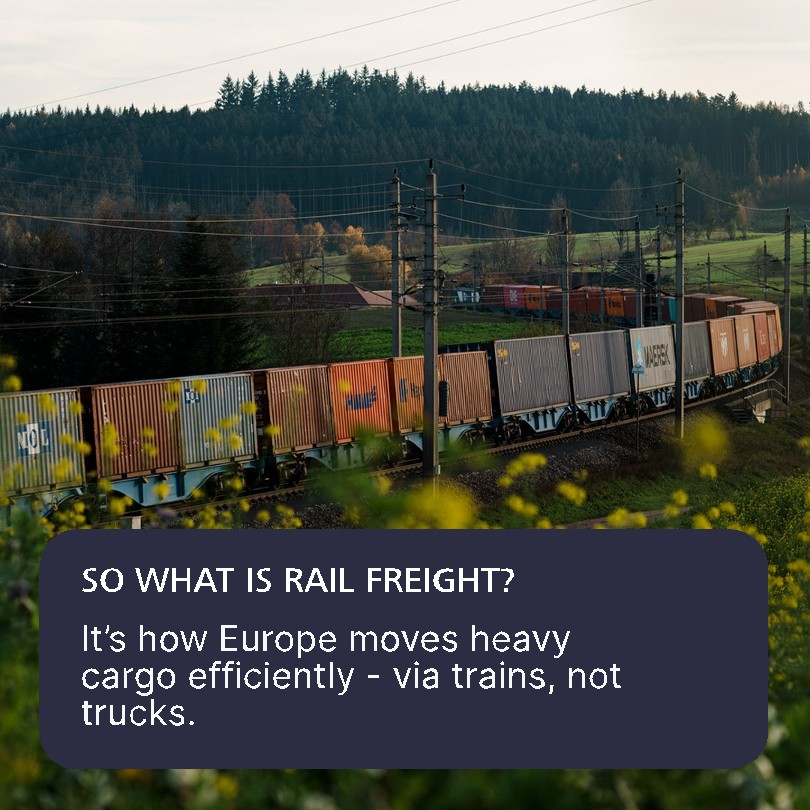
Rail freight from China has become an increasingly popular logistics solution for businesses seeking a balance between cost and speed. However, importers often face challenges with customs procedures, fluctuating rates, and choosing between rail, sea, or air freight. By working with reliable freight forwarders, companies can navigate these hurdles and benefit from efficient supply chain solutions across Asia and Europe.
Rail freight is the transportation of goods by train across international routes. In recent years, rail freight from China to Europe and Central Asia has expanded due to:
Faster transit compared to sea freight.
Lower costs compared to air freight.
Increasing infrastructure investment under the Belt and Road Initiative.
How Much Does Rail Freight from China Cost?
Costs vary depending on route, cargo weight, and container size. On average, rail freight falls between sea and air rates.
Cargo Type
Average Cost
Transit Time
Notes
1 CBM LCL
$80–$120
18–25 days
Small volume consolidated cargo
20ft Container
$3,000–$4,500
18–22 days
Standard container load
40ft Container
$5,000–$7,500
18–22 days
Larger shipments
Air Freight (per kg)
$5–$10
5–7 days
Much faster but more expensive
Sea Freight (20ft)
$1,000–$1,500
30–40 days
Cheapest option, but slow
What Are the Main Rail Freight Routes from China?
Origin (China)
Destination
Transit Time
Notes
Chongqing
Duisburg (Germany)
18–20 days
Key hub for Europe-bound goods
Xi’an
Warsaw (Poland)
15–18 days
Popular route for Eastern Europe
Chengdu
Moscow (Russia)
12–15 days
Faster deliveries into Russia
Zhengzhou
Hamburg (Germany)
18–22 days
Important EU trade connection
How Does Rail Freight Compare to Other Shipping Methods?
What Customs Documents Are Needed for Rail Freight?
To ensure smooth customs clearance, forwarders usually require:
Document
Purpose
Commercial Invoice
Declares value of shipment
Packing List
Provides cargo details
Rail Waybill
Contract of carriage for trains
Certificate of Origin
Reduces tariffs under trade agreements
Import/Export Declaration
Required by customs authorities
Why Choose Rail Freight for Your Supply Chain?
Speed: Faster than sea, especially for Europe-bound shipments.
Cost: More affordable than air, particularly for mid-sized cargo.
Reliability: Regular schedules and multiple departure points.
Sustainability: Lower carbon footprint compared to air transport.
Can Rail Freight Handle Different Types of Cargo?
Yes, rail freight from China can transport:
Consumer goods and electronics.
Automotive parts and machinery.
Pharmaceuticals with temperature-controlled containers.
Fashion and textiles for seasonal markets.
What Are the Pros and Cons of Rail Freight from China?
Pros
Cons
Faster than sea freight
Higher cost than sea freight
Cheaper than air freight
Limited destinations compared to sea
Regular and predictable schedules
May require multimodal solutions
Eco-friendly transport mode
Space availability can be tight in peak season
Should You Use Rail Freight for E-commerce Shipments?
Yes, many e-commerce retailers prefer rail freight because it provides a balance of speed and cost, ensuring stock replenishment without the high expense of air freight.
Do SMEs Benefit from Rail Freight Solutions?
Absolutely. SMEs can ship smaller consignments via LCL (Less than Container Load), consolidating goods with other exporters to reduce costs while still receiving faster delivery than sea freight.
Final Thoughts
Rail freight from China offers a balanced alternative for international shippers, combining affordability, speed, and reliability. While sea remains cheapest and air fastest, rail provides a middle path that meets both budget and delivery demands. For companies focused on reducing risks and improving supply chain efficiency, rail freight is an increasingly strategic choice.
1. How can rail freight reduce supply chain risks compared to sea freight?
Rail freight avoids port congestion and maritime weather issues, providing more predictable schedules and fewer delays for importers and exporters.
2. Do rail freight services include last-mile delivery?
Yes, many forwarders provide multimodal solutions, arranging trucking at destination points to deliver directly to warehouses or distribution centers.
3. Are there weight limits for cargo shipped by rail?
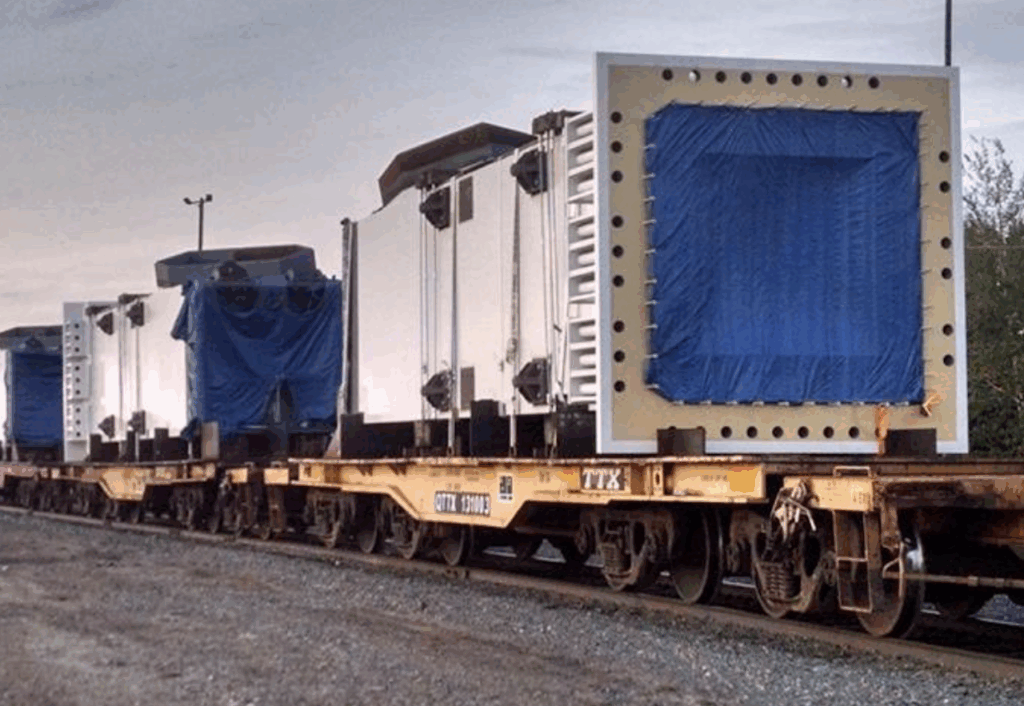
Yes, rail has maximum axle weight restrictions, but standard containers generally comply. Oversized or heavy cargo requires special arrangements.
4. How eco-friendly is rail freight compared to air transport?
Rail emits far fewer greenhouse gases than air freight, making it a preferred option for businesses prioritizing sustainable logistics.
5. Can high-value goods be shipped by rail safely?
Yes, security measures include GPS tracking, sealed containers, and dedicated security checks along key routes, ensuring protection for valuable shipments.