

Reefer FCL Container Shortage Solution for Electronics from China to Chicago
The global supply chain faces unprecedented challenges, and a critical concern for electronics importers is the reefer FCL container shortage for shipments from China to Chicago. This scarcity significantly impacts the safe and timely delivery of temperature-sensitive electronics. Fortunately, strategic planning and expert partnerships can help mitigate these risks, ensuring your valuable cargo reaches its destination efficiently. Learn how China Top Freight provides tailored solutions for these complex logistics.

Understanding the Reefer FCL Container Shortage for Electronics
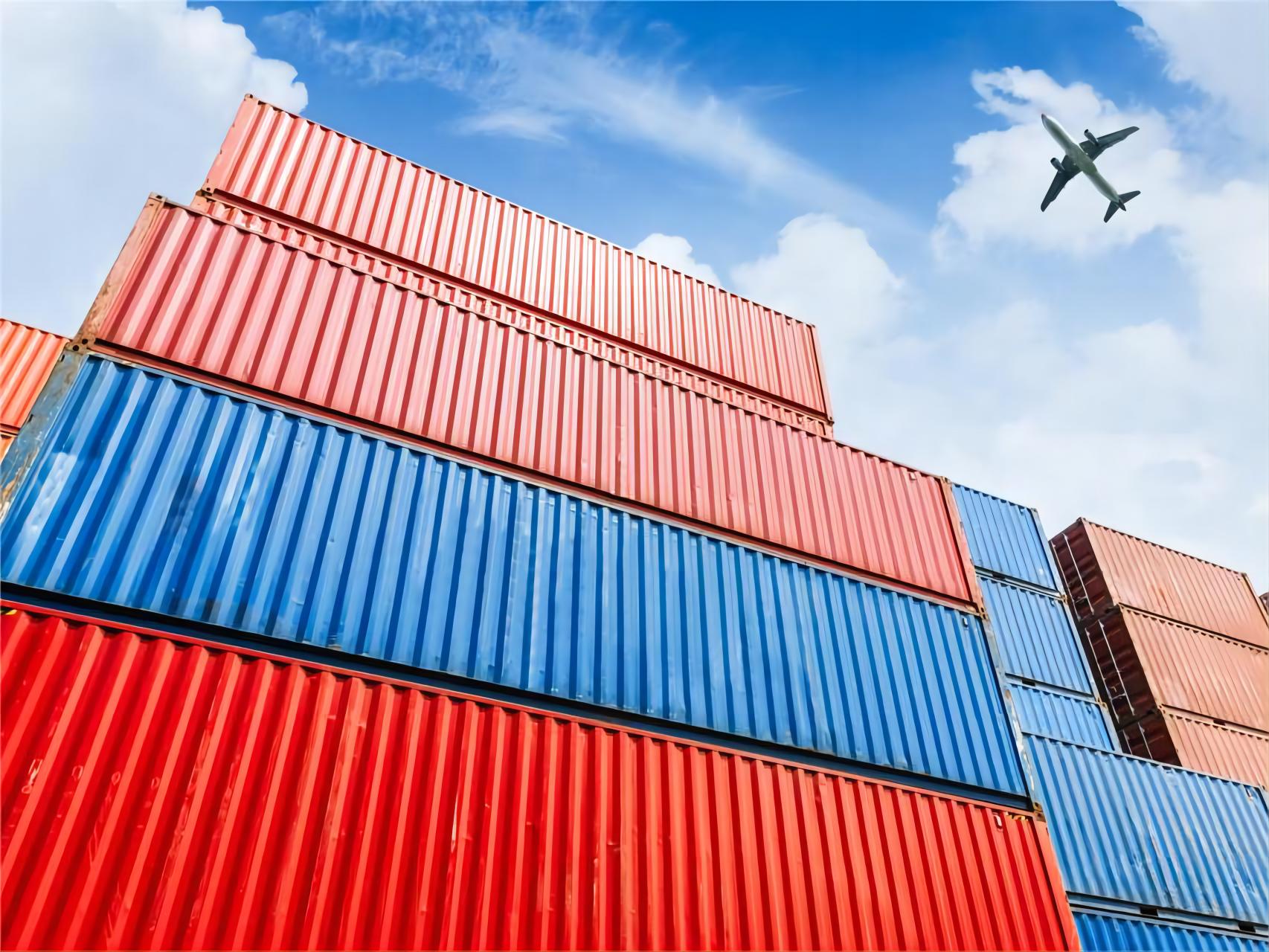
Presently, the demand for refrigerated (reefer) containers often outstrips supply, creating significant bottlenecks in global trade. This particular shortage is especially acute for electronics, which frequently require precise temperature and humidity control during transit. Consequently, businesses shipping electronics from China to Chicago face increased costs and extended lead times.
Furthermore, several factors contribute to this persistent container scarcity, including port congestion, imbalanced trade flows, and reduced vessel capacity. Therefore, understanding these underlying issues is the first step toward developing effective strategies to protect your electronics supply chain from further disruptions.
Why Reefer Containers are Critical for Electronics Shipments
Electronics, despite common misconceptions, are highly sensitive to environmental conditions. Fluctuations in temperature and humidity can lead to condensation, component degradation, and ultimately, product failure. Therefore, reefer containers are indispensable for maintaining the integrity of delicate electronic devices throughout their long journey.

Moreover, advanced electronics, such as semiconductors, displays, and medical devices, demand stringent climate control to prevent damage. Investing in secure reefer FCL container solutions ensures product quality upon arrival in Chicago. This proactive approach safeguards your investment and reputation in the market.
Navigating the China to Chicago Route Challenges
Shipping electronics from China to Chicago involves a complex logistical chain, spanning thousands of miles and multiple transit points. The journey typically includes ocean freight across the Pacific, followed by rail or truck transport from a West Coast port to the Midwest. Therefore, each leg of this journey presents unique challenges, especially when securing specialized reefer capacity.
Additionally, port congestion at major US West Coast gateways can cause considerable delays, impacting delivery schedules for temperature-sensitive cargo. Consequently, effective planning and robust contingency measures are crucial for maintaining an efficient sea freight route for electronics. This ensures a smoother flow through the complex logistics network.
Strategic Solutions for Securing Reefer FCL Capacity
Overcoming the reefer FCL container shortage for electronics from China to Chicago requires a multi-faceted approach. Proactive engagement with freight forwarders is paramount, allowing for early booking and better allocation of available containers. Furthermore, flexibility in shipping schedules can significantly increase your chances of securing space.
Considering alternative ports of loading in China or discharge in the US can also alleviate pressure on congested routes. Moreover, exploring consolidation options for smaller, temperature-sensitive electronics shipments into shared reefer containers can be a viable strategy. These tactics help optimize the utilization of scarce resources.
| Strategy | Benefit | Considerations | Impact |
|---|---|---|---|
| Early Booking | Secures capacity ahead of peak demand | Requires accurate forecasting | Higher chance of securing reefer FCL |
| Flexible Scheduling | Leverages off-peak availability | May affect delivery timelines | Access to more shipping slots |
| Alternative Ports | Bypasses congested gateways | Potentially longer transit times | Reduced port delay risks |
| Consolidation (LCL Reefer) | Cost-effective for smaller volumes | Requires expert handling | Optimizes container space |
How Does Reefer FCL Compare to Other Shipping Options?
When shipping electronics from China to Chicago, several methods exist, each with distinct advantages and disadvantages, particularly during a reefer FCL container shortage. While reefer FCL offers dedicated climate control for large volumes, its availability and cost can be prohibitive. Therefore, understanding alternatives is crucial for maintaining supply chain resilience.
For instance, air cargo provides speed and temperature control but at a significantly higher cost. On the other hand, traditional dry FCL or LCL freight is cheaper but lacks the necessary environmental protection for sensitive electronics. Consequently, a careful evaluation of each option is essential based on your specific cargo and urgency.
Comparison of Shipping Methods for Electronics
Below is a comprehensive comparison of viable shipping methods from China to Chicago, focusing on their applicability for electronics during a reefer container shortage. This analysis helps in making informed decisions about your logistics strategy.
| Shipping Method | Cost Range (40HQ/equivalent) | Transit Time (China to Chicago) | Best For | Limitations |
|---|---|---|---|---|
| Reefer FCL (Full Container Load) | $4,500 – $7,000 | 30-40 days | Large volume, highly sensitive electronics | High cost, limited availability, port congestion |
| Air Cargo (Temperature Controlled) | $15,000 – $25,000 | 5-7 days | Urgent, high-value, small volume electronics | Very high cost, strict weight/size limits |
| LCL Reefer (Less than Container Load) | $800 – $1,500 per CBM | 35-45 days | Smaller volumes of sensitive electronics | Consolidation delays, less control over environment |
| Dry FCL (with packaging solutions) | $4,000 – $5,500 | 30-40 days | Electronics with moderate temperature tolerance | No active climate control, risk of damage |
| Sea-Air Hybrid | $8,000 – $12,000 | 15-20 days | Mid-urgency, moderate volume electronics | Multiple handoffs, higher cost than pure sea |
When to Choose Each Option: A Decision Framework
Your choice of shipping method largely depends on your priorities: budget, speed, and cargo sensitivity. If budget is paramount and electronics can withstand some environmental variability, a dry FCL with enhanced packaging might suffice. However, for critical, high-value items, the extra cost of air freight is often justified.
Conversely, when managing a reefer FCL container shortage, consider LCL reefer for smaller, sensitive batches to optimize costs. Furthermore, for time-sensitive, moderate-volume shipments, hybrid sea-air solutions offer a balanced approach. Always weigh the trade-offs between cost, speed, and risk to make the best decision for your electronics.
Hybrid and Alternative Approaches
In times of reefer container scarcity, exploring hybrid shipping models can provide much-needed flexibility. For instance, a sea-air combination involves shipping by sea to a transshipment hub (like Dubai or Incheon) and then by air to Chicago. This method significantly reduces transit time compared to pure sea freight.
Moreover, partnering with experienced freight forwarders who specialize in electronics and have robust networks can unlock alternative routes and carrier options. They can also advise on advanced packaging solutions that enhance a product’s resilience to temperature fluctuations. This comprehensive approach helps mitigate the impact of the reefer FCL container shortage.
Real-World Case Studies: Overcoming Reefer Shortages
These case studies illustrate how businesses have successfully navigated the complexities of shipping electronics from China to Chicago amidst reefer container shortages. They highlight the importance of strategic planning and expert logistics partnerships.
Note: Freight rates are subject to change based on fuel costs, carrier capacity, and seasonal demand. Contact us for a current quote tailored to your specific shipment. Typical rates as of early 2025 are reflected.
Case Study 1: Expedited Delivery of Critical Medical Devices
| Detail | Description |
|---|---|
| Route | Shanghai, China Chicago, USA |
| Cargo | Medical diagnostic devices, 15 CBM, 2,500 kg |
| Container | LCL Reefer (shared 40HQ) |
| Shipping Details | Carrier: Major NVOCC, Port of Loading: Shanghai, Port of Discharge: Los Angeles (transshipment to Chicago by rail), Route Type: Transshipment |
| Cost Breakdown | Ocean Freight: $1,200/CBM, Origin Charges: $350, Destination Charges: $450, Customs & Duties (estimated): $800, Total Landed Cost: $20,600 |
| Timeline | Booking to Loading: 7 days, Sea Transit: 18 days, Customs Clearance: 3 days, Rail Transit: 5 days, Total Door-to-Door: 33 days |
| Key Insight | Leveraged LCL reefer for critical, smaller volume cargo when FCL was unavailable, balancing cost and temperature control. Expert customs brokerage expedited clearance. |
Case Study 2: Securing FCL for High-Volume Consumer Electronics
| Detail | Description |
|---|---|
| Route | Shenzhen, China Chicago, USA |
| Cargo | Consumer electronics (smart home devices), 60 CBM, 9,000 kg |
| Container | 40HQ Reefer |
| Shipping Details | Carrier: COSCO, Port of Loading: Shenzhen, Port of Discharge: Long Beach (transshipment to Chicago by rail), Route Type: Direct booking with priority |
| Cost Breakdown | Ocean Freight: $6,200, Origin Charges: $500, Destination Charges: $700, Customs & Duties (estimated): $1,500, Total Landed Cost: $8,900 |
| Timeline | Booking to Loading: 10 days, Sea Transit: 16 days, Customs Clearance: 2 days, Rail Transit: 4 days, Total Door-to-Door: 32 days |
| Key Insight | Early booking and strong carrier relationships secured a reefer FCL during peak season. Proactive communication prevented delays, ensuring a smooth door to door delivery. |
Case Study 3: Mitigating Risk with a Hybrid Sea-Air Solution
| Detail | Description |
|---|---|
| Route | Ningbo, China Chicago, USA |
| Cargo | Sensitive industrial control units, 8 CBM, 1,800 kg |
| Container | Air Cargo (from Dubai) after Sea Transit |
| Shipping Details | Carrier: MSC (sea to Dubai), Emirates SkyCargo (air to Chicago), Port of Loading: Ningbo, Port of Discharge: O’Hare (ORD), Route Type: Sea-Air via Dubai |
| Cost Breakdown | Sea to Dubai: $1,800, Air from Dubai: $7,500, Origin/Transshipment Charges: $600, Destination Charges: $400, Customs & Duties (estimated): $1,000, Total Landed Cost: $11,300 |
| Timeline | Booking to Loading: 5 days, Sea Transit (Ningbo-Dubai): 15 days, Transshipment: 3 days, Air Transit (Dubai-Chicago): 2 days, Customs Clearance: 1 day, Total Door-to-Door: 26 days |
| Key Insight | When reefer FCL container shortage impacted direct ocean routes, a sea-air hybrid provided a faster, temperature-controlled alternative for time-sensitive electronics. This optimized both speed and cost for the client. |
Optimizing Your Electronics Supply Chain with a Trusted Partner
Partnering with an experienced freight forwarder is crucial for successfully navigating the reefer FCL container shortage for electronics from China to Chicago. A reliable logistics provider offers invaluable expertise in route optimization, carrier negotiation, and customs compliance. They can help you anticipate challenges and implement proactive solutions.
Moreover, a comprehensive service offering, including robust tracking and communication, ensures transparency and peace of mind throughout the shipping process. Whether you require specialized handling for North America bound shipments or solutions for complex logistics, a dedicated partner is your best asset. This partnership is vital for maintaining a resilient and efficient electronics supply chain.
Conclusion
The ongoing reefer FCL container shortage presents significant hurdles for electronics importers moving goods from China to Chicago. However, by adopting strategic planning, exploring alternative shipping methods, and leveraging expert freight forwarding services, businesses can effectively mitigate these challenges. Proactive measures are key to maintaining supply chain continuity and protecting sensitive cargo.
Ultimately, securing a reliable reefer FCL container shortage solution for electronics from China to Chicago is achievable with the right approach. Partnering with a knowledgeable logistics provider empowers you to navigate market volatility, optimize transit times, and ensure your electronics arrive safely and on schedule. This ensures your business remains competitive and agile.
Need a tailored shipping solution?
Are you facing challenges with the reefer FCL container shortage for your electronics shipments from China to Chicago? Contact our experts today for a personalized consultation and a competitive quote. Let us help you secure your supply chain and ensure timely delivery of your valuable cargo.